



 Eleanor Thompson
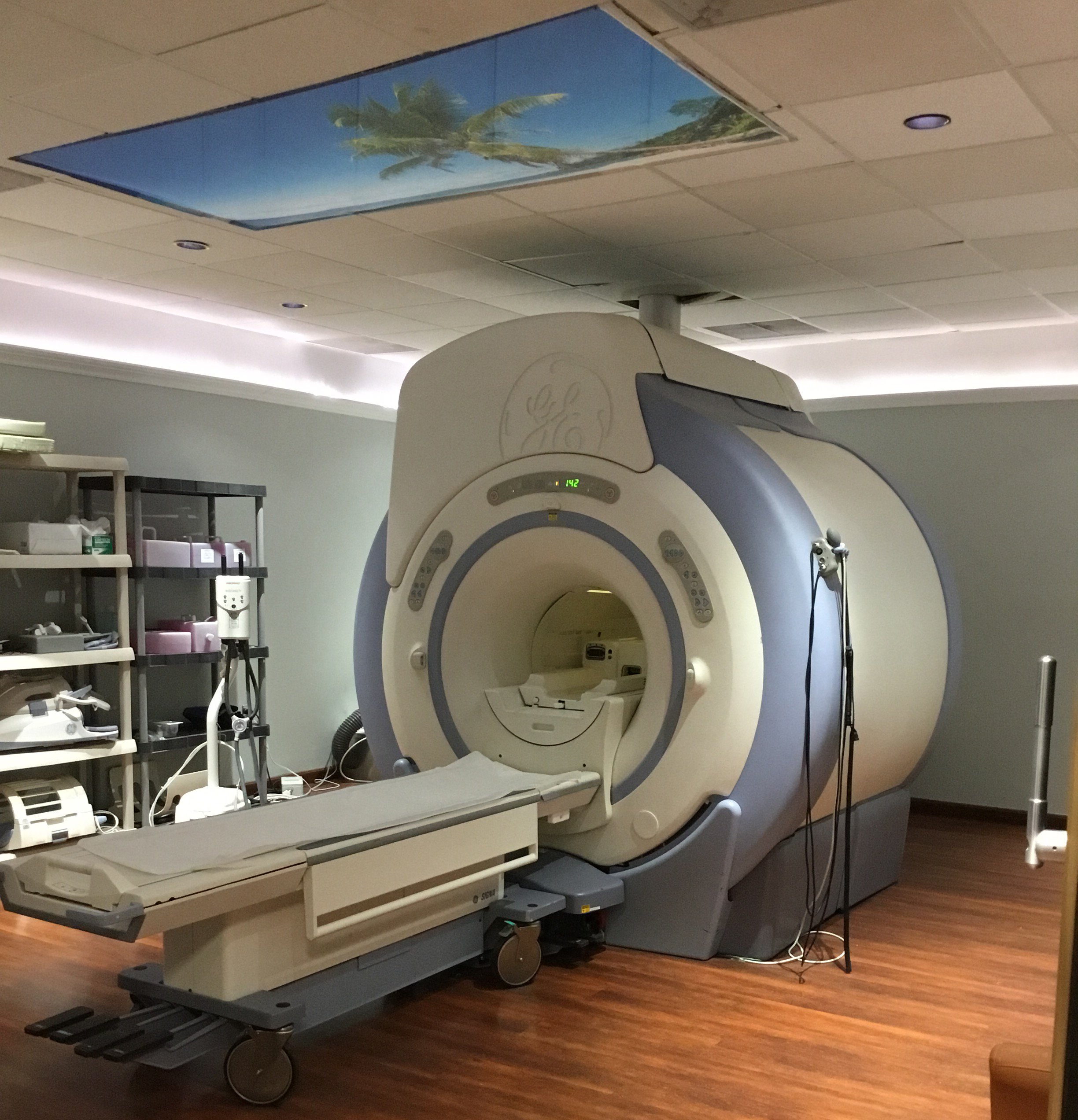
 On March 26, 2025, India achieved a groundbreaking milestone in healthcare technology with the unveiling of its first indigenously developed 1.5 Tesla Magnetic Resonance Imaging (MRI) machine, set to be installed at AIIMS Delhi by October for clinical trials. This development marks a significant step toward self-reliance in medical technology, aligning with the Atmanirbhar Bharat initiative, and promises to transform India’s healthcare sector by reducing costs and import dependency. This article delves into the history of the project, the achievement’s significance, its alignment with Atmanirbhar Bharat, technical specifications, the organizations and people behind it, and its potential impact on India’s health sector, while critically examining the establishment narrative of seamless progress.
History: A Decade-Long Journey to Indigenous Innovation
The journey to develop India’s first indigenous MRI machine began in December 2014 with the launch of the “Indigenous Magnetic Resonance Imaging (IMRI) – A National Mission (Swadeshi Chumbakiya Anu-naad Chitran – Ek Rashtriya Abhiyaan)” project, also known as SCAN-ERA. Initiated by the Society for Applied Microwave Electronics Engineering and Research (SAMEER) under the Ministry of Electronics and Information Technology (MeitY), the project aimed to design, develop, and test a 1.5 Tesla MRI system entirely within India. The initiative was spurred by the stark reality that 80-90% of high-end medical equipment in India, including MRI machines, was imported, leading to high costs and dependency on foreign suppliers.
The project faced significant challenges, including the complexity of MRI technology, which requires precise integration of electromagnetic fields, superconducting magnets, and advanced software for image reconstruction. SAMEER collaborated with multiple institutions, including the Centre for Development of Advanced Computing (C-DAC) in Trivandrum and Kolkata, the Inter University Accelerator Centre (IUAC), and Dayanand Sagar Institute (DSI). Early efforts focused on developing sub-modules such as the coil, FPGA spectrometer, 16kW amplifier, pulse sequence generation module, and a graphical user interface (GUI) with image reconstruction capabilities. By 2019, most sub-systems were completed, and SAMEER began integrating them with a procured 1.5 Tesla superconducting magnet from GE, as the Indian magnet was still under development.
A parallel effort by the Inter-University Accelerator Centre (IUAC), led by its director and Allahabad University adjunct professor Prof Avinash Chandra Pandey, achieved a breakthrough in 2022 by developing a 1.5 Tesla superconducting MRI magnet system—the core component of an MRI machine. This magnet, which generates a magnetic field tens of thousands of times stronger than Earth’s, was a critical step toward full indigenization. Meanwhile, Bengaluru-based startup Voxelgrids Innovations Pvt Ltd, supported by the National Biopharma Mission (NBM) and the Biotechnology Industry Research Assistance Council (BIRAC), launched a next-generation MRI scanner in August 2023, characterized by innovations like avoiding reliance on scarce liquid helium.
By March 2025, SAMEER announced the completion of the integrated MRI system, with fine-tuning of images underway. The machine’s installation at AIIMS Delhi for trials marks the culmination of over a decade of research, development, and collaboration, positioning India among a select group of nations capable of producing such advanced medical technology.
Achievement: A Leap Toward Technological Sovereignty
The development of India’s first indigenous MRI machine is a landmark achievement for several reasons. Firstly, it breaks India’s reliance on imported MRI machines, which constitute 80-85% of the market and cost between Rs 5-11 crore per unit, depending on the Tesla strength. AIIMS Delhi Director Dr M Srinivas emphasized the significance, stating that while India has some of the best medical talent globally, the lack of domestically produced high-end equipment has been a barrier. This MRI machine, developed at a fraction of the cost of imported models, is expected to reduce scan costs for patients, which currently range from Rs 5,000 and above per scan.
Secondly, the achievement places India in an elite league of MRI-manufacturing countries, alongside nations like the U.S., Japan, and Germany, which dominate the global market through companies like GE Healthcare, Siemens, and Philips. The project’s success also opens the door for India to export MRI machines, particularly to developing nations, enhancing its global standing in medical technology.
Impact on Atmanirbhar Bharat
The indigenous MRI machine aligns directly with the Atmanirbhar Bharat initiative, launched by Prime Minister Narendra Modi in 2020 to promote self-reliance across sectors. India’s medical device industry has long been import-dependent, with an annual import bill exceeding Rs 63,200 crore. By developing an MRI machine domestically, India reduces this dependency, fostering self-sufficiency in a critical healthcare sector. The project also supports the Make in India campaign, with SAMEER engaging Indian industries for manufacturing. Of the 11 industries shortlisted through an Expression of Interest (EOI), nine have been selected for final engagement, with MoUs and NDAs expected soon.
Beyond economics, the initiative boosts India’s technological sovereignty, a key pillar of Atmanirbhar Bharat. As noted by Union Minister Dr Jitendra Singh during the 2023 launch of Voxelgrids’ MRI scanner, such innovations address unmet needs and reduce healthcare disparities. The project also creates opportunities for Indian scientists, engineers, and researchers to advance MRI technologies, such as integrating artificial intelligence and digital tools, further solidifying India’s position as a hub for frugal innovation.
Technical Specifications
The indigenous MRI machine is a 1.5 Tesla system, a standard for clinical imaging, offering a balance between image quality and cost-effectiveness. Key technical specifications include:
- Magnetic Field Strength: 1.5 Tesla, suitable for visualizing soft tissues with high contrast resolution, making it ideal for diagnosing conditions in the brain, joints, abdomen, and other areas.
- Superconducting Magnet: Initially integrated with a procured GE magnet, the Indian magnet, developed by IUAC, is in its final stages and will soon replace the imported component, achieving full indigenization.
- Sub-Modules: Includes a coil, FPGA spectrometer, 16kW amplifier, pulse sequence generation module, and a GUI with image reconstruction and virtualization modules, all developed domestically.
- Innovations: Voxelgrids’ 2023 model introduced a helium-free design, addressing the global scarcity of liquid helium, which is typically used to cool MRI magnets. The system also features bottom-up software design and customized hardware for enhanced efficiency.
- Safety Features: Designed to mitigate risks associated with MRI electromagnetic fields, such as vertigo, peripheral nerve stimulation, and acoustic noise, though specific safety protocols are still under development.
The machine’s compact and lightweight design, as highlighted by Dr Jitendra Singh, makes it suitable for deployment in mobile vans, potentially bringing MRI services to rural areas in the future.
Organizations and People Behind the Project
The development of India’s first indigenous MRI machine involved a collaborative effort across multiple organizations and individuals:
- SAMEER: The Society for Applied Microwave Electronics Engineering and Research, based in Mumbai, led the project under MeitY. SAMEER, an autonomous R&D laboratory with roots in the Tata Institute of Fundamental Research (TIFR), specializes in RF and microwave systems, making it the ideal nodal agency for this mission.
- Collaborating Institutions: C-DAC (Trivandrum and Kolkata), IUAC, and DSI played crucial roles in developing sub-systems and integrating the technology.
- IUAC and Prof Avinash Chandra Pandey: The Inter-University Accelerator Centre, under Prof Pandey’s leadership, developed the 1.5 Tesla superconducting magnet, a critical component. Pandey, an adjunct professor at Allahabad University, has been instrumental in advancing India’s MRI capabilities.
- Voxelgrids Innovations Pvt Ltd: This Bengaluru-based startup, supported by BIRAC and the National Biopharma Mission, launched a helium-free MRI scanner in 2023, contributing innovations to the broader project.
- AIIMS Delhi and Dr M Srinivas: AIIMS Delhi, under Dr Srinivas’s direction, will host the trials, ensuring the machine meets clinical standards. Dr Srinivas has been a vocal advocate for indigenous medical technology.
- MeitY and Dr Jitendra Singh: The Ministry of Electronics and Information Technology spearheaded the initiative, with Union Minister Dr Jitendra Singh championing its alignment with national goals.
Boost to India’s Health Sector
The indigenous MRI machine is poised to revolutionize India’s health sector in several ways:
- Cost Reduction: By producing MRI machines domestically, India can significantly lower the cost of procurement (from Rs 5-11 crore to an estimated Rs 4-5 crore, as seen with Voxelgrids’ model) and scans (potentially halving current rates), making diagnostics more affordable for patients.
- Increased Access: India currently has only 1.5 MRI machines per million people, compared to over 10 in developed countries. Indigenous production could increase the number of machines, especially in underserved rural areas, where mobile MRI units could be deployed.
- Job Creation and Industry Growth: The project engages Indian industries, creating jobs in manufacturing, research, and maintenance. It also positions India as a potential exporter of MRI machines, boosting the medical device sector, which is expected to grow at a CAGR of 15%.
- Improved Healthcare Outcomes: Affordable and accessible MRI scans will enhance early diagnosis of diseases, particularly in soft tissues, improving treatment outcomes. This is critical for addressing India’s burden of non-communicable diseases like cancer and neurological disorders.
- Support for Universal Health Coverage: By reducing costs and improving access, the initiative supports India’s goal of achieving Universal Health Coverage, ensuring that advanced diagnostics are not limited to urban elites.
Critical Examination of the Establishment Narrative
The establishment narrative, as presented by government officials and media, portrays the indigenous MRI machine as a seamless triumph of Atmanirbhar Bharat, with India poised to become a global leader in medical technology. While the achievement is undeniable, this narrative overlooks several challenges and gaps.
Firstly, the project’s timeline—over a decade from inception to trials—indicates significant hurdles, including delays in developing the Indian magnet and fine-tuning the system. The reliance on a procured GE magnet until recently undermines claims of full indigenization, suggesting that India still depends on foreign components for critical technology. Secondly, the narrative downplays the lack of safety protocols specific to the indigenous MRI. While the machine addresses standard risks like electromagnetic field effects, India lacks a dedicated MR safety board, unlike other nations, which could hinder its safe deployment.
Moreover, the focus on cost reduction assumes that lower prices will automatically translate to widespread access, but this ignores systemic issues like inadequate healthcare infrastructure in rural areas and the need for trained radiologists to operate and interpret MRI scans. Finally, the narrative of global leadership is premature. The global MRI market is dominated by giants like GE, Siemens, and Philips, and India must overcome significant barriers—such as regulatory approvals, scalability, and international trust—to compete effectively.
What Next: The Path Forward
To maximize the impact of this achievement, India must take the following steps:
- Complete Full Indigenization: Finalize the Indian magnet and eliminate reliance on imported components to achieve true self-reliance.
- Establish Safety Standards: Form a dedicated MR safety board, as recommended by experts, to develop protocols, train personnel, and ensure patient safety during MRI scans.
- Scale Production and Distribution: Partner with the nine selected industries to mass-produce the MRI machines, focusing on deployment in rural and semi-urban areas through mobile units.
- Invest in Training: Train radiologists and technicians to operate the new machines, addressing the skill gap in MRI diagnostics.
- Pursue Global Markets: Leverage India’s cost advantage to export MRI machines to developing nations, particularly in Africa and Southeast Asia, enhancing India’s soft power in healthcare.
Summary
India’s first indigenous 1.5 Tesla MRI machine, unveiled on March 26, 2025, is a testament to the nation’s growing prowess in medical technology, marking a significant step toward self-reliance under the Atmanirbhar Bharat initiative. Developed through a decade-long collaboration led by SAMEER, IUAC, and supported by figures like Prof Avinash Chandra Pandey and Dr M Srinivas, the machine promises to reduce costs, increase access, and boost India’s health sector. However, the establishment’s narrative of seamless progress overlooks challenges like incomplete indigenization, safety gaps, and systemic healthcare barriers. By addressing these issues, India can not only transform its healthcare landscape but also emerge as a global leader in affordable medical technology, ensuring that advanced diagnostics reach every corner of Bharat.
Excerpt: India’s first indigenous 1.5 Tesla MRI machine, set for trials at AIIMS Delhi, marks a milestone in Atmanirbhar Bharat, promising affordable diagnostics and a stronger health sector, though challenges in safety and scalability remain.