


 Marcus Trifalgur
 Kia ora, friends—imagine savouring a hangi on the East Coast, but instead you’re in a Punjab dhaba, where a tandoor fires up naan with a smoky waft, or in a Hyderabad kitchen, where biryani simmers with a saffron kick. This is the 46th dish in our 100-article journey through Bharat Is Not for Beginners, a remarkable trek that’s pulsed with poetry, sung river songs, traced warrior ways, and much more. Now, we’re savouring again Bharat’s spice of life—its culinary innovations and living flavours—where every bite is a taonga from Vedic hearths to modern tables. This isn’t just about food; it’s Bharat seasoning its whakapapa with a hearty zest.
Bharat doesn’t approach its kai with half measures—it cooks with heart. Its culinary kaupapa isn’t a faded recipe card; it’s a vibrant hui of spices, techniques, and traditions, from yajna-blessed grains to global fusion, woven into a culture that’s been feeding its soul since the fields first bloomed. This land’s a living kitchen, a tasty ticker that’s nourished its people through harvests, feasts, and centuries with a flair for flavour. This isn’t for those after a quick snack—it’s an exploration of a civilisation that’s made its cuisine a remarkable legacy.
The Vedic Hearth: Cuisine’s Sacred Beginnings
Let’s step back to 3000 BCE—Indus Valley folk were already roasting barley, clay ovens hinting at flatbreads to come (Article 30). But the foundation truly sets with the Vedas—1500 BCE, the Rigveda (Article 1) offers havis—ghee and rice—to Agni in yajna fires, a sacred kai tied to rta’s rhythm (Article 35). The Atharvaveda lists apupa—sweet cakes—a homam treat with honey (Article 32).
By 1000 BCE, Ayurveda shapes the plate—sattvic foods like lentils lift the mind, a rishi’s guide to balance (Article 39). Vedic annam—cooked rice—feeds yajna guests, spiced with maricha (pepper), a coastal taonga (Article 36). This wasn’t basic tucker—cooking was pakashastra, a sacred hui linking Bharat’s pulse to its pots and pans with a warm intent and a touch of wairua.
A Whānau of Flavours: Cuisine Across the Land
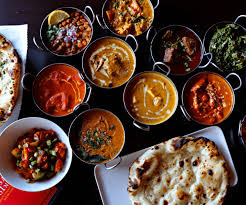
Bharat’s kai forms a diverse whānau—each region has its own taste. Punjab’s makki di roti and sarson da saag warm winter, a tandoor hui with mustard zing (Article 19). Down south, Tamil Nadu’s dosa—fermented rice—crisps up, a Sangam taonga with coconut chutney (Article 31). Bengal’s macher jhol simmers fish in panch phoran, a riverbank homam in a bowl (Article 44).
Rajasthan’s dal baati bakes hearty in desert ovens, a yajna nod to grit (Article 36), while Kerala’s sadya spreads banana leaves with 20 dishes, a coastal feast (Article 32). Gujarat’s dhokla steams light, a veggie flex, and Kashmir’s rogan josh stews lamb with saffron, a mountain prasadam (Article 27). From tribal bamboo rice to urban chaat, Bharat’s flavours are a whānau—rich, varied, and truly impressive.
Culinary Mana: Flavours Meet Spirit
Bharat’s kai carries mana—sacred zest woven in. Ghee—clarified butter—lights homam fires, a Rigveda gift for gods and guts (Article 32). Turmeric—haldi—heals and hallows, a yajna sprinkle for ayush (Article 39). Prasadam—temple food—shares laddu and kheer, a Vedic annam with divine grace (Article 19).
Festivals spice it up—Diwali’s mithai sweetens victory, a kavya treat (Article 45), while Pongal’s ven pongal steams rice and lentils, a harvest hui (Article 36). Even daily kai sings—masala blends lift dal, a rta-balanced warmth (Article 35). Food wasn’t just fuel here—it was wairua, a sacred hui tying Bharat’s spirit to its spices and stews, a living nada brahma in aroma and taste (Article 33).
The Global Hui: Flavours Reach Out
Bharat’s tastes didn’t stay put—they travelled far. By 200 BCE, maricha—black pepper—spiced Rome’s pots, a Rigveda taonga on trade winds (Article 21). Chola ports shipped cardamom—elaichi—to Arabia, a yajna scent gone global (Article 15). Mughal biryani blended Persian rice with Desi masala, a fusion hui for the world.
Today, it’s a worldwide feast—NZ’s got butter chicken in Ponsonby eateries, a tandoor twist with a Kiwi flair. Bollywood’s in—Lunchbox’s tiffin nods dal (Article 25)—and Kiwi chefs eye sadya for a veggie spin. From London curry houses to Levin takeaways, Bharat’s flavours are a friend—warm, clever, and truly far-reaching, a Vedic spice feeding the global whānau.
The Modern Rāka: Flavours Keep Cooking
Colonial types tried a bland take—British stodge muscled in—but Bharat’s kai held firm. Post-1947, the waka turned—Amul churns ghee modern, a rishis’ dairy gone co-op, while Haldiram’s packs namkeen for the world. Fusion blooms—Indo-Chinese fries manchurian, a masala remix with a nod to pakashastra.
Kiwi friends love it—Wellington’s got Desi chaat stalls, Auckland’s kitchens roast tandoori chook (Article 39). It’s not a relic—it’s a live rāka, Bharat’s culinary mana cooking from Vedic annam to urban plates, a taste that keeps simmering.
Why the Spice Stays Fresh
What keeps this kai thriving? Bharat’s passionate about it—nanas grind masala, kids scoop biryani, chefs guard tandoors like a Hurricanes ruck. It’s Vedic—havis’ warmth, rta’s balance still hold it tapu. UNESCO’s noted it—intangible heritage—and cooks maintain it kaupapa, roasting elaichi in backyards, simmering dal in flats. It’s not just food—it’s whakapapa, a flavour Bharat’s stirred since the rishis feasted.
Why It’s a Tasty Yarn
Why revisit Bharat’s spice of life? Because it’s a tasty yarn—flavours that comfort, spark, and inspire, a remarkable tale. It’s taonga—ghee older than the Treaty waka, haldi with Vedic fire—and it’s alive, sizzling from Kaikoura to anywhere. For us in Aotearoa, it’s a hui—taste a dosa, sniff a biryani, catch Bharat’s spark. It’s not just cuisine; it’s wairua, and Bharat’s got it simmering strong.
Excerpt
That’s 46 dishes in our 100-article rāka of Bharat Is Not for Beginners, and Bharat’s still serving—from poet’s pulses to spicy life, this land’s a remarkable gift. Keep your tastebuds keen as we dish up more of its taonga. Join us tomorrow for Article 47: “Bharat Is Not for Beginners – The Sacred Sound Returns: Bharat’s Musical Innovations and Living Melodies”, where we’ll tune back into the rhythms that lift a civilisation’s spirit.