

 Kara Riggs
 By Kara Riggs, Sports, Outdoors, Adventures and Fitness Specialist, Exclusive for NZB News
Introduction: A Nation Born for Adventure
There is a saying in New Zealand: “The mountains are calling, and we must go.” For generations, the wild beauty of Aotearoa’s landscapes has beckoned Kiwis and visitors alike to step outside, challenge themselves, and discover the world beyond their doorsteps. From the snow-capped Southern Alps to the windswept beaches of Northland, New Zealand is a nation shaped by its environment – and by the adventurous spirit of its people.
In recent decades, this spirit has found new expression in the explosive growth of adventure sports and fitness culture. What began as a handful of intrepid mountaineers and kayakers has blossomed into a nationwide movement, encompassing everything from trail running and mountain biking to yoga retreats, multisport festivals, and eco-conscious outdoor pursuits. Today, adventure and fitness are not just pastimes; they are integral to the Kiwi identity, driving economic growth, social connection, and a renewed appreciation for the natural world.
This article takes an in-depth look at the evolution, drivers, impacts, and future prospects of New Zealand’s adventure sports and fitness culture. Drawing on expert insights, participant stories, and the latest research, we explore how Aotearoa is redefining what it means to live, move, and thrive outdoors.
Part I: The Roots of Adventure – Aotearoa’s Outdoor Heritage
1.1 Māori Traditions: Adventure as Ancestral Practice
Long before the arrival of Europeans, Māori navigators crossed vast oceans in waka (canoes), guided by stars, currents, and ancestral knowledge. Their relationship with the land and sea was one of respect, resourcefulness, and adventure. Traditional activities such as waka ama (outrigger canoeing), hunting, fishing, and climbing were not only means of survival, but also expressions of mana (prestige) and whanaungatanga (kinship).
Māori stories abound with feats of endurance and exploration – from the legendary journeys of Māui to the seasonal migrations for food gathering. Today, Māori continue to play a leading role in outdoor sports, blending cultural heritage with modern innovation. Events such as the Waka Ama Sprint Nationals and the revival of traditional navigation techniques are testament to the enduring spirit of adventure in te ao Māori.
1.2 Colonial Influence: The Birth of Clubs and Competitions
The arrival of British settlers in the 19th century brought new outdoor pursuits, including tramping (hiking), mountaineering, and organised sport. The rugged terrain of Aotearoa proved both a challenge and an inspiration, giving rise to iconic achievements such as the first ascent of Aoraki/Mount Cook in 1894.
Clubs and societies flourished, from the New Zealand Alpine Club (founded 1891) to the first surf lifesaving clubs and yachting associations. The outdoors became a space for camaraderie, competition, and personal growth – values that continue to underpin New Zealand’s sporting ethos.
1.3 The Modern Era: From Extreme Sports to Everyday Fitness
The late 20th and early 21st centuries have seen a dramatic expansion in the range and popularity of adventure sports. The 1980s and 1990s marked the global rise of extreme sports, with New Zealand at the forefront. Queenstown, often dubbed the “adventure capital of the world,” became synonymous with bungee jumping, skydiving, jet boating, and white-water rafting.
At the same time, fitness culture began to shift from indoor gyms to outdoor experiences. Trail running, mountain biking, adventure racing, and multisport events such as the Coast to Coast captured the public imagination. Today, outdoor fitness is a way of life for many Kiwis, encompassing everything from sunrise yoga on the beach to weekend mountain expeditions and family cycling adventures.
Part II: The Drivers of Growth – Why Kiwis Are Getting Active Outdoors
2.1 Health and Well-being: The Science of Movement
The health benefits of physical activity are well-documented, and New Zealanders are increasingly aware of the link between movement, mental health, and longevity. Studies from the Ministry of Health reveal that regular participation in outdoor activities reduces the risk of chronic diseases, boosts mood, and enhances cognitive function.
The COVID-19 pandemic further underscored the importance of staying active, with lockdowns prompting a surge in walking, cycling, and home-based fitness. As restrictions eased, many Kiwis carried these habits into the outdoors, seeking connection, stress relief, and a sense of normalcy amid uncertainty.
2.2 Technology and Social Media: Connecting and Inspiring
Technology has transformed the way we experience and share adventure. GPS devices, fitness trackers, and mobile apps enable safer exploration, route planning, and performance tracking. Social media platforms such as Instagram and Strava have created global communities of outdoor enthusiasts, providing inspiration, accountability, and a space to celebrate achievements.
Events and challenges – from virtual marathons to “fastest known time” (FKT) attempts – have flourished online, breaking down barriers of distance and accessibility. For many, technology is not a replacement for real-world adventure, but a powerful tool for connection and motivation.
2.3 Environmental Values: Adventure with Purpose
New Zealanders have a deep and abiding connection to the land, reflected in the concept of kaitiakitanga (guardianship). As environmental awareness grows, many adventure athletes and fitness enthusiasts are embracing eco-conscious practices, from trail clean-ups and tree planting to low-impact travel and sustainable gear choices.
Adventure tourism operators are increasingly partnering with conservation groups, integrating education and stewardship into their offerings. The result is a culture where adventure and environmental responsibility go hand in hand.
2.4 Tourism and Economic Opportunity
Adventure tourism is a cornerstone of New Zealand’s economy, attracting over three million international visitors annually (pre-pandemic) and generating more than NZ$1.5 billion in revenue. Iconic destinations such as Queenstown, Rotorua, and Abel Tasman National Park are global magnets for thrill-seekers and nature lovers alike.
Domestic tourism has also surged, with Kiwis rediscovering their own backyard and supporting local businesses. The growth of adventure sports has spurred innovation in gear manufacturing, event management, guiding services, and hospitality, creating jobs and revitalising rural communities.
2.5 Community and Social Connection
Outdoor adventure is as much about people as it is about place. Clubs, events, and group activities foster social bonds, inclusivity, and a sense of belonging. From parkruns and cycling groups to climbing gyms and surf lifesaving clubs, the outdoor community is diverse, welcoming, and supportive.
For many, the outdoors is a space to overcome challenges, build confidence, and forge lifelong friendships. Initiatives such as Girls on Track, Outward Bound, and inclusive adventure programmes for disabled athletes are breaking down barriers and expanding participation.
Part III: The Adventure Sports Landscape – Aotearoa’s Signature Pursuits
3.1 Tramping and Trail Running
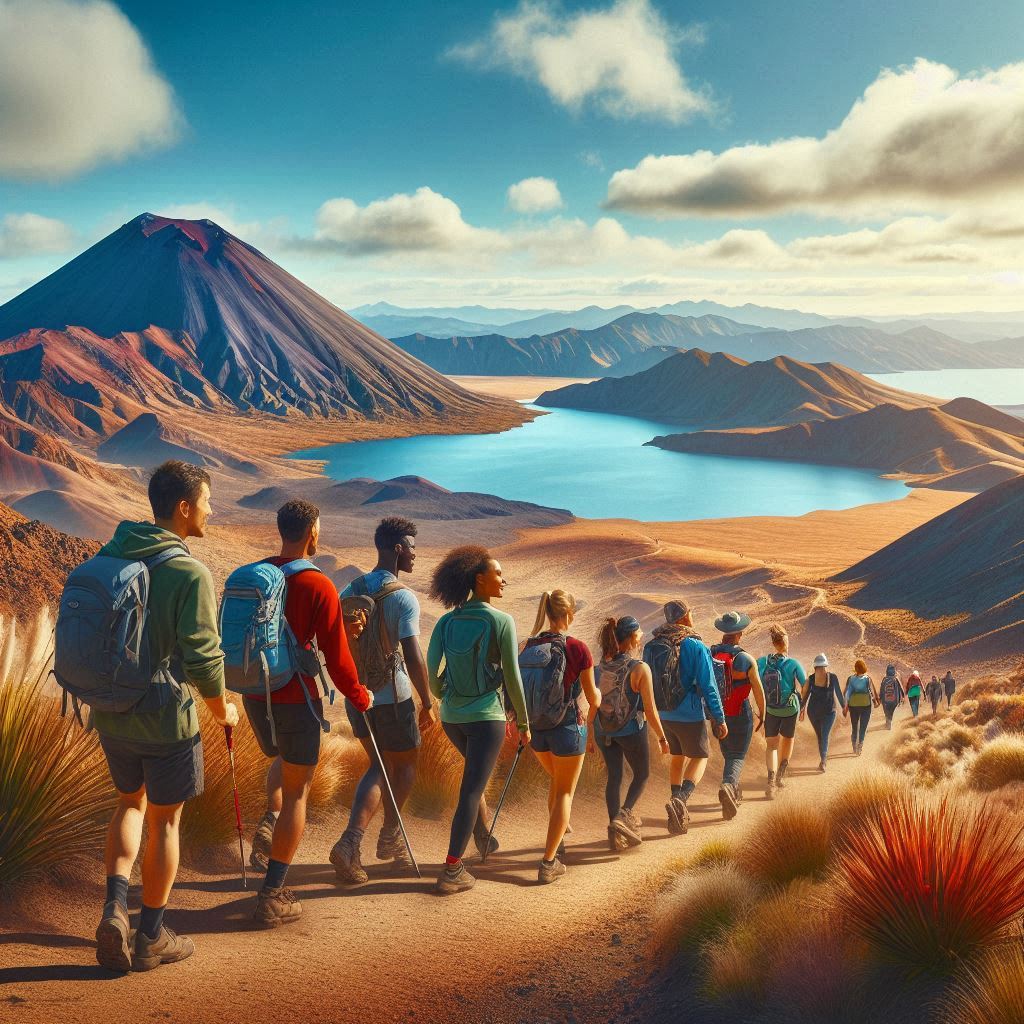
With over 14,000 kilometres of tracks and trails, New Zealand is a tramper’s paradise. The Department of Conservation’s Great Walks – including the Milford, Routeburn, and Tongariro Northern Circuit – are internationally renowned for their beauty and accessibility.
Trail running has exploded in popularity, with events such as the Tarawera Ultramarathon, Kepler Challenge, and Old Ghost Ultra drawing elite athletes and weekend warriors alike. The “run tourism” phenomenon sees participants travelling the country to experience new landscapes and test their limits.
3.2 Mountain Biking
From the redwoods of Rotorua to the Queenstown Bike Park, New Zealand offers world-class mountain biking for all skill levels. The creation of the New Zealand Cycle Trail network (Nga Haerenga) has opened up hundreds of kilometres of scenic routes, boosting regional tourism and encouraging active transport.
Events such as the Crankworx Rotorua festival and the Pioneer mountain bike stage race attract international competitors and showcase the country’s commitment to innovation and sustainability in trail design.
3.3 Water Sports
Surrounded by ocean and blessed with countless lakes and rivers, New Zealand is a haven for water sports. Surfing, kayaking, paddleboarding, sailing, and waka ama are popular year-round, with iconic spots such as Raglan, Piha, Lake Taupo, and the Whanganui River drawing enthusiasts from around the globe.
The growth of eco-tourism and wildlife experiences – from dolphin kayaking to snorkelling with seals – reflects a growing emphasis on conservation and responsible recreation.
3.4 Climbing and Mountaineering
Aoraki/Mount Cook, the Southern Alps, and the volcanic peaks of the North Island offer world-class climbing and mountaineering opportunities. The legacy of Sir Edmund Hillary, the first person to summit Everest, continues to inspire new generations of climbers.
Indoor climbing gyms have made the sport more accessible, while outdoor festivals and competitions promote safety, skill development, and environmental stewardship.
3.5 Multisport and Adventure Racing
New Zealand is the birthplace of multisport racing, with the iconic Coast to Coast event (243km from Kumara Beach to Sumner Beach) testing competitors across cycling, running, and kayaking. Adventure races such as GODZone and Spring Challenge combine navigation, teamwork, and endurance in spectacular wilderness settings.
These events attract elite athletes and amateurs alike, fostering a spirit of camaraderie, resilience, and respect for the environment.
3.6 Outdoor Fitness and Wellness
The fitness revolution has moved beyond the gym, with outdoor boot camps, yoga retreats, and wellness festivals flourishing across the country. Programmes such as Parkrun, F45 outdoor sessions, and community yoga classes make fitness accessible, affordable, and fun.
The integration of mindfulness, nutrition, and holistic health reflects a broader shift towards well-being and balance.
Part IV: Case Studies and Participant Stories
4.1 The Coast to Coast: A Kiwi Rite of Passage
For many New Zealanders, the Coast to Coast is more than a race; it is a journey of self-discovery. Each year, over 800 competitors traverse the South Island from west to east, crossing mountains, rivers, and plains in a test of endurance and determination.
Participant Story: Sarah Williams, 34, Christchurch
“I trained for a year, juggling work and family. The race was brutal – the mountain run nearly broke me – but the support from fellow competitors and volunteers kept me going. Crossing the finish line was the proudest moment of my life. It taught me that I’m capable of more than I ever imagined.”
4.2 Girls on Track: Empowering Young Women
Girls on Track is a nationwide initiative that introduces young women to mountain biking, trail running, and adventure sports. Through mentorship, skills clinics, and community events, the programme aims to boost confidence, resilience, and leadership.
Programme Leader: Mereana Rangi, Rotorua
“We want to show girls that the outdoors is for everyone. Adventure teaches courage, teamwork, and self-belief. Seeing our participants grow and take on new challenges is incredibly rewarding.”
4.3 Adaptive Adventure: Breaking Barriers
Organisations such as Parafed and Achilles International are making adventure sports accessible to disabled athletes. From adaptive kayaking to tandem cycling, these programmes promote inclusion, independence, and achievement.
Athlete Story: James Ngatai, 27, Auckland
“After my accident, I thought my days of adventure were over. Then I discovered adaptive kayaking. The freedom, the connection to nature – it gave me my life back. Now I volunteer to help others experience the same joy.”
4.4 Conservation and Adventure: The Predator Free Trail Challenge
The Predator Free Trail Challenge is a unique event that combines trail running with conservation action. Participants run or walk set routes, removing invasive species traps and collecting data for local conservation groups.
Organiser: Dr. Emily Foster, Wellington
“Adventure and conservation go hand in hand. Our participants love the sense of purpose – they’re not just running, they’re making a difference for our native wildlife.”
Part V: Challenges and Opportunities
5.1 Environmental Sustainability: Loving Nature Without Loving It to Death
The popularity of adventure sports brings both benefits and risks for the environment. Increased foot traffic, trail erosion, litter, and disturbance to wildlife are growing concerns. Iconic locations such as Tongariro Alpine Crossing and Abel Tasman National Park face pressure from visitor numbers, prompting calls for better management and education.
Adventure tourism operators, event organisers, and participants are embracing “leave no trace” principles, sustainable gear, and conservation partnerships. The Department of Conservation is trialling booking systems, visitor caps, and infrastructure upgrades to protect sensitive areas.
5.2 Accessibility and Equity: Ensuring Adventure for All
Despite progress, barriers to participation remain. Cost, transport, equipment, and cultural perceptions can limit access, particularly for Māori, Pasifika, rural, and low-income communities.
Initiatives such as Bikes in Schools, free community events, and subsidised gear hire are making a difference, but more work is needed. Collaboration between government, iwi, schools, and the private sector is essential to ensure that the benefits of adventure and fitness are shared equitably.
5.3 Safety and Risk Management: Adventure with Care
Adventure sports inherently carry risks, from injury and exposure to weather hazards and navigation errors. High-profile incidents have prompted calls for stricter regulation, improved training, and better information for participants.
The New Zealand Mountain Safety Council, Surf Life Saving New Zealand, and other organisations provide education, resources, and support to promote safe practices. Technology – including personal locator beacons, weather apps, and real-time alerts – is enhancing safety, but personal responsibility remains paramount.
5.4 Climate Change: Adapting to a Changing World
Climate change poses significant challenges for outdoor recreation. Increased frequency of extreme weather events, changing snowlines, coastal erosion, and biodiversity loss threaten the viability of some activities and destinations.
The adventure and fitness sector is responding with adaptive strategies, from diversifying offerings to investing in resilient infrastructure and supporting climate action initiatives. The connection between outdoor recreation and environmental advocacy is stronger than ever.
Part VI: The Future of Adventure and Fitness in New Zealand
6.1 Innovation and Technology: The Next Frontier
The integration of technology is transforming the adventure and fitness landscape. Wearable devices, AI-powered coaching, virtual reality training, and digital mapping are enhancing performance, safety, and accessibility.
Start-ups and research institutes are developing eco-friendly gear, smart fabrics, and sustainable materials. The fusion of tradition and innovation is creating new opportunities for participation and engagement.
6.2 Inclusive Programming: Expanding Participation
The future of adventure and fitness is inclusive. Programmes tailored to women, older adults, disabled athletes, and diverse cultural groups are expanding the reach and impact of outdoor activities.
Partnerships with iwi, schools, and community organisations are embedding cultural values, environmental stewardship, and well-being into adventure programmes. The outdoors is becoming a space for healing, learning, and connection.
6.3 Sustainable Practices: Leading by Example
New Zealand is poised to lead the world in sustainable adventure tourism and outdoor recreation. Certification schemes, carbon offset programmes, and regenerative tourism models are setting new standards for environmental responsibility.
Events and operators are adopting zero-waste policies, supporting local conservation projects, and engaging participants in hands-on stewardship. The adventure community is a powerful force for positive change.
6.4 Cross-Sector Collaboration: Building Stronger Communities
The adventure and fitness sector is increasingly collaborating with health providers, educators, businesses, and government agencies. Initiatives such as Green Prescription, which encourages physical activity for health, and Active Transport programmes are bridging the gap between recreation, health, and sustainability.
By working together, stakeholders can amplify impact, share resources, and create lasting benefits for individuals and communities.
Summary
New Zealand’s adventure sports and fitness culture is a dynamic expression of the nation’s identity, values, and aspirations. Rooted in a deep connection to the land and sea, shaped by history and innovation, and fuelled by a spirit of exploration, the outdoors is where Kiwis come alive.
The rise of adventure sports and fitness has brought enormous benefits – from improved health and well-being to economic growth, social connection, and environmental stewardship. Yet, it also presents challenges, from sustainability and safety to equity and climate change.
The path forward requires vision, collaboration, and a commitment to inclusivity and sustainability. By embracing innovation, expanding access, and nurturing the next generation of adventurers, New Zealand can continue to lead the world in outdoor recreation and well-being.
As we look to the future, let us remember that adventure is not just about conquering mountains or crossing finish lines. It is about discovery – of ourselves, each other, and the extraordinary land we call home.
For NZB News, this is Kara Riggs, encouraging all Kiwis to step outside, embrace the adventure, and help shape a healthier, more connected, and sustainable Aotearoa.

























Very good