 Vinay Karanam
 By Vinay Karanam, Hindu, Multicultural, Community, Technology, Science and Defence Specialist, Exclusive for NZB News
Introduction: The Road Ahead for a Sustainable Aotearoa
New Zealand is celebrated worldwide for its natural beauty, clean air, and commitment to environmental stewardship. Yet, beneath this green image lies a significant challenge: the country’s transport sector is one of the largest contributors to national greenhouse gas emissions. As Aotearoa embarks on a journey toward a zero-carbon future, the transformation of how people and goods move is both a pressing necessity and an extraordinary opportunity.
This article examines New Zealand’s transition to sustainable transport, exploring the strategies, innovations, and community efforts driving change. We delve into the current state of transport, government policies, technological advances, the role of Māori and multicultural communities, and the broader societal impacts of this transition. The goal is to provide a comprehensive, contemporary perspective on how New Zealand can lead the world in building a resilient, equitable, and environmentally responsible transport system.
The Current State of Transport in New Zealand
A Sector at a Crossroads
Transport in New Zealand is dominated by private vehicles, with car ownership among the highest in the world. This reliance on fossil-fuelled cars and trucks, combined with increasing urbanisation and population growth, has led to congestion, air pollution, and a significant carbon footprint. Approximately 17% of the country’s total greenhouse gas emissions stem from transport, making it a critical focus for climate action.
Urban centres such as Auckland and Wellington face daily congestion and long commutes, while rural and regional areas struggle with limited public transport options. The geographical spread of the population, combined with a legacy of car-centric infrastructure, presents unique challenges for building a truly sustainable transport network.
The Cost of Inaction
Failure to address transport emissions would not only jeopardise New Zealand’s climate commitments but also risk economic and social wellbeing. The costs of delayed action include increased health burdens from air pollution, greater vulnerability to global fuel price shocks, and the risk of falling behind in the global shift to clean technologies.
National Strategies and Policy Frameworks
The Zero Carbon Act and Emissions Reduction Plans
New Zealand’s commitment to a zero-carbon future is enshrined in the Zero Carbon Act, which sets a legally binding target of net zero greenhouse gas emissions by 2050. This legislation requires the government to develop and implement emissions budgets and reduction plans across all sectors, with transport identified as a priority.
The Emissions Reduction Plan lays out a roadmap for decarbonising transport. Key targets include reducing transport emissions by 41% by 2035 (from 2019 levels) and achieving a nearly fully decarbonised sector by 2050. The plan emphasises three core strategies: reducing reliance on private vehicles, rapidly adopting low-emission vehicles, and encouraging low-emissions freight options.
Decarbonising Transport Action Plan
The Decarbonising Transport Action Plan builds on the Emissions Reduction Plan, detailing how government agencies will work with Māori, local government, businesses, and communities to implement the necessary actions. The plan identifies seven critical success factors for a long-term strategic approach:
- Upholding Te Tiriti o Waitangi and partnership with Māori
- Agencies leading in their areas of expertise
- Sequencing interventions strategically
- Delivering multiple benefits across outcomes
- Collaboration with communities
- Swift adaptation when required
- Avoiding the risks of delayed action
These principles guide the transformation of the transport system, ensuring that efforts are equitable, effective, and resilient.
Reducing Reliance on Private Cars
Rethinking Urban Mobility
A major focus of New Zealand’s transport transition is reducing the dominance of private cars, particularly in urban areas. This involves improving the reach, frequency, accessibility, and affordability of public transport, as well as investing in infrastructure for walking and cycling.
Auckland’s Integrated Transport Plan is a case in point, aiming to create a well-connected network that supports public and active transport. The plan includes expanded bus and rail services, dedicated cycling lanes, and “park and ride” facilities to encourage multimodal journeys.
Wellington’s Cycling Framework and similar initiatives in Christchurch and Hamilton are making cycling a safer and more attractive option. These projects not only reduce emissions but also foster healthier, more liveable cities.
Making Public Transport Work for All
Affordability and accessibility are central to the success of public transport. The government is investing in fare subsidies for low-income New Zealanders and improving services in underserved communities. Efforts to make public transport more inclusive are particularly important for Māori, Pasifika, and multicultural communities, who often face barriers to access.
Smart ticketing, real-time information, and integrated mobility platforms are making it easier for people to plan and pay for journeys across different modes of transport. These innovations are helping to shift the cultural perception of public transport from a last resort to a preferred choice.
The Rise of Electric Vehicles
Incentives and Infrastructure
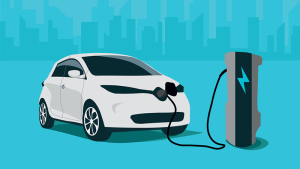
Electric vehicles (EVs) are a cornerstone of New Zealand’s decarbonisation strategy. The government has introduced a range of incentives, including rebates for EV purchases, exemptions from road user charges, and investments in charging infrastructure. These measures have led to a rapid increase in EV adoption, with over 120,000 EVs and plug-in hybrids now on New Zealand roads.
Expanding the charging network is a top priority, especially in rural areas where access has lagged behind urban centres. Partnerships between local businesses, councils, and charging providers are accelerating the rollout of fast chargers, making long-distance EV travel increasingly feasible.
Overcoming Barriers
Despite progress, challenges remain. The upfront cost of EVs is still a barrier for many households, and the supply of affordable second-hand EVs is limited. The government is addressing these issues through targeted subsidies and support for community-led EV sharing schemes.
Education campaigns are also crucial, dispelling myths about EV range and performance while highlighting the benefits of lower running costs and reduced emissions. As battery technology improves and prices fall, EVs are expected to become the default choice for new vehicle buyers.
Innovative Infrastructure for Sustainable Transport
Smart Design and Green Principles
Infrastructure development is fundamental to a sustainable transport system. New Zealand is investing in smart infrastructure that supports low-emission vehicles, public transport, and active modes. This includes dedicated bus and bike lanes, expanded rail networks, and the integration of green spaces into urban planning.
Intelligent traffic management systems are being deployed to optimise traffic flow, reduce congestion, and lower emissions. These systems use real-time data to adjust signals, manage incidents, and prioritise public transport vehicles.
Sustainability principles are being embedded in all new transport projects, ensuring that environmental impacts are considered from the outset. This approach not only reduces emissions but also creates more attractive and resilient communities.
The Role of Local Government
Local councils play a critical role in shaping transport infrastructure. Through district plans, by-laws, and procurement policies, they can prioritise sustainable modes, mandate charging infrastructure in new developments, and support shared mobility schemes.
Auckland’s Low Emissions Bus Roadmap and Wellington’s investments in cycling infrastructure are leading examples of local government leadership. These initiatives demonstrate how strategic planning and community engagement can drive meaningful change.
Freight, Aviation, and the Challenge of Heavy Transport
Decarbonising Freight
While much attention is focused on passenger transport, freight and logistics are significant sources of emissions. The government is promoting low-emissions freight options, including the electrification of trucks, investment in rail and coastal shipping, and the development of hydrogen and biofuel technologies.
Pilot projects in regions such as Taranaki and Southland are testing hydrogen-powered trucks and exploring the potential for green hydrogen production. Electrified rail and intermodal freight hubs are also being expanded to shift more goods off the road and onto cleaner modes of transport.
Aviation and Shipping
Decarbonising aviation and shipping is a complex challenge, given the current limitations of battery technology and the long distances involved. New Zealand is investing in research and development of sustainable aviation fuels, hybrid aircraft, and more efficient shipping technologies.
International collaboration is essential, as these sectors operate across borders and require global solutions. New Zealand’s leadership in sustainable aviation and shipping can position the country as a model for other island nations.
The Role of Māori and Multicultural Communities
Partnership and Co-Design
Upholding Te Tiriti o Waitangi is a foundational principle in New Zealand’s transport transition. Māori are not only stakeholders but partners in designing and implementing sustainable transport solutions. This includes co-governance arrangements, investment in marae-based transport initiatives, and support for Māori-owned transport enterprises.
Multicultural communities also play a vital role, bringing diverse perspectives and experiences to the table. Inclusive engagement ensures that transport solutions reflect the needs and aspirations of all New Zealanders.
Culturally Responsive Solutions
Transport projects are increasingly incorporating Māori design principles, such as kaitiakitanga (guardianship) and manaakitanga (hospitality). These values inform everything from the placement of bus stops to the design of cycling networks, creating systems that are both functional and culturally resonant.
Community-led initiatives, such as car sharing schemes and active transport programmes in migrant communities, are helping to bridge gaps in access and foster social cohesion.
Technology, Data, and Smart Mobility
Digital Transformation
The digital revolution is reshaping transport in New Zealand. Real-time data, artificial intelligence, and the Internet of Things are enabling smarter, more efficient, and more responsive transport systems. Smart traffic lights, predictive maintenance, and integrated mobility platforms are just a few examples of how technology is improving the user experience and reducing emissions.
Autonomous vehicles, while still in the early stages, hold promise for further reducing emissions and improving safety. Pilot projects in cities such as Tauranga and Christchurch are testing autonomous shuttles and delivery vehicles, paving the way for broader adoption.
Data-Driven Decision Making
Data analytics are central to planning and managing sustainable transport. By analysing travel patterns, emissions data, and infrastructure performance, policymakers can make informed decisions and track progress toward climate goals.
Open data initiatives are empowering communities, researchers, and businesses to develop innovative solutions and hold decision-makers accountable.
Community Engagement and Grassroots Innovation
The Power of Local Action
Community engagement is at the heart of New Zealand’s transport transformation. Grassroots initiatives, from school travel plans to neighbourhood cycling groups, are driving change from the ground up. These efforts are supported by government funding, technical assistance, and partnerships with local businesses.
Public consultations, citizen assemblies, and participatory budgeting are ensuring that community voices are heard in the planning and implementation of transport projects. This bottom-up approach builds trust, fosters innovation, and ensures that solutions are tailored to local needs.
Equity and Inclusion
A just transition to sustainable transport requires a focus on equity. Rural communities, low-income households, and people with disabilities face unique barriers to accessing sustainable transport options. Targeted subsidies, investment in regional infrastructure, and inclusive design are essential to ensure that no one is left behind.
Programmes such as Bikes in Schools, free community events, and subsidised public transport are making a tangible difference in expanding access and participation.
Challenges and Opportunities
Infrastructure and Investment
Building the infrastructure needed for a zero-carbon transport system requires significant investment and coordination. Ensuring that charging stations, public transport, and active transport networks are available nationwide is a complex task, particularly in a country with challenging geography and dispersed population.
Long-term planning, regulatory certainty, and public-private partnerships are key to overcoming these challenges and delivering lasting benefits.
Behavioural Change and Public Perception
Shifting from car dependency to sustainable modes of transport is as much a cultural challenge as a technical one. Public education, incentives, and demonstration projects are needed to build trust and enthusiasm for new ways of moving.
Campaigns highlighting the health, economic, and environmental benefits of sustainable transport can help to shift mindsets and encourage widespread adoption.
Technological Innovation and Market Dynamics
The rapid pace of technological change presents both opportunities and risks. Advances in battery technology, hydrogen production, and smart mobility could accelerate the transition, but also create uncertainty for investors and policymakers.
Supporting research and development, fostering innovation, and maintaining flexibility in policy are essential to navigating this dynamic landscape.
Vision for the Future
Integration and Collaboration
The future of transport in New Zealand will be defined by integration and collaboration. Seamless connections between public transport, active modes, and shared mobility will make sustainable travel the easy and attractive choice.
Collaboration between government, iwi, businesses, and communities will ensure that solutions are inclusive, resilient, and responsive to changing needs.
Global Leadership
By embracing sustainability, innovation, and equity, New Zealand can position itself as a global leader in zero-carbon transport. Sharing best practices, exporting technology, and participating in international partnerships will amplify the country’s impact and create new economic opportunities.
A Healthier, More Connected Society
Sustainable transport is about more than reducing emissions. It is about creating healthier, more connected, and more vibrant communities. By prioritising people, place, and planet, New Zealand can build a transport system that supports wellbeing for generations to come.
Summary
New Zealand’s journey to a zero-carbon transport future is a story of ambition, innovation, and collaboration. Through bold policy, technological progress, and the active engagement of communities, the nation is charting a path toward a cleaner, more equitable, and more resilient transport system.
The challenges are significant, from infrastructure investment to behavioural change, but the opportunities are even greater. By embracing sustainability at every level – from national strategy to local action – New Zealand can lead the world in building a transport system that honours its environment, serves its people, and secures its future.
For NZB News, this is Vinay Karanam, inviting all New Zealanders to be part of the journey toward a sustainable, zero-carbon Aotearoa.