

 Dorothy Brown
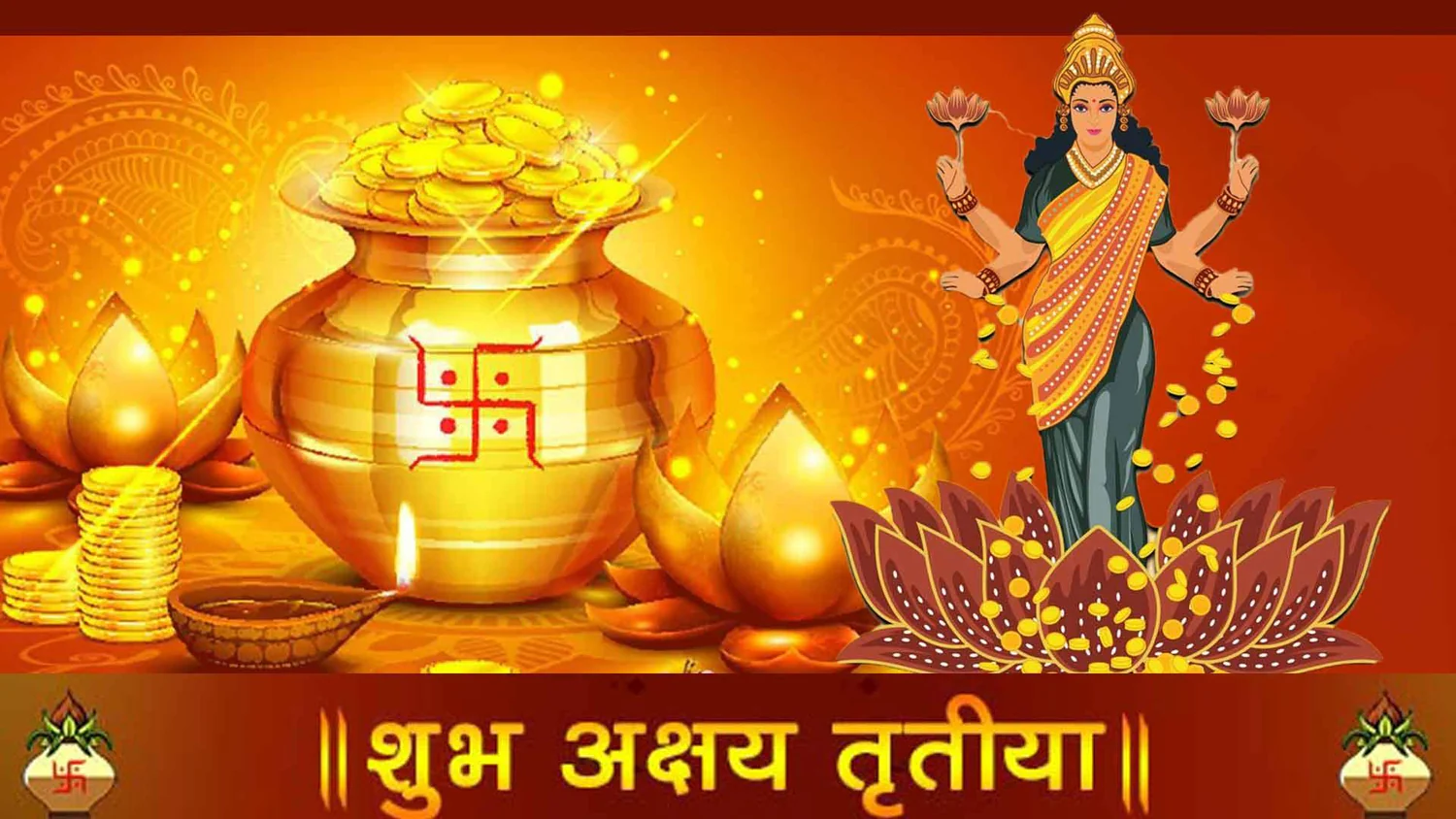
 Akshaya Tritiya, observed on the third lunar day of Vaisakha’s bright fortnight (30 April 2025), stands as one of the most auspicious occasions in Sanatana Dharma, embodying the promise of unending blessings and divine grace. Rooted in Vedic wisdom and scriptural teachings, this day intertwines material prosperity with spiritual elevation, offering devotees a sacred gateway to transcendence.
Auckland’s Srigandha Lepana: A Collective Spiritual Endeavour
For nearly three decades, Auckland’s devotees have gathered annually on Akshaya Tritiya to prepare fragrant chandan (sandalwood paste) through group efforts. Participants ritually grind sandalwood on stone slabs, chanting mantras to infuse the paste with divine energy. The paste is then offered to deities like Vishnu, Hanuman, and lineage gurus, symbolising devotion and unity. This practice mirrors the Madhwa tradition’s emphasis on Gandha Lepana as a form of sattvic surrender, where the cooling properties of sandalwood represent purification and inner peace.
The Auckland community’s initiative reflects a broader trend of diaspora groups preserving and innovating upon Bharat’s temple traditions. By engaging families in shared ritual labour-from grinding to offering-the event fosters intergenerational bonding and spiritual discipline.


Historical Practices in Bharat’s Temples and Mutts
The ritual of Srigandha Lepana finds profound resonance in Bharat’s sacred sites, where it has been integral to daily worship and festivals:
1. South Indian Temples: Puranic Foundations
- Tirumala Venkateswara Temple (Andhra Pradesh):
Sandalwood paste is offered to Lord Venkateswara daily, with Akshaya Tritiya witnessing special abhishekam (ritual bath) using chandan prepared by temple priests. The paste is later distributed as prasadam, believed to carry Vishnu’s blessings. - Udupi Sri Krishna Matha (Karnataka):
Founded by Madhvacharya, this matha emphasises Gandha Lepana to deities and saints. During Akshaya Tritiya, devotees participate in chandan preparation, honouring Madhva’s teachings on dasa bhakti (servitude to the divine).
2. North Indian Traditions: Syncretic Rituals
- Jagannath Temple (Puri, Odisha):
Sandalwood paste is applied to deities during Chandana Yatra, a 42-day festival coinciding with Akshaya Tritiya’s lunar phase. The ritual symbolises cosmic harmony and devotees’ spiritual cooling. - Kashi Vishwanath (Varanasi, Uttar Pradesh):
Chandan mixed with rose water is offered to Shiva lingams, reflecting the Skanda Purana’s injunction to use fragrance for invoking divine grace.
3. Mathas and Spiritual Lineages
- Sringeri Sharada Peetham (Karnataka):
Followers of Adi Shankaracharya perform Gandha Lepana to the guru’s vigraha (icon) on Akshaya Tritiya, emphasising the Advaita tenet of unity between devotee and divine. - Raghavendra Swamy Mutt (Mantralayam, Andhra Pradesh):
The annual Sandalwood Festival includes mass chandan preparation, with devotees applying paste to the saint’s samadhi. This practice, as noted in regional lore, is believed to grant akshaya punya (imperishable merit).
Spiritual Significance
The Matsya Purana (Chapter 68) extols sandalwood as a conduit for Vishnu’s shri (divine energy), while the Agni Purana (Chapter 20) prescribes its use for purifying worship spaces. The communal grinding of chandan embodies the Bhagavad Gita’s ideal of karma yoga-selfless action as worship.
Cosmic Beginnings: The Dawn of Treta Yuga
According to the Vishnu Purana, Akshaya Tritiya marks the commencement of Treta Yuga, the second cosmic age characterised by righteousness and divine order. This epoch saw the advent of Lord Rama, Vishnu’s seventh incarnation, reinforcing the day’s association with dharma’s triumph over adversity. The Skanda Purana further sanctifies the date, declaring that acts of piety performed on this day yield inexhaustible merit (akshaya punya), as the Sun and Moon radiate harmoniously to amplify spiritual energies.
Historical and Scriptural Significance
1. The Akshaya Patra: Divine Sustenance
The Mahabharata recounts how the Akshaya Patra, a celestial vessel bestowed by Surya (Sun God), sustained the Pandavas during their exile. When the sage Durvasa arrived with disciples after Draupadi had finished her meal, Krishna transformed three residual rice grains into a feast for thousands, illustrating the infinite abundance granted to the devout. This episode, occurring on Akshaya Tritiya, symbolises faith’s power to manifest providence.
2. Parashurama Jayanti: The Warrior-Sage’s Birth
Vishnu’s sixth incarnation, Parashurama, was born on this day, as per the Brahma Vaivarta Purana. His life-a blend of martial vigour and ascetic discipline-epitomises the balance between material duty and spiritual devotion, making the day ideal for initiating transformative endeavours.
3. Ganga’s Descent: Purification of the Earth
The Bhagavata Purana describes how King Bhagiratha’s penance brought the celestial Ganga to Earth on Akshaya Tritiya, cleansing ancestral souls and renewing life’s sanctity. Devotees honour ancestors through Tarpan rituals, offering water and sesame seeds to liberate departed souls.
4. Vyasa’s Mahabharata: Wisdom Eternalised
On this day, Maharishi Veda Vyasa began dictating the Mahabharata to Ganesha, as narrated in the Vayu Purana. This monumental work, containing 100,000 verses, enshrines eternal truths, reflecting the day’s role in preserving and disseminating divine knowledge.
Vedic Foundations and Ritual Practices
The Atharva Veda extols the Sun’s life-giving energy, central to Akshaya Tritiya’s solar alignment. The Garuda Purana prescribes Dana (charity) of gold, grains, or water to invoke Lakshmi’s blessings, while the Narada Purana emphasises fasting and Vishnu worship to dissolve past karma.
Key rituals include:
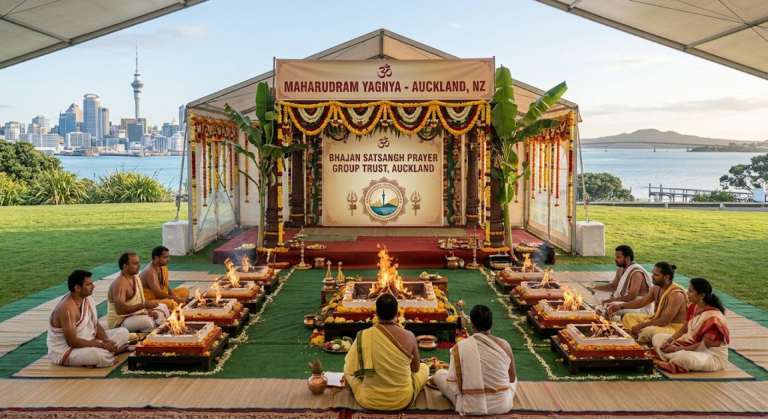
- Homa (Fire Rituals): Offering ghee and grains to Agni, symbolising the transmutation of desires into spiritual light.
- Jala Danam: Donating water vessels to alleviate thirst in subsequent births, as per the Matsya Purana.
- Swarna Daan: Gifting gold to kindle inner radiance and invoke Vishnu’s Sudarshana Chakra for protection.
Synthesis of Material and Spiritual Growth
Akshaya Tritiya’s dual focus emerges through:
- Artha (Wealth): Purchasing gold or property, believed to multiply prosperity when consecrated with mantras.
- Moksha (Liberation): Chanting Vishnu Sahasranama or Bhagavad Gita verses to awaken divine consciousness.
The Padma Purana asserts that even minor acts of devotion on this day-such as planting tulsi or feeding cows-secure Vishnu’s eternal grace.
Modern Relevance: A Blueprint for Holistic Living
In contemporary practice, Akshaya Tritiya bridges ancient wisdom and modern aspirations:
- New Ventures: Startups and weddings scheduled on this day seek blessings for enduring success.
- Environmental Stewardship: Planting trees or cleaning rivers honours the festival’s ecological ethos, rooted in scriptural reverence for nature.
- Social Harmony: Community feasts and donations to orphanages reflect the Upanishadic ideal of Vasudhaiva Kutumbakam (the world as one family).
Summary
Akshaya Tritiya transcends mere ritual, offering a cosmic blueprint for harmonising earthly pursuits with spiritual awakening. From the Mahabharata’s lessons in faith to the Ganga’s purifying flow, this day reminds humanity of its capacity to turn scarcity into abundance through divine alignment. For New Zealand’s Sanatana Dharma community and spiritual seekers worldwide, it remains a beacon of hope-a day where every grain of rice, every act of kindness, and every prayer becomes a seed of eternal prosperity.
Key Spiritual Practices:
- Meditation on Vishnu’s Forms: Visualise Lakshmi-Narayana to attract balanced abundance.
- Recitation of Akshaya Tritiya Mantras: “Om Namo Bhagavate Vasudevaya” for universal sustenance.
- Legacy Building: Establish scholarships or community kitchens to perpetuate the Akshaya Patra’s spirit.
As the Moon waxes on this sacred Tritiya, it illuminates the path to a life where material gains and spiritual liberation coexist-a testament to Sanatana Dharma’s timeless vision of holistic prosperity.























Awesome