 Tracey Beatrice
 The New Zealand government has announced a major defence investment, allocating NZ$2 billion in the upcoming budget to replace the Defence Force’s ageing fleet of maritime helicopters. This move comes as global security challenges intensify and New Zealand seeks to modernise its naval capabilities to better protect national interests and support international operations.
Why the Upgrade?
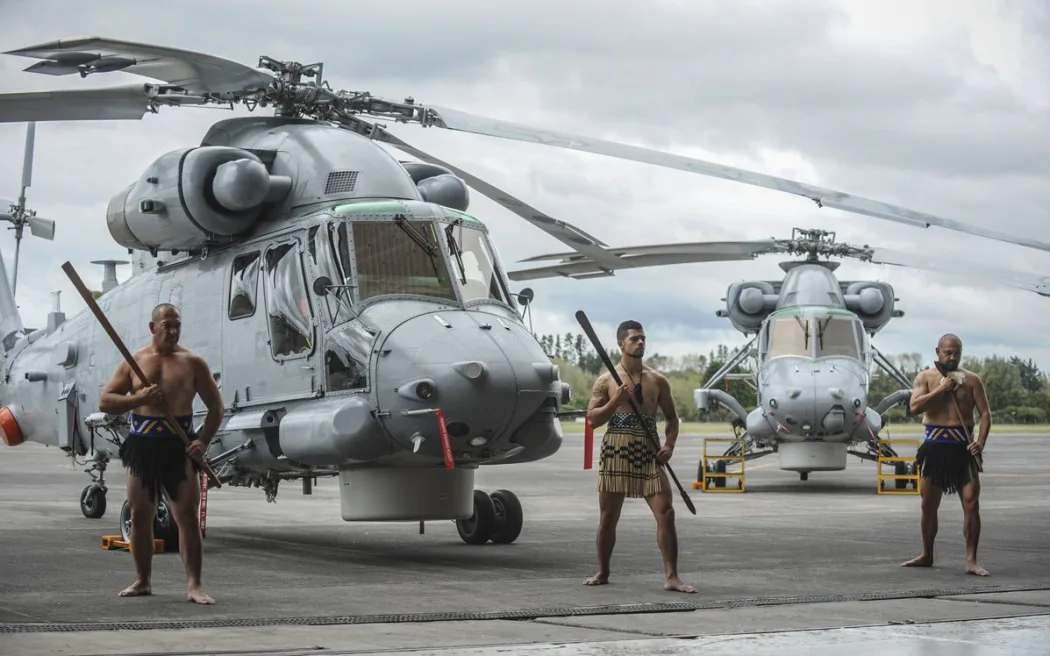
New Zealand’s current fleet of SH-2G(I) Seasprite helicopters, operated by No. 6 Squadron RNZAF, has been described as “worked to the bone.” Originally purchased second-hand and now nearing the end of their operational life, these helicopters are critical for extending the surveillance and combat reach of the Royal New Zealand Navy. They support a range of missions, including:
- Anti-surface and anti-submarine warfare
- Maritime patrol and surveillance
- Search and rescue
- Ship-to-shore transport
- Humanitarian assistance and disaster relief
Defence Minister Judith Collins emphasised that as a maritime nation, New Zealand must prioritise naval capability. The new helicopters will be able to fly further, carry heavier loads-including weapons, personnel, and equipment-and operate in more demanding conditions. This is seen as vital for both defence and non-combat roles such as disaster response.
Scope and Funding
The NZ$2 billion set aside for the helicopter replacement is part of a broader NZ$12 billion commitment to upgrade the Defence Force over the next four years. In addition to the helicopters, the government announced an annual increase of NZ$239 million over the next four years for Defence Force operations, personnel, and estate maintenance. This includes:
- Increased funding for Navy, Air Force, and Army operations
- Boosts to military personnel numbers
- Additional resources for international deployments and training
- Upgrades to accommodation, working, and training facilities
The government’s goal is to lift defence spending to 2% of GDP by 2032-33, up from just over 1% currently-a response to recommendations from the 2023 national security review and a recognition of New Zealand’s need to step up in a rapidly changing global environment.
What’s Next?
A business case for the new helicopters will be developed and considered by Cabinet before the end of the year. While the exact model has not been finalised, several international contenders are expected to compete for the contract, including platforms from Sikorsky, Leonardo, and Airbus. The new helicopters will replace the current fleet, which has already been reduced from eight to five operational aircraft, with three now used for spare parts.
The replacement programme may also include both crewed helicopters and uncrewed aerial systems, ensuring the Navy’s future fleet is versatile and future-proofed.
Strategic Importance
The upgrade will enhance the Navy’s ability to:
- Protect New Zealand’s maritime interests and exclusive economic zone
- Support international security operations with partners in the Indo-Pacific region
- Respond rapidly to humanitarian crises and natural disasters
- Maintain a credible presence in a region facing increased strategic competition
Defence leaders and government officials have made it clear: “There is no economic security without national security.” As global tensions rise and New Zealand is called upon to play a more active role in regional and global security, having modern, capable maritime helicopters is seen as essential.
Summary
New Zealand’s decision to invest over $2 billion in new maritime helicopters marks a significant step in strengthening national defence and adapting to a more uncertain world. The new aircraft will provide greater range, payload, and operational flexibility, ensuring the Defence Force is ready to meet both current and future challenges at sea and beyond. The investment signals a new era for New Zealand’s Navy and a renewed commitment to security in the Pacific and beyond.
If you’d like more details on the contenders for the new helicopter fleet or the broader Defence Capability Plan, feel free to ask.