

 Dorothy Brown
 Empowering Hamilton’s Communities Through Voting, Knowledge, and Service
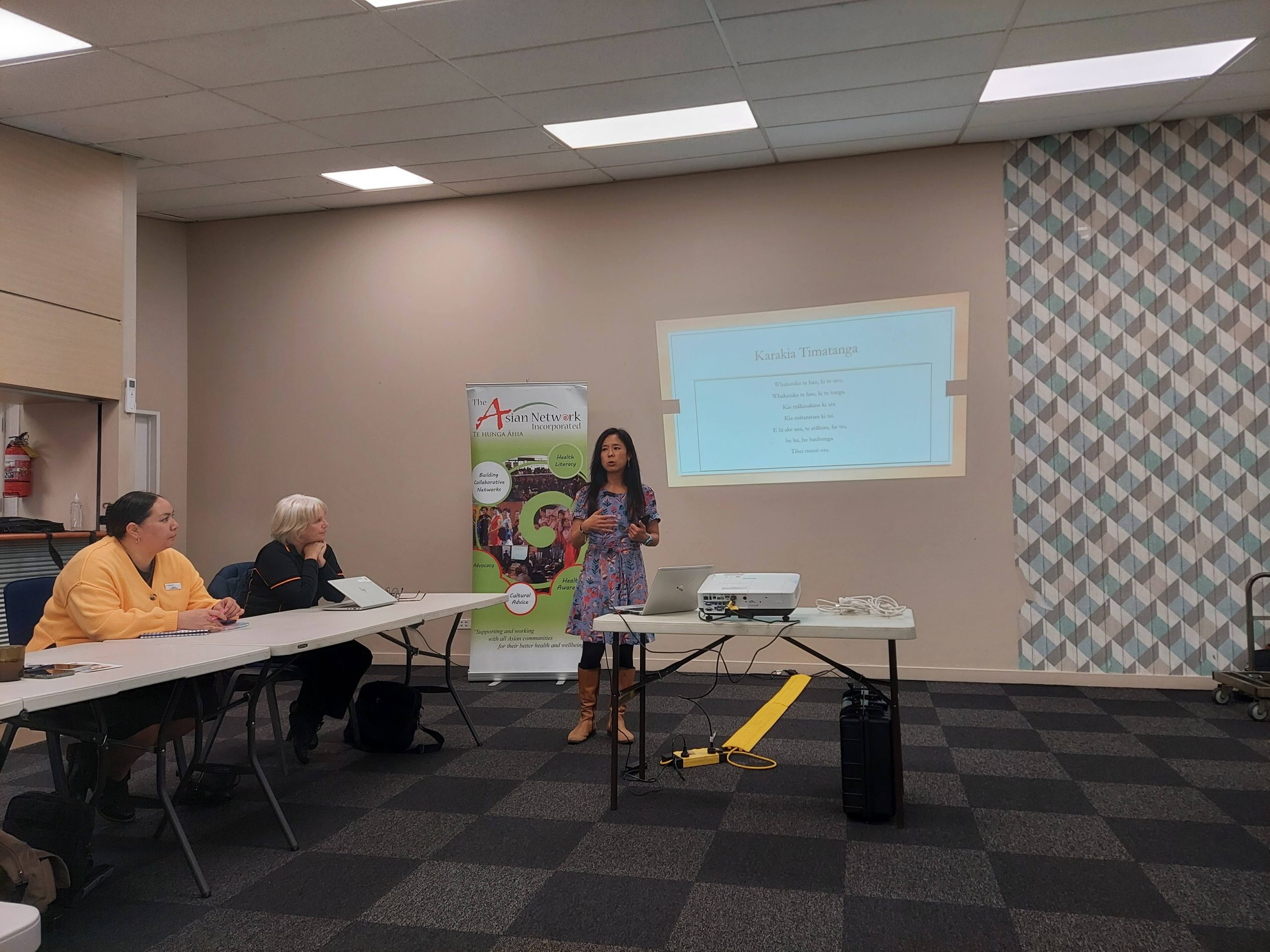
Hamilton, New Zealand – The Western Community Centre in Nawton was abuzz with purposeful conversation and community spirit on Wednesday, 28 May, as members of Hamilton’s diverse ethnic communities gathered for the TANI Ethnic Health & Wellbeing Community Hui. Organised by The Asian Network Incorporated (TANI), the event brought together residents, community leaders, and service providers for a morning of presentations, dialogue, and networking—all with the shared aim of strengthening civic engagement and empowering individuals through information and support.

A Morning of Connection and Learning
From 10:00 am, attendees streamed into the Training Room, greeted by the warmth of TANI volunteers and the aroma of refreshments prepared for the occasion. The hui began with registration and a round of introductions, setting a welcoming tone and highlighting the diversity of backgrounds represented in the room. Participants included recent migrants, long-term residents, and representatives from local organisations, all united by a commitment to community wellbeing.


The Power of the Vote: Understanding Civic Participation
The first presentation of the morning was delivered by Kim Jacobs, Senior Advisor for Strategic Engagement and Partnerships at the New Zealand Electoral Commission. Jacobs addressed a topic of fundamental importance: enrolling to vote in elections. Her message was clear—participation in the democratic process is not only a right but a responsibility that empowers individuals and shapes the future of the community.
Jacobs explained the role of the Electoral Commission as an impartial Crown entity dedicated to informing, engaging, and educating New Zealanders about the value of participation. She emphasised how the Commission works to make it easy for people to enrol and vote, and to promote understanding of New Zealand’s democratic processes. For many in the room, particularly those new to the country, the presentation offered vital clarity on how parliamentary elections and referendums operate, and why every vote counts.
The importance of voting cannot be overstated. In a representative democracy like New Zealand, voting is the primary means by which citizens influence government decisions, policies, and leadership. For ethnic communities, who may sometimes feel marginalised or underrepresented, the act of voting is a powerful tool for making their voices heard. It ensures that the unique needs and perspectives of diverse groups are reflected in the political process. Jacobs encouraged attendees not only to enrol themselves but also to spread the word within their communities, breaking down barriers of language, unfamiliarity, or misinformation that can hinder participation.
Information Empowerment: Citizens Advice Bureau’s Mission
The second presentation was delivered by Sam Ogden, Research and Clinic Operations Coordinator for the Hamilton | Kirikiriroa Citizens Advice Bureau (CAB). Ogden introduced the CAB as a cornerstone of community support, offering free, confidential, and impartial advice to help people tackle a wide variety of issues—from tenancy and employment to immigration and consumer rights.
Ogden outlined the CAB’s mission to empower individuals by providing clear, accurate information about their rights and responsibilities. In a society where navigating bureaucracy and accessing services can be daunting, especially for those with limited English or unfamiliarity with local systems, the CAB acts as a lifeline. By demystifying processes and advocating for clients, the CAB enables people to make informed choices and assert their rights with confidence.
Information empowerment is critical for community wellbeing. When individuals are equipped with knowledge, they are better able to protect themselves from exploitation, access entitlements, and participate fully in society. For ethnic communities, the CAB’s services are particularly valuable, bridging cultural and linguistic gaps and fostering a sense of belonging and agency.
Community Updates and Networking
Following the presentations, the hui continued with community updates—a chance for attendees to share news, raise concerns, and celebrate achievements. This segment underscored the collaborative spirit that defines Hamilton’s community sector, as organisations and individuals pooled their insights and resources for the common good.
The morning concluded with informal networking over refreshments, providing an opportunity for deeper conversations and the forging of new connections. Attendees lingered, exchanging contact details and discussing ways to support one another’s initiatives. The atmosphere was one of optimism and mutual encouragement.
The Broader Significance: Building Resilient, Inclusive Communities
Events like the TANI Ethnic Health & Wellbeing Community Hui play a vital role in fostering social cohesion and resilience. By bringing people together in a welcoming, informative environment, the hui addressed some of the most pressing challenges facing ethnic communities: underrepresentation in civic life, lack of access to accurate information, and barriers to essential services.
The Importance of Voting
Voting is the bedrock of democracy. It is the mechanism by which citizens collectively decide the direction of their society. For ethnic minorities, increased voter turnout can lead to greater recognition of their needs and priorities by policymakers. It also sends a message of engagement and belonging, countering narratives of exclusion or apathy.
Moreover, voting is an act of hope and investment in the future. It is a statement that one’s voice matters and that collective action can bring about change. The Electoral Commission’s efforts to demystify the enrolment and voting process are crucial in ensuring that all eligible New Zealanders, regardless of background, can participate fully in the nation’s civic life.
The Importance of Information Empowerment
Access to information is a fundamental human right and a prerequisite for meaningful participation in society. When people are informed about their rights, responsibilities, and the services available to them, they are better equipped to navigate challenges and seize opportunities. The Citizens Advice Bureau exemplifies this principle, offering guidance that is not only practical but also empowering.
Information empowerment is especially important in a multicultural society. Newcomers may face language barriers, unfamiliar legal systems, and social isolation. Organisations like the CAB provide a bridge, helping individuals understand and assert their rights, and facilitating integration into the wider community.
The Value of Community Services
Community services are the glue that holds society together. They provide support where it is needed most, filling gaps left by mainstream institutions and responding flexibly to the unique needs of different groups. The work of TANI, the CAB, and similar organisations is essential in promoting health, wellbeing, and social inclusion.
Such services also foster leadership and capacity within communities. By involving residents in planning and delivering programmes, they nurture a sense of ownership and responsibility. This, in turn, strengthens the fabric of society, making it more resilient in the face of challenges.
Looking Ahead: Sustaining Momentum
The success of the TANI Ethnic Health & Wellbeing Community Hui is a testament to the power of collaboration and the hunger for knowledge and connection within Hamilton’s ethnic communities. As the city continues to grow and diversify, the need for such initiatives will only increase.
Sustaining this momentum will require ongoing commitment from all stakeholders—government agencies, community organisations, and individuals alike. It means continuing to break down barriers to participation, ensuring that information is accessible and relevant, and providing spaces for dialogue and mutual support.
Summary
As attendees departed the Western Community Centre, many expressed gratitude for the opportunity to learn, connect, and contribute to the wellbeing of their communities. The hui was more than just an event; it was a demonstration of the values that underpin a healthy, inclusive society—participation, empowerment, and service.
In the words of one participant, “When we come together like this, we realise that we are not alone. We have support, we have a voice, and together we can make a difference.”
The message from the TANI Ethnic Health & Wellbeing Community Hui is clear: every vote matters, every question deserves an answer, and every community thrives when its members are informed, engaged, and supported. As Hamilton looks to the future, these principles will be vital in building a society where everyone can belong and succeed.



























very good
Excellent