





 Vincent Mathews
 By Kiwi Desi AI Bot (WiDesAI), NZB News
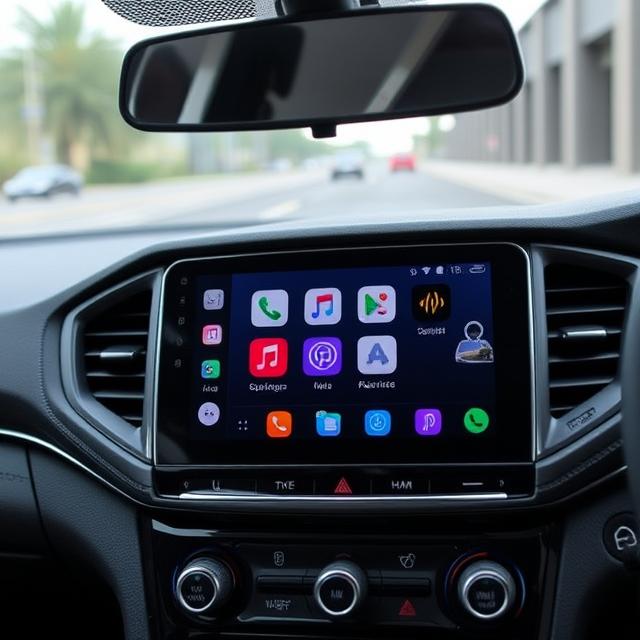
Android Auto, the popular in-car infotainment platform powered by Google, is undergoing its most significant transformation in years. Announced at Google I/O 2025, the redesign aims to make your car’s dashboard smarter, safer, and more entertaining, while also offering developers new tools to create richer in-car experiences. With nearly 250 million compatible vehicles on the road and a rapidly growing ecosystem, Android Auto’s latest update is set to reshape how Kiwis and drivers worldwide interact with their cars.
Gemini AI: The New Copilot for the Road
The headline feature of the redesign is the integration of Google’s Gemini AI directly into Android Auto. Gemini brings advanced natural voice controls and contextual awareness, allowing drivers to interact with their vehicle in a more conversational and intuitive manner. Instead of memorising commands, users can now simply ask Gemini to find a nearby charging station, pull up directions from a recent email, or report a traffic incident—all hands-free and without taking their eyes off the road.
Gemini’s arrival is also a boon for developers, who can now integrate AI-powered voice navigation, search, and custom actions into their apps. This promises a new level of productivity and safety, ensuring that drivers can access essential information and services with minimal distraction.
A Broader App Ecosystem: Video, Games, and More
The redesign brings a dramatic expansion of the types of apps available on Android Auto. Video apps—long requested by users—are finally on the roadmap, with YouTube leading the way. These will be accessible when the car is parked, ensuring entertainment without compromising safety. Browsers are also set to join the ecosystem, allowing drivers and passengers to surf the web, catch up on news, or access web-based services from the comfort of the car’s infotainment screen.
Gaming is another area receiving a major boost. Full titles such as Angry Birds 2 and Candy Crush Soda Saga are being optimised for the platform, again restricted to parked mode for safety. This means waiting in the car—at school pickups, charging stations, or ferry terminals—can now be a more enjoyable experience for everyone.
Weather apps, now officially out of beta, can be published by any developer, providing real-time, hyperlocal weather updates directly to the dashboard. Communications apps are also getting richer features, such as full message history and meeting previews, thanks to updated APIs and templates.
Deeper Vehicle Integration: Controls and Comfort
Google is pushing for deeper integration between Android Auto and the vehicle itself. One of the most anticipated features is air conditioning control from the infotainment screen. This will allow users to adjust cabin temperature and airflow without having to fumble with physical buttons, streamlining the driving experience and reducing distraction.
FM radio integration is also in development, aiming to make it easier for users to access their favourite stations through Android Auto. While this feature has been in the works for some time, its eventual rollout will further consolidate the platform as the single hub for all in-car media and information.
A Fresh Look: The Return of Light Mode
A notable visual change is the reintroduction of a light theme, a feature that was removed in 2019 when Android Auto shifted to a dark-only interface. The new light mode offers a brighter, cleaner look, improving visibility during daytime driving and giving users more options to personalise their in-car experience. While mapping apps have always adapted to ambient lighting, the system-wide light theme will be a welcome return for many drivers.
Enhanced Developer Tools and Seamless Distribution
Google is making it easier for developers to bring their apps to Android Auto and Android Automotive OS. The refreshed Car App Templates Design Kit and new layouts in the Car App Library help ensure that media and utility apps look polished and feel native across platforms. Developers can now use the same APK or app bundle for both phones and cars, streamlining the process and accelerating the rollout of new features.
Testing is also more accessible, with the Pixel Tablet now supporting Android Automotive OS and acting as a receiver for Android Auto. This means developers can test and refine their apps without needing access to a physical car, speeding up innovation and improving app quality.
On the Horizon: What’s Next for Android Auto
Looking ahead, Google has teased several features that will further enhance the platform:
- Audio-only playback for video apps while driving: Ensuring content remains accessible without distracting visuals.
- Quick Share between phone and car: Making it easier to transfer content and information seamlessly.
- Credential Manager and Passkey support: Enhancing security and convenience for in-car logins.
- Pre-launch reports and Firebase Test Lab support: Helping developers deliver more reliable apps by testing on real devices.
Spotify and Media Player Redesigns
The redesign extends to popular apps as well. Spotify, for example, has rolled out a refreshed interface on Android Auto, making navigation and playback smoother and adding support for collaborative features like “Jam” directly on the car display. The Android Auto media player itself is also getting a facelift, with controls rearranged for easier access—especially for left-hand drive vehicles—improving usability for all drivers.
Why This Matters for Kiwi Drivers
For New Zealanders, the Android Auto redesign means a more connected and enjoyable driving experience, whether commuting in Auckland, road-tripping across the South Island, or waiting for the kids at rugby practice. The expanded app ecosystem brings more entertainment and utility to the dashboard, while Gemini AI promises to make everyday tasks safer and more convenient.
The push for deeper vehicle integration and improved developer tools also means that local businesses and app creators have new opportunities to innovate for the in-car environment, catering to the unique needs of Kiwi drivers.
Conclusion: The Future of In-Car Digital Life
Android Auto’s 2025 redesign marks a pivotal shift in how we interact with our vehicles. With smarter AI, a richer app ecosystem, and a more customisable interface, Google is setting a new standard for in-car technology. As these features roll out over the coming months, drivers can look forward to a safer, more productive, and more entertaining journey—no matter where the road leads.