 Dr. Shirish
 By Dr. Shirish Narsapur, Orthopaedic Surgeon and Sports Medicine Consultant
In recent years, orthopaedic care in New Zealand has undergone a quiet revolution, driven by technological innovation, patient-centred approaches, and an increasing focus on preventative strategies. As lifestyle-related musculoskeletal conditions rise and an ageing population places greater demand on healthcare systems, specialists like orthopaedic surgeons are adapting rapidly to meet evolving clinical needs.
Dr. Shirish Narsapur, a practising orthopaedic surgeon and sports medicine consultant operating across multiple centres in New Zealand and India, observes that modern orthopaedics is no longer solely about surgical intervention. “We’re shifting from reactive treatment to proactive management,” he explains. “The emphasis now is on early diagnosis, conservative therapies, and minimally invasive techniques that allow faster recovery and better long-term outcomes.”
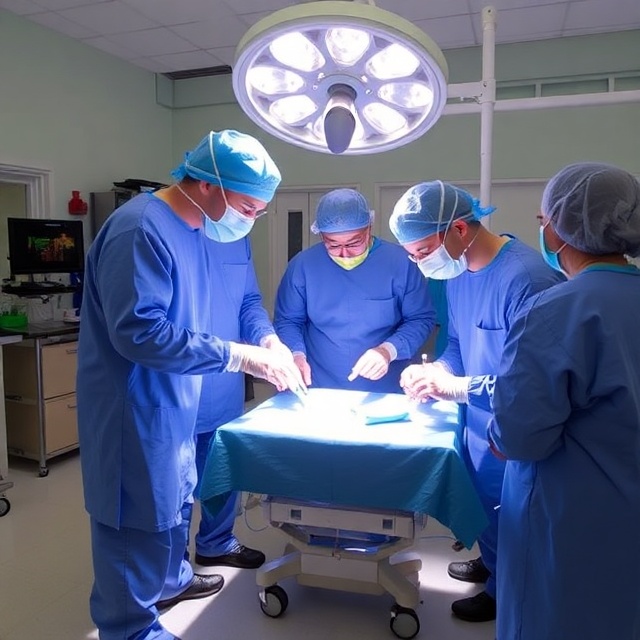
One of the most significant advances has been the integration of robotic-assisted surgery in joint replacements. Hospitals in major centres such as Auckland, Wellington, and Christchurch have begun adopting robotic platforms for total knee and hip arthroplasties. These systems allow for precise bone preparation and implant placement, tailored to individual anatomy. Early data suggests improved alignment, reduced complications, and enhanced patient satisfaction.
Equally transformative is the use of biologics in sports medicine. Platelet-rich plasma (PRP) therapy and stem cell injections are increasingly used to treat tendon injuries, early osteoarthritis, and ligament damage—particularly among active adults and athletes. While still considered adjunctive in public healthcare, these treatments are gaining traction in private clinics, supported by growing clinical evidence and patient demand.
Rehabilitation protocols have also evolved. Dr. Narsapur highlights the importance of multidisciplinary care, involving physiotherapists, sports scientists, and pain specialists. “Recovery isn’t just about the surgery—it’s about the entire journey. We now use wearable sensors and telehealth platforms to monitor progress remotely, ensuring patients stay on track without frequent clinic visits.”
Another emerging trend is the focus on youth sports injuries. With rising participation in rugby, netball, and football, paediatric and adolescent orthopaedic concerns—such as ACL tears and overuse injuries—are on the rise. Prevention programmes incorporating neuromuscular training and biomechanical screening are being introduced in schools and sports clubs, particularly in regions like Waikato and Canterbury.
Public health data from the Ministry of Health shows that musculoskeletal conditions account for nearly 15% of all primary care consultations. Osteoarthritis, back pain, and fractures remain the most common diagnoses. However, access to specialist care varies significantly between urban and rural communities. Telemedicine and mobile clinics are helping bridge this gap, though workforce shortages in orthopaedic services persist.
Dr. Narsapur also underscores the importance of cultural competence in treatment delivery. “In Aotearoa, we serve diverse communities, including Māori and Pasifika populations who experience higher rates of joint disease and delayed referrals. Culturally sensitive education and outreach are essential to ensure equitable care.”
Training and upskilling remain central to the field’s progress. New Zealand’s orthopaedic training programme, administered through the New Zealand Orthopaedic Association in collaboration with the Royal Australasian College of Surgeons, continues to produce highly skilled specialists. International collaborations and research partnerships further enhance clinical standards.
As the field moves forward, the integration of artificial intelligence in diagnostic imaging, predictive analytics for surgical outcomes, and personalised rehabilitation plans is expected to play a growing role. For patients, this means more accurate diagnoses, shorter wait times, and treatments customised to their unique physiology and lifestyle.
The future of orthopaedics in New Zealand lies in balancing innovation with accessibility—ensuring that cutting-edge care reaches not only those in metropolitan centres but also rural and underserved populations. With dedicated professionals at the helm, the trajectory points toward a more resilient, responsive, and inclusive musculoskeletal healthcare system.
Summary: Advances in robotic surgery, biologics, and preventative care are transforming orthopaedic treatment in New Zealand, with a growing emphasis on equity, technology, and holistic patient management.