

 Lara Zijl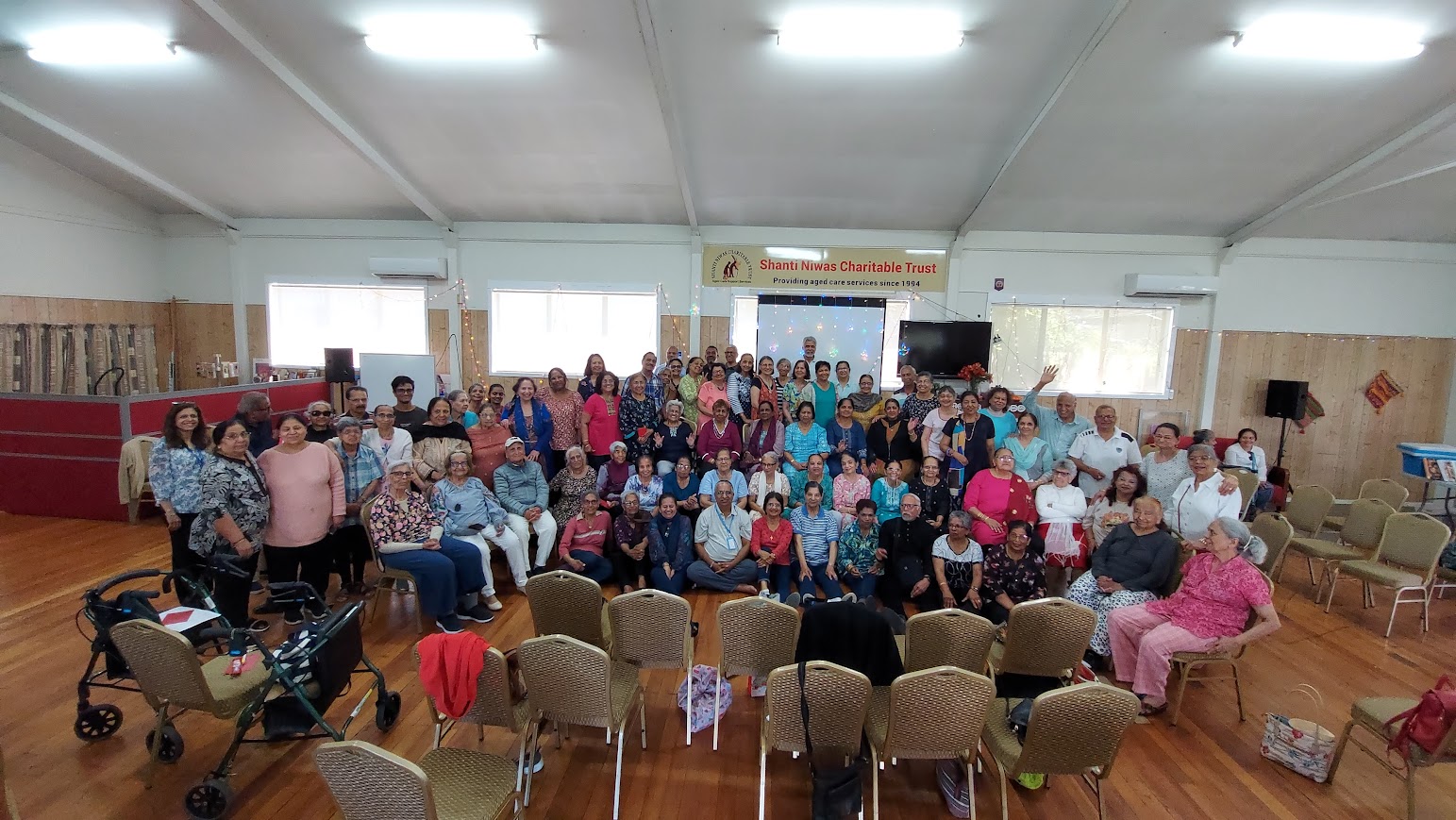
In a rapidly evolving digital landscape, where online safety, productivity, and access to essential digital tools have become indispensable, the Digital Learning Program by Matakite Online Trust stands as a beacon of empowerment. Spearheaded by Dr. Vinay Karanam for Matakite Trust, this initiative, in collaboration with and for the Shanti Niwas Charitable Trust, has significantly impacted over 300 community members. The program’s holistic approach to digital education includes training on online safety, scam avoidance, digital wellbeing, productivity tools, government e-services, and access to free entertainment, among other key areas.
The Vision and Mission of Matakite Online Trust
Matakite Online Trust is committed to bridging the digital divide in New Zealand’s communities, co-founded by Cr. Heather Newell, Dr. Reginald Newell and Dr. Vinay Karanam. Its core mission is to equip individuals, especially the elderly and vulnerable populations, with the skills and knowledge required to navigate the complexities of the online world safely and confidently. Heather Newell’s leadership has been instrumental in shaping a curriculum that addresses the real-world challenges faced by people with limited digital literacy.
The vision extends beyond mere technical competence; it aims to foster a culture of digital wellbeing and productivity. By addressing the dangers of online scams, promoting online safety, and introducing participants to valuable tools and services, Matakite Online Trust seeks to create a generation of responsible, well-informed digital citizens.

Key Objectives of the Program
- Online Safety and Scam Avoidance: Participants are educated on recognizing online threats, phishing attempts, and scam tactics. The training focuses on practical strategies to identify suspicious emails, fraudulent messages, and deceptive websites.
- Digital Wellbeing: Digital wellbeing focuses on mental health in the digital era. The program highlights the dangers of screen addiction and provides strategies for maintaining a balanced approach to technology use.
- Online Productivity Tools: Trainees are introduced to popular productivity tools such as Google Workspace (Docs, Sheets, Drive) and Microsoft Office Suite (Word, Excel, PowerPoint) to improve efficiency in personal and professional settings.
- Access to Government Services: Navigating government services online can be daunting for many, especially older adults. This module introduces participants to key platforms like Inland Revenue, Work and Income, and MyMSD to facilitate access to essential services.
- Cool Apps and Free Entertainment Sources: With a growing number of apps and entertainment platforms available online, participants are guided on how to access safe, legal, and free entertainment platforms. From online radio stations to video streaming platforms, they are introduced to enjoyable and educational content.
Program Design and Delivery
The design of the Digital Learning Program reflects the unique needs of the community. Recognising that learners come from diverse backgrounds with varying levels of digital literacy, the program employs a step-by-step, hands-on approach. Each session is tailored to ensure participants grasp the fundamental concepts before moving on to more advanced topics. Several volunteers participated and gave one-on-one personalised tutoring for several of the participants. Roopa Chandan an accounting expert, Pradeep Ramakrishnan a project management professional, Karthik Ram a cybersecurity specialist and Supun Caldera a financial expert, and others added other layers of digital literacy for the older adults.
- Workshops and Interactive Sessions: The training is conducted in workshop-style sessions, where participants can engage with trainers and ask questions in real time. This interactive format enhances understanding and retention.
- Multilingual Support: Given New Zealand’s diverse communities, the program offers support in multiple languages, enabling participants from non-English-speaking backgrounds to benefit fully.
- One-on-One Support: For those requiring additional help, the program offers one-on-one mentoring sessions to address specific concerns or difficulties faced by individual participants.
- Practical Demonstrations: Real-life scenarios are demonstrated to help participants identify scams and other threats. Simulated phishing emails and mock scam calls are used to improve detection skills.
Impact and Community Feedback
The impact of the program has been transformative. Over 300 participants have reported increased confidence in using digital devices, accessing government services, and identifying scams. Elderly participants, in particular, have found value in learning how to avoid falling prey to online scams, a rising threat in today’s digital world.
Testimonial from Participants
“Before attending the sessions, I didn’t know how to recognize scam emails. I’ve since learned to spot them instantly. I’m so much more confident when I’m online.” — A participant from Shanti Niwas Charitable Trust.
“Accessing government services was a struggle for me. Now I’m able to submit forms and check my status online without having to visit an office. It’s a real time-saver.” — Another participant’s feedback.
Key Takeaways for Participants
- Cybersecurity Awareness: Practical tips to avoid scams, spot phishing attempts, and protect personal information online.
- Digital Productivity: Mastery of essential productivity tools like Google Docs, Sheets, and Microsoft Word, enhancing employability and efficiency.
- Access to Essential Services: Simplified access to crucial government e-services such as ManageMyHealth, BeeCard, AT Card, MyMSD, ensuring faster service delivery.
- Digital Wellbeing: A healthier relationship with technology, minimizing screen addiction and promoting positive online behavior.
Challenges Faced and Overcoming Them
While the program’s impact is undeniable, several challenges were faced in its implementation, including:
- Digital Divide: Some participants had limited access to devices or stable internet. This challenge was mitigated by providing access to shared devices during sessions.
- Language Barriers: Addressed through multilingual support and visual aids, allowing non-English-speaking participants to follow along with ease.
- Resistance to Change: Overcoming fear and reluctance among older participants to engage with technology was achieved through patient, empathetic trainers and success stories from past participants.


Sustainability and Future Goals
The Matakite Online Trust, led by Dr. Vinay Karanam and Heather Newell, aims to expand the program to reach more communities in New Zealand. By partnering with local trusts, government agencies, and social service organizations, the goal is to increase the digital literacy rate, particularly among the elderly, vulnerable, and marginalized groups.
Future objectives include:
- Online Learning Platform: The development of an online platform for self-paced learning, allowing participants to revisit lessons and tutorials at their convenience.
- Expansion of Course Content: Adding new topics like cryptocurrency awareness, advanced productivity tools, and the safe use of social media.
- Community Mentors: Training former participants to become community mentors, fostering a peer-learning environment that builds trust and relatability.
The Digital Learning Program by Matakite Online Trust is more than just a digital literacy initiative; it’s a movement towards creating a safer, more connected, and digitally confident community. Under the visionary leadership of Heather Newell and Dr. Vinay Karanam, and with the help of several volunteers Roopa Chandan, Pradeep Ramakrishnan, Karthik Ram, Supun Caldera and others, this program has empowered over 300 participants with essential skills in online safety, scam avoidance, and productivity tools. By fostering a culture of digital wellbeing, the initiative addresses the root causes of digital anxiety and exclusion.
As the program continues to grow, its potential for societal impact remains immense. By bridging the digital divide, it contributes to a more equitable digital future for New Zealand. The collaboration with Shanti Niwas Charitable Trust has demonstrated how community-driven initiatives, when guided by passionate leadership, can transform lives, strengthen communities, and create a future-ready society.








Can’t thank Dr. Vinay enough for his patience and especially teaching in Hindi. I live in India and join his session at early mornings 5am, just to learn from him. Have been his student for past 4 years now.
I, Mrs.Mary Varghese, is a 2nd yr. Student of OnLine Class about Mobile Usage at Old age level of People !To talk sbout our Instructor, Mr.Vinay is such a Humanbeing took all the trouble 2 travel from Hamilton 2 Onehunga 2 teach us ! Furing this Course, V have learnt many things starting from Cameras ending on how 2 create Albums on phone ! Our journey was very great & V hav learnt many things on Mob. I appreciate the hard work & patience of Mr. Vinay ! He really deserves any promotions of his Carrear by his Employer ! I wish him the Best & looking 4 ward 4the 3rd year Course !I also yhank Shanti Nivas group, 4 organising such a worthy Course 4 people at this age !Vinay is allways with a smile attending 2 the aged, nt getting irritated, that is the Best Quality i found in him !
Matakite trust,sphereheaded by Dr.Vinaykumar is doing a digital revolution in Senior citizens life by learning different apps,different tools to operate, Vast topics have been covered which are useful in our daily life,Iam verymuch benefitted by online courses and can cofidently handle now.I express my sincere thanks to Dr.Vinaykumar for his patience to explain on each topic and also I express sincere thanks to Matakite trust for giving us this opportunity to learn and implementing in our daily use.