
 Dorothy Brown
  Lara Zijl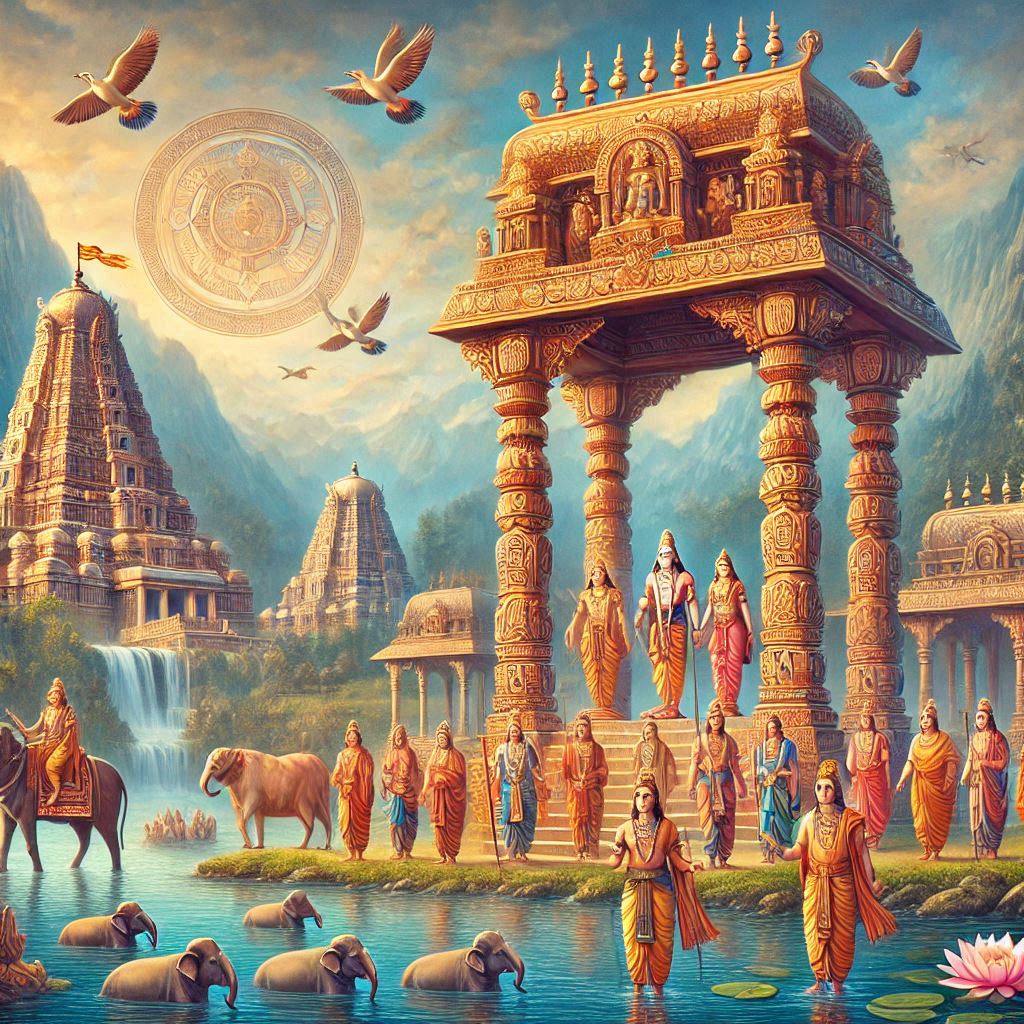
Bharat, the timeless land of sages and seers, finds its spiritual roots deeply embedded in the Vedas. These ancient scriptures are not merely texts; they are the foundation of Indian philosophy, spirituality, and culture. Often referred to as “Shruti” (that which is heard), the Vedas have been transmitted orally for millennia, ensuring their sanctity and continuity across generations.
In this first article of the “Bharat Is Not for Beginners” series, we delve into the essence of the Vedas, exploring their origin, structure, teachings, and relevance in the modern world.
The Origins of the Vedas
The Vedas are believed to have been composed over 3,000 years ago, making them some of the oldest religious texts in human history. Scholars often place their origins between 1500 BCE and 500 BCE during what is known as the Vedic period. However, for many adherents, the Vedas are timeless and eternal, revealed to ancient sages (rishis) during deep meditative states.
These scriptures were composed in Vedic Sanskrit, a language that is as precise as it is poetic. The oral tradition, accompanied by rigorous memorisation techniques, ensured the flawless preservation of these texts for millennia before they were finally written down.
The Structure of the Vedas
The Vedas are divided into four main collections, each serving a unique purpose:
- Rigveda: The oldest and most significant of the Vedas, the Rigveda consists of 1,028 hymns (sūktas) dedicated to various deities. It is primarily a collection of praises and invocations that celebrate natural forces like Agni (fire), Indra (rain and thunder), and Varuna (cosmic order).
- Yajurveda: This Veda focuses on rituals and sacrifices, providing prose instructions for performing Vedic ceremonies. It serves as a guide for priests conducting yajnas (ritual offerings).
- Samaveda: Known as the “Veda of Melodies,” the Samaveda transforms Rigvedic hymns into musical chants. Its emphasis on harmony and rhythm showcases the intrinsic link between spirituality and the arts in Bharat.
- Atharvaveda: Often considered the most diverse, the Atharvaveda includes hymns, spells, and incantations addressing everyday concerns like health, prosperity, and protection from evils.
Each Veda is further divided into four parts:
- Samhitas: Collections of hymns and mantras.
- Brahmanas: Prose texts explaining the rituals.
- Aranyakas: “Forest treatises” meant for meditative practices.
- Upanishads: Philosophical discourses exploring the nature of reality and the self.
Core Teachings and Philosophy
The Vedas are not limited to religious practices; they encompass a vast spectrum of knowledge, from cosmology and ethics to medicine and governance. Here are some of their key teachings:
- Dharma: The concept of righteous duty, encompassing personal, social, and cosmic orders.
- Rta: The universal principle of truth and order, which later evolved into the concept of karma.
- Unity in Diversity: The Vedas celebrate the plurality of existence, acknowledging multiple paths to the divine.
- Yajna: The act of selfless sacrifice, symbolising the interconnectedness of all life.
- Aham Brahmasmi: A profound Upanishadic teaching, meaning “I am Brahman,” encapsulates the idea of the individual self being one with the universal consciousness.
The Relevance of the Vedas Today
In a world grappling with materialism and conflict, the Vedas offer timeless wisdom that transcends cultural and temporal boundaries. Their emphasis on harmony, self-awareness, and interconnectedness resonates deeply in contemporary times.
- Ecological Consciousness: Vedic hymns often personify natural forces, advocating a reverence for nature that aligns with modern environmentalism.
- Holistic Health: The Vedas provide the foundation for Ayurveda, one of the oldest systems of medicine that emphasises balance and well-being.
- Universal Spirituality: The Vedic approach to spirituality—inclusive, non-dogmatic, and experiential—appeals to seekers across the globe.
- Arts and Sciences: From the mathematical precision of Vedic chants to their influence on Indian classical music and dance, the Vedas continue to inspire creativity and intellectual pursuit.
Challenges in Understanding the Vedas
For beginners, the Vedas can appear esoteric and complex. Their ancient language, layered symbolism, and ritualistic focus may seem distant from modern sensibilities. However, with the aid of translations, commentaries, and modern interpretations, the essence of the Vedas can be made accessible to all.
Preserving the Vedic Legacy
The oral tradition of the Vedas is a UNESCO-recognised Intangible Cultural Heritage of Humanity. Efforts are ongoing in Bharat and globally to ensure that this legacy is preserved through digitisation, academic research, and the continuation of traditional learning methods in gurukulas (ancient schools).
Excerpt
The Vedas are more than ancient texts; they are living traditions that continue to shape the spiritual and cultural ethos of Bharat. They remind us that true knowledge is not merely intellectual but experiential, and that the quest for truth is as relevant today as it was thousands of years ago.
As we conclude this first article in our series, we invite you to reflect on the enduring wisdom of the Vedas. What lessons can we draw from their teachings? How can their principles guide us in creating a more harmonious and inclusive world? Stay with us as we continue this journey, exploring the many facets of Bharat’s unparalleled civilisation.