

 Dorothy Brown
 NZICA at 100: A Century of Service, a New Executive, and a Historic Moment for the Indian Diaspora
COMMUNITY | SPECIAL REPORT
The New Zealand Indian Central Association elects its 100th Annual General Meeting executive committee, launches the NZICA Talent Register, and looks ahead to the landmark visit of Indian Prime Minister Narendra Modi to Aotearoa
Zealandia News Correspondent | Auckland | April 2026
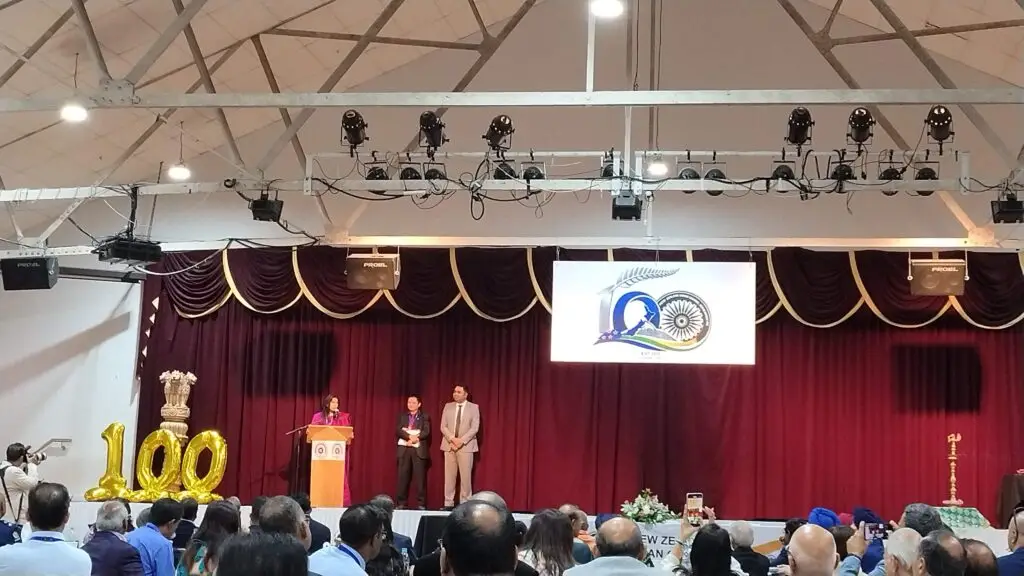
AUCKLAND, April 2026 — One hundred Annual General Meetings. One hundred years of organised representation. One hundred years of advocacy, cultural preservation and community building. When the New Zealand Indian Central Association (NZICA) convened its landmark 100th Annual General Meeting this April, the occasion carried weight far beyond the procedural formalities of electing officers and adopting reports. It represented a full century of the Indian community’s determined, dignified presence in Aotearoa New Zealand — and the beginning of what its new executive committee is calling “the next chapter.”
The gathering, attended by delegates from affiliated branches across the country, re-elected Veer Khar to the presidency and confirmed a refreshed executive team positioned to lead the Association through the remainder of its centenary year — a year already charged with significance. The occasion was marked by reflections on the Association’s history, the announcement of a new digital community resource in the form of the NZICA Talent Register, and animated discussion about the anticipated first-ever visit to New Zealand by Indian Prime Minister Narendra Modi.
The New Executive Committee
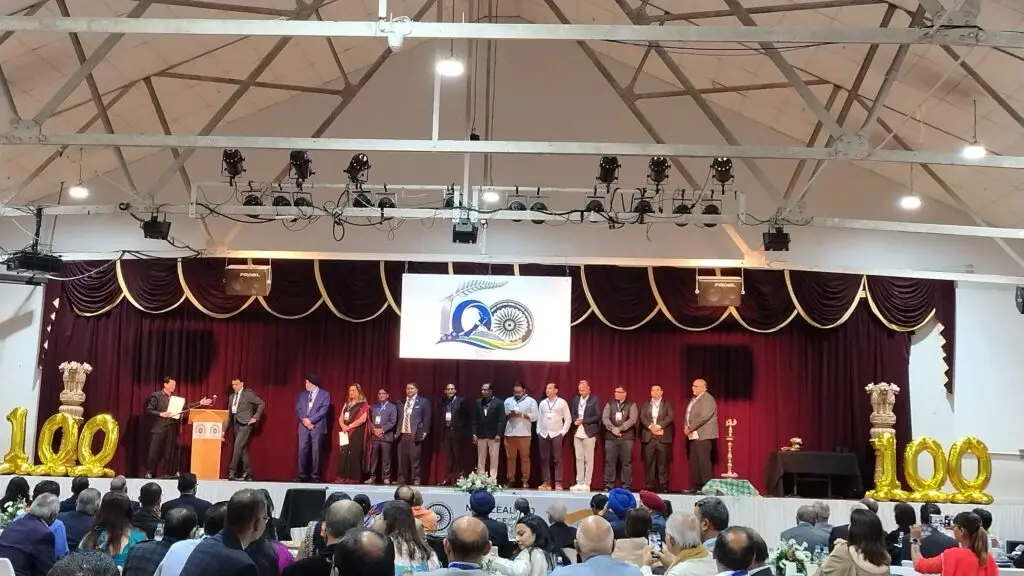
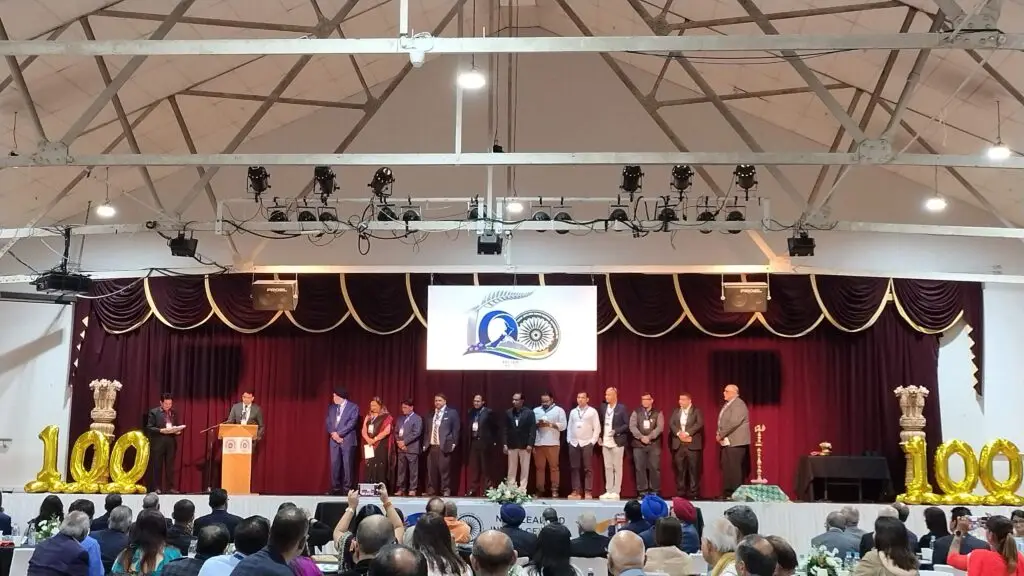
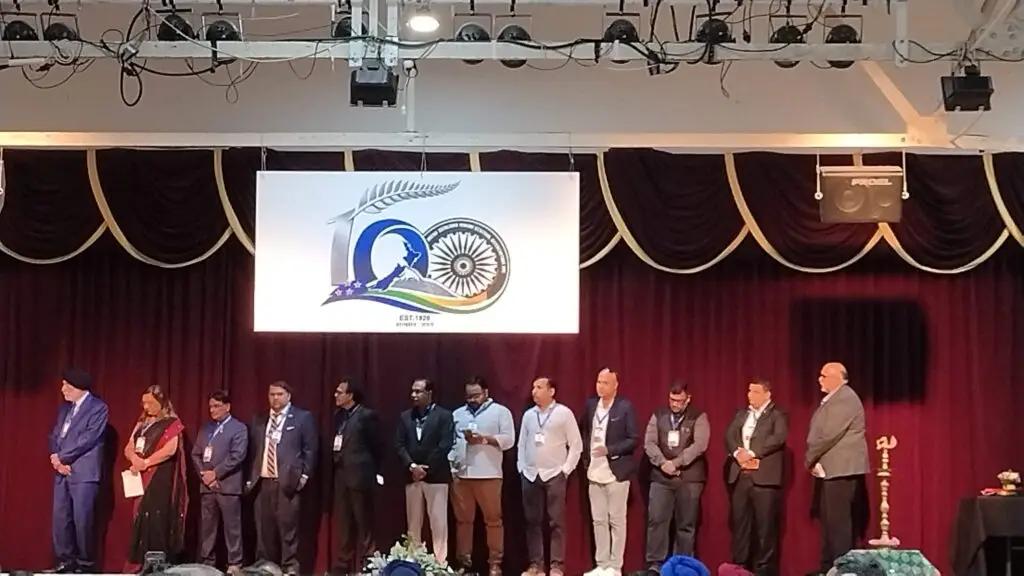
The 100th AGM confirmed the following executive officers:
| Position | Officer |
| President | Veer Khar |
| Vice President | Dhansukh Lal |
| Treasurer | Bhavisha Patel |
| General Secretary | Taruna Bhana |
| Assistant Secretary | Kalyan Rao |
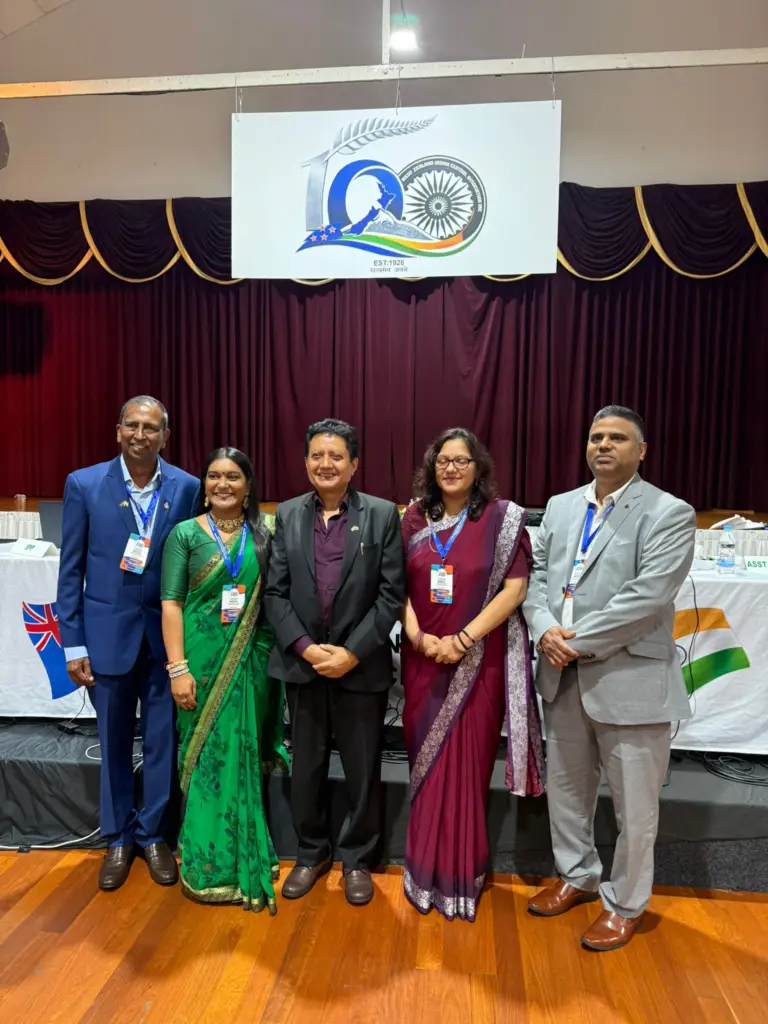
Dhansukh Lal – VP
Bhavisha Patel – Treasurer
Veer Khar – Pres
Taruna Bhana – Gen Secretary
Kalyan Rao – Assit Sec
Veer Khar, who was first elected to the presidency at NZICA’s 99th AGM in Wellington in April 2025 — a two-cornered contest he won against then-incumbent Vice President Taruna Bhana — brings to the role a distinguished record of community leadership. He previously served as General Secretary of NZICA from 2007 to 2010 and recently concluded his term as President of the Indian Association (Manukau) New Zealand. His return to lead the Association at its centennial moment has been broadly welcomed across affiliated branches as a symbol of continuity and ambition.
Taruna Bhana, re-elected as General Secretary, has been central to the Association’s day-to-day operations and communications throughout the centenary preparatory period. Her steady stewardship of NZICA’s secretariat functions, including coordination of the landmark Curtain Raiser event in February 2026, has drawn commendation from branches across the country.
Dhansukh Lal assumes the Vice Presidency, bringing strong regional networks and considerable organisational experience to one of the Association’s most operationally demanding roles. Bhavisha Payel takes over the Treasurer’s portfolio, inheriting the responsibility of managing the Association’s finances during one of the most active and high-profile periods in NZICA’s history. Kalyan Rao Kasuganti continues as Assistant Secretary, having previously served in the same capacity following the 99th AGM.
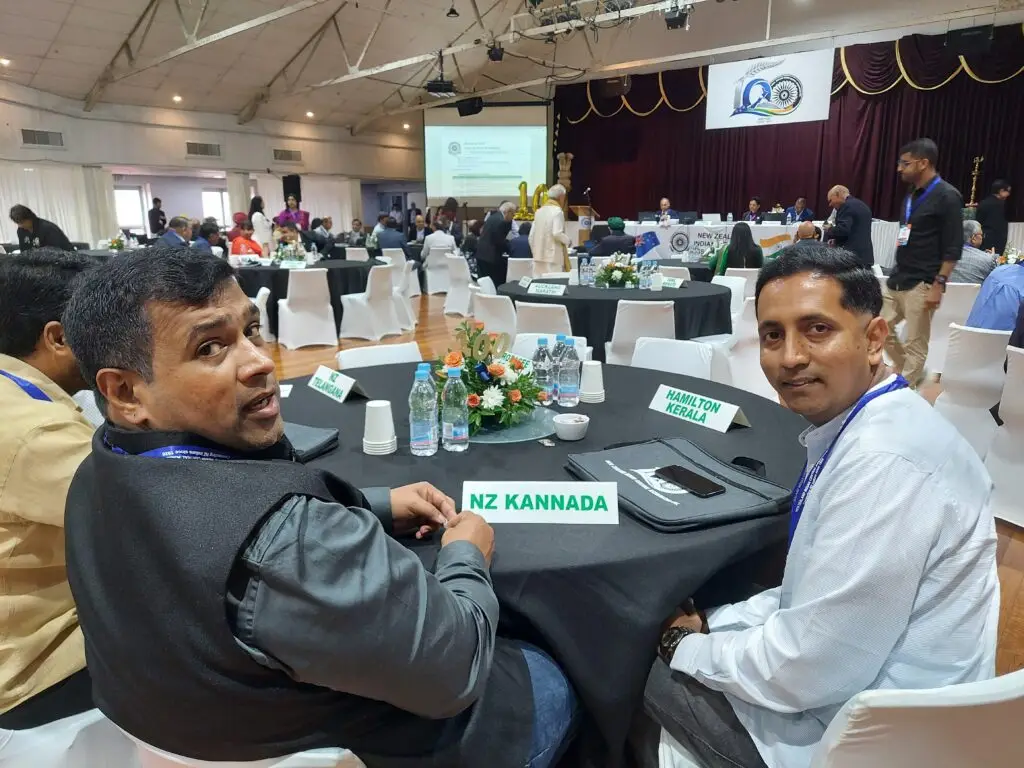
In his address to delegates, Mr Khar reaffirmed NZICA’s role as the apex body of the Indian community in New Zealand, describing the Association as “the collective voice of a community that now numbers more than 350,000 New Zealanders of Indian origin.” He called on affiliated branches to deepen their engagement with NZICA’s national programmes and encouraged younger members of the diaspora to step forward into leadership.
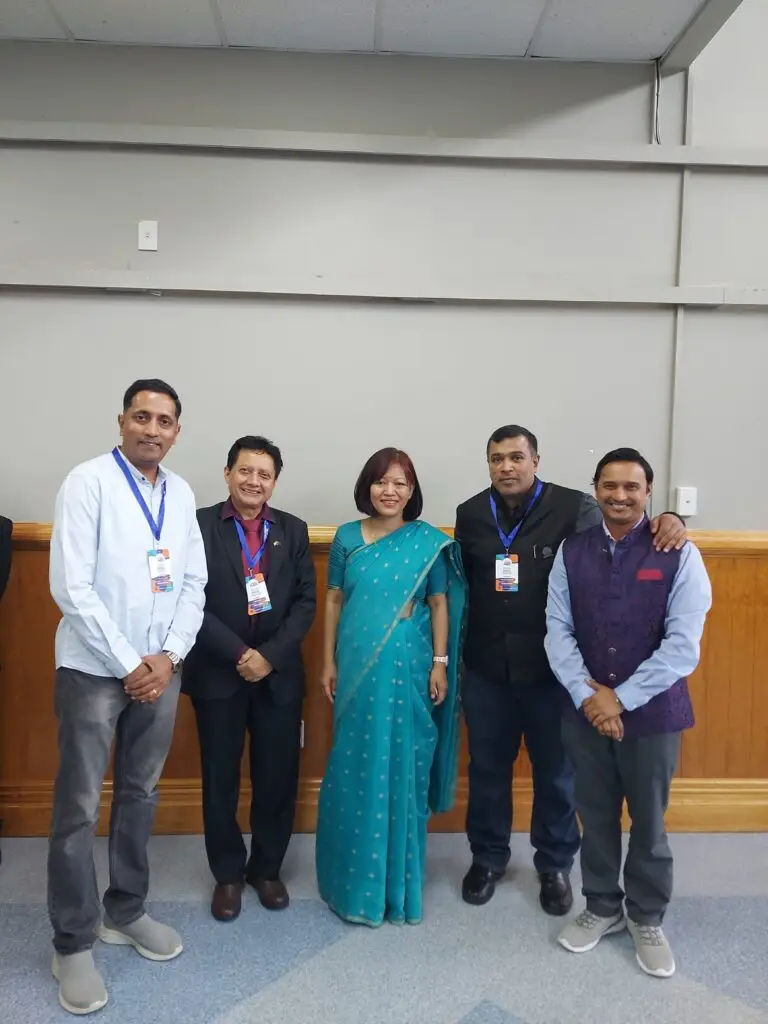
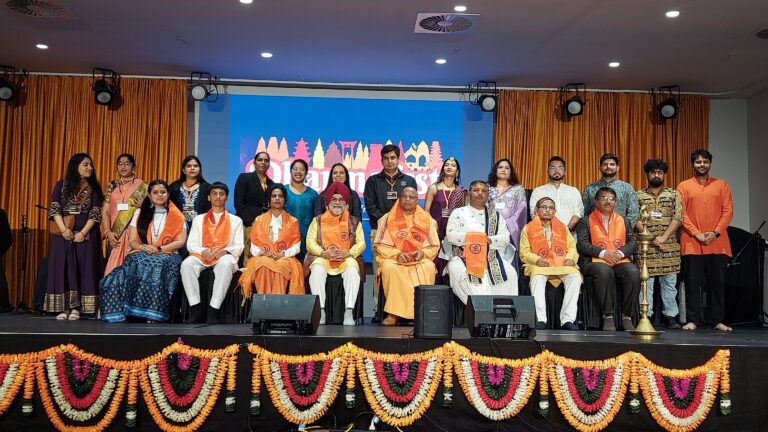
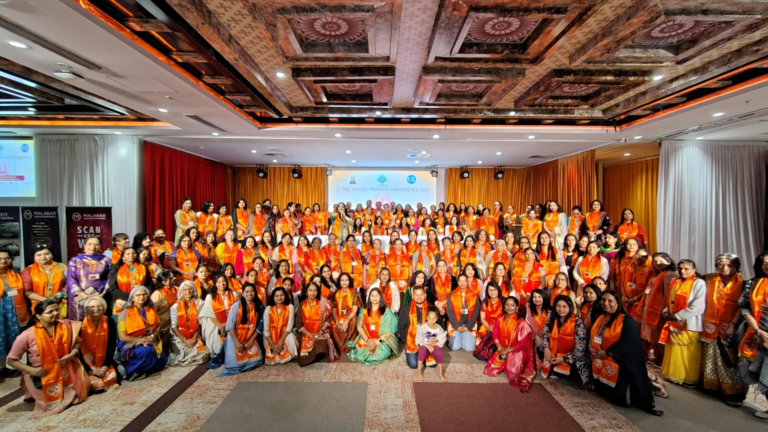
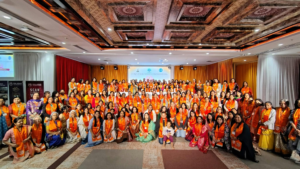
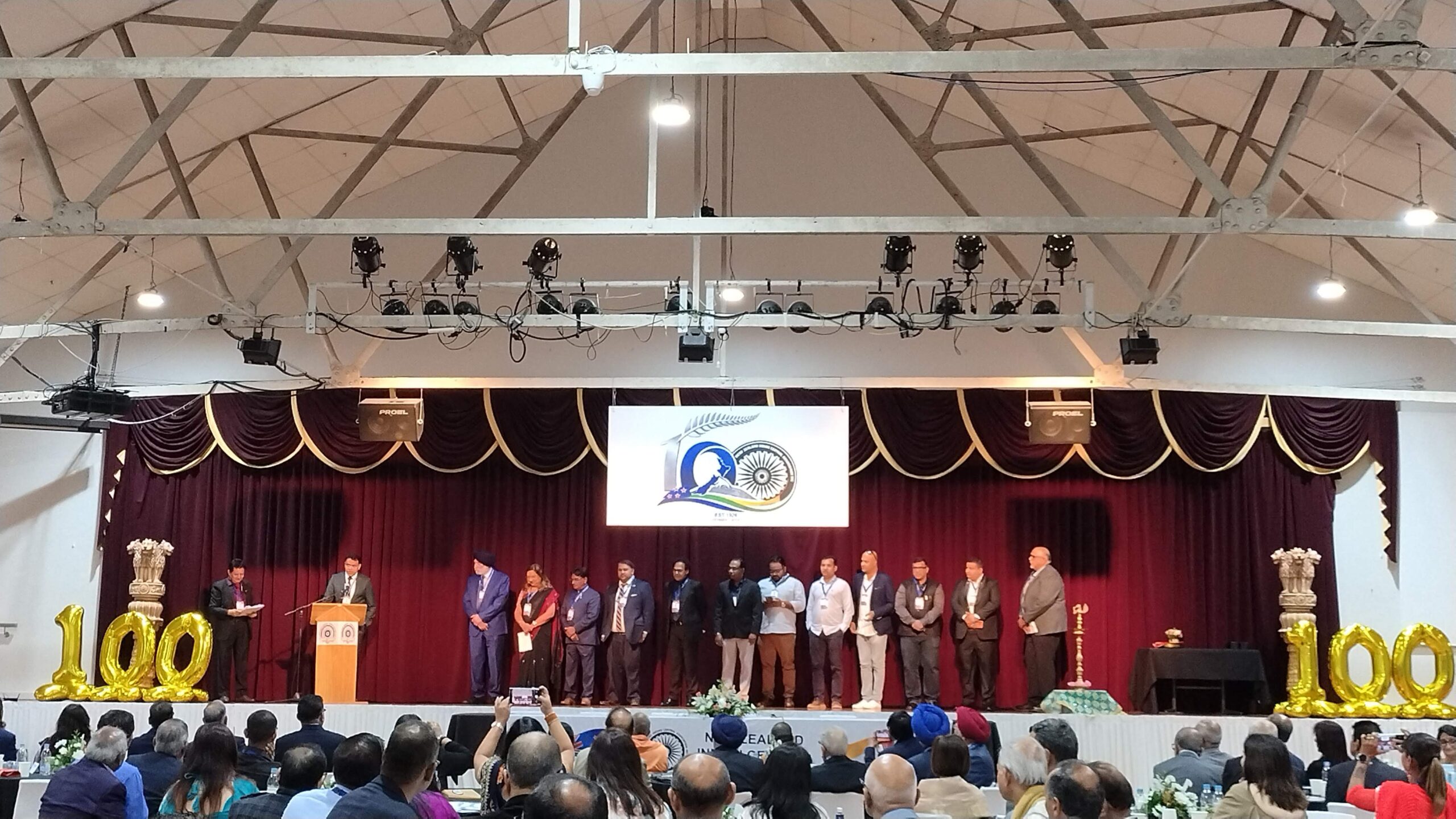
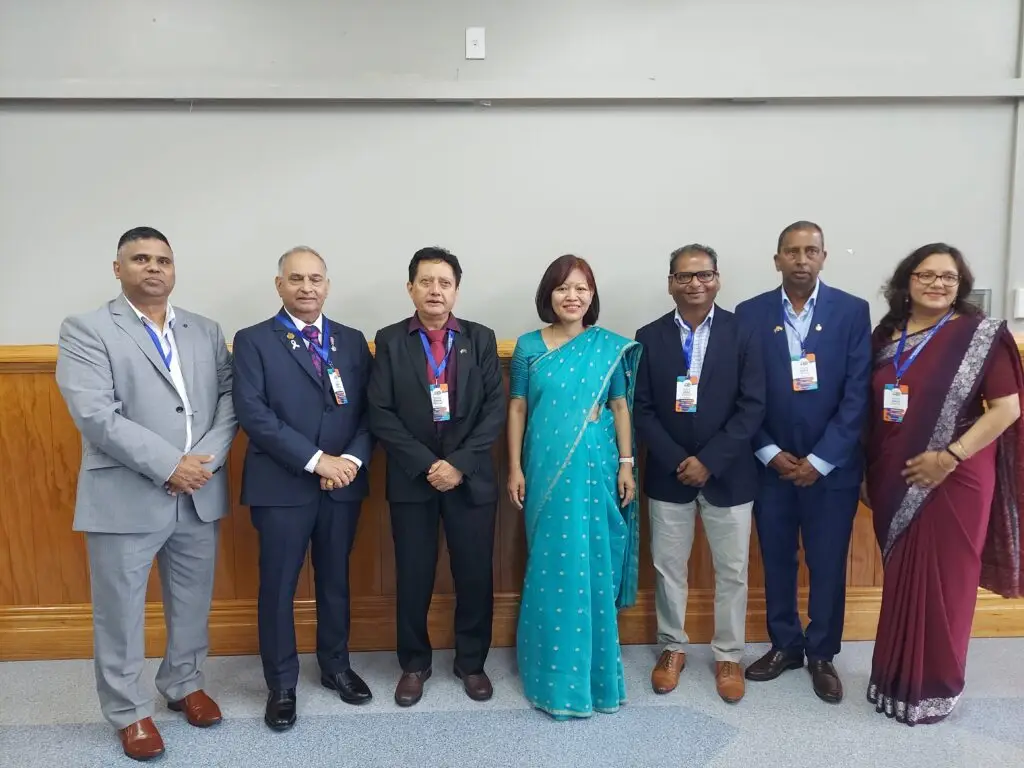
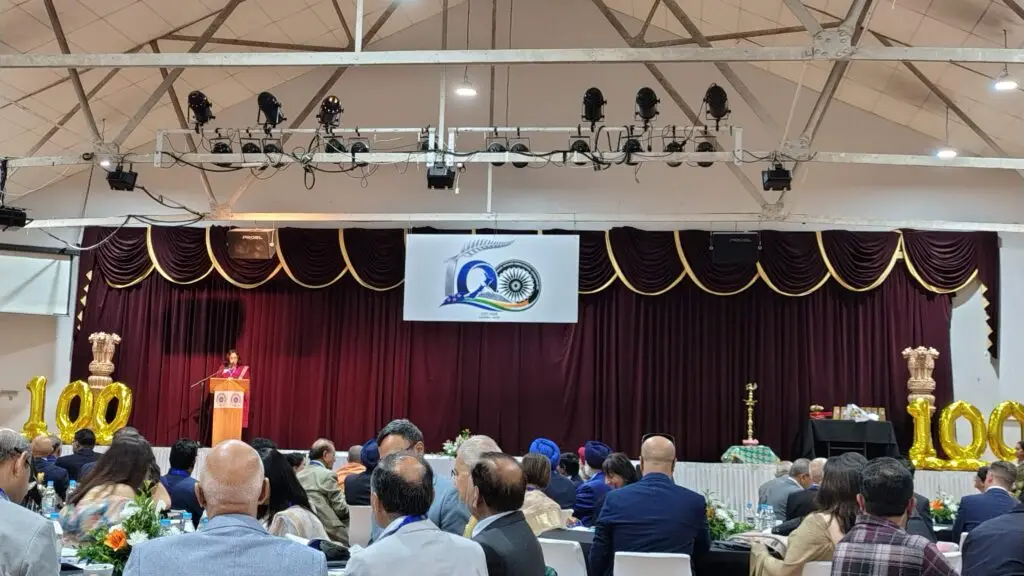
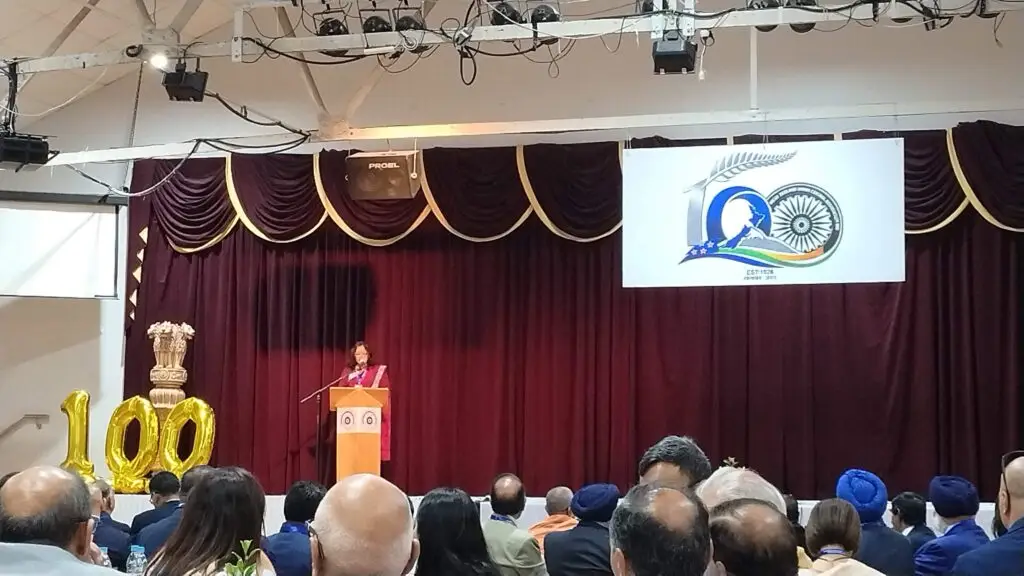
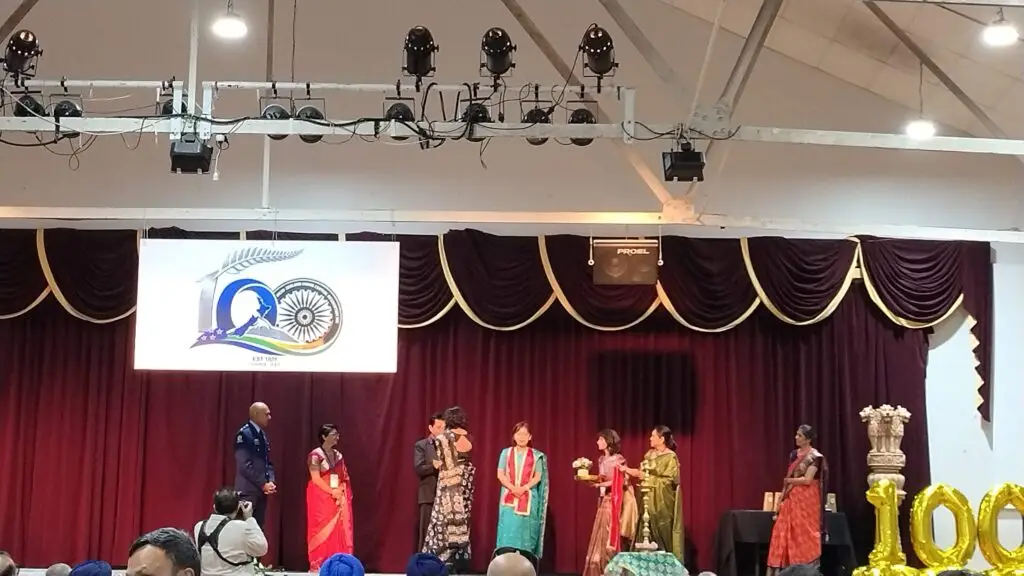
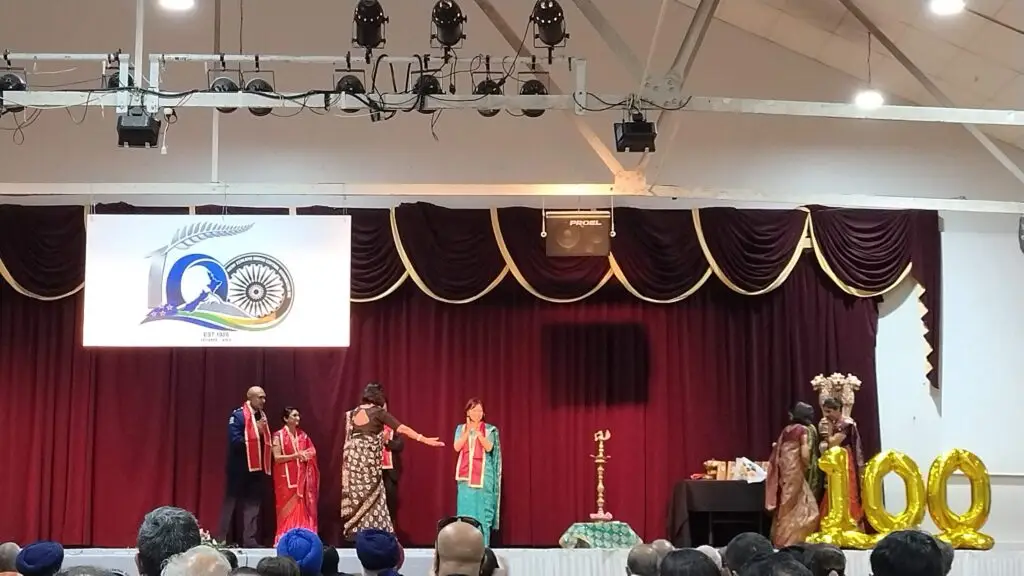
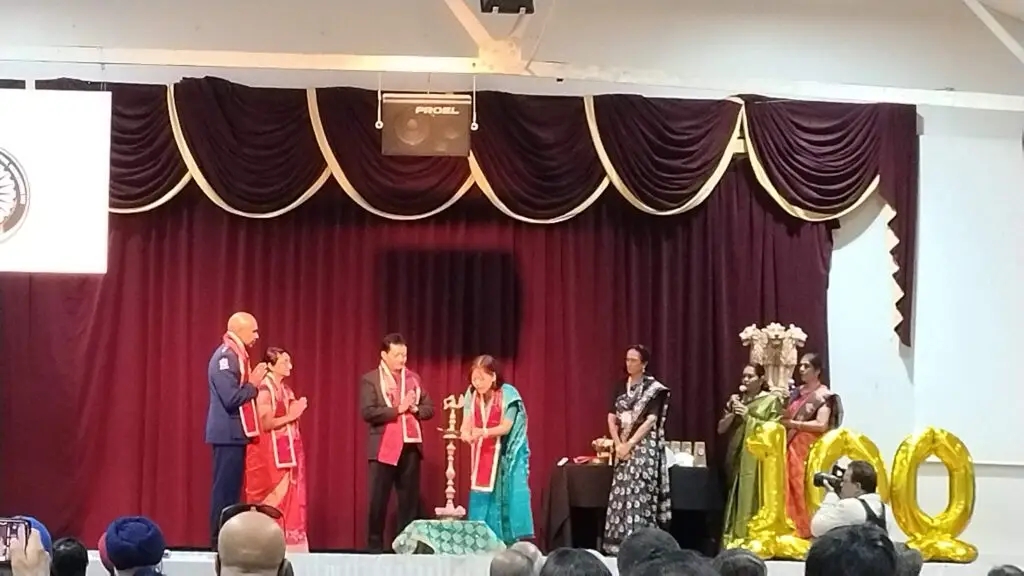
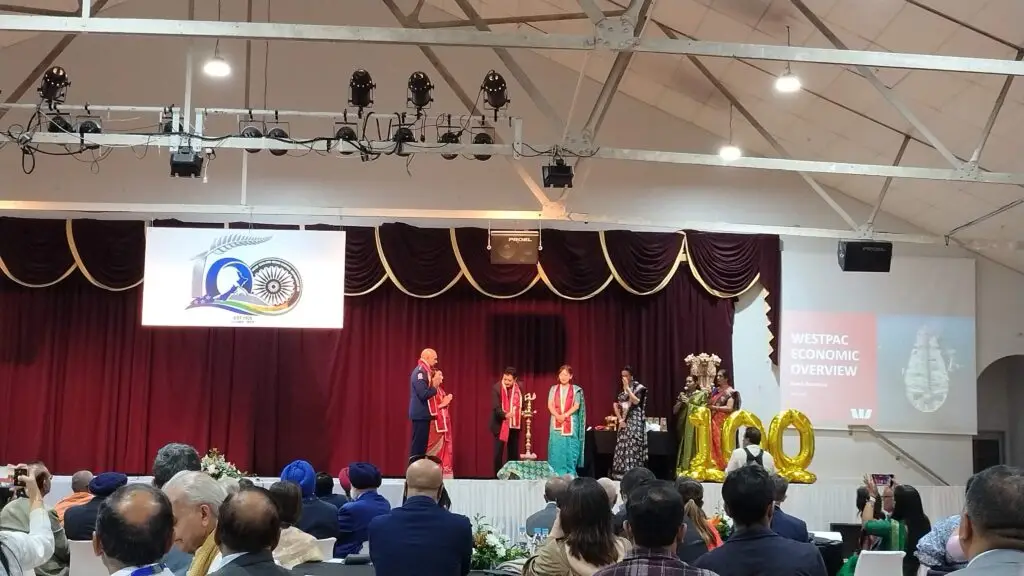
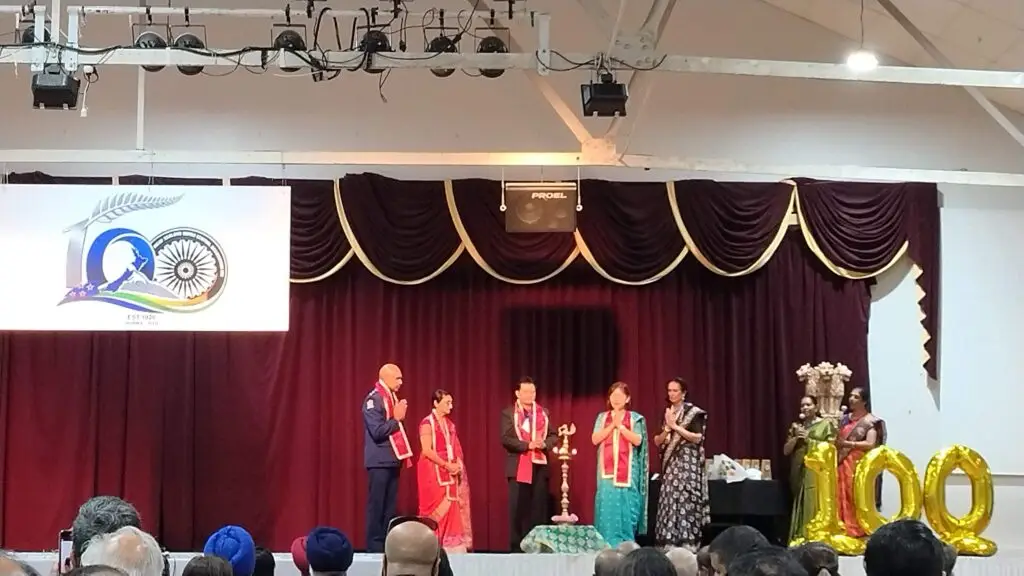
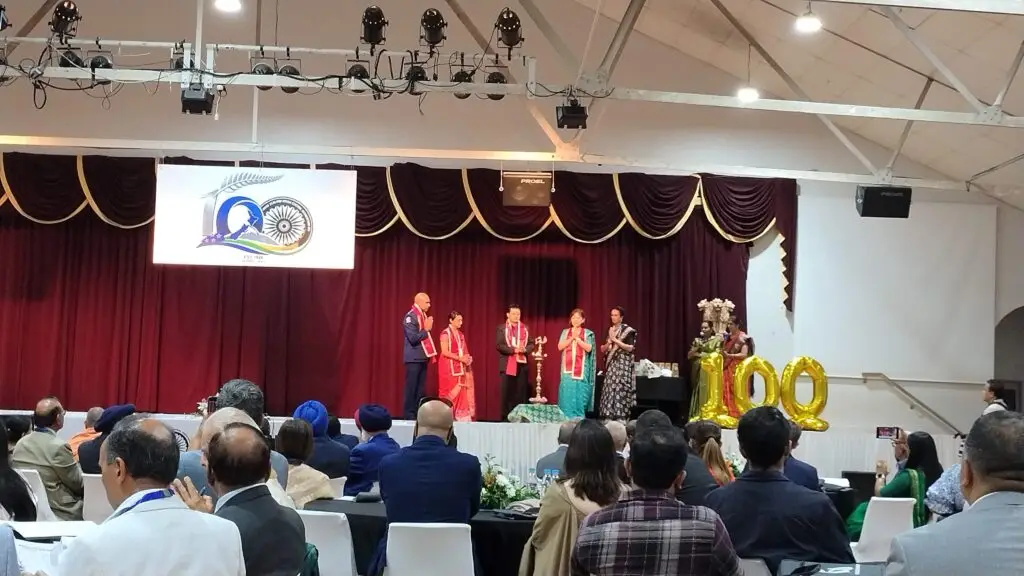
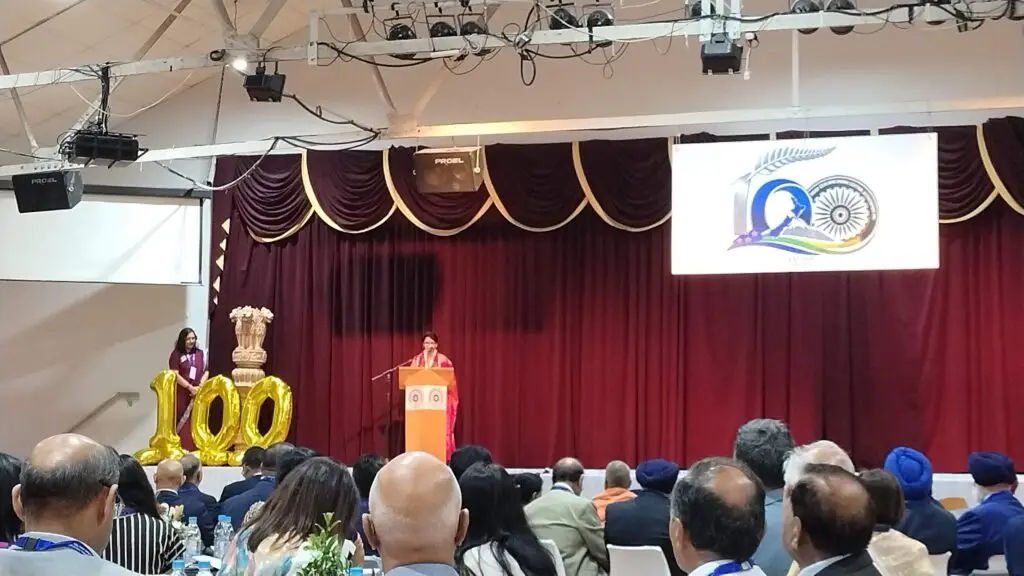
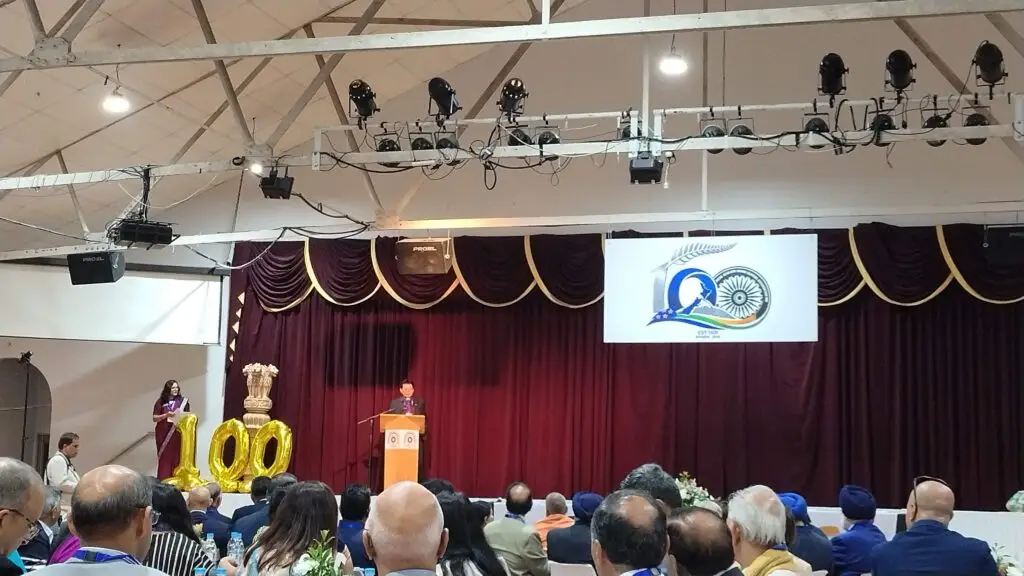
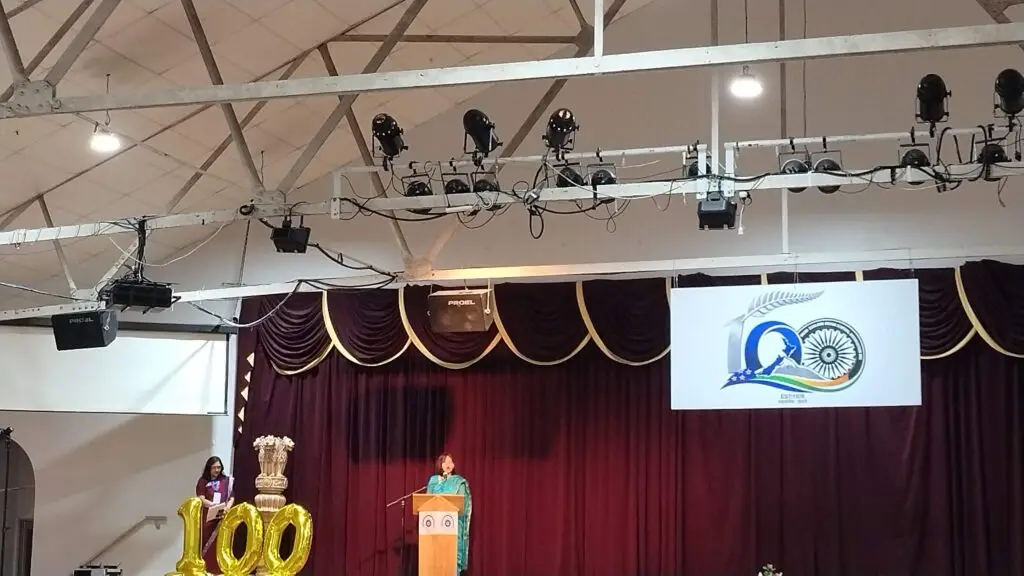
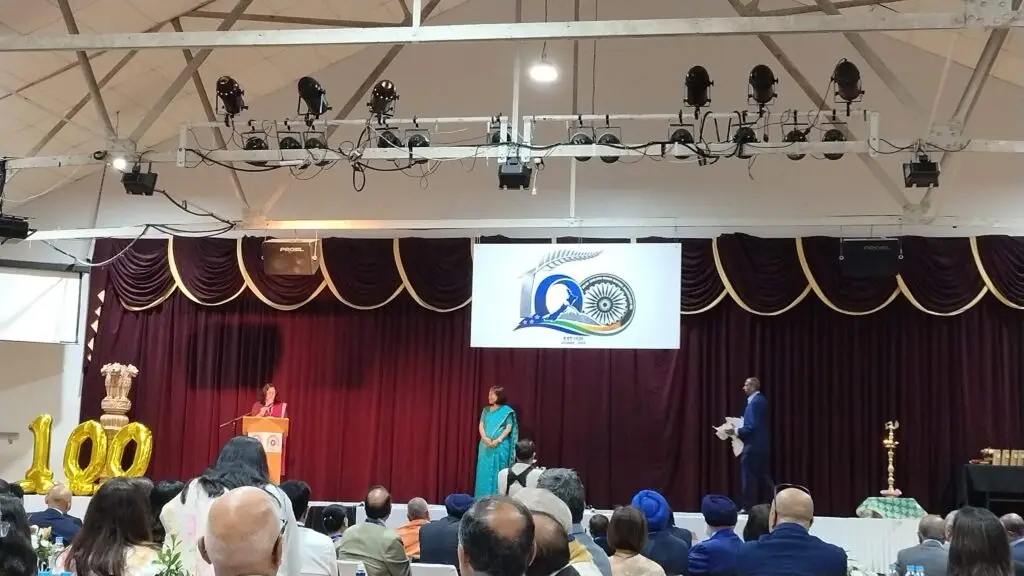
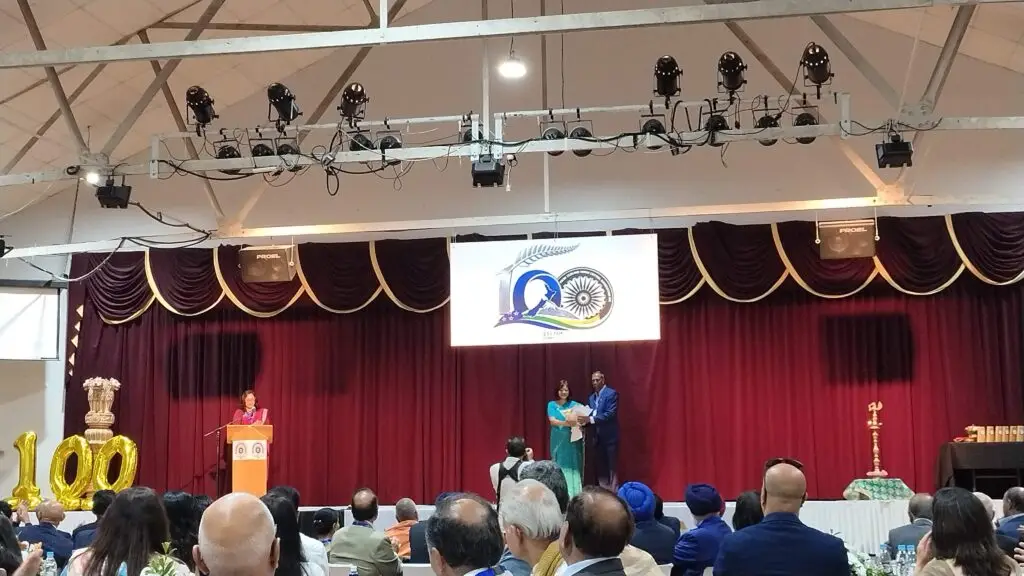
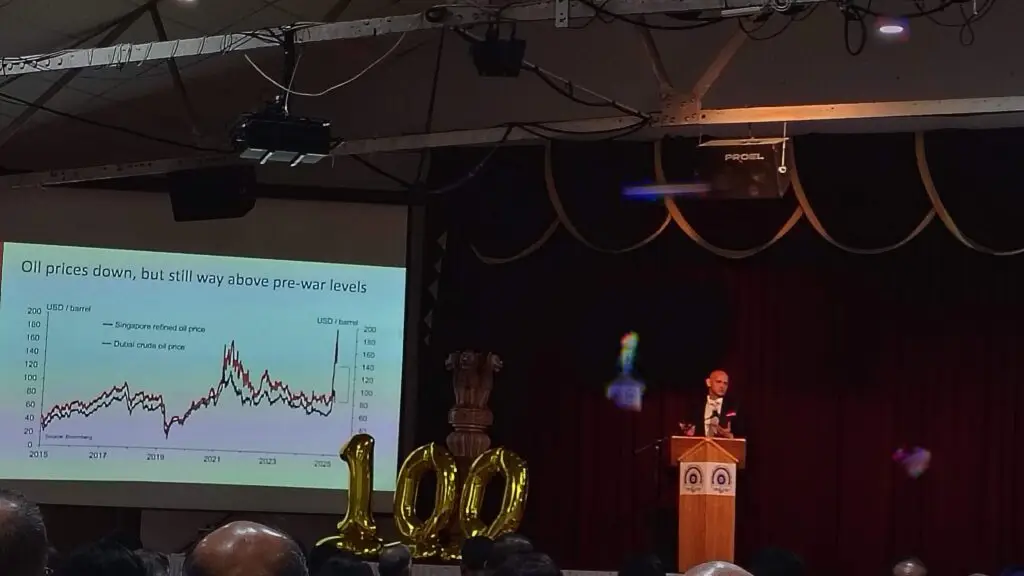
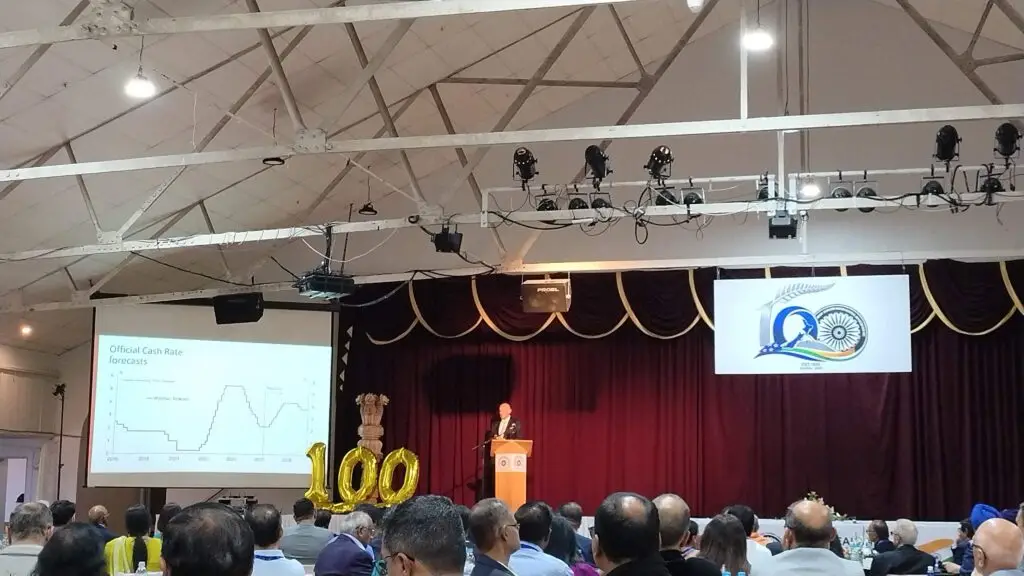
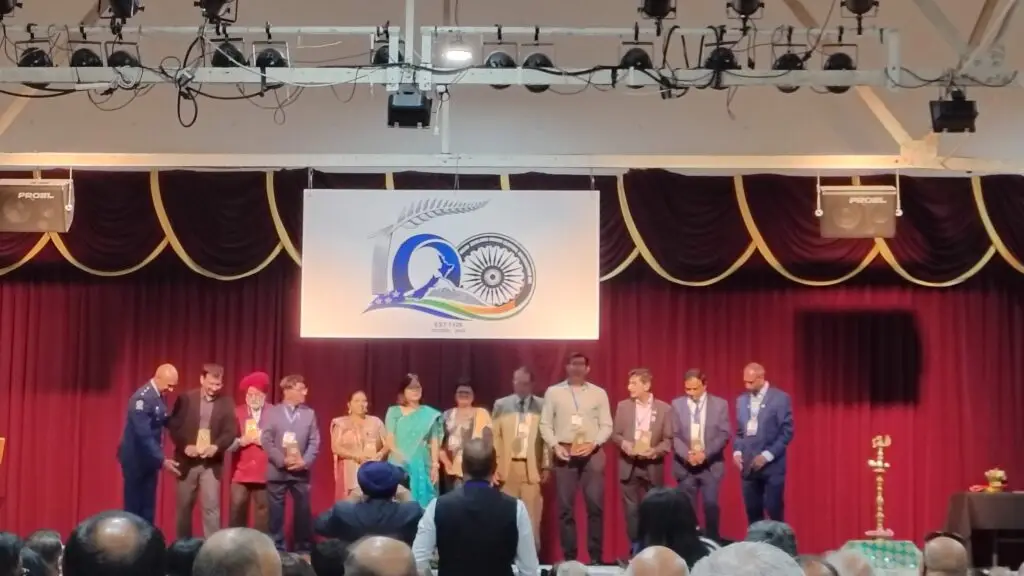
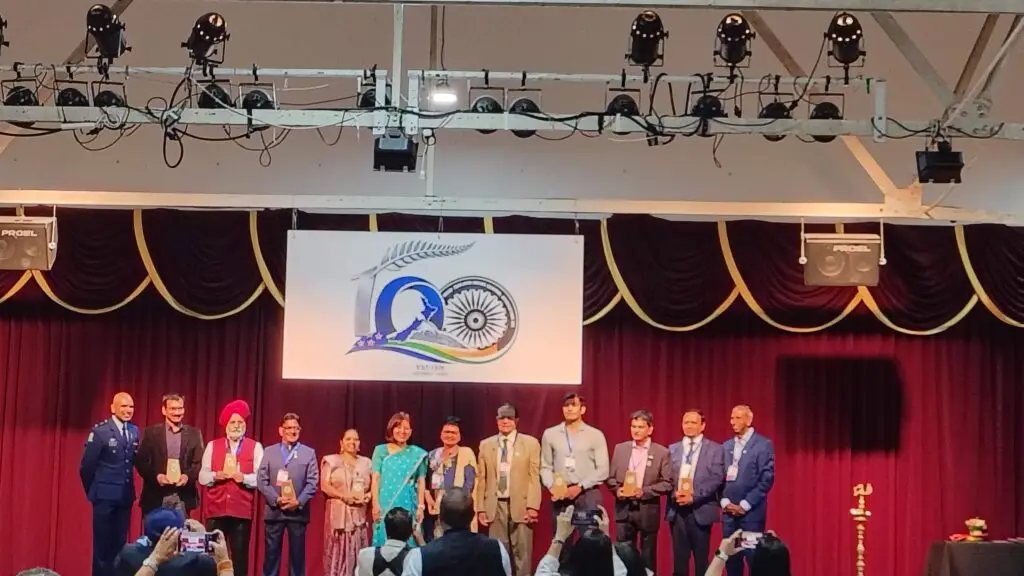
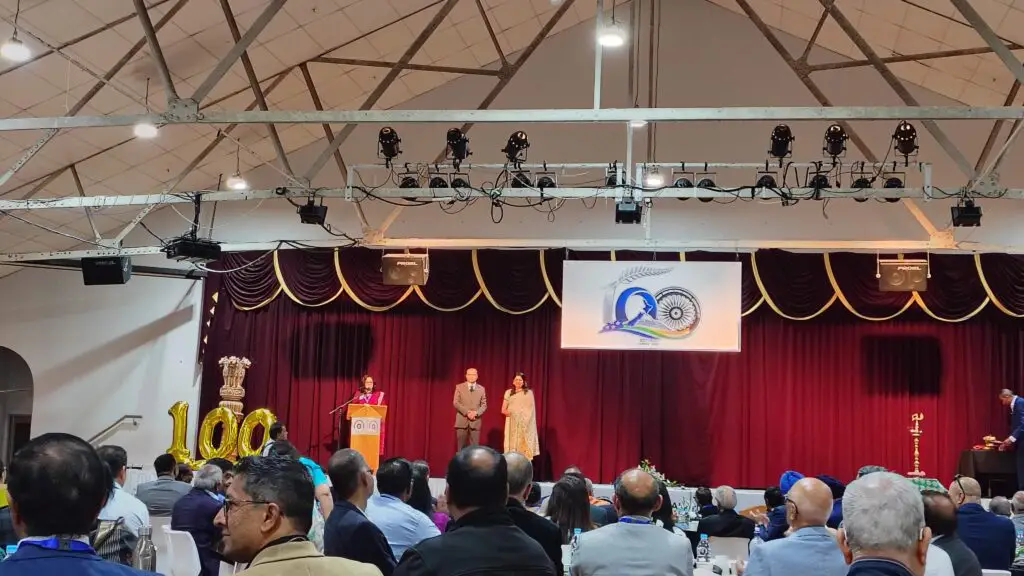
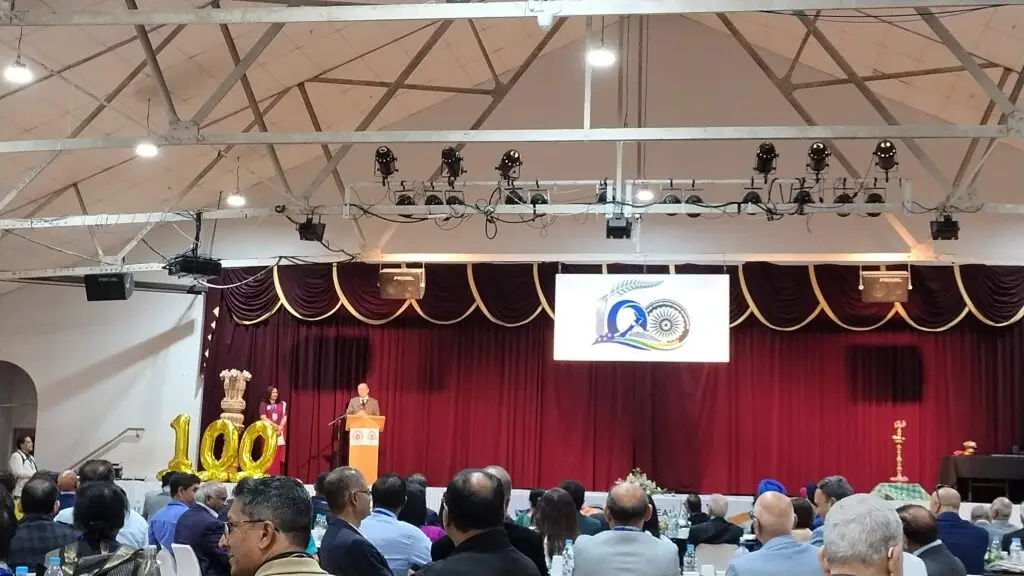
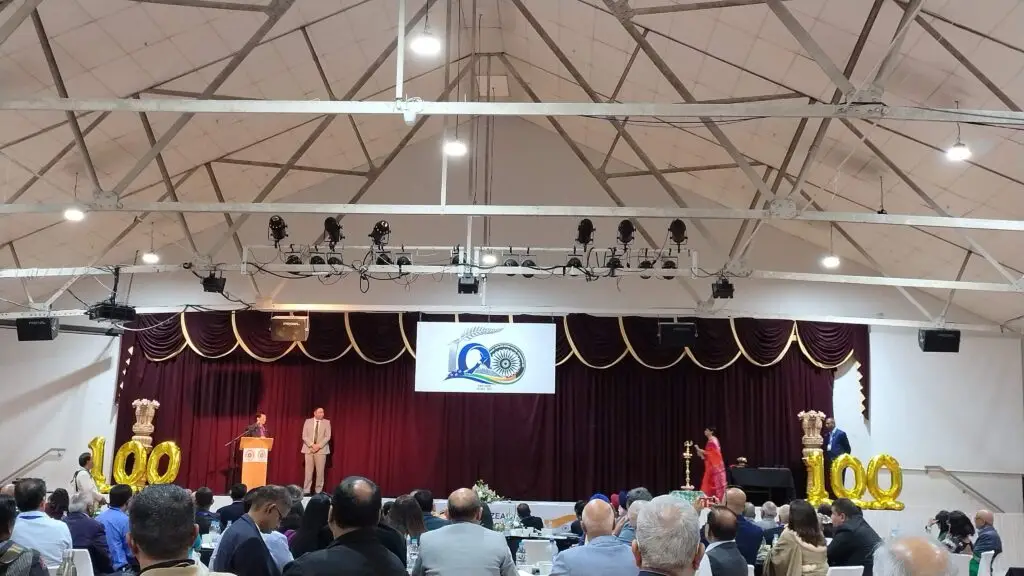
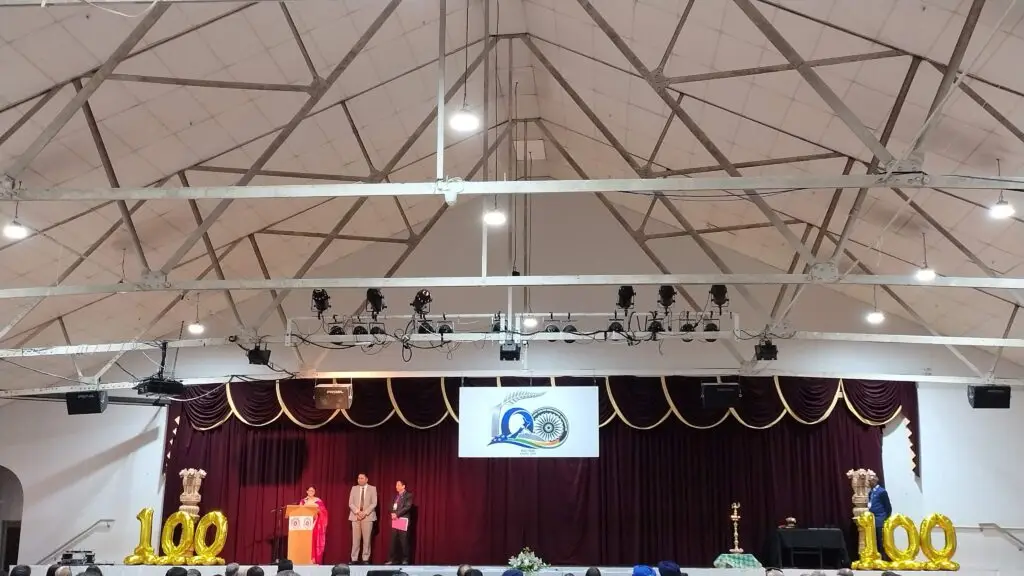
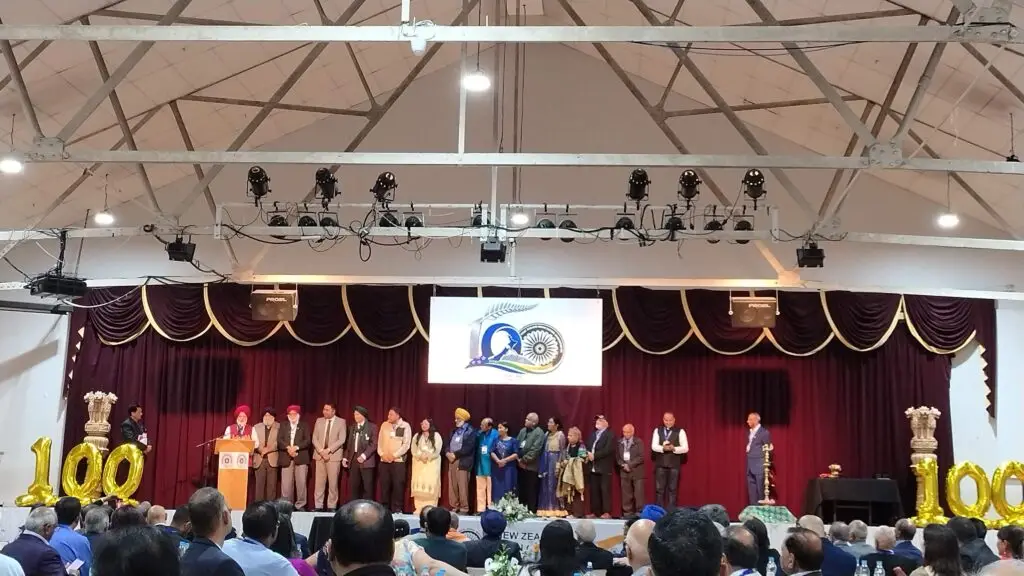
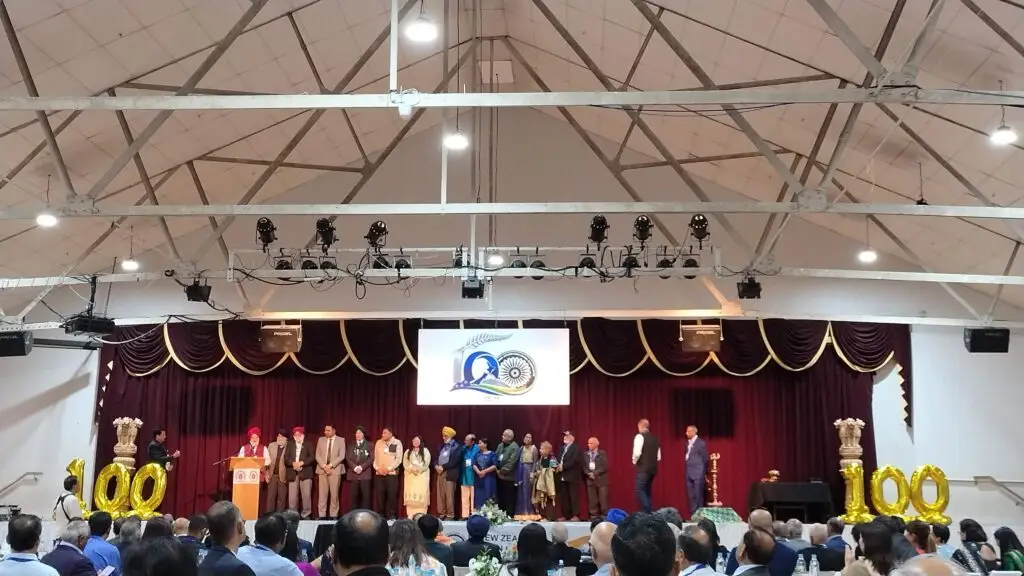
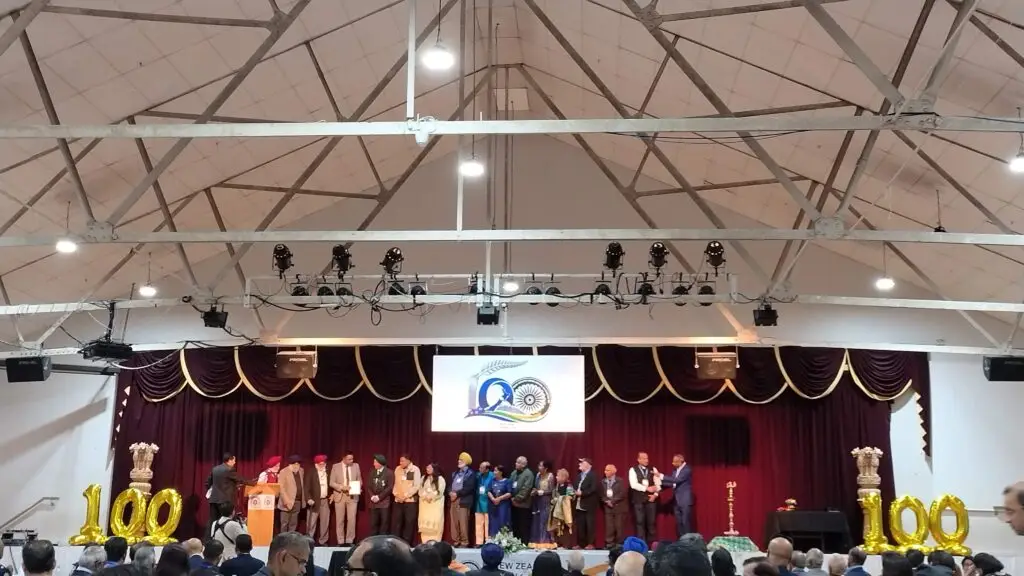
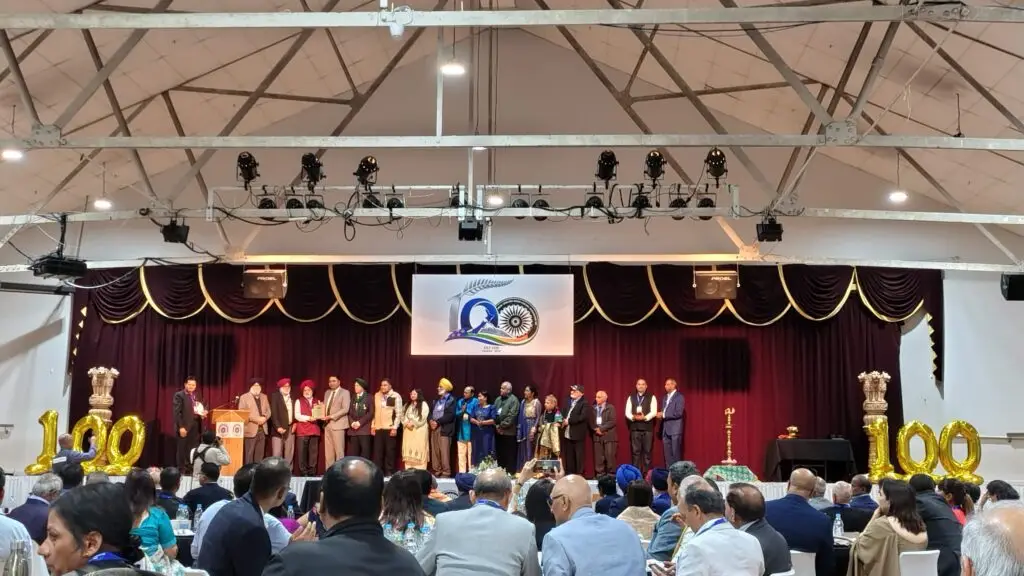
Some of the Pictures from the Inaugural event at the 100th AGM.



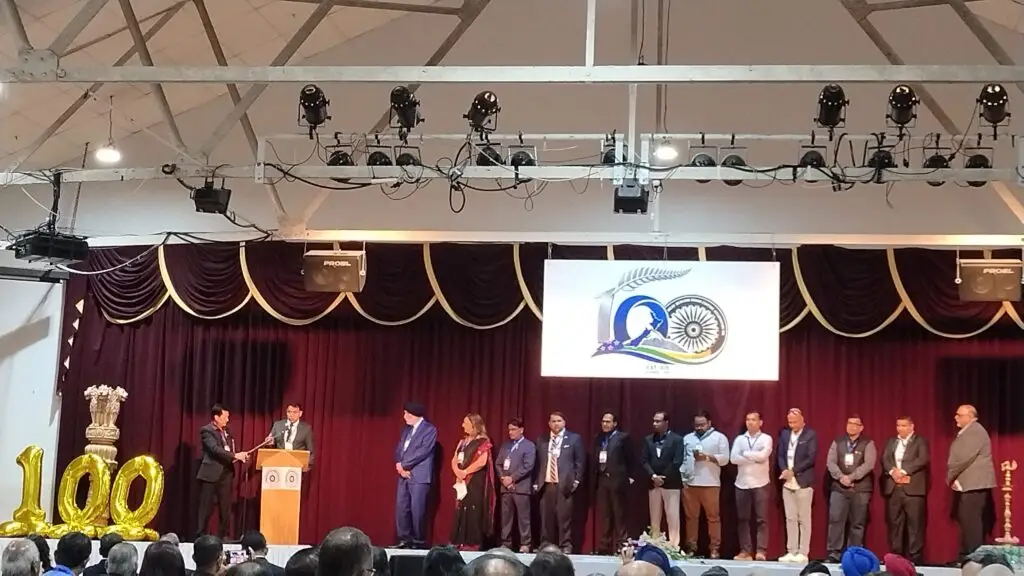
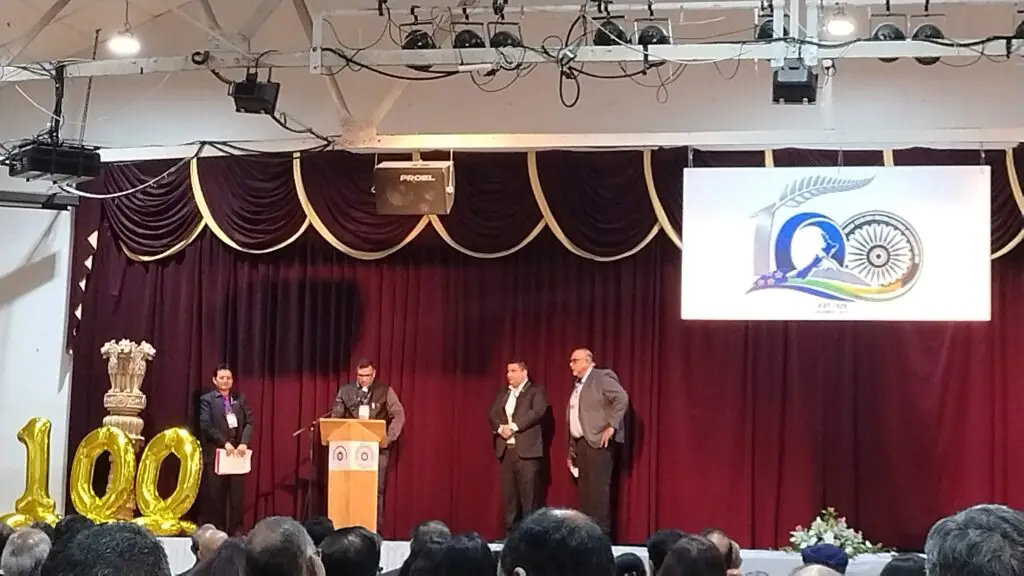
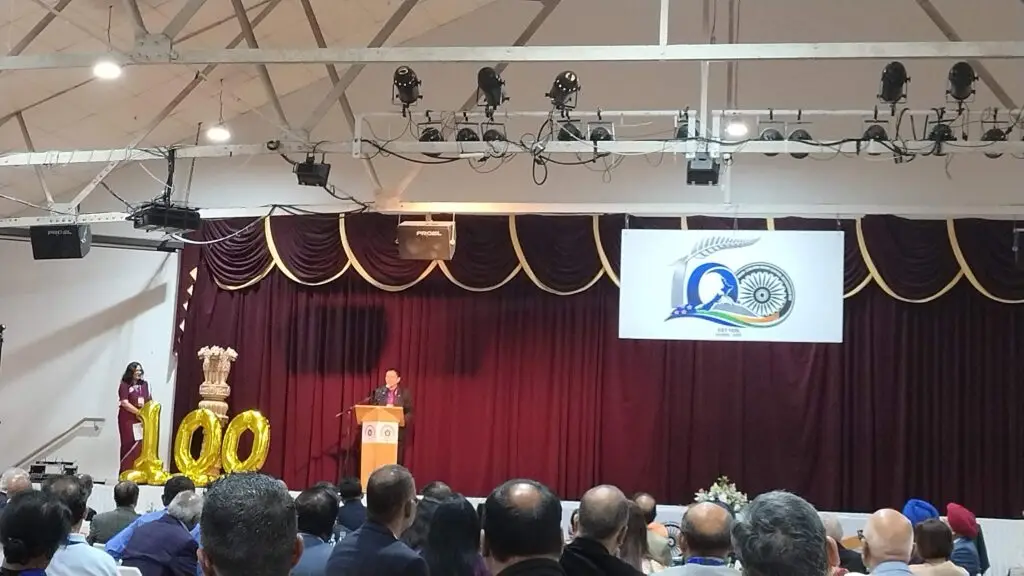
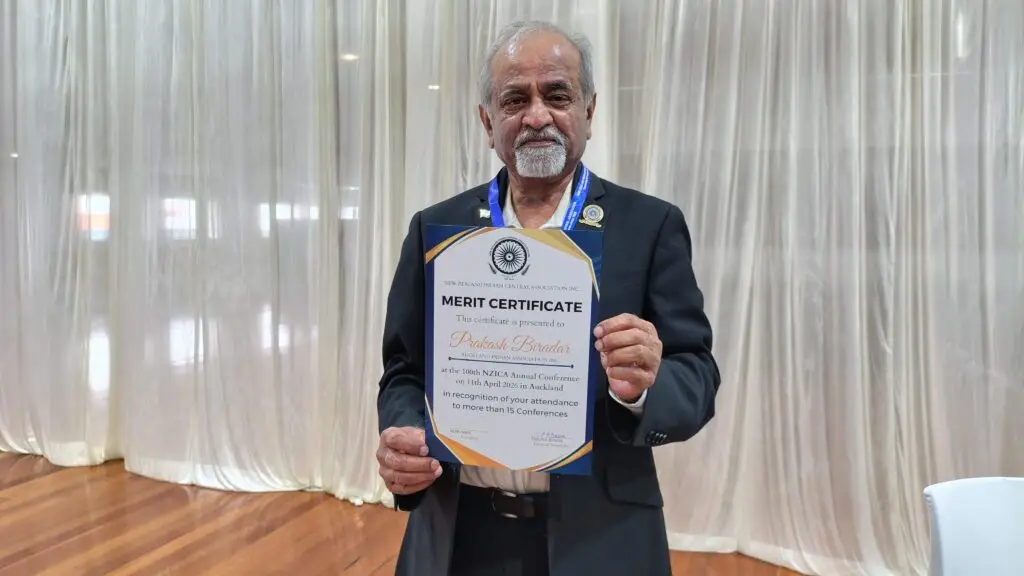
A Century of Advocacy: The History of NZICA
The New Zealand Indian Central Association was founded in 1926 with three founding branches — Auckland, the Country Section (Taumarunui), and Wellington. It emerged at a time of considerable hardship for people of Indian origin in New Zealand, when social and institutional discrimination was common and the community had limited organised recourse. From its earliest days, NZICA served as a united voice for dignity, fairness and equal treatment under the law.
In its first decades, the Association focused primarily on advocacy — engaging successive governments on questions of immigration policy, civic rights and community welfare. These were not abstract policy debates but immediate, personal struggles for families whose right to remain in and contribute to this country was frequently contested. NZICA’s consistent, constructive engagement with government during this period laid the foundations for the reforms that would follow.
Among its most consequential achievements was NZICA’s role — alongside Indian Newslink — in advocating for the shift from New Zealand’s immigration quota system to the points-based system, a change that took effect in 1987. That single policy reform opened the pathway for a new generation of Indian migrants to settle in New Zealand and build lives as economic contributors, entrepreneurs, professionals and public servants. President Khar has cited this as one of at least seven landmark policy interventions for which the Association can claim genuine credit.
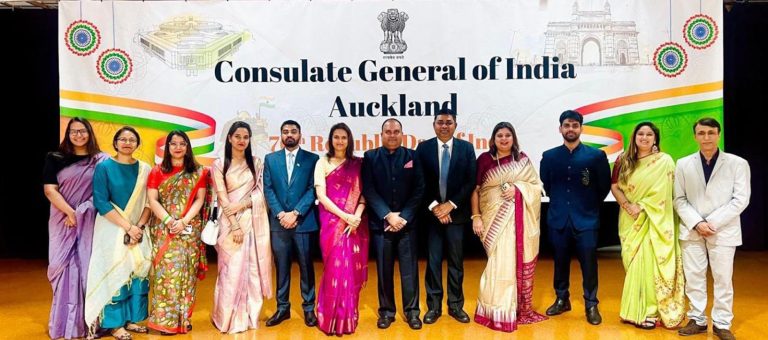
NZICA also played a pivotal role in paving the way for New Zealanders of Indian origin to enter Parliament, beginning with the 2008 general election. It advocated for the establishment of the Consulate General of India in Auckland, a move that has strengthened direct consular services for the growing community in the upper North Island. It engaged with Immigration Ministers on issues affecting migrant workers and was instrumental in regularising Partnership Visa processes and clarifying Superannuation entitlements for senior members of the community.
By the time of its 98th Annual General Meeting — held at the Diversity Centre in Papatoetoe and hosted by the Punjabi Cultural Association — NZICA had grown to encompass more than 20 affiliated branches across Aotearoa. At that gathering, two new branches, Hamilton Kerala Samajam and Tamil Society Waikato, were formally added, extending NZICA’s reach into regions with significant but previously underrepresented Indian communities.
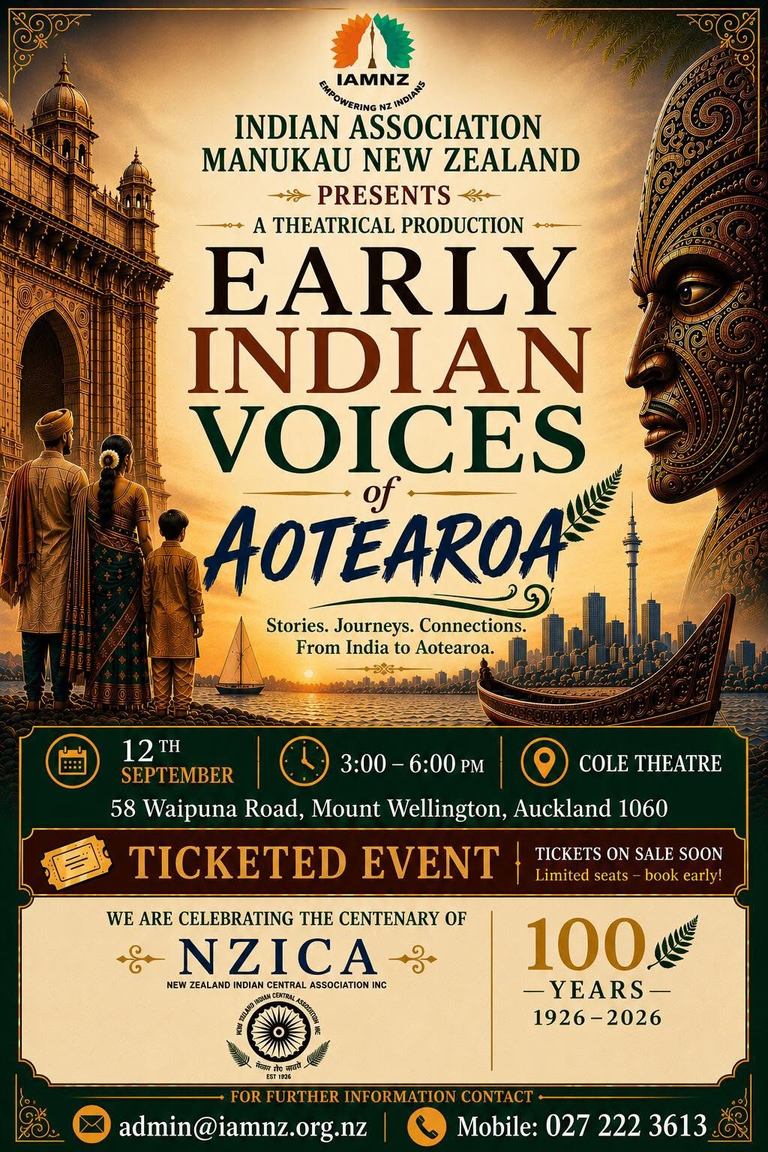
The centenary year began in earnest on 28 February 2026, when NZICA held its Centenary Curtain Raiser at the Cordis Hotel in Auckland. The event, ticketed and by invitation, honoured past leaders, celebrated the cultural heritage of the community and outlined a renewed vision for NZICA’s next century. It marked the beginning of what the Association has described as a year of reflection, celebration and renewed purpose.
As President Khar has observed: “This spirit of bridge-building has continued into the modern era. NZICA has been a consistent voice for multicultural dialogue, supporting initiatives that promote cross-cultural learning, interfaith engagement, and community cohesion.” That philosophy — diversity as a strength to be celebrated rather than a challenge to be managed — has shaped the Association’s identity across every decade of its existence.
The NZICA Talent Register: Connecting Expertise with Opportunity
One of the most significant announcements at the 100th AGM was the formal launch and promotion of the NZICA Talent Register, a new digital platform accessible at nzica.org.nz/nzica-talent-register/. The Register is a community-facing resource designed to identify, catalogue and promote the professional skills, expertise and lived experience that reside within New Zealand’s Indian community.
The rationale behind the Talent Register is straightforward but important. New Zealand’s Indian diaspora includes an extraordinarily diverse range of professional talent — engineers, doctors, educators, lawyers, entrepreneurs, scientists, artists, community workers and public servants. Yet much of this expertise has historically remained invisible to institutions, organisations and community bodies that might benefit from it. The Talent Register is NZICA’s answer to that gap.
By enabling individuals to register their skills and professional background, the platform creates a searchable database that NZICA and its affiliated organisations can draw upon when seeking speakers, panellists, advisors, mentors, or candidates for board and committee positions. It is also envisaged as a resource that government agencies, educational institutions and businesses may consult when seeking to engage meaningfully with the Indian community.
Delegates at the 100th AGM were encouraged to register themselves and to promote the platform actively within their branches and social networks. The executive committee expressed its aspiration to grow the Register into a nationally recognised resource during the centenary year — one that makes the depth and breadth of Indian-New Zealander talent visible to the wider society.
The Talent Register is accessible at: www.nzica.org.nz/nzica-talent-register
Modi’s Historic Visit: What It Means for the Indian Community
Against the backdrop of NZICA’s centenary, the Indian community in New Zealand finds itself on the threshold of another historic moment: the anticipated first-ever visit to Aotearoa by Prime Minister Narendra Modi. The visit, expected to take place around mid-2026 — with July dates reported as firm in Indian media — would be only the second prime ministerial visit from India to New Zealand in modern history, following Prime Minister Rajiv Gandhi’s visit to Wellington in 1986.
The visit has been in preparation for some time. New Zealand Prime Minister Christopher Luxon travelled to New Delhi in March 2025 — the first New Zealand Prime Minister to visit India in nine years — and held bilateral talks with Prime Minister Modi at Hyderabad House. At those talks, both leaders agreed to initiate negotiations for a Free Trade Agreement between the two countries, pledged to strengthen defence and maritime security cooperation, and committed to expanding people-to-people ties. Prime Minister Modi, noting Mr Luxon’s longstanding ties with the Indian-origin community in New Zealand and his participation in Holi celebrations in Auckland, warmly acknowledged the significance of the diaspora as a living bridge between the two nations.
Momentum for PM Modi’s reciprocal visit has gathered further pace in recent weeks. At the World Trade Organization’s 14th Ministerial Conference in Cameroon in late March 2026, India’s Union Minister for Commerce and Industry, Piyush Goyal, met New Zealand’s Trade and Investment Minister Todd McClay. The two ministers reviewed preparations for the New Zealand visit and confirmed that both sides are actively finalising a substantial list of deliverables to be announced or signed during the trip. A high-level Indian business delegation is expected to accompany the Prime Minister, and New Zealand has confirmed plans to host a dedicated business forum to facilitate new commercial partnerships.
Central among the anticipated outcomes is the formal signing of the India-New Zealand Free Trade Agreement, the conclusion of negotiations for which was announced in late 2025. The Agreement eliminates tariffs on 100 per cent of Indian imports and provides either tariff-free access or reduced tariffs on 95 per cent of New Zealand’s current exports. Agriculture, dairy, food processing, pharmaceuticals, renewable energy, critical minerals, forestry and horticulture have all been identified as priority sectors. It is also expected that the two countries will deepen cooperation in sports — 2026 marks the 100th anniversary of sporting contact between India and New Zealand, a milestone that Prime Minister Modi himself highlighted during the Hyderabad House talks.
For the Indian community in Aotearoa, PM Modi’s visit carries an emotional and symbolic significance that transcends trade policy. The last visit by an Indian Prime Minister to New Zealand occurred four decades ago, when the community was a fraction of its current size and had far less political and economic visibility. Today, New Zealand’s Indian-origin population is a major demographic and civic force. The community’s contributions span every sector of New Zealand life — medicine, technology, academia, the arts, business and public service. A visit by the Indian Prime Minister at this juncture, in NZICA’s centenary year, would be an affirmation of that transformation.
NZICA delegates at the 100th AGM expressed strong enthusiasm for the visit and discussed how the Association and its affiliated branches might participate in or contribute to community events surrounding it. The Association’s role as the apex body for Indian New Zealanders positions it naturally as a key interlocutor in any community engagement planned around a state visit of this magnitude.
Looking Ahead: The Next Chapter
The 100th Annual General Meeting of NZICA was, by every measure, more than a procedural gathering. It was a moment of collective reflection on what a century of organised community endeavour has achieved, and a moment of forward-looking ambition about what the next hundred years might hold. The Association that began in 1926 with three branches in Auckland, Taumarunui and Wellington now spans more than 20 affiliated branches and speaks for hundreds of thousands of New Zealanders. Its history mirrors the broader story of Indian contribution to this country — from early market gardeners and small traders to today’s professionals, entrepreneurs, academics and public servants.
The new executive committee — led by President Veer Khar, Vice President Dhansukh Lal, Treasurer Bhavisha Payel, General Secretary Taruna Bhana and Assistant Secretary Kalyan Rao — inherits a strong institution with a clear sense of purpose and a 100-year mandate behind it. The challenges ahead are different from those of 1926, but the spirit of advocacy, unity and cultural pride that animated NZICA’s founders remains as relevant today as it was at the beginning.
As New Zealand and India draw closer together — through a Free Trade Agreement, deepened defence cooperation, growing people-to-people ties, and the prospect of a historic prime ministerial visit — NZICA stands at the intersection of community, culture and diplomacy. The 100th AGM was both a milestone and a launchpad. The centenary celebrations continue. And the community it represents has never been stronger.
About NZICA
The New Zealand Indian Central Association Inc. (NZICA) is the only national Indian organisation in New Zealand set up as an umbrella body for regional Indian community groups throughout Aotearoa. Founded in 1926, it represents more than 350,000 New Zealanders of Indian origin through more than 20 affiliated branches. Further information is available at www.nzica.org.nz. To register on the NZICA Talent Register, visit www.nzica.org.nz/nzica-talent-register/.
Zealandia News (New Zealand Bharat News) covers New Zealand’s Indian and Hindu diaspora communities.