

- Cost Reduction: By holding elections concurrently, the government hopes to significantly reduce the financial burden associated with conducting multiple elections throughout the year.
- Administrative Efficiency: Simultaneous elections would streamline the electoral process, simplifying logistical arrangements and reducing the workload on election officials.
- Increased Voter Participation: It is believed that holding elections at the same time could lead to a higher voter turnout, as people would be less likely to lose interest or feel fatigued by multiple election cycles.
- Political Stability: Proponents argue that simultaneous elections would create a more stable political environment, allowing the elected government to focus on governance without facing frequent elections.
- Undermine Federalism: By imposing a uniform election schedule, the plan could potentially weaken the autonomy of state governments and compromise the principles of federalism.
- Disrupt Governance: Holding elections for all states simultaneously could disrupt the normal functioning of state governments, potentially leading to administrative delays and policy disruptions.
- Lead to Political Polarization: The intense campaigning associated with simultaneous elections could further polarize the political landscape, making it difficult to find common ground and consensus.
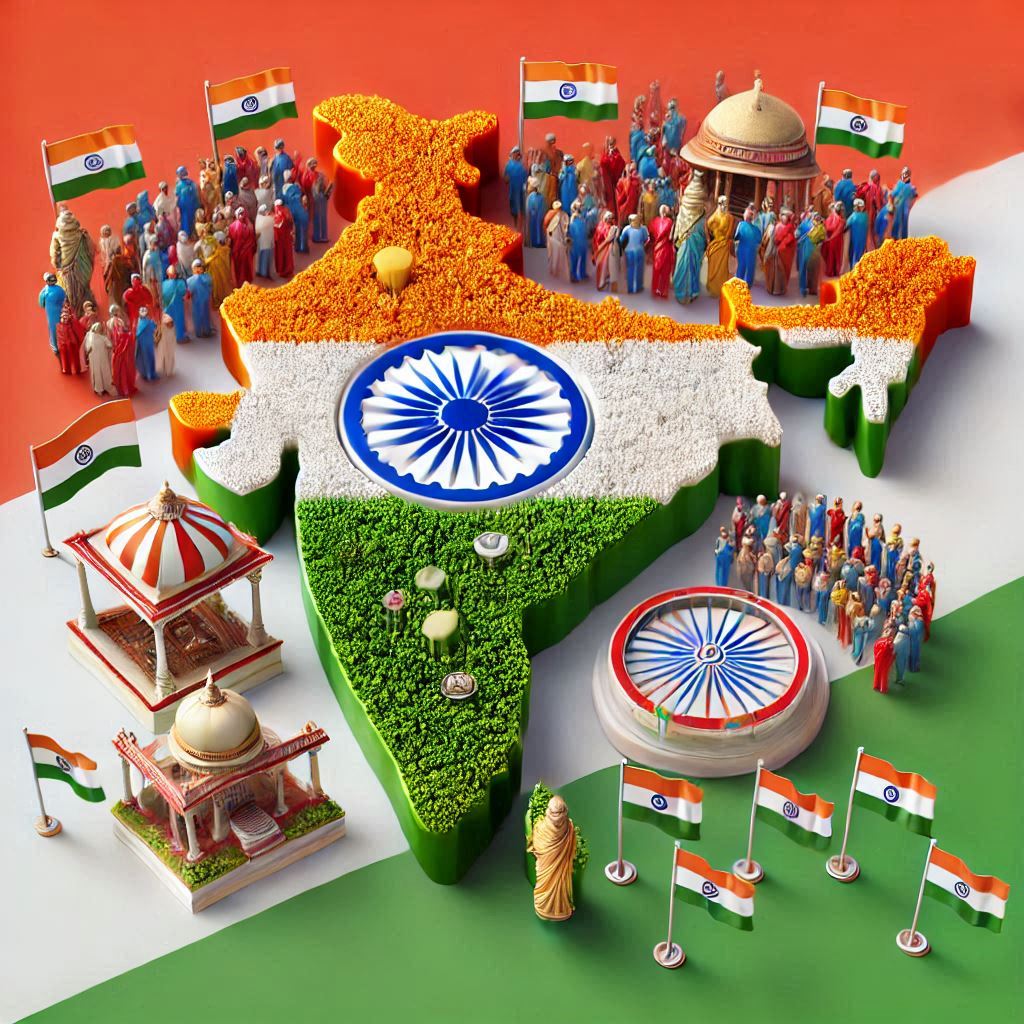
One Nation, One Election is a concept that proposes simultaneous elections for the Lok Sabha (the lower house of India’s Parliament) and all state legislative assemblies. This idea has been debated for years, and it has several potential advantages from both economic and governance perspectives.
Economic Advantages
- Cost Savings: Conducting elections is an expensive affair. Simultaneous elections would significantly reduce the costs associated with conducting multiple elections at different times. This includes expenses on security, logistics, and administrative arrangements.
- Economic Stability: Frequent elections often lead to policy paralysis, as governments tend to focus on short-term populist measures rather than long-term economic reforms. One Nation, One Election could provide a more stable policy environment, encouraging long-term economic planning and investment.
- Reduced Disruption: Elections often disrupt normal economic activities due to the imposition of the Model Code of Conduct, which restricts government actions. Simultaneous elections would minimize these disruptions, allowing for smoother economic functioning.
Governance Advantages
- Consistency in Governance: With simultaneous elections, there would be a single electoral mandate for both the central and state governments. This could lead to more coherent and consistent policy-making, as governments at different levels would be aligned in their objectives and timelines.
- Improved Efficiency: The administrative machinery involved in conducting elections would be utilized more efficiently. Resources such as security forces and election personnel could be deployed more effectively, ensuring a smoother electoral process.
- Focus on Governance: Frequent elections often divert the attention of politicians and bureaucrats from governance to electioneering. With One Nation, One Election, elected representatives would have more time to focus on governance and development issues, leading to better outcomes for the public.
Game Changer Potential
The implementation of One Nation, One Election could be a game changer for India. By reducing the frequency of elections, it would allow for more stable and consistent governance, fostering an environment conducive to economic growth and development. The cost savings and reduced disruptions would also contribute to a more efficient and effective government, ultimately benefiting the citizens.
While there are challenges and logistical issues to be addressed, the potential benefits make One Nation, One Election a compelling proposition for India’s future.