




 Vinay Karanam
 Hamilton, Waikato – Schools across the Waikato region are adopting innovative learning methods to enhance education and better prepare students for the future. From incorporating technology in classrooms to promoting hands-on learning experiences, these initiatives aim to foster critical thinking, creativity, and collaboration among students.
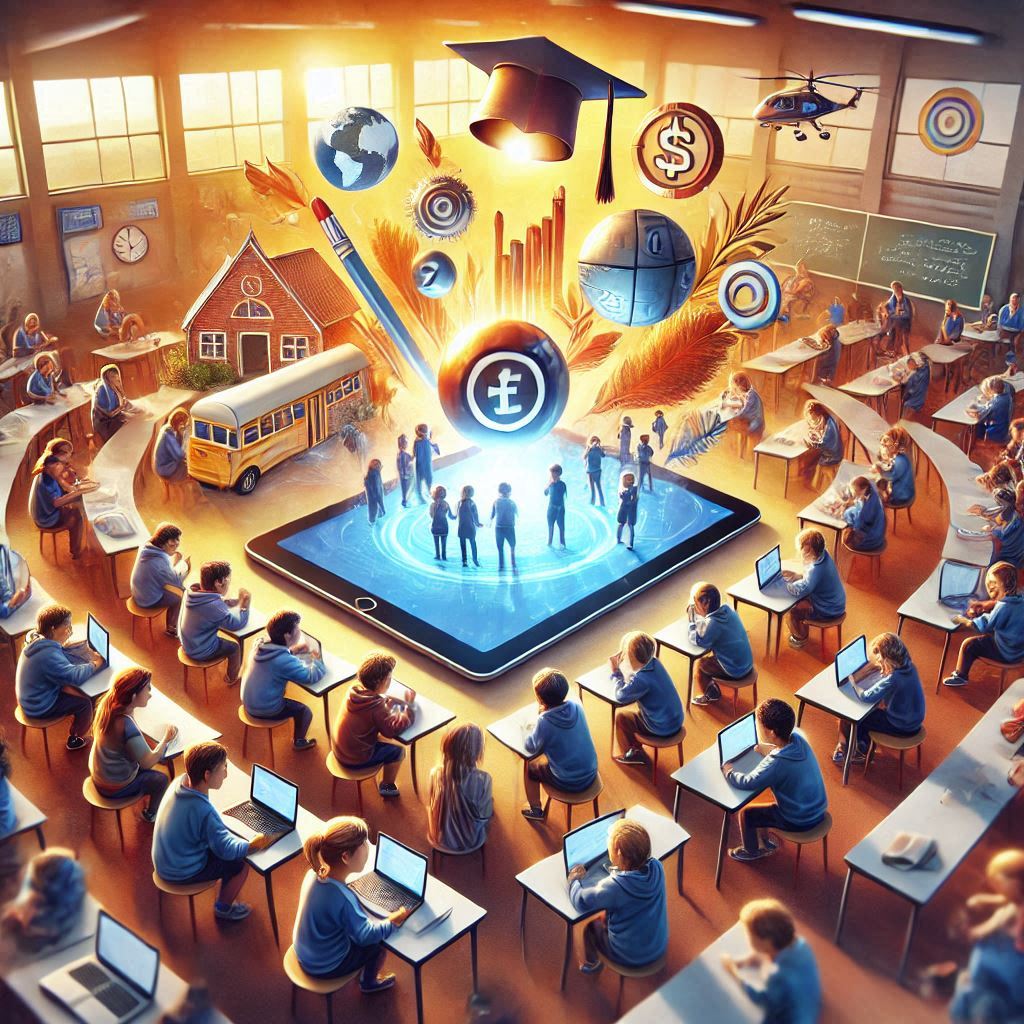
One standout example is the implementation of digital classrooms in several Hamilton primary schools. These classrooms are equipped with interactive whiteboards, tablets, and e-learning platforms that provide students with a dynamic and engaging educational experience. Teachers are using these tools to create customized learning plans that cater to individual student needs and learning styles.
Another significant development is the introduction of project-based learning at secondary schools in Waikato. This approach encourages students to work on real-world projects that require them to apply their knowledge and skills across multiple subjects. Projects such as designing sustainable energy solutions, developing community service programs, and creating business plans have allowed students to gain practical experience and develop problem-solving abilities.
Furthermore, the University of Waikato has launched new programs focused on STEM (Science, Technology, Engineering, and Mathematics) education. These programs aim to inspire and equip the next generation of innovators and leaders. The university’s collaboration with local industries provides students with opportunities to engage in internships and research projects, bridging the gap between academic learning and practical application.
Parents and educators alike have praised these innovative methods for their positive impact on student engagement and achievement. As Waikato schools continue to embrace these forward-thinking approaches, they are setting a standard for educational excellence and preparing students to thrive in an ever-changing world.