


 Lara Zijl
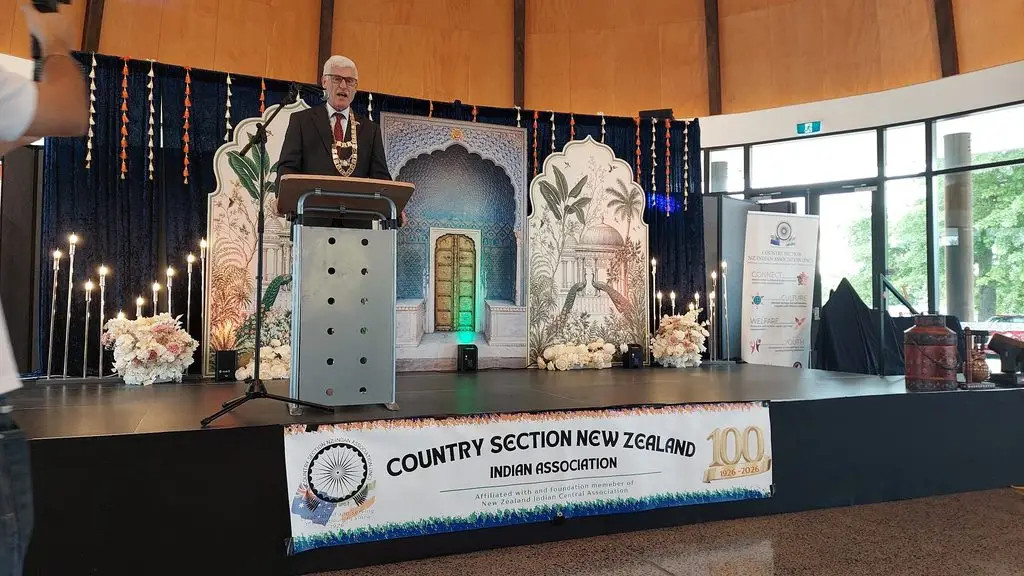
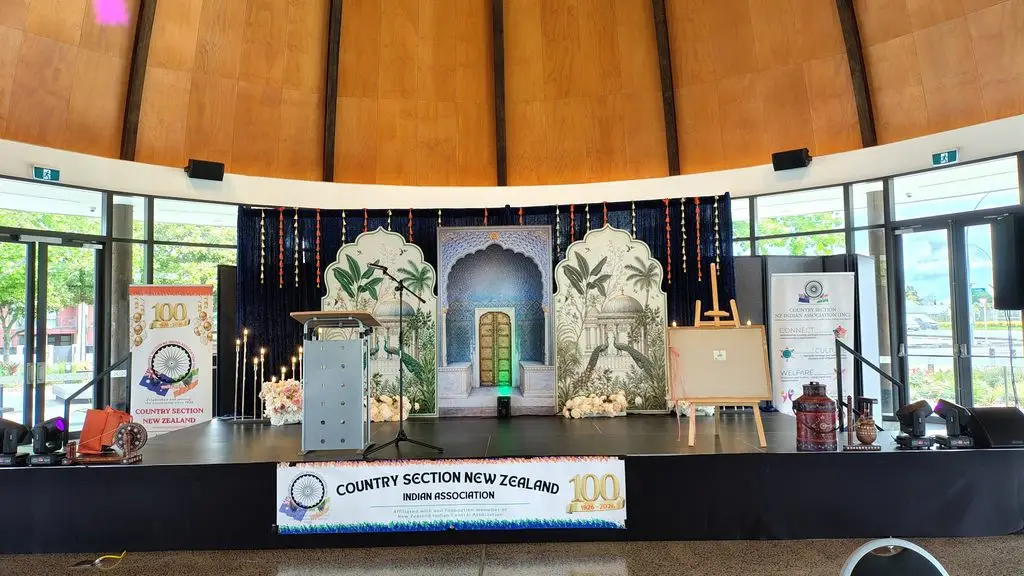
Hamilton, 25 October 2026: beneath the sweeping roof of K’aute Pasifika Fale, one of New Zealand’s oldest Indian community organisations marked a milestone few institutions ever reach. It was an afternoon of remembrance, pride and gratitude that honoured a hundred years of service, and a pioneer who died on the eve of the celebration.
There are anniversaries, and then there are moments when history itself seems to gather in a single room. Sunday 25 October 2026 was such a moment.
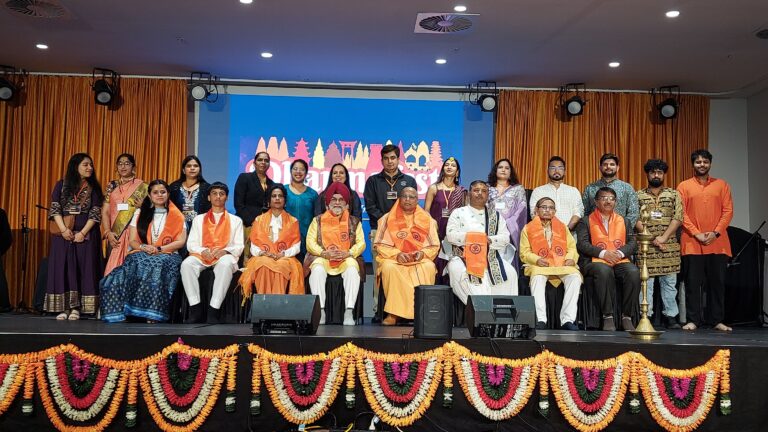
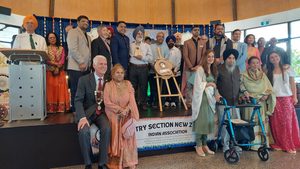
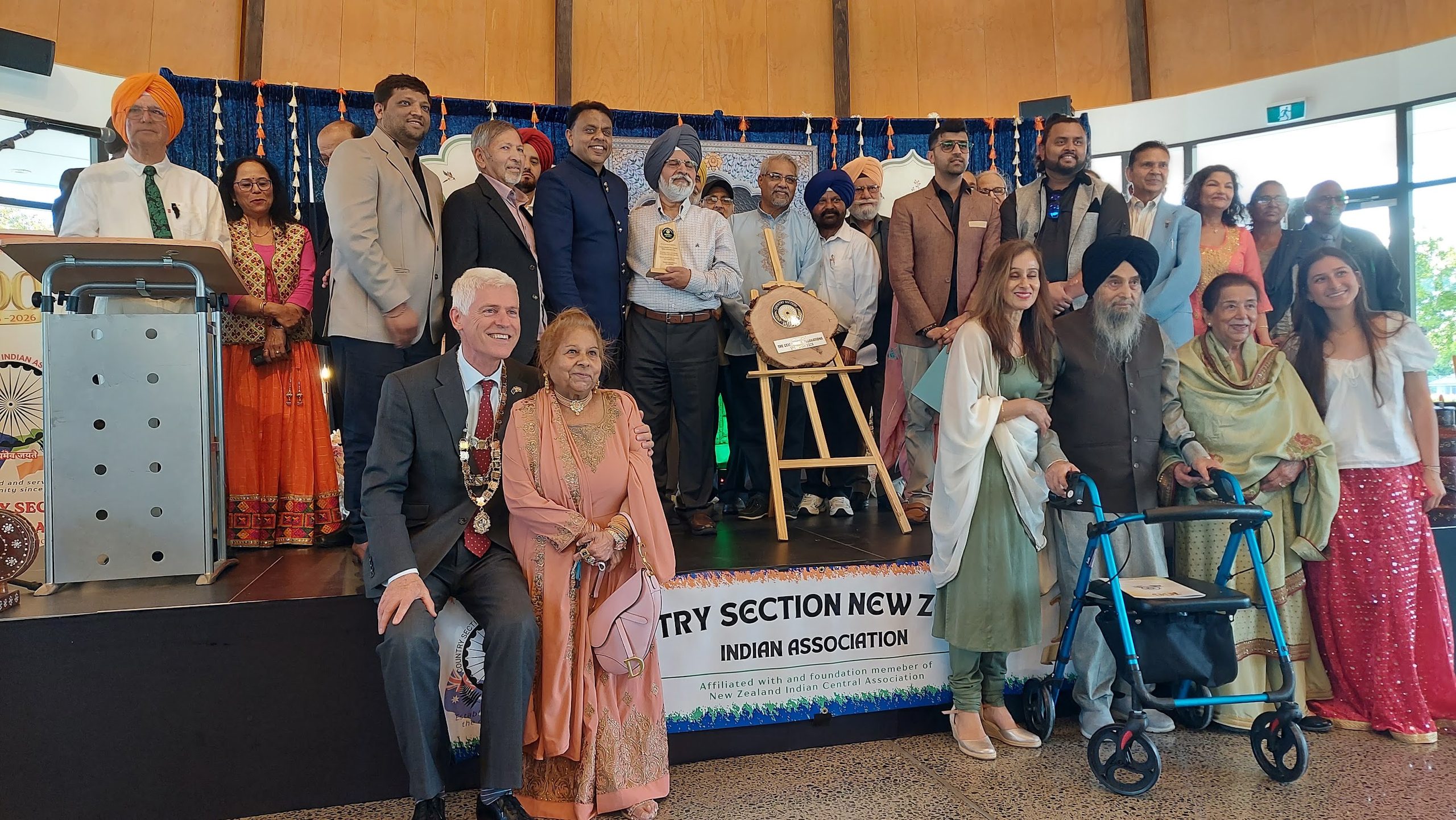
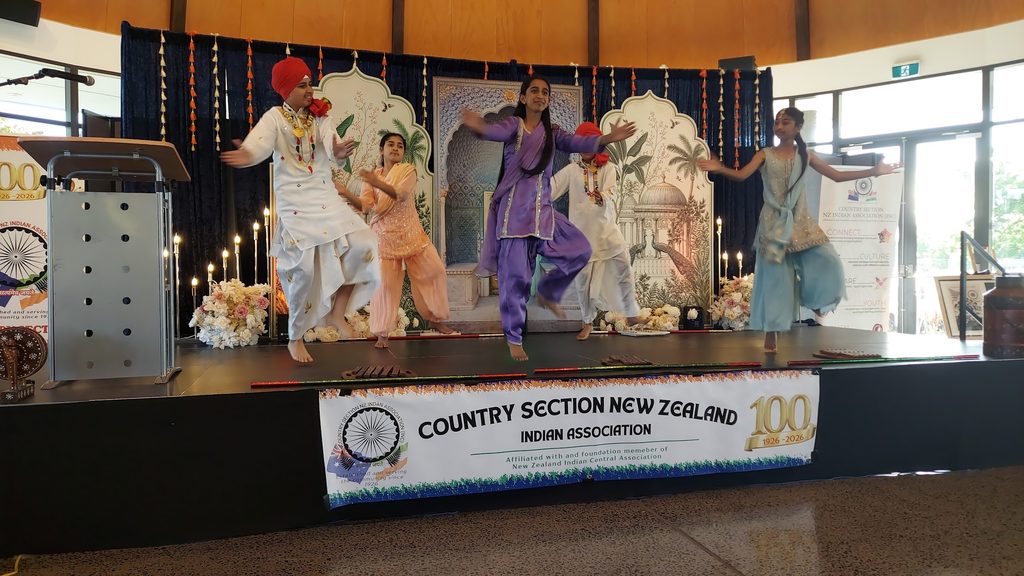
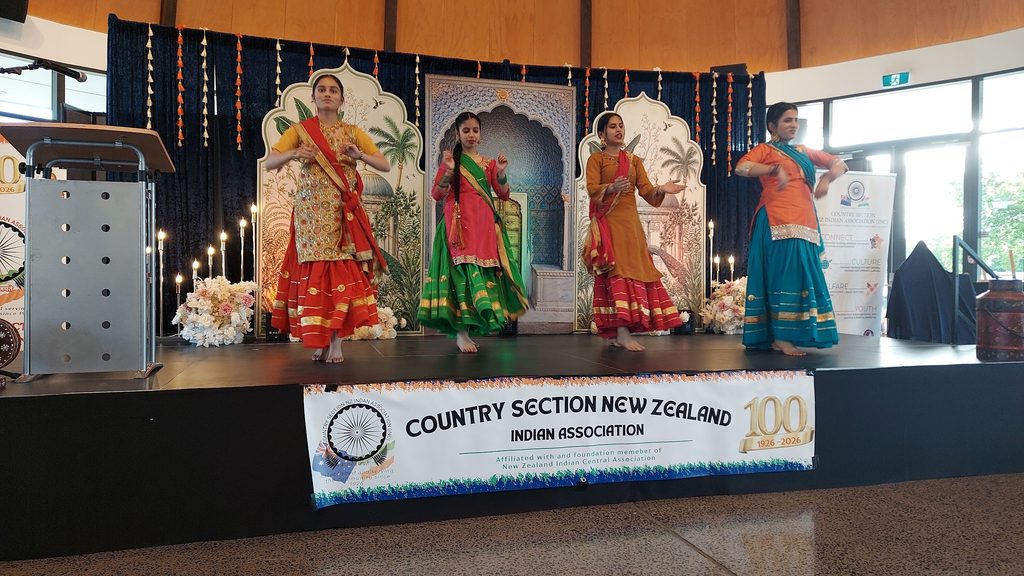
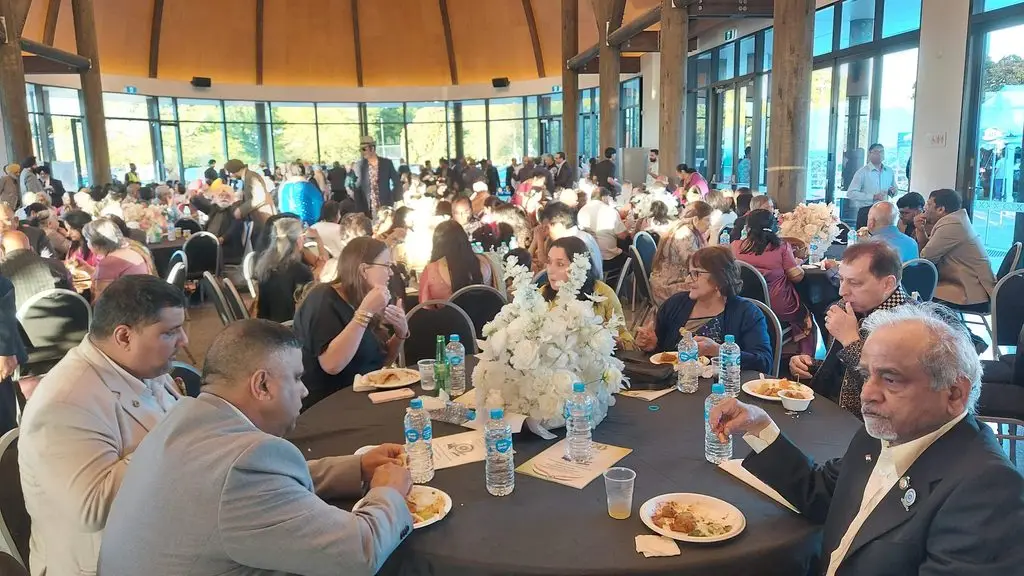
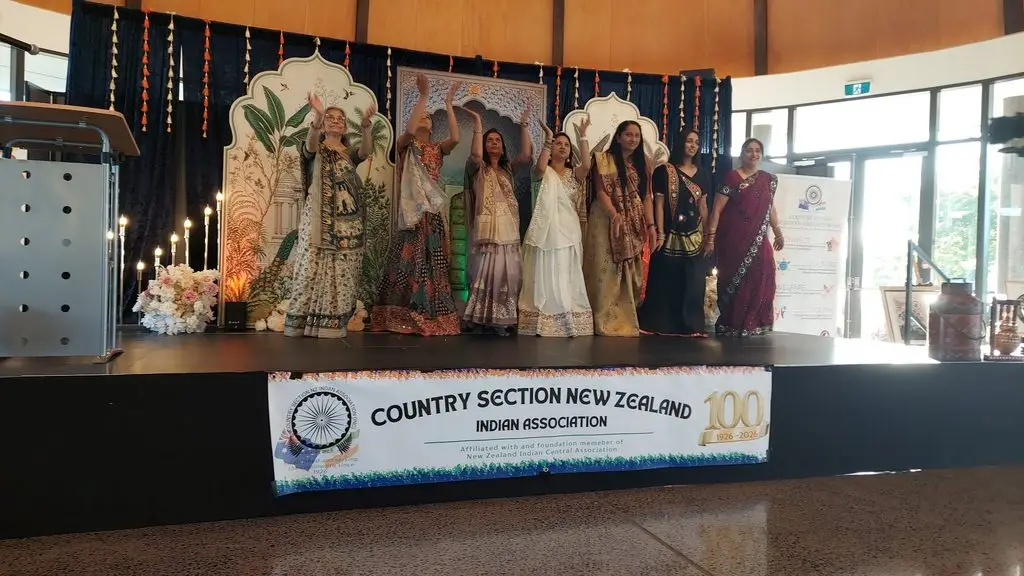
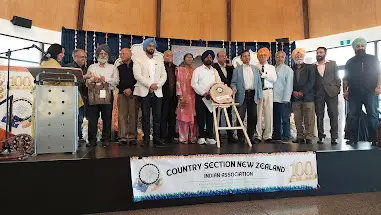
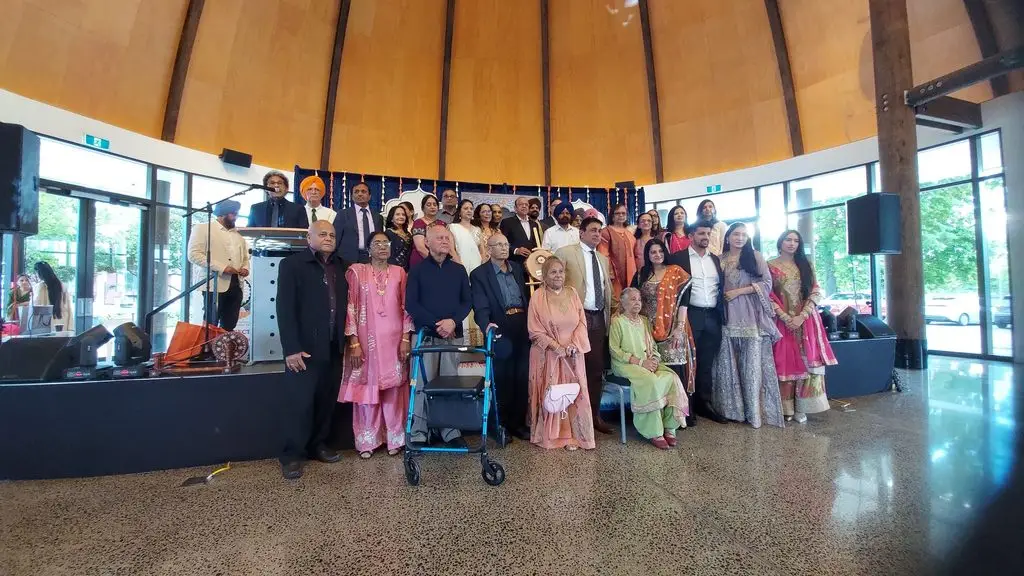
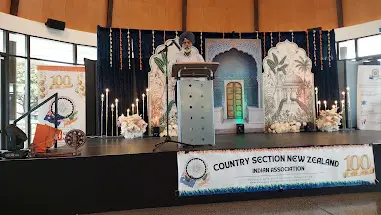
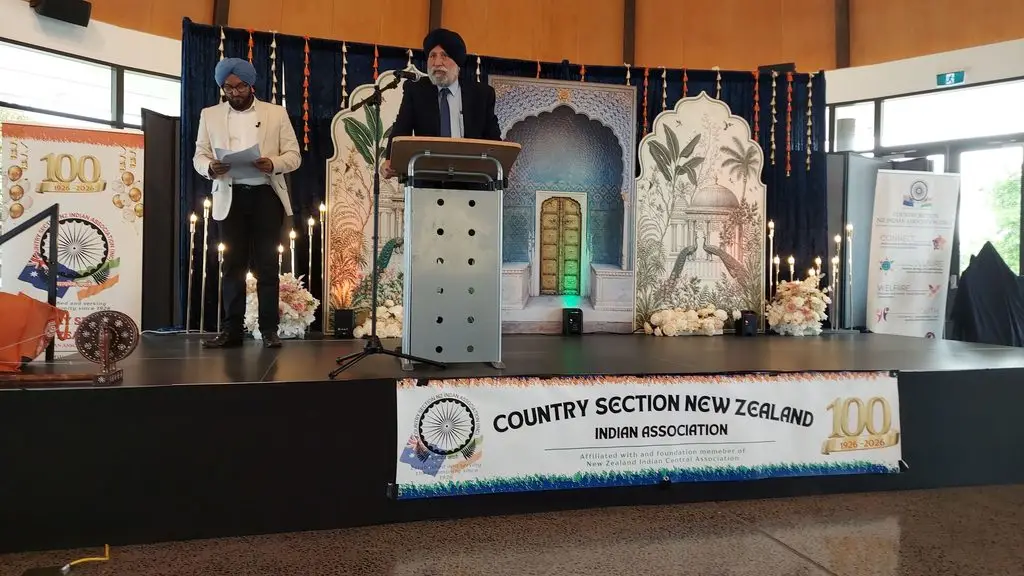
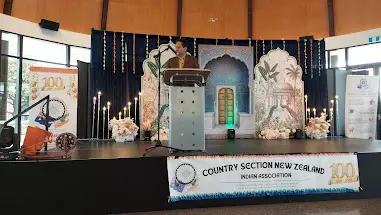
From three o’clock that afternoon, K’aute Pasifika Fale at 100 Seddon Road in Frankton filled with the colours, voices and memories of a community a century in the making. Elders in crisp turbans and graceful saris took their seats beside children who will carry the story into the 22nd century. Community leaders travelled from across the motu. Dignitaries and families who trace their roots to the King Country of the 1920s came together under one roof to celebrate the centenary of the Country Section New Zealand Indian Association (CSNZIA).
It was, by any measure, a grand occasion: a tribute to perseverance, a celebration of belonging, and a confident statement that the story begun by a handful of settlers in 1926 is far from finished.
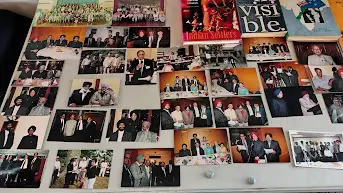
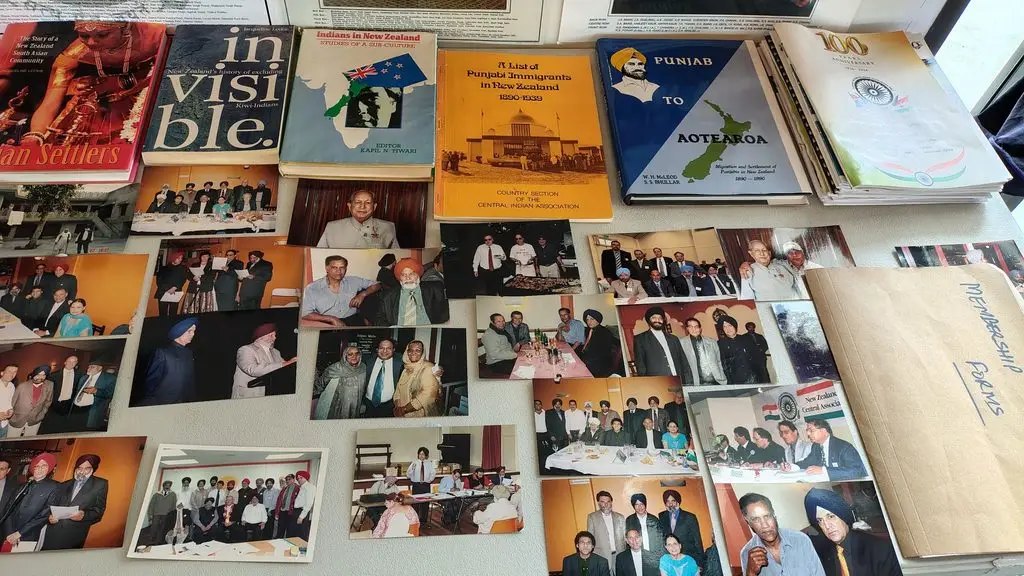
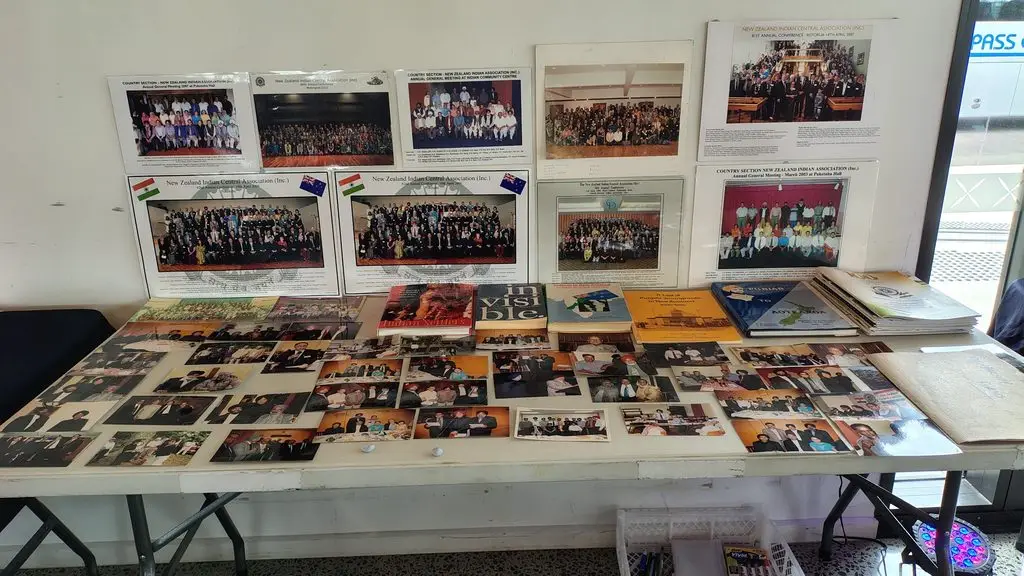
Where it all began
To understand the scale of the celebration, one must travel back a hundred years to Taumarunui, a modest railway town set among the rugged hills of the King Country.
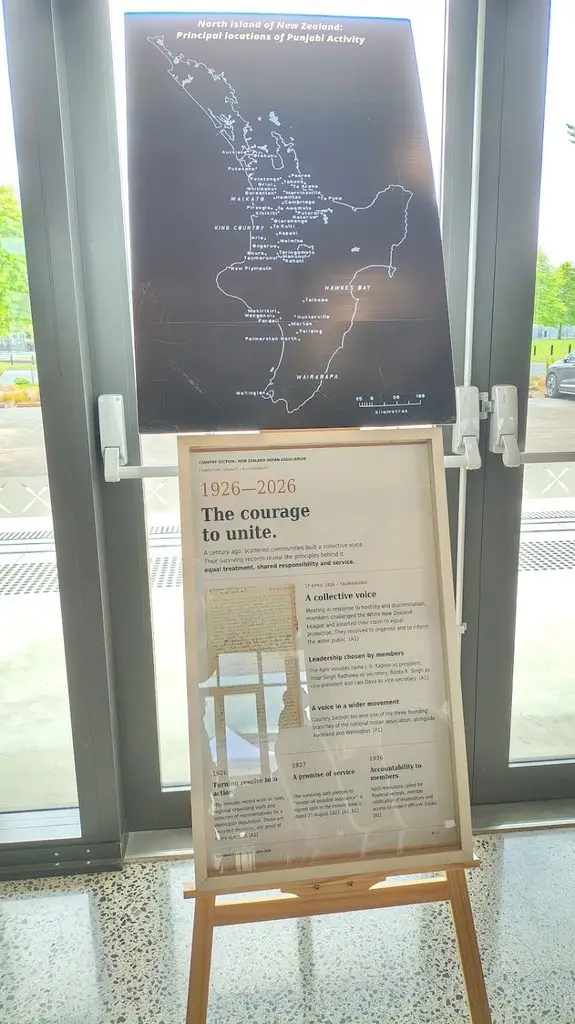
On 17 April 1926, a small band of Indian settlers met there. They were farmers, saw millers and storekeepers. Many had crossed vast oceans. Many had cleared the bush with blade and fire. All of them had felt the cold weight of exclusion. Newspapers questioned whether they belonged. Doors were shut in their faces. A movement calling itself the White League campaigned openly against their very presence in the country.
They might have retreated. Instead, they chose to stand together.
That evening they formed what was first called the Indian Association, the body that would become the Country Section New Zealand Indian Association. The founders resolved that no family should ever again face a closed door alone. A century later, that resolve still shines as brightly as the day it was spoken.
According to the association’s 100 Year Historical Booklet, unveiled at the celebration, the first president was Jagat Ram Kapoor, a saw miller and storekeeper. Inder Singh Randhawa was elected Secretary, Banta Ram Singh Vice-President, and Karam Singh Bassi Treasurer.
Though predominantly Punjabi, the young association embraced all Indians from its very first day. Gujarati members Lala Daya and Sukha Gosai served on the inaugural committee, and the branch championed Gujarati growers facing discrimination in Pukekohe. An early remit captured the founders’ spirit: members would stand strongly and unitedly as Indians, refusing to be divided by caste or creed.
Visionaries ahead of their time
The grandeur of the founders’ vision becomes clearer with every passing decade.
In 1926, India was still under British rule, and independence lay more than twenty years in the future. Yet these settlers, far from home, chose an identity that was national rather than regional. Theirs was not a Punjabi society or a Gujarati society, but an Indian association. Several of the founding generation were connected to India’s freedom movement, and their sense of unity foreshadowed the nation that would rise in 1947.
As British subjects, they claimed equal protection under the law regardless of colour, origin, language or creed. They pursued that claim not through anger but through letters, petitions and patient persuasion. Speakers recalled that the founding secretary wrote some 147 letters in just three months, carrying the association’s message across the region.
The cradle of a national voice
The Taumarunui meeting reached well beyond the King Country. At that same inaugural gathering, members decided to work towards a national body. The Taumarunui, Auckland and Wellington associations joined hands to create the New Zealand Indian Central Association (NZICA). With strong Taumarunui and Punjabi representation, NZICA was incorporated at Hamilton on 18 July 1927.
The Country Section can therefore claim a proud and singular distinction. It is one of the three foundation pillars on which the national voice of Indian New Zealanders was built, and it remains affiliated with NZICA to this day. In a year when NZICA has been marking its own centenary across the country, the Country Section’s celebration stood as one of its most moving chapters.
The CSNZIA was formally registered in 1929 with 134 members. A year later, Inder Singh Randhawa rose to the presidency.
A gathering of the whole community
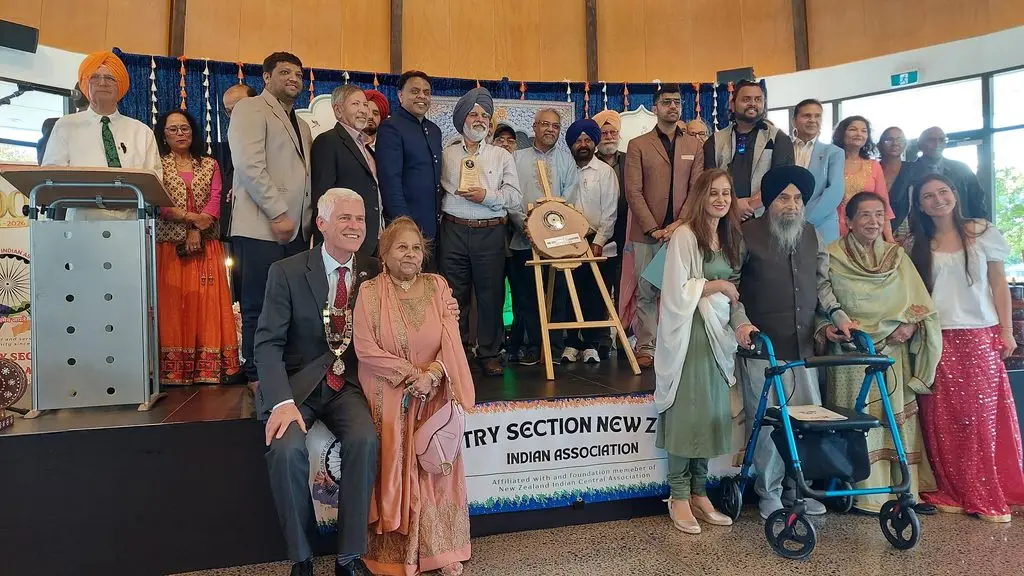
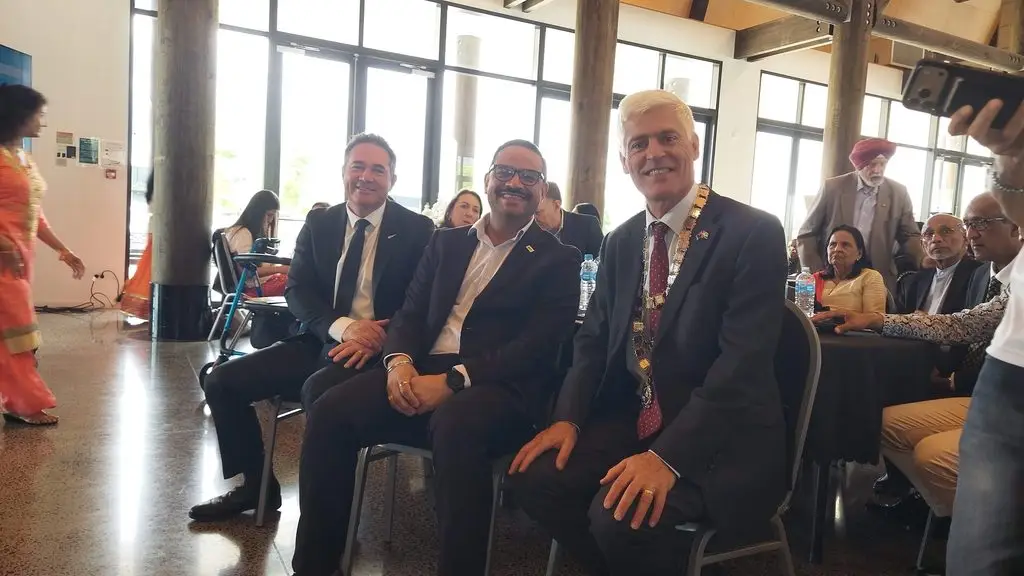
The breadth of the audience was itself a testament to the association’s standing. Members of Parliament representing Hamilton attended, along with candidates for the city, Hamilton Mayor Tim Macindoe and other civic leaders.
They were joined by leaders and representatives of a remarkable array of community organisations:
- New Zealand Indian Central Association
- Auckland Indian Association
- Indian Association Manukau
- Pukekohe Indian Association
- Waikato Indian Association
- Waikato Indian Sports Club
- Central Districts Indian Association
- Tauranga and Western Bay Indian Association
- Bay of Plenty (Rotorua) Indian Association
- Punjabi Cultural Association Auckland
- Uttarakhand Association of New Zealand
- New Zealand Kannada Koota
- Telangana Central Association
- Waikato Multicultural Council
North and south, Punjabi and Kannadiga, Telangana and Uttarakhand, Indian and multicultural: the gathering mirrored the very unity the founders had dared to imagine a hundred years earlier.
A son’s tribute, a father’s legacy
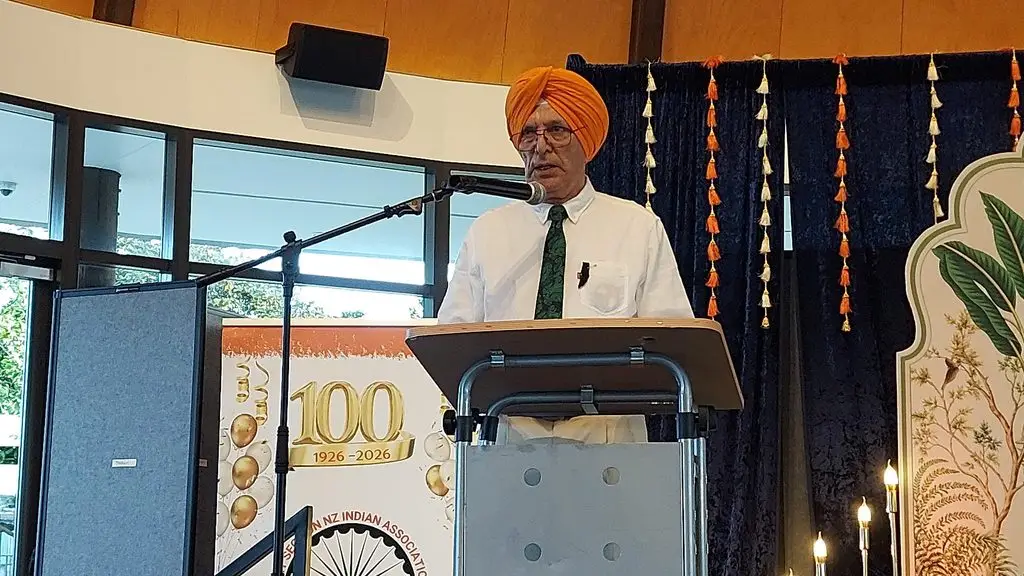
The celebration was led by master of ceremonies Navtej Singh Randhawa. His family history is woven deeply through the association’s own: the Randhawa name stands among the founding office-bearers of 1926 and recurs proudly through the decades on the roll of officers.
The afternoon opened with a moment that hushed the fale. Mr Randhawa told the audience that his father, Sardar Ajit Singh Randhawa, had passed away only the day before. With quiet dignity, he chose to carry on, dedicating the celebration to his father and to the association his family had served for generations. He asked the hall for patience and grace, and received both in abundance.
Sardar Ajit Singh Randhawa was himself part of this living history. The officers’ roll records him as General Secretary of the Country Section in 1972. He was remembered as a true pioneer who, among many contributions, worked to bring other Indian communities into the fold of the New Zealand Indian Central Association. Speaker after speaker offered heartfelt condolences to the Randhawa family and honoured his wisdom, his generosity and his decades of service.
A son standing on stage to celebrate a centenary, a day after losing his father, gave the afternoon its deepest meaning. A centenary, Mr Randhawa told the gathering, is not an abstract idea. It is a family, and it is every family in this city.
In the audience sat several generations of the families whose names fill the association’s history. Among them were great-great-grandchildren of the founding generation, the living proof that the seed planted in Taumarunui has grown into a mighty tree.
Words of tribute
Chief guest Dennis Turton, Chief Executive of Trust Waikato, paid warm tribute to the Indian community’s enduring contribution to New Zealand life, from farming and manufacturing to health and information technology. He reflected on the remarkable distance travelled since the settlers of 1926 first organised to seek fair treatment.
The national president of NZICA saluted the founders’ extraordinary foresight in choosing a united Indian identity. He announced that the association’s centennial history, previously available only in print, will also be released in digital form, so that the story can reach a new generation wherever they may be.
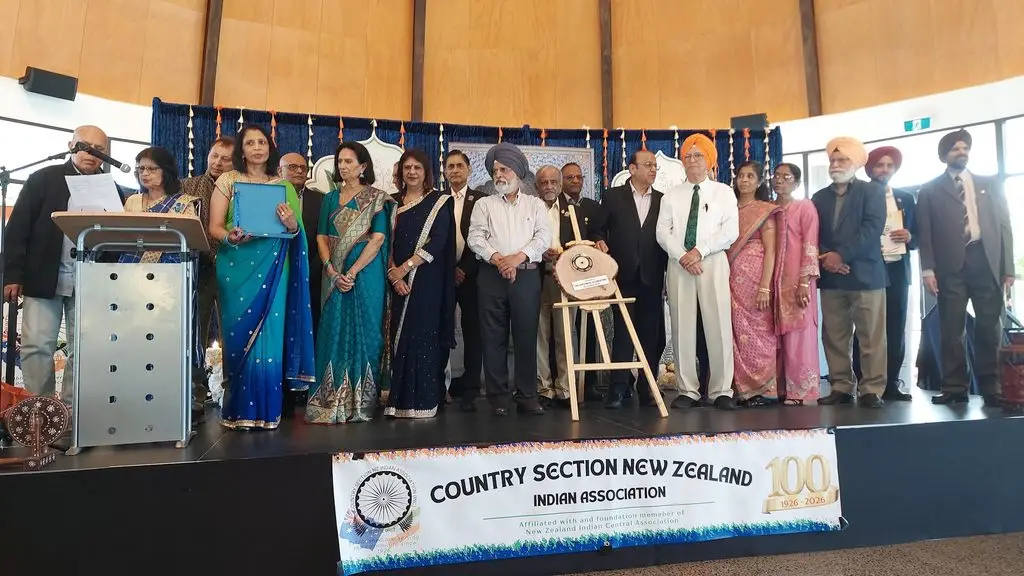
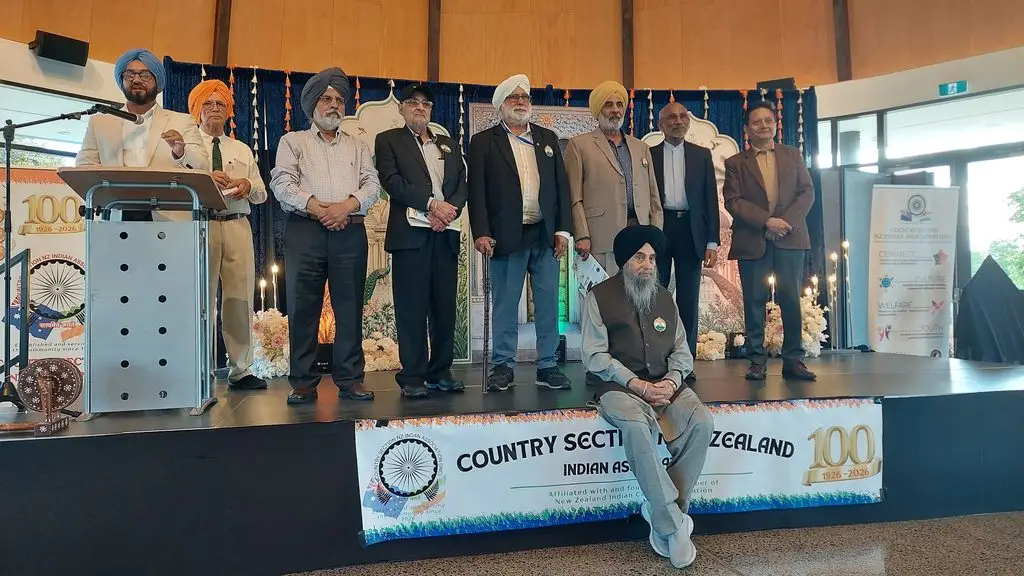
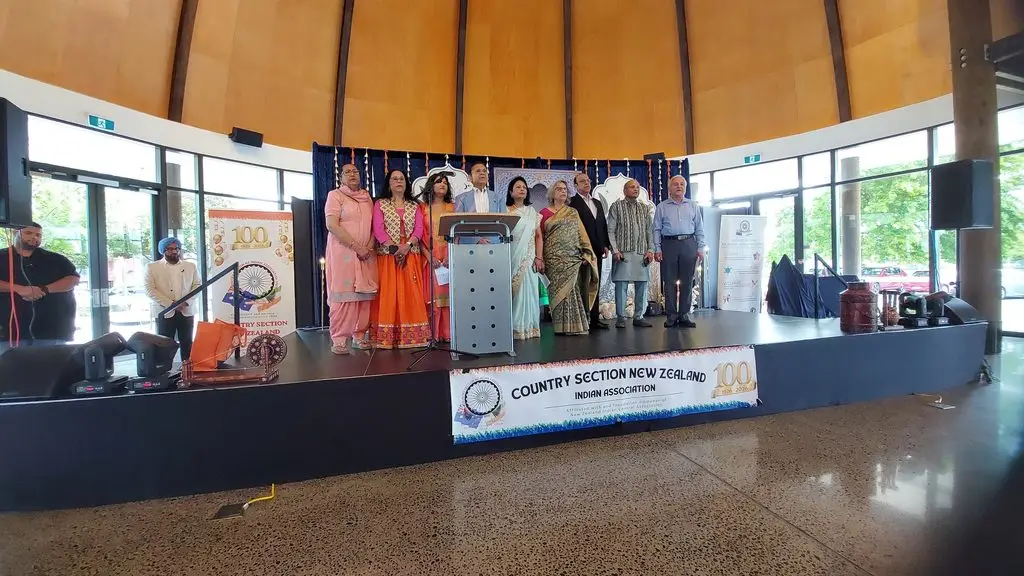
Leaders of sister associations came to the stage one after another, bearing congratulations, gifts of appreciation and messages of enduring solidarity. Senior members of the community were also invited forward and received a standing tribute for lifetimes of service.
From wilderness to green pasture
The story told that afternoon was rooted deep in the whenua. The founding families were farmers, many in dairy and sheep, and their early years were spent coaxing farmland from untamed bush.
Two evocative narrative films transported the audience across the century. The first recreated the founding era: the shut doors, the quiet gathering of settlers and the brave decision of 1926. The second traced the immigrant journey of weeks upon the open sea and long rattling train rides, followed by the backbreaking labour of felling trees, burning scrub and sowing grass on hillsides that had never known a plough. Slowly, wilderness gave way to pasture, and pasture to community.
One speaker shared a tender recollection. When he showed the film to his father, the older man urged him to make sure it was never told as an Indian story alone, because it belonged to every New Zealander who built a living on that land alongside the Indian settlers. It was a gracious reminder that this centenary belongs to Aotearoa as a whole.
The association’s meeting places trace the journey of its people across the North Island. In the early years, Taumarunui was the heart of it all. Annual meetings later moved to the Grand Hotel in Frankton, only a short distance from where the centenary was celebrated. When Punjabi families moved south in the 1930s, members met in Feilding or Marton. After the Second World War, as families returned north to buy farms, the association made its home at the historic Gordonton Hall in the Waikato, where it gathered until recent years.
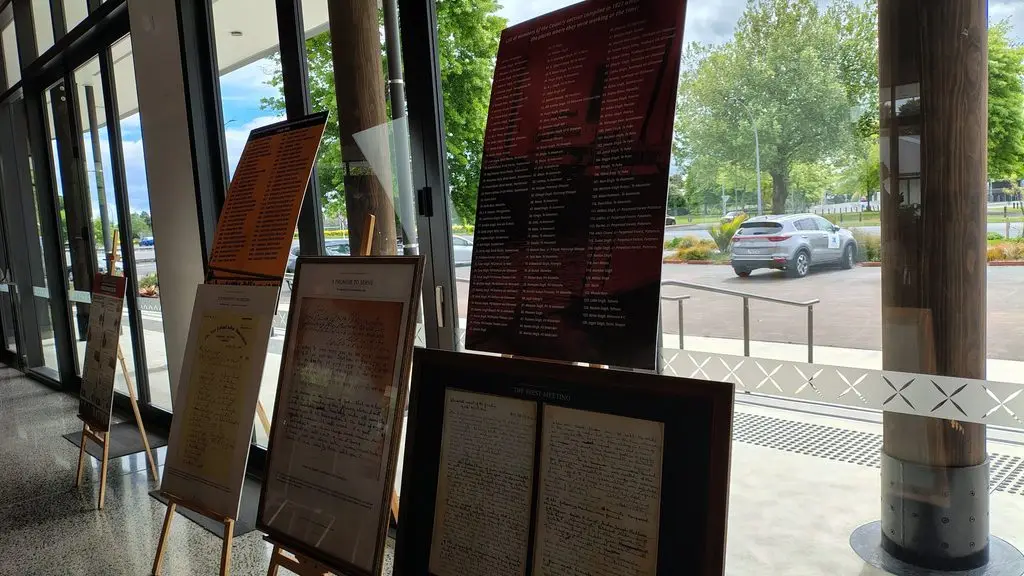
For families on remote farms, the annual meeting was a cherished highlight of the year. The minutes themselves were faithfully recorded, mostly in Punjabi (Gurmukhi) or Urdu script.
A century of steadfast service
The officers’ roll, reproduced in full in the centennial booklet, is a remarkable document of continuity. A few early years are marked “no record found”, including 1932 to 1935, 1937 to 1938 and 1944 to 1945. The entry for 1992 and 1993 reads candidly: “No meeting due to legal dispute.” The association weathered that storm too, and meetings resumed in February 1994 under President Hardev S Kung.
Certain names echo through the generations, including Randhawa, Bains, Kung, Basi, Bindra, Deo, Virk and Bange. The roll reads less like a list of office-holders than a family tree of devotion, passed from parent to child and from one decade to the next.
The association today
A century on, the CSNZIA remains a vibrant and active foundation branch of NZICA. Its centenary committee is:
- President: Paramjeet Singh Parihar
- Vice-President: Rupinder Singh Virk
- General Secretary: Madanjeet Singh Bange
- Assistant Secretary: Savneet Walia / Saju Kurian
- Treasurer: Surjit Kumar
- Auditor: Bhupinder Singh Bains
The office-bearers are supported by a dedicated team of twelve executive members.
Over the decades, the association has raised its voice on immigration, race relations, discrimination, human rights, health and welfare, law and order, and the portability of retirement pensions. It has also advocated on Overseas Citizenship of India, political representation, and access to Indian television, newspapers and radio. More recently, it has joined other organisations to speak with one voice on councils’ changes to cremation rules.
The community it serves has flourished beyond the founders’ wildest dreams. The settlers who met in Taumarunui numbered in the dozens. At the 2023 Census, New Zealand’s Indian community had grown to more than 292,000 people, about 5.8 percent of the nation’s population.
Treasures for the ages
The centenary was marked with a series of commemorative treasures, each rich in meaning.
The centennial booklet preserves the founding story, the association’s objectives and early rules, and its complete roll of officers since 1926. The first copies were presented to distinguished guests, and every life member is to receive a personal copy.
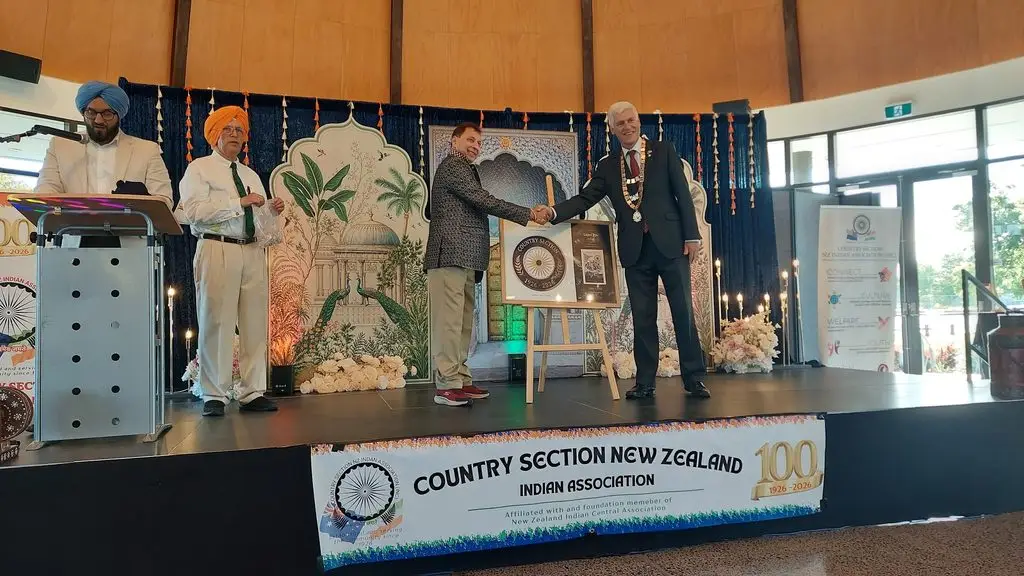
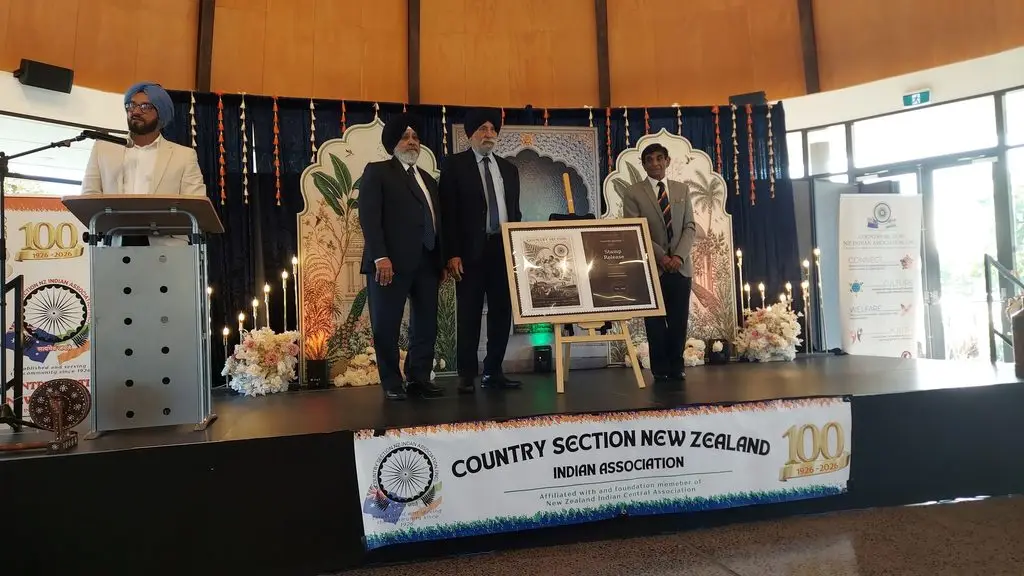
A magnificent carved pōhutukawa plaque was unveiled by the association’s president alongside Hamilton Mayor Tim Macindoe. Mr Randhawa explained the choice of timber with poetic eloquence. The pōhutukawa clings to rocky coastlines, braves fierce winds and storms, and can live for centuries. Each of its growth rings tells a story of time, survival and endurance, just as each generation has added its ring to the association’s hundred-year journey. Born of this land, the plaque stands as a symbol of strength, belonging and permanence, as much a part of New Zealand’s history as of India’s.
A limited-edition centennial lapel pin bears the years 1926 to 2026 and the association’s three founding values: Courage, Unity and Service. Only 100 were made, and they will never be made again, making each one a once-in-a-lifetime keepsake.
A commemorative centennial design brings together ferns, the Ashoka Chakra, a steam train, and families of many faiths and generations. It is a fitting emblem of a century of collaboration between community and service.
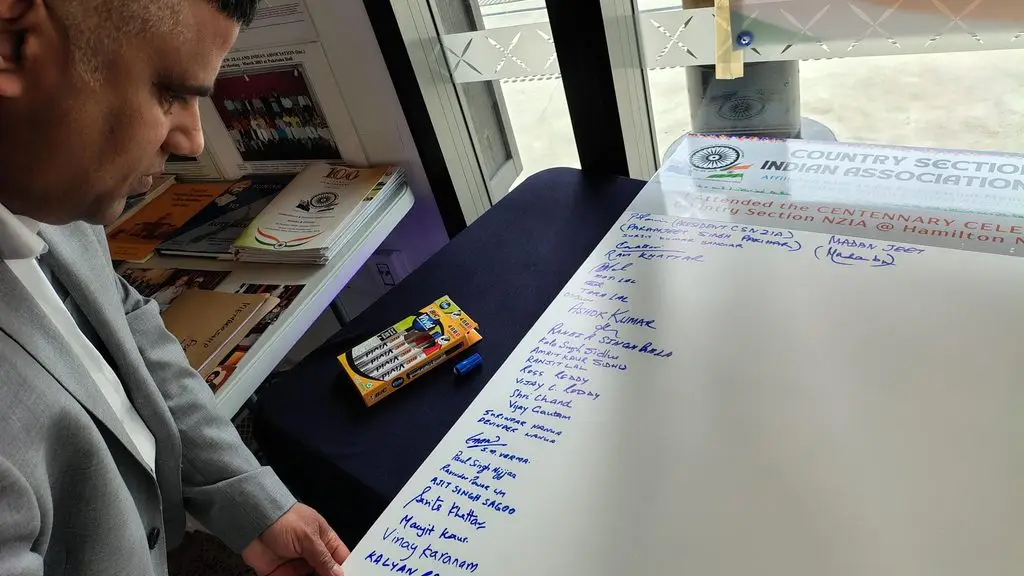
A time capsule crowned the formal programme. Guests and every visiting organisation were invited to sign a great sheet that will be sealed away, to be opened in 2126 by a generation not yet born. It was a message of hope sent a hundred years into the future.
Honouring the faithful
Life membership badges were presented to long-serving members who have given years of their lives to the association. Among them was Treasurer Surjit Kumar, warmly hailed from the stage as a “silent warrior” for his long and selfless service. In one especially moving gesture, the committee reached out personally, after many calls and messages, to an elderly life member who had not been visited for some time. The hall responded with deep emotion.
Behind the seamless afternoon lay months of devoted preparation. Organisers described weekly planning meetings over two months, with every segment of the programme carefully rehearsed. The association expressed its heartfelt gratitude to Hamilton City Council and to its many community and business sponsors.
As the formal proceedings drew to a close at six o’clock, guests lingered for drinks and dinner. The fale rang with laughter, reunions and stories shared across generations, and the conversation turned naturally from history to family.
Onward to the next hundred years
The association’s objectives remain remarkably close to those set down a century ago. They are to advance the interests, welfare and status of Indian-origin New Zealanders, to keep members informed on legislation that affects them, to preserve and celebrate Indian culture, and to extend a helping hand to those in need.
Again and again, speakers turned to the young, entrusting them with the torch and expressing confidence that they would carry it boldly into the next century. The association closed with a heartfelt invitation: that every person of Indian origin in New Zealand join an Indian association and help keep the collective voice strong.
A hundred years ago, a handful of settlers in a Taumarunui room made a simple, unbreakable promise. Sardar Ajit Singh Randhawa honoured it throughout his life, and on centenary day, his son honoured it on stage. That promise lives on in every family who gathered in Frankton, and it echoes now into a second glorious century: that no family will ever again face a closed door alone.