 Vinay Karanam
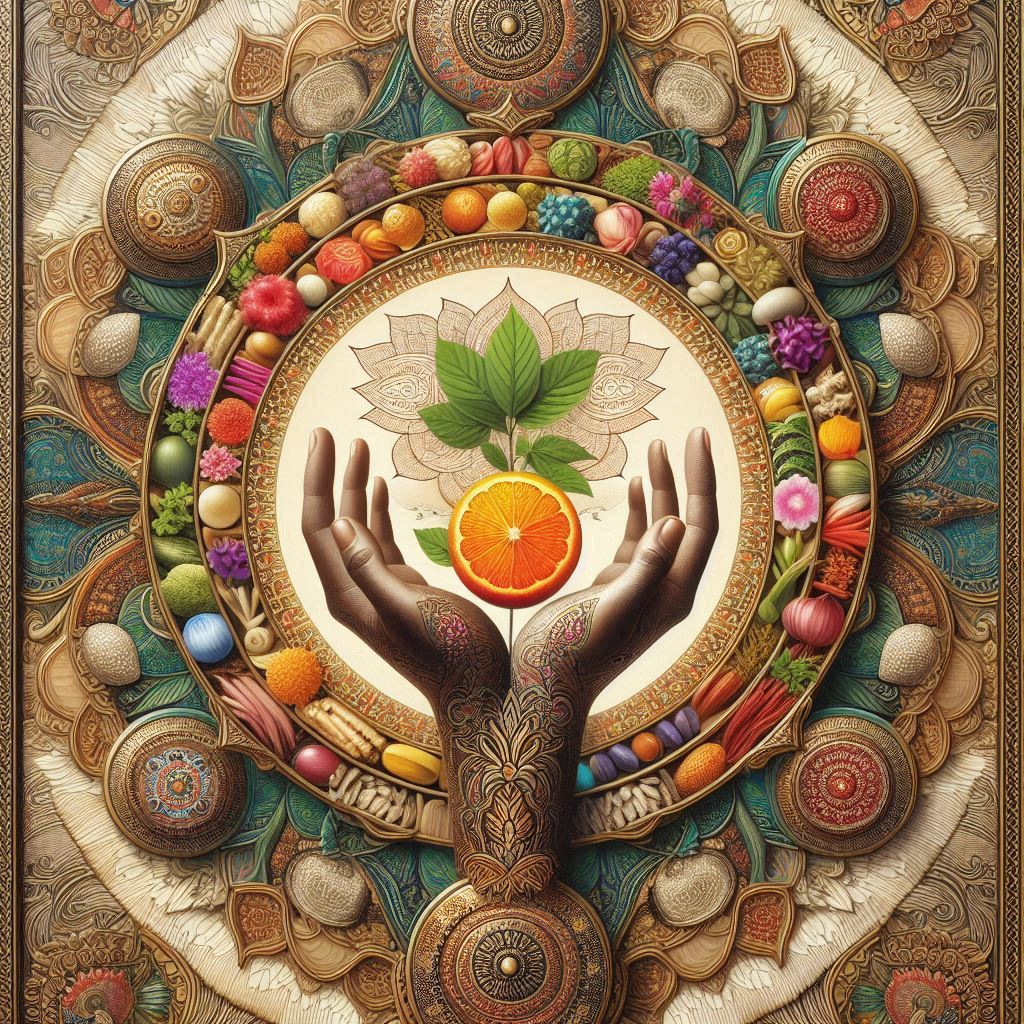
 Step into a quiet courtyard in Kerala, where the air hums with the scent of turmeric and sandalwood, and an old healer presses oil into aching shoulders with hands that seem to know more than they tell. Or picture a bustling market in Varanasi, where a vendor piles herbs into a basket, promising relief from a sleepless night. This is the 23rd chapter of our 100-article trek through Bharat Is Not for Beginners, a journey that’s already walked us through Vedic chants, architectural wonders, and the rhythmic whirl of classical dance. Now, we’re settling into something gentler yet just as mighty—Bharat’s healing hands, the legacy of Ayurveda, a system of wellness that’s been soothing bodies and souls for thousands of years. This isn’t a quick fix or a fad; it’s Bharat at its nurturing best, offering the world a way to feel whole again.
Bharat doesn’t mess around when it comes to living well—it’s been figuring that out since forever. Ayurveda isn’t just medicine; it’s a philosophy, a quiet rebellion against rushing through life. It’s about balance, about knowing yourself, about letting nature lend a hand. From Himalayan herbs to coastal oils, it’s a gift that’s kept Bharat strong through centuries of upheaval and still lights the way today. This isn’t for the impatient—it’s a slow dance with a civilization that’s got healing down to an art.
The Roots That Run Deep
Let’s go back—way back—to around 3000 BCE, when Bharat’s sages weren’t just pondering the stars but also the secrets of staying alive. Ayurveda, meaning “the science of life” in Sanskrit, didn’t drop out of nowhere. It’s tied to the Vedas (Article 1), especially the Atharvaveda, where hymns whisper about plants and cures. Two big names—Charaka and Sushruta—put it on paper later, around 1000 BCE. Charaka’s Charaka Samhita is like a guidebook for living right, while Sushruta’s Sushruta Samhita dives into surgery with details that’d make a modern doc blink—like stitching up wounds with ant jaws.
This wasn’t some mystical mumbo-jumbo. It was practical, rooted in watching the world—how seasons shift, how food fuels, how stress knots you up. They broke it down: three energies, or doshas—Vata (air), Pitta (fire), Kapha (earth)—running your show. Get them out of whack, and you’re off; balance them, and you’re golden. Herbs like ashwagandha, oils from sesame, even cow ghee—they weren’t guesses; they were Bharat’s first pharmacy, tested by time. It’s a system so sharp it feels like those old healers knew us before we knew ourselves.
Everyday Magic: Healing the Bharat Way
Ayurveda didn’t stay in scrolls—it spilled into life. Picture a farmer in Punjab chewing neem twigs to keep his teeth clean, or a grandma in Tamil Nadu brewing tulsi tea for a cough. It’s not fancy—it’s just how Bharat rolls. Morning starts with oil pulling—swishing sesame in your mouth to wake up your system. Meals aren’t random; they’re matched to your dosha, spiced with turmeric or cumin to keep things humming. Got a headache? Massage some brahmi oil into your scalp and breathe. It’s hands-on, homegrown, and everywhere.
Villages had their vaidyas—healers who’d mix pastes from backyard plants or chant a prayer while they worked. In Kerala, they perfected Panchakarma—five detox tricks, like sweating out toxins in a steam bath or sipping medicated ghee. Up north, Himalayan monks swore by shilajit, a sticky resin they scraped off rocks to boost stamina. It wasn’t elite stuff—kings and cowherds alike leaned on it. Bharat turned healing into a community hug, a legacy that’s still got folks reaching for ginger over pills when the cold hits.
Cutting Edge, Ancient Style
Don’t think Ayurveda was all soft vibes—Sushruta was out here doing surgeries when the world was still figuring out sharp sticks. Rhinoplasty? Yep, he rebuilt noses with skin flaps, a trick that stunned British docs centuries later. Cataracts? He’d flick them out with a needle, no fuss. His toolkit—121 instruments, from scalpels to probes—shows Bharat wasn’t just dreaming big; it was doing big. Charaka, meanwhile, mapped digestion and immunity like a scientist, linking food to mood long before “gut health” was a buzzword.
This wasn’t random—it built on Bharat’s math and science smarts (Articles 8, 20). They measured doses, tracked stars for harvest times, even boiled herbs with a precision that’d rival a lab. It’s why Ayurveda’s not some dusty relic; it’s a foundation that keeps proving itself, from ancient operating tables to today’s wellness blogs.
The Modern Revival: Bharat Shares the Secret
Fast forward to now—Ayurveda’s not hiding in history; it’s having a moment. After colonial rule tried to shove it aside, Bharat dusted it off in the 20th century. Clinics popped up, schools started teaching it, and folks like Swami Ramdev turned it into a movement—yoga and herbs for all. Today, you’ll find Ayurvedic spas in Goa rubbing coconut oil into stressed-out tourists, or doctors in Delhi blending it with modern meds for cancer care. It’s not stuck—it’s growing, adapting, showing Bharat’s knack for keeping the old alive in new ways.
Globally? It’s a quiet takeover. Walk into a health store in Wellington—there’s turmeric shots and ashwagandha pills, straight out of Bharat’s playbook. Yoga studios (Article 17) pair it with stretches, Hollywood stars swear by it, and scientists are digging in—studies say it helps with stress, diabetes, even arthritis. It’s not a trend; it’s Bharat’s healing hands reaching out, proving this ancient art’s got legs for the long haul.
Why It’s Still Here
How does something this old stick around? Because it works—and because Bharat’s people wouldn’t let it go. Families pass down recipes, villages guard their vaidya secrets, and now universities like AIIMS are training docs in it. UNESCO’s got its eye on it too, calling those Vedic roots a world treasure. It’s not perfect—quacks peddle fakes, and it’s no magic bullet—but at its core, Ayurveda’s a survivor, a testament to a civilization that knows how to care for its own.
Why It’s Worth Knowing
So why should you care about Bharat’s healing hands? Because it’s a warm handshake from a place that’s been sorting out life’s messes forever. It’s practical—grab some ginger next time you’re sniffly—and it’s deep, nudging you to slow down, tune in, feel good. For us in New Zealand or beyond, it’s a peek at a culture that turns plants into power and balance into bliss. Try it—brew some tulsi, rub some oil, see what Bharat’s been on about. It’s not a cure-all, but it’s a start, and it’s pure Bharat: generous, grounded, and glowing.
Excerpt
Here we are, 23 articles into our 100-part dive through Bharat Is Not for Beginners, and Bharat’s still unfolding like a gift that keeps giving. From Ayurveda’s healing touch to the wonders we’ve already uncovered, this land’s got a story for every soul. Stay with us—tomorrow’s Article 24 waits just around the bend, ready to shine another light on this incredible civilization. Join us next for Article 24: Bharat Is Not for Beginners – The Sacred Forge: Bharat’s Metallurgical Marvels and Ancient Craftsmanship, where we’ll explore the fires that shaped a nation’s tools, temples, and treasures.