Lara Zijl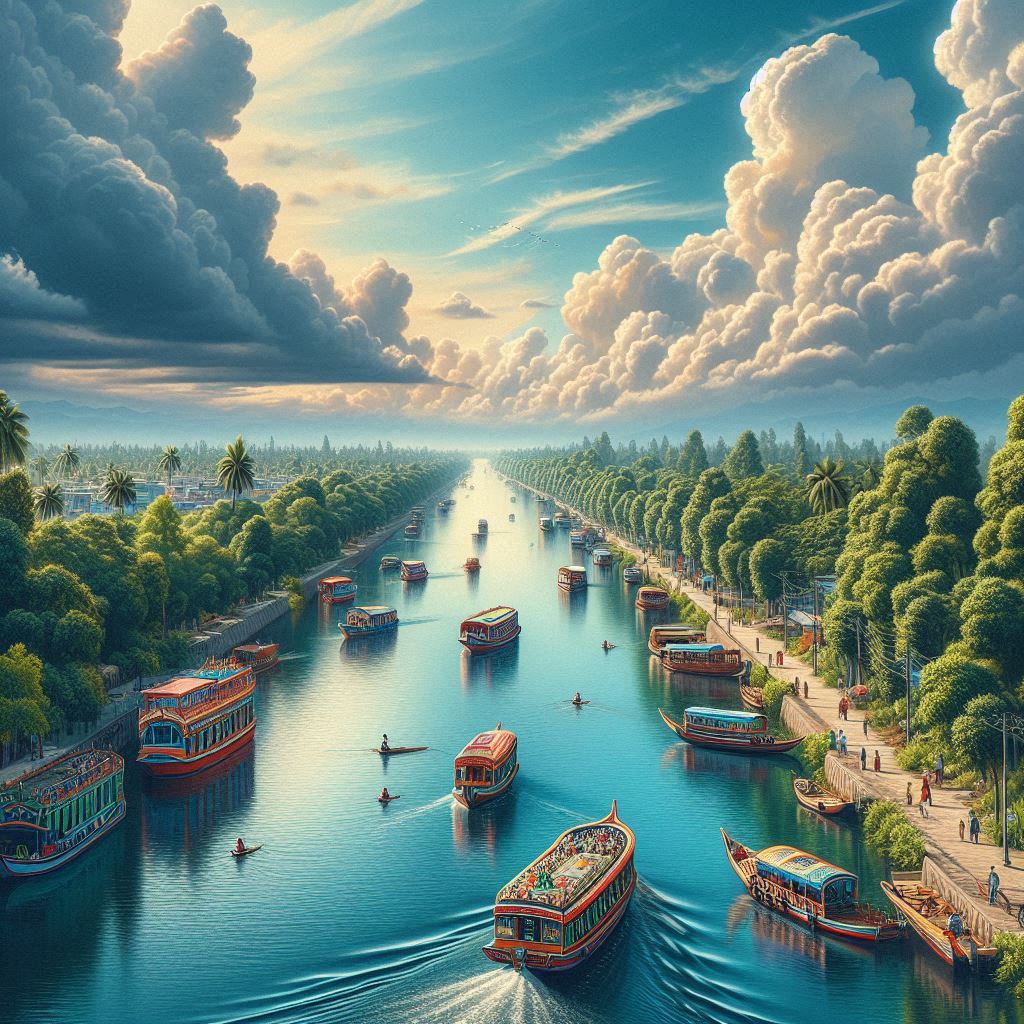
Kia ora, friends—imagine kayaking the Whanganui River, but instead you’re drifting the Ganga, where a sadhu chants on a ghat under a dawn mist, or cruising Kerala’s backwaters, where a houseboat glides past palms like a Waikato dream. This is the 44th flow in our 100-article journey through Bharat Is Not for Beginners, a remarkable trek that’s traced warrior ways, charted celestial skies, woven textile worlds, and much more. Now, we’re flowing back into Bharat’s river’s song—its waterways and living lifelines—where every current is a taonga from Vedic torrents to modern channels. This isn’t just about water; it’s Bharat sustaining its whakapapa with a steady pulse.
Bharat doesn’t take its waterways lightly—it cherishes them with care. Its aquatic kaupapa isn’t a faded memory; it’s a vibrant hui of rivers, canals, and coasts, from yajna-blessed streams to engineered lifelines, woven into a culture that’s thrived by the water’s edge since the dawn of time. This land’s a living watershed, a flowing ticker that’s nourished its people through seasons, storms, and centuries with a deep respect. This isn’t for those after a quick paddle—it’s an exploration of a civilisation that’s made its waters a remarkable legacy.
The Vedic Current: Waterways’ Sacred Beginnings
Let’s step back to 3000 BCE—Indus Valley folk were already banking on the Indus, canals feeding fields with a farmer’s eye (Article 30). But the foundation truly sets with the Vedas—1500 BCE, the Rigveda (Article 1) hails Apah—waters—as life’s mother, rivers like Ganga and Yamuna sung as devis in yajna chants (Article 32). The Atharvaveda blesses wells, a Vedic nod to rta’s cosmic flow (Article 35).
By 1000 BCE, Rigveda’s Nadi Sukta praises seven rivers—Sapta Sindhu—a lifeline hui tied to homam offerings (Article 36). Mauryan dams—300 BCE—like Sudarshana, trapped monsoon for rice, a jyotisha-timed flex (Article 42). This wasn’t chance—waterways were jala, a sacred bond linking Bharat’s pulse to its streams and springs with a rishi’s reverence and a touch of wairua.
A Whānau of Waters: Lifelines Across the Land
Bharat’s waterways form a diverse whānau—each region has its own rhythm. The Ganga—north’s queen—waters plains from Haridwar to Bengal, a yajna artery for millions (Article 30). Down south, Kerala’s backwaters—kayals—thread lagoons, a coastal taonga hauling fish and rice (Article 31). Tamil Nadu’s Kaveri winds through paddy, a Sangam song in every bend (Article 36).
Rajasthan’s Luni trickles through desert, a fleeting hui with monsoon, while Assam’s Brahmaputra surges wild, a Himalayan giant feeding fields (Article 37). Gujarat’s Sabarmati cradles trade, a Rigveda echo in urban sprawl (Article 15), and Maharashtra’s Godavari—Dakshin Ganga—blesses Deccan with a steady flow. From Himalayan melts to Andaman tides, Bharat’s waters are a whānau—vast, vital, and truly impressive.
Water Mana: Lifelines Meet Spirit
Bharat’s waterways carry mana—sacred vitality woven in. Ganga’s tirtha—holy ford—cleanses sin, a Rigveda dip for moksha, every wave a homam prayer (Article 40). Yamuna cradles Krishna’s tales, a Vedic devi with a flute’s echo (Article 4), while Narmada—central spine—gets circumambulated, a yajna trek for grace (Article 19). Jala isn’t just wet—it’s life, a prasadam gift from the skies (Article 32).
Festivals flow with it—Kumbh Mela’s baths at Sangam draw millions, a jyotisha-timed hui (Article 42), while Onam’s boats race Kerala’s waters (Article 31). Even farming sings—Sapta Sindhu’s silt feeds wheat, a Vedic rta sustaining whānau (Article 35). Water wasn’t mere resource here—it was wairua, a sacred hui tying Bharat’s spirit to its currents and canals, a living nada brahma in ripple and rush (Article 33).
The Global Hui: Waters Reach Out
Bharat’s lifelines didn’t stay local—they stretched far. By 200 BCE, Indus ports shipped cotton to Mesopotamia, a Rigveda taonga on trade tides (Article 21). Chola fleets—11th century—sailed Coromandel coasts, jala mastery hitting Sri Lanka (Article 15). Mughal canals—Firoz Shah’s Yamuna cuts—fed Persian dreams, a Desi flex gone global.
Today, it’s a worldwide hui—NZ’s irrigation nods Bharat’s bandhs, a Sudarshana twist in Canterbury fields (Article 38). Bollywood’s in—Lagaan’s rains sing Ganga’s grace (Article 25)—and Kiwi hydrologists eye Kaveri for flood smarts. From Dutch dykes to Dunedin canals, Bharat’s waters are a friend—steady, smart, and truly far-reaching, a Vedic flow nourishing the global whānau.
The Modern Rāka: Lifelines Keep Flowing
Colonial types tried a drain—British dams sapped rivers—but Bharat’s waters held firm. Post-1947, the waka turned—Bhakra Nangal—1950s—harnessed Sutlej, a rishis’ bandh gone hydro (Article 38). Narmada’s Sardar Sarovar—1990s—waters Gujarat, while Ganga Action Plan cleans tirthas, a Vedic pulse with a modern pump.
Kiwi friends love it—Wellington’s got Desi engineers sorting canals, Auckland’s backyards mimic kayals charm (Article 36). It’s not a relic—it’s a live rāka, Bharat’s water mana flowing from Vedic Sapta Sindhu to urban taps, a lifeline that keeps running.
Why the Song Stays Sweet
What keeps this flow thriving? Bharat’s devoted to it—nanas pray at ghats, kids fish Brahmaputra, engineers guard bandhs like a Hurricanes ruck. It’s Vedic—Apah’s pulse, rta’s rhythm still hold it tapu. UNESCO’s noted it—intangible heritage—and keepers maintain it kaupapa, blessing jala at dawn, channeling it in labs. It’s not just water—it’s whakapapa, a song Bharat’s sung since the rishis bathed.
Why It’s a Vital Yarn
Why revisit Bharat’s river’s song? Because it’s a vital yarn—waters that nourish, cleanse, and inspire, a remarkable tale. It’s taonga—Ganga older than the Treaty waka, Kaveri with Vedic fire—and it’s alive, flowing from Kaikoura to anywhere. For us in Aotearoa, it’s a hui—drift a kayal, hear a tirtha, catch Bharat’s spark. It’s not just waterways; it’s wairua, and Bharat’s got it running deep.
Excerpt
That’s 44 flows in our 100-article rāka of Bharat Is Not for Beginners, and Bharat’s still streaming—from warrior ways to river songs, this land’s a remarkable gift. Keep your paddle ready as we course through more of its taonga. Join us tomorrow for Article 45: “Bharat Is Not for Beginners – The Poet’s Pulse Returns: Bharat’s Literary Innovations and Living Words”, where we’ll dive back into the verses that voice a civilisation’s soul.