



 Swamy Gitananda
 A Daily Exploration of Dharma, Jnana, and Relevance to Modernity
By Swami Gitananda
Published on New Zealand Bharat (NZB) News, April 03, 2025
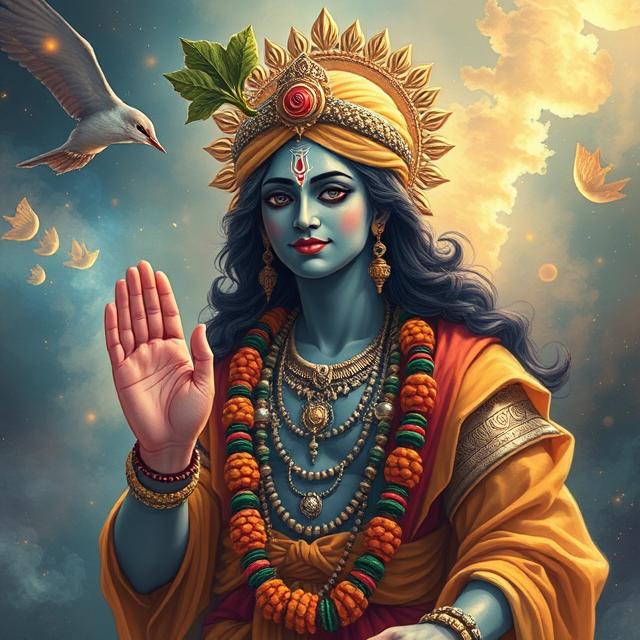
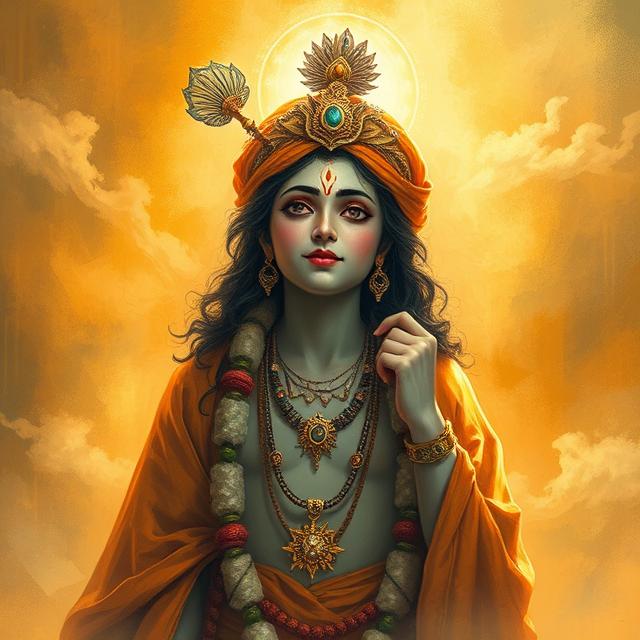
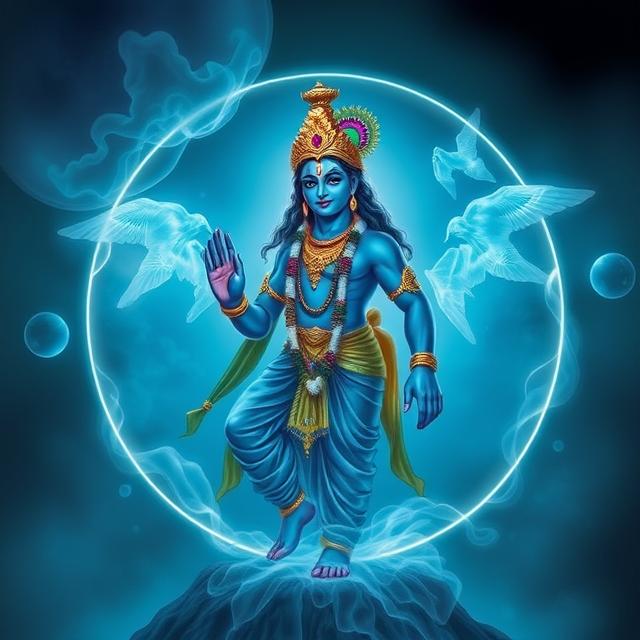
Om Shri Krishnaya Namaha. Salutations to Krishna, the Yogeshvara (Lord of Yoga), as we deepen our journey through the Bhagavad Gita, the Divya-Upadesha (divine counsel) that transforms Kurukshetra into a dharmakshetra of eternal truth. Yesterday, the Kaurava army answered Bhishma’s roar with a tumultuous clamor of conches, drums, and horns, a rajasic outpouring of adharma’s might. Today, the Pandavas respond, and Krishna and Arjuna emerge center stage, their conch-blasts a sattvic counterpoint that heralds dharma’s voice and primes us for Arjuna’s vishada (despondency) and Krishna’s jnana (knowledge).
This series is a daily sadhana (spiritual practice), unveiling one shloka at a time—its direct meaning, a profound exploration of its tattva (essence), insights from sampradayas (spiritual traditions), and its resonance with modern fields like quantum science, leadership, and svasthya (wellbeing). Let us now immerse ourselves in Adhyaya 1, Shloka 14, where the battlefield echoes with divine sound, a prelude to the Gita’s eternal song.
The Shloka
ततः श्वेतैर्हयैर्युक्ते महति स्यन्दने स्थितौ।
माधवः पाण्डवश्चैव दिव्यौ शङ्खौ प्रदध्मतुः॥
Tatah shvetairhayairyukte mahati syandane sthitau,
Madhavah pandavashchaiva divyau shankhau pradadhmatuh.
Direct Meaning
“Then (tatah), stationed in a great chariot (mahati syandane sthitau) yoked with white horses (shvetairhayairyukte), Madhava (Krishna) and the Pandava (Arjuna) (madhavah pandavashchaiva) blew their divine conches (divyau shankhau pradadhmatuh).”
In this verse, following the Kauravas’ tumult, Krishna and Arjuna, positioned in a magnificent chariot drawn by white horses, sound their sacred conches, marking the Pandavas’ response with a divine resonance.
Explanation of the Shloka
This shloka introduces Krishna and Arjuna as the Gita’s protagonists, their conch-blasts a stark contrast to the Kauravas’ chaotic roar. The imagery—white horses, a great chariot, divine conches—radiates sattva (goodness) and shakti (power), rooted in dharma. Let us explore its layers with viveka (discernment) and bhakti (devotion).
- Tatah: The Response Unfolds
Tatah (“then”) links this shloka to the Kauravas’ clamor, signaling the Pandavas’ measured reply. Unlike the sahasa (suddenness) of Shloka 13, this tatah reflects samatva (equanimity), a sattvic calm that foreshadows Krishna’s teaching in Adhyaya 2: “Samatvam yoga uchyate”—“Equanimity is called yoga.” The shift is palpable—adharma’s noise meets dharma’s harmony. - Shvetairhayairyukte: White Horses Yoked
Shvetairhayairyukte (“yoked with white horses”) paints a luminous image. White (shveta) symbolizes shuddhi (purity) and sattva in Vedic tradition, aligning the Pandavas with dharma. The horses, yoked to the chariot, signify shakti under control, a metaphor for the jivatma (soul) guided by Krishna, the Sarathi (charioteer). This contrasts with the Kauravas’ unordered might. - Mahati Syandane Sthitau: In a Great Chariot
Mahati syandane sthitau (“stationed in a great chariot”) elevates the scene. Mahati (great) denotes grandeur and strength, while syandana (chariot) symbolizes the karmakshetra (field of action). Krishna and Arjuna’s presence here foreshadows their roles—Guru and shishya—in the Gita’s discourse, where the chariot becomes a vehicle for jnana-yoga (the path of knowledge). - Madhavah Pandavashchaiva: Krishna and Arjuna
The naming—Madhavah (Krishna) and Pandavah (Arjuna)—is profound:- Madhavah: A name for Krishna meaning “descendant of Madhu” or “Lord of sweetness,” hinting at his divine leela (play) and Yogeshvara essence. His first mention here marks his entry as the Gita’s heart.
- Pandavah: Arjuna, the son of Pandu, a maharatha and Krishna’s sakha (friend). His pairing with Krishna underscores their bond, a bhakti-driven alliance that will birth the Gita.
Their unity contrasts with Duryodhana’s reliance on many, a sattvic oneness rooted in dharma.
- Divyau Shankhau Pradadhmatuh: Divine Conches Blown
Divyau shankhau pradadhmatuh (“blew their divine conches”) elevates the act. Divyau (divine) imbues the shankhas with sacredness, their nada (sound) resonating with Om, the cosmic vibration. Pradadhmatuh (blew) implies intent and force, a sattvic reply to the Kauravas’ tumula (tumult). This sound heralds dharma’s stand, priming us for Krishna’s Vishwarupa (universal form), where all shakti converges in the divine. - The Shift to Dharma’s Voice
Krishna and Arjuna’s conch-blasts mark a turning point—the Pandavas’ response is disciplined, divine, and purposeful, contrasting with the Kauravas’ chaotic roar. This moment builds toward Arjuna’s vishada-yoga, where the clash of dharma and adharma will birth Krishna’s upadesha. It’s a sonic bridge from war’s noise to wisdom’s silence.
This shloka, then, is a divine crescendo—Krishna and Arjuna’s nada piercing Kurukshetra with dharma’s light. It invites us to ponder: Do we, like the Kauravas, drown in clamor, or can we hear the shanti of dharma’s call?
Spiritual Wisdom from Authoritative Voices
The Bhagavad Gita’s divya-tattva (divine essence) shines through the bhashyas of acharyas, each illuminating its eternal truth. Let us draw from their insights.
- Adi Shankaracharya (Advaita Vedanta)
Shankaracharya sees the divyau shankhau as nada-brahman—sound reflecting the eternal atman. Krishna’s presence transcends maya’s tumult, guiding Arjuna to Brahman. This shloka urges viveka—to hear the divine amid chaos, a truth Krishna will unveil in Adhyaya 10. - Ramanujacharya (Vishishtadvaita)
Ramanuja interprets Krishna and Arjuna’s conches as Narayana’s call, their shakti rooted in bhakti. The white horses symbolize shuddhi, contrasting with adharma’s noise. The shloka hints at prapatti—surrender to Krishna as Sarathi, a path Arjuna will embrace. - Madhvacharya (Dvaita)
Madhvacharya views Krishna’s shankha as Vishnu’s sankalpa (will), Arjuna’s as the jiva’s devotion. Their sattvic sound counters the Kauravas’ tamasic roar. This shloka underscores the daiva triumph over asuric forces, with Krishna as the source. - Swami Vivekananda (Neo-Vedanta)
Vivekananda reads this as shakti’s awakening. “Krishna and Arjuna sound dharma’s note,” he writes. The chariot is our karmakshetra, guided by divine will. He urges us to harness shakti with purpose, as Krishna will teach, not mere noise—a lesson for all.
These voices weave a jnana-sangita (harmony of wisdom), guiding us toward moksha.
Relevance to Today’s Context
The Bhagavad Gita is a jivan-marga (path of life), its wisdom vibrant today. Let us explore how this shloka resonates with quantum science, leadership, and svasthya.
- Quantum Science and Cosmology
Krishna and Arjuna’s divyau shankhau evoke the cosmic nada—a unified vibration—contrasting with the Kauravas’ entropy. The white horses mirror quantum coherence, bound by Krishna’s ekatva. This shloka suggests a dharmakshetra cosmos, where order aligns with divine unity, a quest science pursues. - Leadership and Business
In the corporate Kurukshetra, Krishna and Arjuna’s conches reflect a leader’s vision—divyau as purpose, the chariot as strategy—outshining the Kauravas’ noise. Krishna’s nishkama karma offers a path: lead with clarity and unity, fostering drishti for collective triumph, not chaos. - Svasthya (Wellbeing)
The Kauravas’ tumult mirrors modern overstimulation—chitta-vikshepa—while Krishna and Arjuna’s nada suggests samatva. The shankha aligns with pranayama, grounding the manas. Practices inspired by this shloka—dhyana (meditation)—nurture shanti amidst discord.
Conclusion: The Sound of Dharma
This fourteenth shloka resounds with Krishna and Arjuna’s divine conches, a sattvic reply that pierces adharma’s roar. It builds toward Arjuna’s vishada, where Krishna’s jnana will shine. Each day, we unveil another shloka of this divya-katha, seeking satyam (truth) and shivam (auspiciousness).
Tomorrow, their named conches will echo, deepening dharma’s call. Let us approach with bhakti and vichar, chanting: “Krishnaya Vasudevaya”—to Krishna, the divine guide. May His kripa lead us onward.
Hari Om Tat Sat.