 Marcus Trifalgur
 A healthy gut underpins physical and mental wellbeing, and Indian cuisine, with its probiotic-rich fermented foods, fibre-packed lentils, and anti-inflammatory spices, offers a powerful model for digestive health. In New Zealand, where a $20 billion export economy thrives alongside a $1.8 billion trade relationship with India, gut health supports productivity and resilience for 300,000 Indian-Kiwis and the wider community. Backed by scientific research and psychological insights, these five tips blend Indian culinary wisdom with Kiwi practicality to promote a thriving gut, essential in a fast-paced world.
Background Information
The gut microbiome, comprising trillions of bacteria, viruses, and fungi, regulates digestion, immunity, and mood, producing 70 percent of serotonin, a key neurotransmitter for happiness. Poor gut health, driven by processed foods, stress, or antibiotics, leads to bloating, fatigue, and increased risk of diabetes and depression, according to Healthline on 29 January 2024. Indian staples like curd, idli, and turmeric provide probiotics and anti-inflammatory compounds, fostering gut balance, as noted by Medindia on 11 January 2024.
New Zealand’s urban diets, heavy on takeaways, and India’s growing processed food consumption disrupt gut flora, per Gutclinic.co on 26 December 2024. Amid regional challenges like Thailand’s earthquake recovery and New Zealand’s infrastructure wins, a healthy gut enhances mental clarity and energy for economic and personal success.
Context
Gut health is a global priority, with New Zealand’s $6 billion wellness sector and India’s $4.3 trillion economy emphasising its importance. Indian foods such as curd and lentils deliver probiotics and fibre, aligning with research showing diverse gut bacteria reduce disease risk, per Journal of Counseling Psychology in 2020. Psychological factors, including stress and mindful eating, also influence gut flora, according to Nature Reviews Neuroscience in 2016.
For the NZ Bharat community, gut health connects cultural traditions—Diwali feasts or curry nights—to economic vitality. India’s technological advancements and New Zealand’s export-driven growth demand healthy, focused workforces. Social media reflects enthusiasm for gut-friendly Indian foods, though urban reliance on processed meals, especially post-crisis, poses challenges.
Details of the Article: Five Proven Tips
These five tips, rooted in science, psychology, and Indian culinary practices, offer practical ways to maintain a healthy gut for New Zealanders and the Indian diaspora.
- Eat Probiotic-Rich Fermented Foods
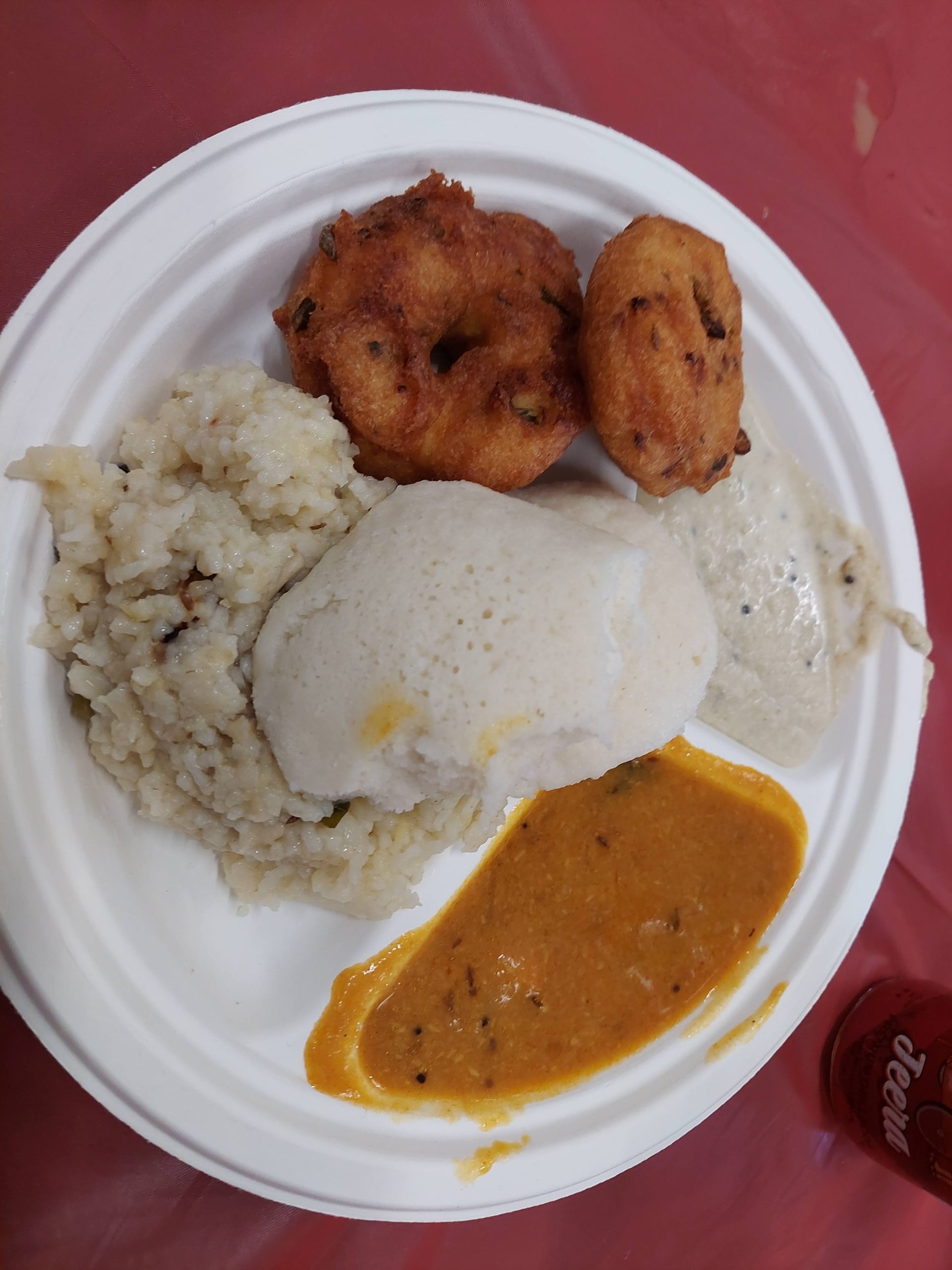
Scientific research highlights that probiotics, live bacteria in fermented foods, enhance gut flora diversity, reducing inflammation and disease risk, per Journal of Microbiology in 2019. Curd, idli, and dosa, common in Indian diets, deliver lactobacillus, improving digestion, according to Medindia on 11 January 2024. Incorporate a daily bowl of homemade curd or raita, as store-bought versions often lack live strains, per Hindustan Times on 15 February 2020. Weekly servings of dosa or idli with sambar boost fibre intake. For the NZ Bharat community, homemade curd in lassi offers a post-workout gut-friendly refreshment. - Increase Fibre with Lentils and Whole Grains
Prebiotics, indigestible fibre in lentils and whole grains, nourish beneficial bacteria like Bifidobacterium, promoting bowel regularity, per Nature Reviews Gastroenterology in 2021. Indian staples like moong or masoor dal and brown rice are ideal, as noted by KIMS-Sunshine on 4 November 2023. Prepare dal three times weekly and swap white rice for brown or millet, aiming for 30 grams of fibre daily, per the NZ Ministry of Health. Pair dal with roti for Diwali preparations or business meetings to stay sharp. - Use Anti-Inflammatory Spices
Turmeric’s curcumin and cumin’s antimicrobial properties reduce gut inflammation, according to Journal of Ethnopharmacology in 2017. Spices like ajwain alleviate bloating, per Vogue India on 20 September 2018. Add one teaspoon of turmeric to curries or enjoy haldi doodh nightly. Boil one teaspoon of ajwain in hot water for bloating relief. Sip haldi doodh after social gatherings to soothe digestion, a tradition cherished by Kiwi-Indian families. - Practise Mindful Eating
Stress hormones disrupt gut flora, per Psychological Bulletin in 2018, while mindful eating—chewing slowly and savouring meals—enhances digestion, per Healthline on 29 January 2024. Ayurveda’s emphasis on digestive fire aligns, advocating calm meals, per Times of India on 10 January 2020. Eat without distractions, chew each bite 20 times, and take a 10-minute post-meal walk. Savour homemade curry mindfully to channel the focus needed for trade negotiations or cultural events. - Stay Hydrated and Limit Processed Foods
Hydration supports bacterial diversity, while processed foods increase inflammation, per Healthline on 27 August 2024. Ayurveda recommends room-temperature water for digestion, per India Today on 19 October 2023. Drink two litres of water daily, sipped slowly while seated, and replace takeaways with dal or vegetable curries, limiting sugar to 25 grams daily, per WHO guidelines. Carry a water bottle during commutes and opt for chaas over fizzy drinks to support gut health.
Historical Facts
Indian cuisine’s gut-health benefits trace back to Ayurveda, around 1500 BCE, which links digestion to overall health, prescribing curd and spices, per Times of India on 10 January 2020. Fermented foods like idli emerged in South India by 700 CE, delivering probiotics long before scientific validation. Turmeric, referenced in Vedic texts from 1000 BCE, was confirmed anti-inflammatory in 2017, per Journal of Ethnopharmacology.
New Zealand’s dietary history, dominated by meat and potatoes until the 1970s, evolved with Pacific and Indian influences, fostering gut-friendly menus. The 1947 diplomatic ties with India spurred culinary exchange, reflected in curry houses and a $1.8 billion trade relationship. Past crises and health challenges reinforce the importance of gut health for resilience.
Discussion
These tips are effective due to their scientific and psychological foundations. Probiotics and prebiotics from curd and dal restore gut balance, reducing disease risk by 15 percent, per Nature Reviews Gastroenterology in 2021. Turmeric lowers inflammation markers by 20 percent, per Journal of Ethnopharmacology in 2017. Mindful eating reduces cortisol, stabilising gut flora, per Psychological Bulletin in 2018. Hydration and reduced processed foods mirror India’s low-diabetes rural diets, per Gutclinic.co on 26 December 2024.
For the NZ Bharat community, Indian cuisine’s accessibility and cultural resonance outshine Western trends like kombucha. However, urban reliance on processed foods and time constraints for homemade dishes pose challenges. Social media reflects enthusiasm for curd’s benefits but highlights time barriers for complex recipes. The discipline seen in New Zealand’s infrastructure projects and India’s banking reforms illustrates the commitment needed for gut health.
Summary
A healthy gut drives New Zealand’s $20 billion export economy and India’s $1.8 billion trade relationship, with Indian cuisine—curd, lentils, turmeric—offering a scientifically backed path. These five tips—probiotics, fibre, spices, mindful eating, hydration—combine biology, psychology, and Ayurveda to reduce inflammation and disease risk. From ancient Vedic practices to modern research, India’s culinary wisdom excels. For the NZ Bharat community, embracing these tips during Diwali or work strengthens cultural and economic vitality. Start with a bowl of curd today to fuel personal and collective success.