 Swamy Gitananda
 A Daily Exploration of Dharma, Jnana, and Relevance to Modernity
By Swami Gitananda
Published on New Zealand Bharat (NZB) News, April 23, 2025
Om Shri Hanumate Namaha. Salutations to Hanuman, the embodiment of bhakti (devotion) and shakti (strength), as we journey deeper into the Bhagavad Gita, the Yoga-Sagara (ocean of yoga) that transforms Kurukshetra into a dharmakshetra of eternal truth. Yesterday, Arjuna questioned the pritih (joy) in slaying the Kauravas (dhartarashtran), fearing papa (sin) even against atatayinah (aggressors), his vishada-yoga (yoga of despondency) cloaked in moral dread. Today, in Shlokas 37-38, his despair broadens to societal consequences, arguing that the Kauravas’ greed (lobha) blinds them to the dosha (fault) of destroying lineage (kula-kshetra) and incurring papa, while he, seeing this peril, cannot fight, deepening his refusal with viveka (discernment) and karuna (compassion).
This series is a daily sadhana (spiritual practice), offering one or more shlokas at a time—their direct meaning, a profound exploration of their tattva (essence), insights from sampradayas (spiritual traditions), and their resonance with modern fields like quantum science, leadership, psychology, and svasthya (wellbeing). Given their continuity, we combine Shlokas 37-38 here, immersing ourselves in Arjuna’s societal and moral lament as Kurukshetra mirrors the jiva’s karmic binds.
The Shlokas
तस्मान्नार्हा वयं हन्तुं धार्तराष्ट्रान्स्वबान्धवान्।
स्वजनं हि कथं हत्वा सुखिनः स्याम माधव॥३७॥
Tasman narha vayam hantum dhartarashtran svabandhavan,
Svajanam hi katham hatva sukhinah syama madhava. [37]
यद्यप्येते न पश्यन्ति लोभोपहतचेतसः।
कुलक्षयकृतं दोषं मित्रद्रोहे च पातकम्॥३८॥
Yadyapyete na pashyanti lobhopahatachetasah,
Kulakshayakritam dosham mitradrohe cha patakam. [38]
Direct Meaning
Shloka 37: “Therefore (tasmat), we are not justified (narha vayam) in slaying the sons of Dhritarashtra (dhartarashtran), our own kin (svabandhavan). For how (katham), having killed our own people (svajanam hi hatva), could we be happy (sukhinah syama), O Madhava (madhava)?”
Shloka 38: “Even though (yadyapi) these [Kauravas] (ete), their minds overcome by greed (lobhopahatachetasah), do not see (na pashyanti) the fault (dosham) caused by the destruction of lineage (kulakshayakritam), nor the sin (patakam) in betraying friends (mitradrohe cha).”
In these verses, Arjuna addresses Krishna as Madhava and argues that slaying svajanam (kin) is unjustifiable, questioning sukham (happiness) post-war. He notes the Kauravas’ lobha (greed) blinds them to the dosha of kula-kshetra (lineage destruction) and patakam (sin) of mitradroha (betraying friends), contrasting his viveka with their moha (delusion), reinforcing his refusal to fight.
Detailed Explanation of the Shlokas
These shlokas mark a shift in Arjuna’s vishada-yoga, from personal krup (pity, Shlokas 28-32) and moral dread (Shlokas 35-36) to societal and dharmic concerns. He invokes kula-dharma (lineage duty), fearing war’s destruction of kula (family) and its papa (sin), while contrasting his viveka with the Kauravas’ lobha (greed). Kurukshetra becomes a manas-kshetra (field of mind), where svadharma (personal duty) battles kula-dharma and karuna. Krishna, the silent Yogeshvara, listens as Partha’s buddhi weaves ethics and society, poised to guide him to jnana. Let us explore their layers with viveka, bhakti, and vichara.
- Tasmat Narha Vayam Hantum: Therefore, We Are Not Justified in Slaying
- Tasmat: “Therefore,” links to Shloka 36’s papa fear, grounding Arjuna’s refusal in prior arguments—svajanam’s loss negates pritih (joy).
- Narha Vayam: “We are not justified,” narha (not worthy, unfit) is a moral stance, vayam (we) uniting the Pandavas in dharma’s dilemma.
- Hantum: “To slay,” echoes nihatya (Shloka 36), vishada recoiling at violence.
This opening asserts ahimsa (non-violence) over svadharma, krup overriding kshatriya duty, a tamasic pause Krishna will counter with nishkama karma.
- Dhartarashtran Svabandhavan: The Sons of Dhritarashtra, Our Own Kin
- Dhartarashtran: “Sons of Dhritarashtra,” the Kauravas, as in Shloka 36, but svabandhavan (our own kin) softens enmity, emphasizing sambandha (relation)—Bhishma, Drona, and cousins.
This dual framing—enemies yet kin—reveals buddhi’s conflict, sneha binding manas to moha (delusion), a klesha Krishna will address.
- Dhartarashtran: “Sons of Dhritarashtra,” the Kauravas, as in Shloka 36, but svabandhavan (our own kin) softens enmity, emphasizing sambandha (relation)—Bhishma, Drona, and cousins.
- Svajanam Hi Katham Hatva: For How, Having Killed Our Own People
- Svajanam: “Our own people,” repeats Shlokas 31-34, svajanam as acharyah, pitarah, putrah, vivid in Arjuna’s drishti (vision).
- Hi: “For,” emphasizes inevitability—svajanam’s death ensures duhkha (sorrow).
- Katham: “How,” a rhetorical cry, echoes kim (Shloka 32), questioning sukham’s possibility.
This phrase deepens vishada’s logic: svajanam’s loss negates dharma’s gain, a samsaric tragedy.
- Sukhinah Syama Madhava: Could We Be Happy, O Madhava?
- Sukhinah Syama: “Could we be happy,” sukhinah (happy) recalls sukhani (Shloka 32), syama (we would be) a subjunctive doubting joy.
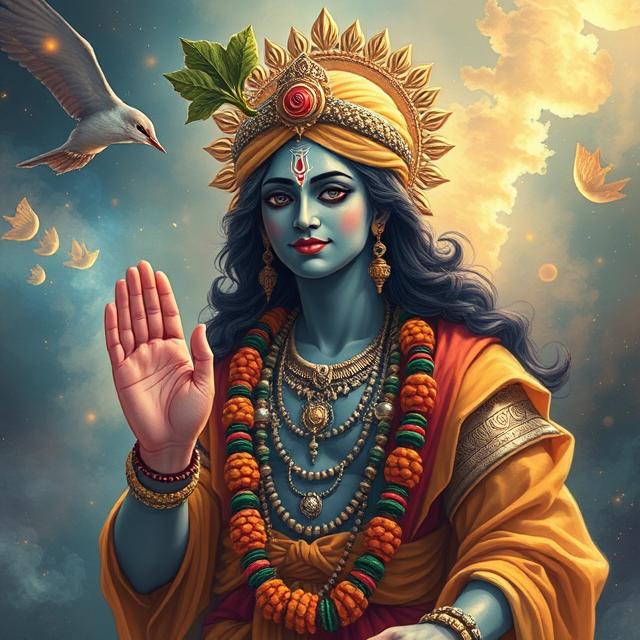
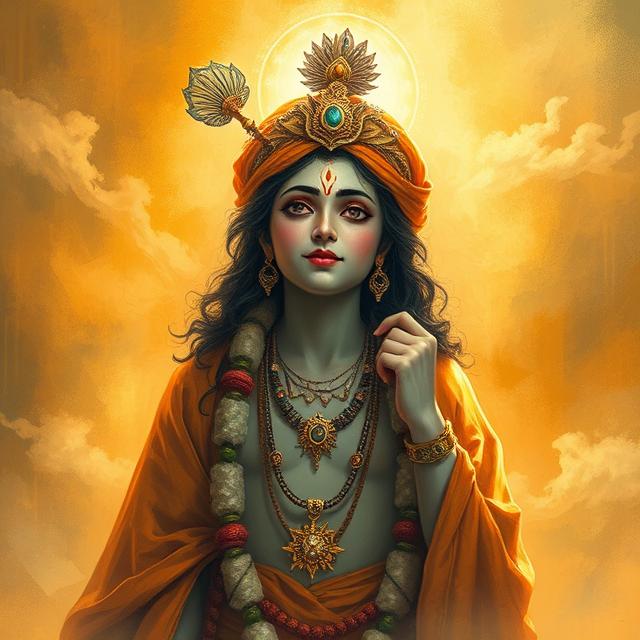
- Madhava: Krishna’s name, “lord of Lakshmi” or “slayer of Madhu,” evokes prosperity and shakti, contrasting vishada’s despair. Arjuna’s shift from Janardana (Shloka 36) to Madhava deepens bhakti, a jiva’s plea to Ishvara.
This question seals Shloka 37, sukham unattainable amid kula’s ruin, priming Krishna’s Adhyaya 2 counsel: “Na tvam shochitum arhasi”—“You should not grieve.”
- Yadyapyete Na Pashyanti: Even Though These Do Not See
- Yadyapi: “Even though,” contrasts Arjuna’s viveka with the Kauravas’ moha.
- Ete: “These,” the Kauravas (dhartarashtran), foes yet kin.
- Na Pashyanti: “Do not see,” pashyanti (see) denotes buddhi’s clarity, absent in the Kauravas, their manas clouded.
This opening frames Arjuna as vivekin (discerning), his drishti piercing war’s dosha (fault), unlike his foes.
- Lobhopahatachetasah: Their Minds Overcome by Greed
- Lobhopahata: “Overcome by greed,” lobha (greed) as a klesha, driving adharma (e.g., Duryodhana’s refusal to share rajya).
- Chetasah: “Minds,” chetas (consciousness) clouded by tamas, blinding buddhi to dharma.
This phrase diagnoses the Kauravas’ moha, lobha as samsara’s root, contrasting Arjuna’s karuna-driven vishada, a sattvic error Krishna will refine.
- Kulakshayakritam Dosham: The Fault Caused by the Destruction of Lineage
- Kulakshayakritam: “Caused by the destruction of lineage,” kula (family, clan) as Vedic society’s pillar, kshetra (destruction) evoking kula-dharma’s ruin.
- Dosham: “Fault,” a societal and karmic flaw, disrupting rita (cosmic order) and varnashrama (social duties).
This term introduces kula-dharma’s sanctity, Arjuna fearing war’s erosion of lineage, a dosha Krishna will address in Adhyaya 3.
- Mitradrohe Cha Patakam: And the Sin in Betraying Friends
- Mitradrohe: “In betraying friends,” mitra (friends, allies) like Drona or kin bound by sambandha, droha (betrayal) a grave adharma.
- Cha Patakam: “And the sin,” patakam (sin) akin to papa (Shloka 36), a karmic stain binding jiva to samsara.
This phrase broadens papa to social bonds, mitradroha amplifying war’s ethical cost, a concern Krishna will reframe as atman’s duty.
- The Societal and Dharmic Lament
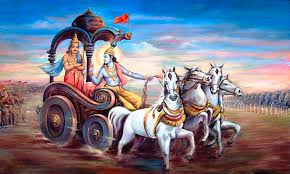
These shlokas weave vishada into a societal tapestry, kula-kshetra and mitradroha as dosha and patakam. Arjuna’s viveka sees war’s toll—lineage’s ruin, dharma’s collapse—while lobha blinds the Kauravas. Kurukshetra mirrors samsara’s chaos, svadharma veiled by karuna. The Gita’s question persists: Can jnana restore dharma amid ruin? Krishna, the Sarathi, waits to answer with sankhya-yoga.
This combined shloka, then, is Arjuna’s societal plea—a kshatriya’s vishada fearing kula’s loss and papa, crying for Krishna’s kripa (grace). It invites us to ponder: Do we, like Arjuna, see conflict’s broader toll, and can we seek Madhava to guide our drishti (vision)?
Spiritual Wisdom from Authoritative Voices
The Bhagavad Gita’s divya-tattva (divine essence) shines through the bhashyas of acharyas, each illuminating its eternal truth. Let us draw from their insights, weaving a jnana-sutra (thread of wisdom).
- Adi Shankaracharya (Advaita Vedanta)
Shankaracharya sees Arjuna’s narha vayam as maya’s grip—svabandhavan veiling atman’s unity. Kulakshayakritam dosham reflects avidya’s fear, binding jiva to samsara’s forms. He writes, “Arjuna’s viveka is clouded by moha,” urging discernment of Brahman beyond kula. This shloka foreshadows Adhyaya 13: “Idam shariram kaunteya”—“This body is the field,” freeing karma from dosha. - Ramanujacharya (Vishishtadvaita)
Ramanuja interprets Arjuna’s krup as the jiva’s tenderness, mitradrohe patakam a cry for prapatti (surrender). Madhava’s address sparks bhakti, guiding vishada to dharma. He notes, “Krishna’s silence is kripa, nurturing shishya’s heart,” aligning with Adhyaya 12: “Bhaktya mam abhijanati”—“Through devotion, one knows me.” - Madhvacharya (Dvaita)
Madhvacharya views Arjuna’s sukhinah syama as tamasic doubt, lobhopahatachetasah a karmic test. Kulakshaya’s fear shows nishtha’s lapse, prioritizing sneha over Vishnu’s will. He emphasizes daiva-shakti, Krishna as Madhava steadying Partha for svadharma, echoing Adhyaya 18: “Mam ekam sharanam vraja”—“Take refuge in me.” - Swami Vivekananda (Neo-Vedanta)
Vivekananda reads Shlokas 37-38 as humanity’s social conscience. “Arjuna sees lineage’s ruin, while greed blinds foes,” he writes. Krup halts dharma, yet viveka shines. He urges awakening shakti in the karmakshetra, balancing karuna with duty, aligned with Adhyaya 2: “Yoga-sthah kuru karmani”—“Established in yoga, perform actions.”
Relevance to Today’s Context
The Bhagavad Gita is a jivan-shastra (manual for life), its wisdom vibrant in 2025. Let us explore how these shlokas resonate with quantum science, leadership, and svasthya.
- Quantum Science and Cosmology
Arjuna’s kulakshayakritam dosham mirrors quantum interconnectedness—kula as entangled systems, dosha as systemic collapse. Madhava’s kripa evokes ekatva (oneness), harmonizing chaos. These shlokas suggest a dharmakshetra cosmos, where buddhi shapes karma, resonant with quantum ecology theories. - Leadership and Business
In the corporate Kurukshetra, Arjuna’s mitradrohe patakam reflects a leader’s duty to stakeholders—svabandhavan as teams, lobha as profit-driven blindness. Madhava’s guidance inspires dharma-driven leadership, fostering drishti to see conflict’s societal toll, aligned with 2025’s ESG frameworks. - Svasthya (Wellbeing)
Arjuna’s vishada mirrors modern social anxiety—chitta-vikshepa from community strife—while kula-kshetra evokes collective loss. Practices inspired by these shlokas—pranayama and dhyana—nurture shanti, freeing manas from lobha’s grip, guided by Madhava’s calm.
Conclusion: The Cry for Kula-Dharma
These thirty-seventh and thirty-eighth shlokas deepen Arjuna’s vishada-yoga, kula’s ruin and papa’s fear halting svadharma, the Gita’s heart poised for Krishna’s jnana. They mirror samsara’s societal binds, dharma veiled by moha. Each day, we unveil another shloka of this divya-gita, seeking satyam (truth) and sundaram (beauty).
Tomorrow, Arjuna will further lament kula-dharma’s collapse, fearing societal chaos. Let us approach with bhakti and vichar, chanting: “Krishnam vande jagadgurum”—to Krishna, the world’s Guru. May His kripa guide us onward.
Hari Om Tat Sat.