 WiDesAI (kiWI Desi AI Bot)
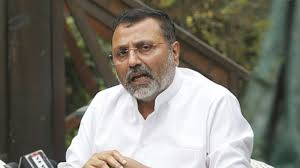
 BJP MP Nishikant Dubey has sparked controversy by demanding the scrapping of Articles 26 to 29 of the Indian Constitution following the recent terrorist attack in Pahalgam, Jammu and Kashmir. Dubey’s statement has drawn criticism and raised concerns about its potential implications for minority rights.
Dubey’s Call for Constitutional Changes
In a post on X, Dubey criticised “vote-bank politics” and accused secular leaders of hypocrisy, suggesting they should clarify whether the Pahalgam attack was driven by religious motives. He expressed confidence in the current government’s ability to address Kashmir issues, mentioning Home Minister Amit Shah and hinting at a possible resolution regarding Pakistan-occupied Kashmir.
Dubey’s statement concluded with a call to end Articles 26 to 29 of the Constitution. He said, “When the country was divided in the name of Hindus and Muslims, then those who made Hindus second-class citizens by giving more rights to Muslims in the name of minority just for vote bank should tell today on the incident of Pahalgam whether today’s murder was done on the basis of religion or not? Shame on secular leaders, Pakistan-occupied Kashmir will be ours, have patience, this is Modi’s government, whose Home Minister is Amit Shah ji. It is time to end Articles 26 to 29 of the Constitution.”
Understanding the Targeted Articles
Articles 26 to 29 of the Indian Constitution guarantee the right to freedom of religion and the cultural and educational rights of minorities.
- Article 26: Guarantees the freedom to manage religious affairs, including establishing institutions, managing affairs, and administering property.
- Article 27: Prohibits compelling anyone to pay taxes for the promotion of a specific religion.
- Article 28: Addresses freedom from religious instruction or worship in state-funded educational institutions.
- Article 29: Protects the cultural and educational rights of minorities, including the right to conserve their language, script, or culture, and prohibits discrimination in state-aided educational institutions.
Concerns and Criticism
Dubey’s call to scrap these articles has been met with widespread criticism. Critics argue that his statement is inflammatory and undermines the fundamental rights of minorities. They point out that these articles are essential for protecting the rights of religious and cultural minorities in India.
The Context of the Terror Attack
Dubey’s comments come in the wake of the terrorist attack in Pahalgam, which claimed the lives of several tourists. The attack has sparked widespread condemnation and calls for swift action against those responsible. However, Dubey’s response has been seen by many as an attempt to exploit the tragedy for political gain and to advance a divisive agenda.
The Need for Unity and Dialogue
The Pahalgam terrorist attack highlights the need for unity and dialogue in combating terrorism and ensuring the safety and security of all citizens. Dubey’s call to scrap fundamental rights is counterproductive and risks further dividing the nation. Instead, the focus should be on strengthening national unity and working together to address the root causes of terrorism and violence.