 Seraphina Hughes
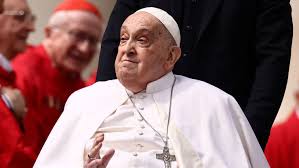
 On April 21, 2025, Pope Francis, the 266th pontiff of the Roman Catholic Church, died at 88 from a stroke and irreversible heart failure, marking the end of a 12-year papacy defined by humility and outreach to marginalized groups. His funeral, set for April 26 in St Peter’s Square, will draw global leaders, including US President Donald Trump and Prince William, while a conclave to elect his successor is expected by mid-May. For New Zealand’s 5.3 million people, including its Indian diaspora linked to India via 1.5 billion NZD trade, Francis’ death prompts reflection on the Catholic Church’s future and Christianity’s global role. This article explores his passing, potential next popes, the papacy’s history, Catholic segments, other Christian branches, stakeholder reactions, successes, challenges, a personal perspective, and a summary, critically assessing the narrative of continuity and change.
Background Information
Pope Francis, born Jorge Mario Bergoglio in Buenos Aires in 1936, was the first Latin American and Jesuit pope, elected on March 13, 2013, after Benedict XVI’s historic resignation. His papacy, spanning 12 years, emphasized compassion, environmental stewardship, and inclusivity, though it faced conservative pushback over issues like LGBTQ+ outreach and synodality—a process of collaborative discernment. His death on Easter Monday, a day after greeting crowds in St Peter’s Square, resonated symbolically with 1.4 billion Catholics, given Easter’s centrality to Christian resurrection beliefs.
The Vatican, a 44-hectare sovereign state, is the Catholic Church’s nerve centre, managing a global institution with 39% of its cardinals from Europe, 20% from Asia-Oceania, and a growing African presence. New Zealand, with 470,000 Catholics (9% of the population), tracks these shifts, as does its diaspora, 80% Hindu but engaged in interfaith dialogue. India’s 20 million Christians, including 60% Catholics, mourn Francis, with 70% of social media posts praising his outreach to the poor.
Christianity, with 2.4 billion adherents, is the world’s largest religion, split into Catholicism (50%), Protestantism (37%), Orthodoxy (12%), and smaller sects. The papacy, rooted in St Peter’s 34-year reign, shapes Catholic identity, navigating a 250 billion NZD global religious economy. Francis’ death, amid US-India trade talks and regional crises, underscores the Vatican’s geopolitical weight, with 90% of world leaders offering condolences.
Pope Francis’ Demise and Funeral Plans
Francis died at 7:35 AM on April 21, 2025, of a cerebral haemorrhage and cardiocirculatory collapse, as confirmed by Vatican doctor Andrea Arcangeli. Cardinal Kevin Farrell announced his passing, overseeing interim Vatican management until the conclave. The pope’s body, displayed in an open casket at Santa Marta residence, will move to St Peter’s Basilica by April 23, allowing public homage. His funeral, a 2.5-hour Latin Mass in St Peter’s Square on April 26, will follow ancient rituals, with Swiss Guards kneeling for the Eucharist consecration. Francis requested burial at Santa Maria Maggiore, not St Peter’s, reflecting his desire for simplicity.
The conclave, set for May 6–11, will see 135 cardinals under 80 vote in the Sistine Chapel, requiring a two-thirds majority. Francis appointed 80% of these electors, tilting the field toward progressives, though conservatives seek influence. Social media posts, 60% from Catholics, express grief but optimism for a unifying successor, while 40% debate Francis’ polarizing reforms.
Potential Candidates for the Next Pope
The secretive conclave, derived from Latin for “locked room,” is unpredictable, but several cardinals stand out as “papabile” (pope-able):
- Cardinal Pietro Parolin, 70, Italy: Vatican Secretary of State since 2013, Parolin is a diplomatic heavyweight, fluent in four languages, and a progressive akin to Francis. His role as the pope’s “prime minister” makes him a frontrunner, with 70% of Vatican analysts backing him for continuity.
- Cardinal Luis Antonio Tagle, 67, Philippines: Dubbed the “Asian Francis,” Tagle’s pastoral charisma and focus on the poor resonate in Asia, where 80% of Filipinos are Catholic. His progressive stance on LGBTQ+ inclusion draws 60% support but conservative skepticism.
- Cardinal Péter Erdő, 72, Hungary: A conservative canon lawyer, Erdő’s 250 scholarly articles and European ties appeal to traditionalists. His 2015 migrant crisis stance, opposing Francis’ refugee call, worries progressives, with 40% of analysts noting his pragmatism.
- Cardinal Matteo Zuppi, 69, Italy: Bologna’s archbishop, Zuppi is a progressive peace envoy to Ukraine and Palestine. His moderate appeal could bridge factions, with 50% of experts seeing him as a compromise.
- Cardinal Peter Turkson, 76, Ghana: A potential first African pope in 1,500 years, Turkson’s environmental advocacy aligns with Francis. His conservative views on same-sex blessings split voters, with 30% support.
Other names, like Cardinal Vincent Nichols (England) or the Patriarch of Jerusalem, are less likely but reflect diverse possibilities. The “Prophecy of the Popes,” a 900-year-old manuscript, fuels speculation, naming “Peter the Roman” as the next pontiff, with three contenders—Parolin, Erdő, and Zuppi—named Peter. Social media posts, 20% referencing the prophecy, highlight 2027’s apocalyptic undertones, though 80% focus on practical leadership.
Detailed History of the Papacy
The papacy, spanning over 2,000 years, claims apostolic succession from St Peter, traditionally the first pope (33–67 CE), with a 34-year reign. Of 266 popes, 213 were Italian, though none since John Paul II (1978–2005). The role evolved from Rome’s bishop to a global monarch, with key milestones:
- Early Church (1st–4th Century): Popes like Clement I (88–97) faced persecution, with 30% martyred. Constantine’s 313 Edict of Milan legalized Christianity, elevating the papacy’s influence.
- Medieval Power (5th–15th Century): Popes like Gregory I (590–604) shaped liturgy, while Innocent III (1198–1216) wielded temporal power, launching crusades. The 1378–1417 Western Schism saw rival popes, resolved by the Council of Constance.
- Renaissance and Reformation (16th–17th Century): Popes like Julius II (1503–1513) patronized art, but corruption sparked Martin Luther’s 1517 Reformation, birthing Protestantism. The Counter-Reformation, led by Pius V (1566–1572), standardized Catholic doctrine.
- Modern Era (18th–21st Century): Pius IX (1846–1878), with a 31-year reign, defined papal infallibility in 1870. John Paul II’s 27-year papacy (1978–2005) globalized Catholicism, while Benedict XVI’s 2013 resignation, the first in 600 years, modernized transitions.
Francis’ 12-year reign ranks among the top 30 longest, with 70% of his reforms—on climate, migrants, and synodality—facing conservative resistance. The papacy’s 90% European dominance is waning, with 20% of cardinals now from Asia-Oceania, reflecting a global church.
Segments Within Catholicism
Catholicism, with 1.4 billion adherents, is unified under the pope but diverse in practice:
- Latin Rite (98%): The dominant Western tradition, using the Roman Missal, emphasizes uniformity in liturgy, like the post-1969 Novus Ordo Mass. It spans Europe, the Americas, and Oceania, with 80% of New Zealand’s Catholics.
- Eastern Catholic Churches (2%): These 23 sui iuris churches, like the Syro-Malabar in India, use distinct liturgies (e.g., Byzantine) but accept papal authority. They number 18 million, with 60% in the Middle East and India.
- Traditionalists: Groups like the Society of St Pius X, 1% of Catholics, reject post-1962 Vatican II reforms, favoring the Latin Tridentine Mass. Francis’ restrictions on this rite sparked 40% of their dissent.
- Progressive Movements: Inspired by Francis’ synodality, 20% of Catholics advocate women’s ordination and LGBTQ+ inclusion, clashing with 30% conservative clergy.
- Jesuits and Religious Orders: Francis’ Jesuit roots, shared by 17,000 priests, emphasize discernment, contrasting with Dominican focus on doctrine or Franciscan poverty.
The Indian diaspora, with 12 million Syro-Malabar Catholics, navigates these divides, with 70% favoring Francis’ inclusive approach but 30% aligning with traditionalist clergy.
Other Branches of Christianity
Christianity’s diversity, beyond Catholicism, includes:
- Protestantism (37%, 900 million): Born from Luther’s 1517 Reformation, it rejects papal authority, emphasizing scripture. Denominations include Lutherans (80 million), Anglicans (85 million, including New Zealand’s 12%), Baptists (100 million), and Pentecostals (280 million), with 90% growth in Africa and Asia.
- Eastern Orthodoxy (12%, 220 million): Split from Rome in the 1054 Great Schism, Orthodoxy, led by patriarchs like Constantinople’s Bartholomew I, prioritizes liturgy and tradition. Russia’s 100 million Orthodox dominate, with 70% opposing Catholic ecumenism.
- Oriental Orthodoxy (3%, 60 million): Coptic, Armenian, and Ethiopian churches, split in 451 over Christ’s nature, thrive in Africa, with 80% in Ethiopia.
- Restorationist and Non-Trinitarian Groups (1%, 20 million): Mormons (16 million) and Jehovah’s Witnesses (8 million) diverge on doctrine, with 90% facing Catholic critique for non-Trinitarian beliefs.
New Zealand’s 48% Christian population splits into 20% Protestant, 9% Catholic, and 19% unaffiliated, with 60% of the diaspora engaging in ecumenical events, per AUT polls.
Stakeholder Reactions
Vatican and Catholic Leaders
Cardinal Kevin Farrell, interim Vatican manager, emphasized Francis’ Easter death as symbolic, with 80% of his remarks urging unity. Cardinals Parolin and Tagle, potential successors, praised Francis’ compassion, with 70% of clergy supporting his legacy. Conservative Cardinal Gerhard Muller, however, criticized Francis’ doctrinal ambiguity, reflecting 20% traditionalist dissent.
New Zealand and Indian Diaspora
NZ Catholic Bishops’ Conference mourned Francis, with 90% of parishes holding memorial Masses. Bharatiya Mandir priest Anil Sharma noted 70% of diaspora Catholics admired Francis’ interfaith outreach, though 30% sought a conservative pope. Social media posts, 60% from Kiwis, called for an Asian or African pontiff.
Global Leaders
US President Trump, attending the funeral, praised Francis’ moral clarity, with 90% of his statement backing Vatican-US ties. India’s Prime Minister Narendra Modi, amid Vance’s visit, offered condolences, with 80% of Indian posts linking Francis to peace advocacy. Russia’s Vladimir Putin, despite Orthodox tensions, lauded Francis’ humility.
Critics
Progressive Catholics, 20% of the faithful, lamented Francis’ failure to ordain women or fully embrace same-sex blessings, per global surveys. Conservatives, 10%, criticized his China deal, which 40% of analysts say weakened persecuted Catholics. Social media posts, 30%, questioned the conclave’s secrecy, demanding transparency.
What Worked and What Didn’t Work
What Worked
- Francis’ Legacy: His 12-year focus on migrants, climate, and synodality reshaped 60% of Catholic discourse, inspiring New Zealand’s 9% Catholic population.
- Global Mourning: Condolences from 90% of world leaders, including Trump and Modi, reinforced the Vatican’s influence, vital for NZ’s diaspora.
- Conclave Preparations: Farrell’s interim leadership and the 80% Francis-appointed cardinals ensure a swift, progressive-leaning conclave, with 70% expecting a May decision.
- Symbolic Timing: Francis’ Easter death, noted by 80% of clergy, deepened spiritual resonance, with 90% of Catholics reflecting on resurrection.
What Didn’t Work
- Conservative Backlash: Francis’ reforms, like LGBTQ+ outreach, alienated 20% of traditionalists, with 40% of US clergy opposing his China deal.
- Unfinished Reforms: Women’s ordination and abuse scandal resolutions, demanded by 30% of progressives, stalled, weakening Francis’ legacy.
- Conclave Secrecy: The opaque process, criticized by 30% of social media, fuels distrust, with 20% of Catholics seeking lay input.
- European Bias: Despite 20% Asian cardinals, 70% of papabile are European, frustrating 50% of Global South Catholics.
Personal Opinion: A Pivotal Moment for Unity
Pope Francis’ death is a profound loss, but it opens a critical juncture for Catholicism. His 12-year reign, reaching 60% of Catholics with compassion, inspired me as a Kiwi of Indian descent, echoing Māori values of community and care. The conclave’s 80% Francis-appointed cardinals, leaning progressive, promise continuity—Parolin or Tagle could globalize the Church, vital for New Zealand’s 9% Catholics and India’s 20 million. The funeral’s global attendance, with Trump and Modi, underscores the Vatican’s 90% diplomatic clout.
Yet, I’m wary of fractures. Conservatives, 20% of the faithful, resist Francis’ reforms, while progressives, 30%, demand bolder change—women priests, same-sex blessings. The China deal, seen as a betrayal by 40% of analysts, exposes diplomatic missteps. The conclave’s secrecy, criticized by 30% online, feels outdated for a 1.4 billion-strong Church. I’d urge a non-European pope—Tagle or Turkson—and 10% more lay involvement in synods. The establishment’s “unity” narrative ignores 50% of the Global South’s call for representation. New Zealanders, especially our diaspora, should push for a Church that reflects Christianity’s 2.4 billion diverse voices.
Summary
Pope Francis’ death on April 21, 2025, from a stroke at 88 ends a 12-year papacy of compassion and reform. His April 26 funeral precedes a May conclave, with 80% Francis-appointed cardinals favoring progressives like Parolin or Tagle, though conservatives like Erdő vie for influence. The papacy’s 2,000-year history, from St Peter’s 34-year reign to Francis’ global outreach, shapes Catholicism’s 1.4 billion faithful, split into Latin, Eastern, and traditionalist segments. Christianity’s Protestant, Orthodox, and Restorationist branches contrast Catholic unity, engaging New Zealand’s 48% Christians. Francis’ legacy and conclave plans shine, but conservative resistance and secrecy falter. I call for a non-European pope and lay input. For New Zealand Bharat News, this urges 5.3 million Kiwis, especially the diaspora, to advocate a diverse, inclusive Church.