

 Tracey Wilson
 By Tracey Wilson, Legal, Market, and Local Government Analyst, Exclusive for NZB News
Introduction: The Urgency of Change
As the world faces the escalating impacts of climate change, New Zealand is at a pivotal crossroads. The transport sector, responsible for nearly 17% of the nation’s greenhouse gas emissions7, stands as both a challenge and an opportunity. In 2019, the government set an ambitious target: to reduce transport emissions by 41% by 2035, and to reach net zero by 20507. This commitment is enshrined in landmark legislation and underpinned by a new wave of technological innovation, market incentives, and unprecedented community engagement.
This article examines the legal frameworks, market mechanisms, government strategies, and grassroots initiatives driving New Zealand’s transition to zero-carbon transport. We will explore the Zero Carbon Act, the electrification of public and private fleets, the role of local government, and the vital contribution of ordinary Kiwis. Through expert analysis, case studies, and a critical look at the road ahead, we chart the nation’s journey toward a cleaner, more equitable, and resilient transport future.
Part I: The Legal Foundations of Zero-Carbon Transport
1.1 The Zero Carbon Act: A Framework for Transformation
The Zero Carbon Act, passed in 2019 and updated in 2020, is the cornerstone of New Zealand’s climate response. This legislation sets a legally binding target of net zero greenhouse gas emissions by 2050, with interim five-yearly emissions budgets to keep the nation on track. Transport, as one of the largest sources of emissions, is a central focus.
Key provisions of the Act include:
- Emissions Budgets: Legally mandated limits on total emissions for each five-year period.
- Climate Change Commission: An independent advisory body to monitor progress and recommend policy.
- Sectoral Plans: Requirement for detailed strategies in high-emitting sectors, including transport.
The Act catalysed a wave of policy innovation, with the government, local authorities, and private sector all required to align their actions with national climate goals.
1.2 Public Transport Decarbonisation: Legal Mandates and Funding
In January 2021, the government announced a commitment to decarbonise the public transport bus fleet, mandating that from 2025, only zero-emission buses may be purchased3. The target is a fully decarbonised bus fleet by 2035, supported by a $50 million fund over four years to assist regional councils in overcoming technical and economic barriers.
This legal mandate is complemented by local government action. For example, Auckland Transport’s Low Emission Bus Roadmap commits to purchasing only zero-emission buses from 2025, with the goal of a fully electric fleet by 20406. Wellington and Christchurch are following suit, leveraging central government funding and innovative procurement strategies.
1.3 Local Government Leadership and Legal Tools
Local authorities wield significant legal powers in shaping transport outcomes. Through district plans, by-laws, and procurement policies, councils can:
- Prioritise sustainable modes (e.g., cycling, walking, public transport)
- Restrict fossil-fuelled vehicles in city centres
- Mandate charging infrastructure in new developments
- Support car-sharing and micro-mobility schemes
Auckland’s Climate Action Plan and Wellington’s Te Atakura – First to Zero strategy exemplify how local government can use legal levers to accelerate the transition6.
Part II: Market Forces and Technological Innovation
2.1 The Electric Vehicle (EV) Surge
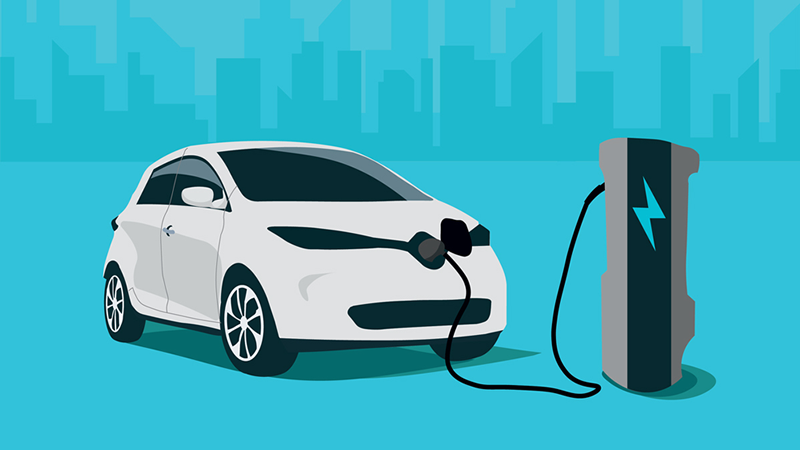
Electric vehicles are at the forefront of New Zealand’s zero-carbon transport revolution. The government’s Clean Car Discount, which provides rebates for low-emission vehicles and penalties for high-emission imports, has dramatically increased EV uptake5. As of early 2025, more than 120,000 EVs and plug-in hybrids are registered nationwide, with exponential growth projected as battery costs fall and charging networks expand.
Cities like Auckland and Wellington are rapidly expanding public charging infrastructure, making EV ownership increasingly viable for urban and rural residents alike. Local councils are also investing in fleet electrification, setting an example for businesses and households.
2.2 Heavy Transport and Aviation: The Next Frontier
While light vehicles have led the way, the decarbonisation of heavy transport and aviation is accelerating. The Robinson Research Institute’s advanced energy technology platform is pioneering the electrification of heavy trucks and even aircraft, using breakthroughs in power electronics and cryogenics. These innovations are critical for reducing emissions from freight and regional air travel, sectors that have traditionally been difficult to decarbonise.
Hydrogen and biofuels are also being trialled, with government and industry partnerships supporting pilot projects in Taranaki and Southland2. The Zero Carbon Act encourages such innovation, recognising that a diverse mix of technologies will be needed to achieve net zero5.
2.3 Alternative Transport Solutions and Shared Mobility
Beyond EVs, a wave of alternative transport solutions is reshaping urban mobility:
- Car-sharing programmes (e.g., Mevo, Cityhop) reduce the need for private car ownership5.
- Ride-hailing and micro-mobility (e-scooters, e-bikes) offer flexible, low-emission alternatives for short trips5.
- Integrated mobility platforms allow users to plan, book, and pay for journeys across multiple modes, promoting seamless, sustainable travel.
These market innovations are supported by legal frameworks that encourage shared mobility, reduce congestion, and lower carbon footprints.
Part III: Public Policy and Strategic Planning
3.1 The Emissions Reduction Plan and Transport Transition
In May 2022, the government launched New Zealand’s first Emissions Reduction Plan, setting out actions across every sector to achieve the first emissions budget and lay the foundation for deeper cuts in the future7. Transport is a central pillar, with targets including:
- A 41% reduction in transport emissions by 2035 (from 2019 levels)
- A 20% reduction in total kilometres travelled by the light vehicle fleet by 2035
- Doubling the share of trips made by public transport, walking, and cycling
The plan emphasises system-wide change, from urban planning and infrastructure investment to behaviour change and technology adoption.
3.2 Climate Adaptation and Resilience
Transport policy is not solely about reducing emissions; it must also address the impacts of a changing climate. Waka Kotahi’s Tiro Rangi climate adaptation plan outlines 21 priority actions to make the land transport system more resilient to extreme weather, sea-level rise, and other climate risks.
Investments in resilient infrastructure, improved emergency response, and community engagement are vital to ensure that transport systems can withstand future shocks and continue to serve all New Zealanders.
3.3 Funding and Economic Incentives
Transitioning to zero-carbon transport requires significant investment. Government funding, such as the $50 million bus decarbonisation fund and Clean Car Discount, is crucial to offset upfront costs and stimulate market transformation. Local government, the private sector, and international partners are also key sources of finance.
Economic modelling by KPMG and Mott MacDonald has informed funding approaches, ensuring that investment is targeted, efficient, and delivers maximum social and environmental benefit3.
Part IV: Community Engagement and Grassroots Innovation
4.1 The Power of Community in Shaping Transport Futures
Community engagement is not just a policy requirement; it is the engine of sustainable transport innovation1. The Zero Carbon Framework emphasises the importance of involving citizens in planning, decision-making, and implementation. When communities have ownership of solutions, they are more likely to support and sustain change.
Public consultations, citizen assemblies, and participatory budgeting are being used to gather input on transport projects, from bus routes to cycling infrastructure1. Local knowledge ensures that solutions are tailored to the unique needs of each region, enhancing effectiveness and equity.
4.2 Case Studies in Community-Led Change
Auckland’s Low Emission Bus Roadmap
Auckland Transport’s ambitious plan to electrify its bus fleet by 2040 was shaped by extensive community engagement, including public workshops, online surveys, and collaboration with schools and businesses6. The result is a roadmap that reflects local priorities and has broad public support.
Wellington’s Cycleways and Pedestrian Zones
Wellington City Council has worked closely with residents, businesses, and advocacy groups to design new cycleways and pedestrian-friendly streets. Community input has led to innovative solutions, such as “pop-up” bike lanes and car-free weekends, that are now being adopted in other cities.
4.3 Equity and Inclusion: Ensuring No One Is Left Behind
A just transition to zero-carbon transport requires a focus on equity. Rural communities, low-income households, and people with disabilities face unique barriers to accessing sustainable transport options7. Targeted subsidies, investment in regional infrastructure, and inclusive design are essential to ensure that all New Zealanders benefit from the transition.
Part V: The Role of Technology and Data
5.1 Smart Transport Systems and Data-Driven Policy
Technological innovation is transforming how transport systems are planned, operated, and monitored. Smart traffic management, real-time public transport tracking, and predictive maintenance are reducing congestion, improving safety, and lowering emissions.
Data analytics and artificial intelligence are enabling more precise modelling of transport demand, emissions, and resilience. This evidence-based approach supports better decision-making and more effective policy.
5.2 Autonomous and Connected Vehicles
Autonomous vehicles (AVs) and connected infrastructure are on the horizon, with pilot projects underway in several regions5. These technologies promise to further reduce emissions, improve safety, and enhance accessibility, but also raise legal, ethical, and regulatory questions that must be addressed.
Part VI: Challenges and Barriers
6.1 Infrastructure and Investment Gaps
Despite progress, significant challenges remain. The rollout of charging and hydrogen refuelling infrastructure is uneven, particularly in rural areas5. Upgrading public transport fleets and building new cycling and walking paths require sustained investment and political will.
6.2 Behavioural and Cultural Change
Shifting from car dependency to sustainable modes is as much a cultural challenge as a technical one. Public education, incentives, and demonstration projects are needed to build trust and enthusiasm for new ways of moving.
6.3 Regulatory Complexity
The transition to zero-carbon transport involves a complex web of regulations at national, regional, and local levels. Streamlining processes, clarifying responsibilities, and fostering collaboration are essential to avoid delays and ensure coherent action.
Part VII: Looking Ahead – Opportunities and Vision
7.1 International Leadership and Export Potential
New Zealand’s experience in zero-carbon transport offers valuable lessons for other countries. Innovations in policy, technology, and community engagement can be exported, creating new economic opportunities and strengthening the nation’s global reputation.
7.2 Integration with Broader Sustainability Goals
Zero-carbon transport is part of a wider sustainability agenda, including urban regeneration, biodiversity, and social inclusion. Aligning transport policy with these goals will maximise benefits and build a more resilient Aotearoa.
7.3 The Role of Youth and Future Generations
Young people are at the forefront of climate activism and innovation. Supporting youth leadership, education, and entrepreneurship in sustainable transport will ensure that the transition is dynamic, creative, and enduring.
Summary
New Zealand’s journey to zero-carbon transport is defined by visionary legislation, market innovation, strategic public policy, and the energy of engaged communities. The Zero Carbon Act and related frameworks have set ambitious targets, but it is the collective action of government, business, and citizens that will determine success. While challenges remain – from infrastructure gaps to behavioural change – the momentum is unmistakable.
By investing in technology, fostering equity, and empowering communities, New Zealand can build a transport system that is not only clean and efficient, but also inclusive and resilient. The road ahead is complex, but with continued collaboration and commitment, Aotearoa can pave the way for a sustainable transport future that inspires the world.
For NZB News, this is Tracey Wilson, reporting on the legal, market, and community forces shaping the future of transport in New Zealand.






















Good