Lara Zijl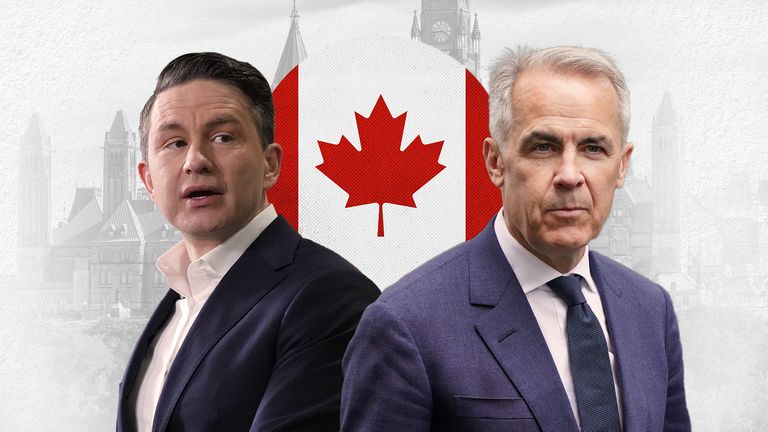
Canada’s 2025 federal election, held on April 28, represents one of the most consequential votes in recent history. With a new electoral map of 343 seats and a political landscape reshaped by global trade tensions, leadership changes, and domestic challenges, the election pits Prime Minister Mark Carney’s Liberals against Pierre Poilievre’s Conservatives in a battle for Canada’s future. Here’s what to expect as results unfold.
Key Dynamics Shaping the Race
Leadership Transition
Mark Carney, former Bank of Canada and Bank of England governor, took over the Liberal Party in March 2025 after Justin Trudeau’s resignation. His technocratic credentials contrast with Poilievre’s populist appeal, framing the election as a choice between “steady hands” and “bold change.”
Trade War Pressures
U.S. President Donald Trump’s tariffs on Canadian goods-particularly steel, aluminum, and dairy-have dominated the campaign. Voters seek a leader capable of defending Canada’s interests while maintaining economic stability.
Domestic Concerns
- Affordability: Rising housing costs and inflation remain top voter priorities.
- Healthcare: Strain on provincial systems post-pandemic.
- Climate Policy: Ranked outside the top ten issues despite activists’ push for stronger action.
Major Parties and Leaders
| Party | Leader | Key Platform |
|---|---|---|
| Liberals | Mark Carney | Defend free trade, expand childcare, and invest in green tech. |
| Conservatives | Pierre Poilievre | Axe carbon tax, cut regulations, and boost resource sectors. |
| NDP | Jagmeet Singh | Pharmacare for all, tax wealthiest 1%, and student debt relief. |
| Bloc Québécois | Yves-François Blanchet | Protect Quebec’s autonomy and French-language rights. |
| Greens | Elizabeth May | Net-zero by 2040 and Indigenous reconciliation. |
Electoral Map and Battlegrounds
New 343-Seat Distribution
Based on the 2021 census, the reconfigured map increases seats in fast-growing provinces:
- Ontario (+2 to 122 seats)
- British Columbia (+1 to 43 seats)
- Alberta (+1 to 37 seats)
Critical Ridings to Watch
- York Centre (ON): Suburban Toronto swing riding with large immigrant populations.
- Port Moody-Coquitlam (BC): Battleground for climate-conscious voters.
- Calgary Skyview (AB): Test of Liberal appeal in Conservative strongholds.
- Beauport-Limoilou (QC): Bloc-Québécois vs. Liberal fight over secularism laws.
Voter Behavior and Trends
- Early Voting: Over 7.3 million Canadians voted early (April 18–21), a 25% increase from 2021.
- Youth Engagement: Issues like student debt and gig-economy protections drove turnout among under-30 voters.
- Immigrant Communities: Focused on family reunification and credential recognition.
Potential Outcomes
Liberal Minority
(Most Likely Scenario)
Carney retains power with 155–170 seats, relying on NDP/Bloc support. Key Impact: Continued climate investments and diplomatic outreach to the U.S.
Conservative Minority
Poilievre wins 160–175 seats but lacks allies. Key Impact: Carbon tax repeal and stricter immigration caps.
Liberal Majority
(Unlikely)
Requires 172+ seats. Key Impact: Full implementation of childcare and pharmacare programs.
Conservative Majority
(Possible)
172+ seats would empower Poilievre to overhaul federal institutions and energy policies.
Implications Beyond Canada
- U.S. Relations: A Poilievre win risks further trade tensions; Carney offers continuity.
- Global Climate Goals: Liberal pledges align with Paris targets; Conservative policies could stall progress.
- NATO and Ukraine: Both parties support military aid, but Conservatives emphasize energy exports to Europe.
What to Watch on Election Night
- Atlantic Canada Results (7:30 PM ET): Early indicator of Liberal resilience.
- Quebec’s Bloc Surge (8:00 PM ET): Blanchet’s performance could deny either major party a majority.
- Ontario’s Suburban Belt (9:30 PM ET): Decisive battleground for 40+ seats.
- Alberta’s Conservative Sweep (10:00 PM MT): Poilievre needs 30+ seats here for a majority.
Conclusion: A Defining Moment
Canada’s election is not merely a choice between parties but a referendum on the country’s role in an era of geopolitical upheaval. Whether voters opt for Carney’s globalist vision or Poilievre’s nationalist agenda, the outcome will reshape Canada’s economy, alliances, and identity for decades.