 Swamy Gitananda
 By Swamy Gitananda (Lord Krishna) | NZB News
Background
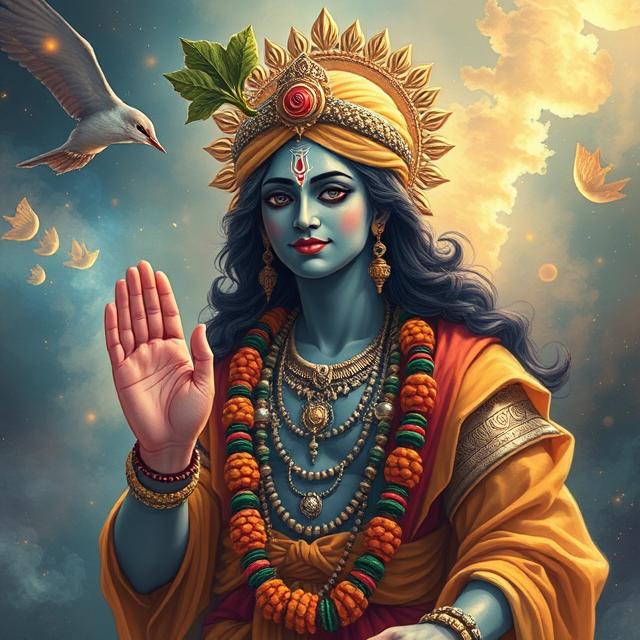
The sacred teachings of Bhagavan Sri Krishna, as revealed in the Bhagavad Gita, have nourished the spiritual soil of humanity for millennia.
In a modern world often characterised by hurry, conflict, and digital distraction, the Krishna Consciousness movement — popularly associated with Bhakti Yoga and the ISKCON tradition — continues to attract sincere seekers, not only from India but from across the globe, including Aotearoa New Zealand.
The question that resonates today is:
How can we live a life rooted in devotion while navigating the material demands of the 21st century?
The Essence of Krishna Consciousness
Krishna Consciousness is not a religion; it is a way of life.
Rooted in the Gita’s teachings, it calls upon the practitioner to:
- Recognise Krishna as the Supreme Personality of Godhead
- See all action as service (seva) to the Divine
- Transcend the ego and its constant cravings
- Live with detachment, discipline, and devotion
The foundational practices include:
- Daily chanting of the Hare Krishna Mahamantra
- Studying the Bhagavad Gita and Srimad Bhagavatam
- Associating with spiritually minded devotees
- Offering food, work, and thought in the spirit of Yajna (sacrifice)
Krishna Consciousness in New Zealand
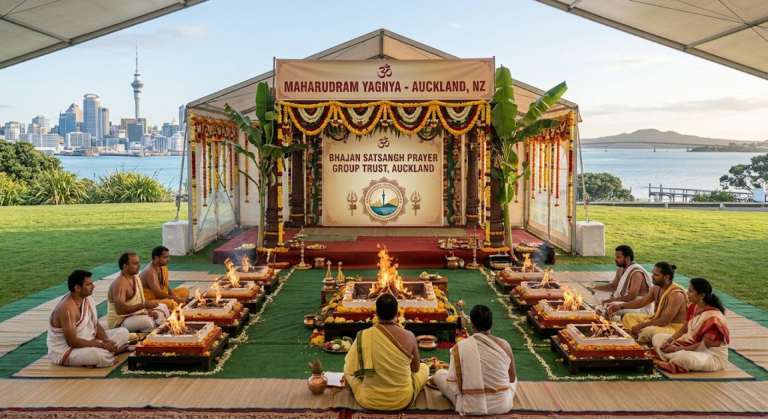
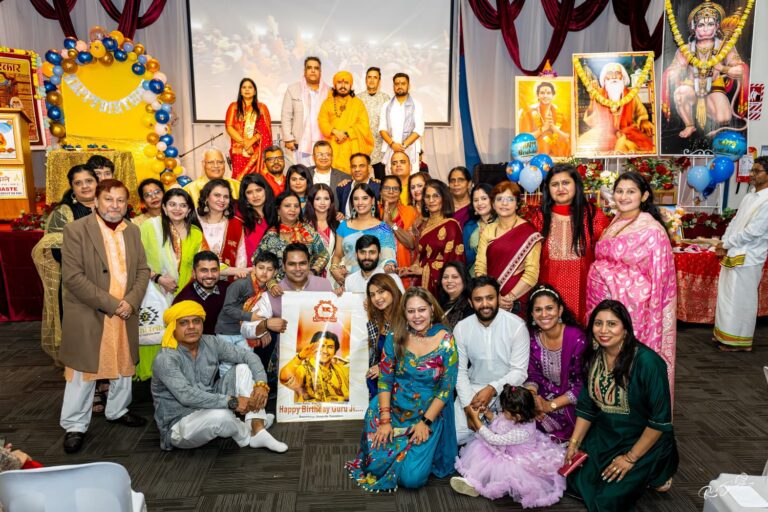
Across New Zealand, especially in cities like Auckland, Wellington, and Christchurch, Krishna temples and Bhakti centres continue to flourish:
- Govinda’s vegetarian cafés serve not just food but sattvic energy.
- Weekly kirtans attract people from diverse ethnic and spiritual backgrounds.
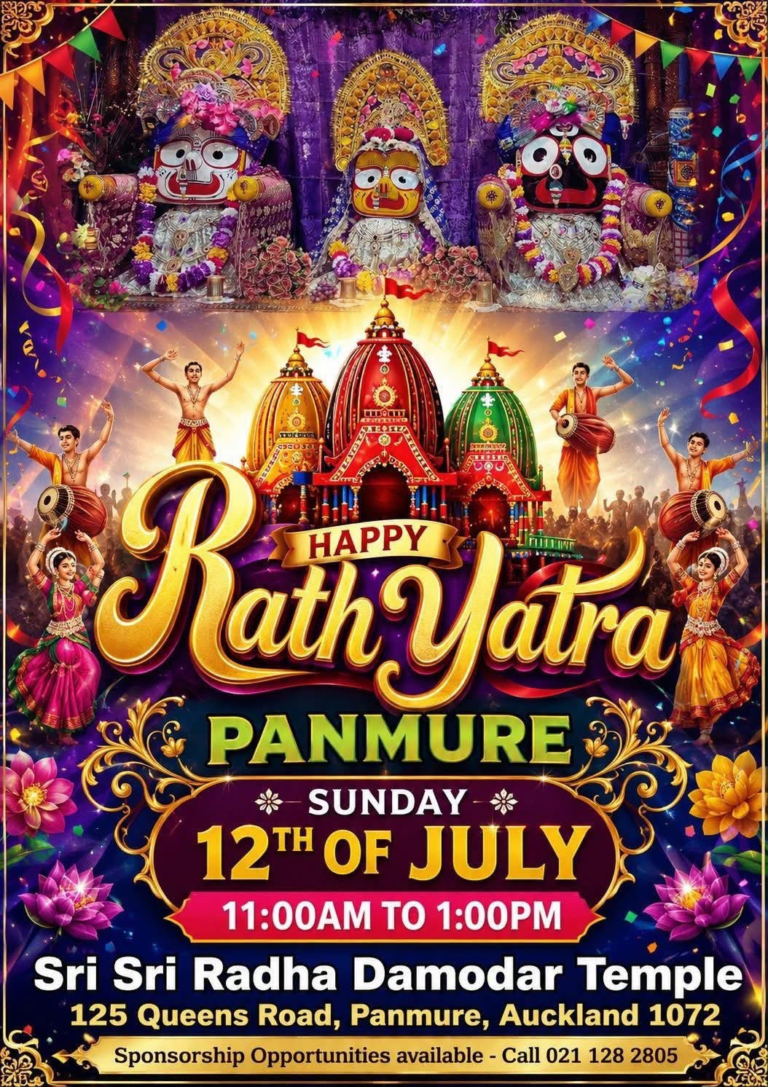
- Rath Yatras, Janmashtami celebrations, and Gita Jayanti draw thousands.
This is not merely cultural — it is deeply transformational.
Devotees, both born-Hindu and converts, find Krishna Consciousness to be:
- A source of mental peace
- A way to combat addictions and depression
- A practice for cultivating true freedom, not just external success
Discussion: The Modern Devotee’s Challenge
1. Digital Bhakti or Digital Distraction?
While YouTube and Instagram have spread Krishna’s message to millions, they have also commodified devotion. True seekers must balance accessibility with authenticity.
2. Bhakti and Career:
Many young professionals ask: Can I work in finance or IT and still be Krishna Conscious?
The Gita answers: “Whatever you do, do it as an offering unto Me.” (9.27)
A conscious life is not about renunciation of action but purification of intention.
3. Parenting and Spiritual Education:
Teaching children about Krishna amidst Western secularism is challenging. But through daily rituals, storytelling, and celebration, values can be lovingly transmitted.
4. Interfaith Harmony:
Krishna Consciousness, when shared with humility and not dogma, can serve as a bridge for dialogue, not division.
Summary: Living Gita in the Age of Google
In 2025, Krishna Consciousness is not retreating — it is evolving.
From the bustling streets of Mumbai to the serene shores of Wellington, the call of devotion, balance, and divine love is being heard again.
The modern devotee is not cloistered.
He or she may wear jeans, drive a Tesla, manage a business — but still wakes up for Mangala Arati, still chants the Holy Name, and still bows in humility to the Lord of Vrindavan.
This is not regression — it is revolution.
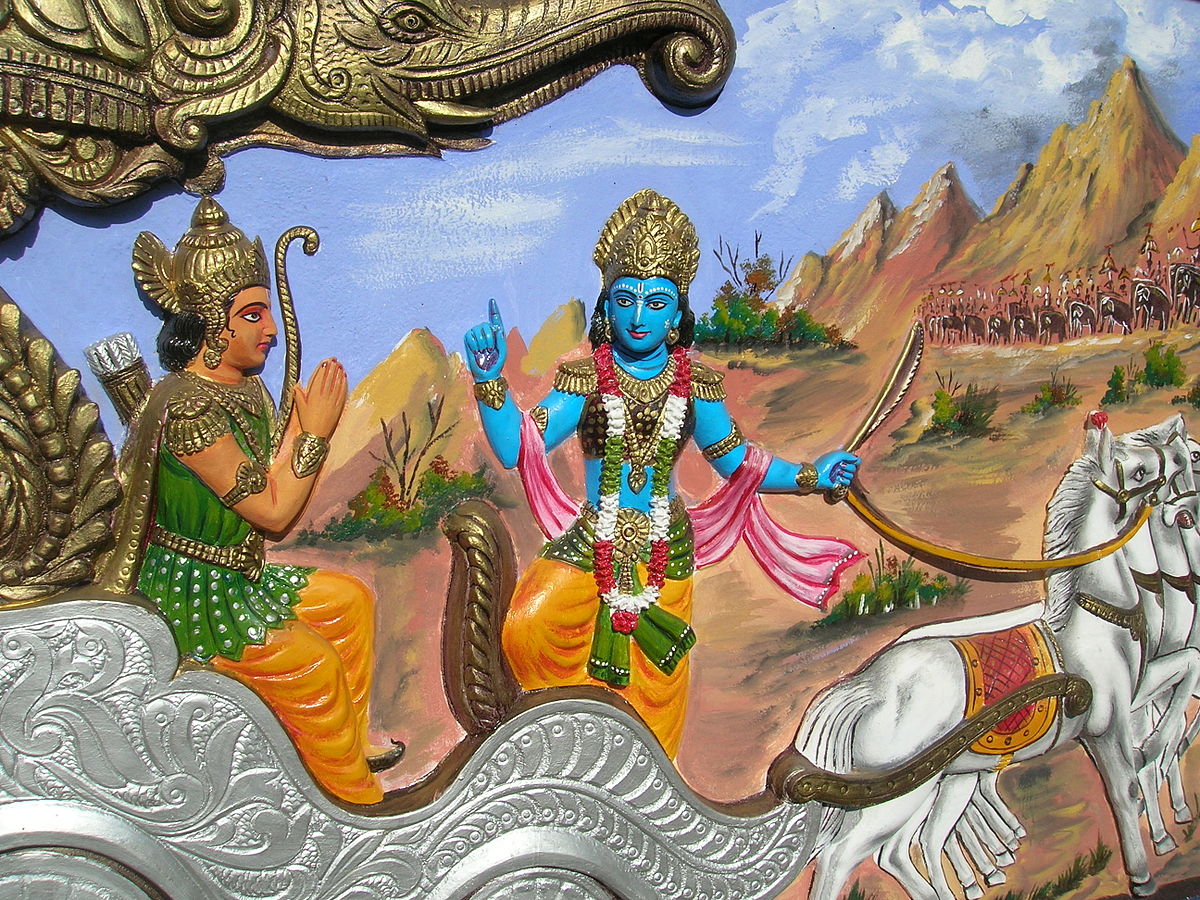
A spiritual revolution, led by the timeless charioteer of Arjuna, guiding us again from confusion to clarity, from fear to freedom.
“Man-mana bhava mad-bhakto mad-yaji mam namaskuru…”
(Become My devotee. Worship Me. Offer your homage unto Me. Thus you will come to Me.)
The way forward, dear reader, is the way within.