



 Swamy Gitananda
 A Daily Exploration of Dharma, Jnana, and Relevance to Modernity
By Swami Gitananda
Published on New Zealand Bharat (NZB) News, May 5, 2025
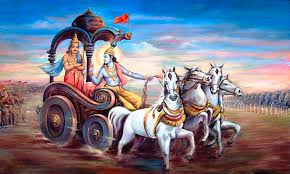
Om Shri Hanumate Namaha. Salutations to Hanuman, the embodiment of bhakti (devotion) and shakti (strength), as we continue our journey into Adhyaya 2 of the Bhagavad Gita, the Moksha-Shastra (scripture of liberation) that transforms Kurukshetra into a dharmakshetra of eternal truth. Yesterday, in Adhyaya 2, Shloka 3, Krishna commanded Arjuna to abandon kshaudram (weakness) and klaibyam (impotence), addressing him as Parantapa (scorcher of foes) to awaken his kshatriya-dharma (warrior duty) and rise above vishada (despondency). Today, in Shloka 4, Arjuna responds, confessing his karpanya (weakness) and moral anguish, unable to wield weapons against revered acharyas (teachers) like Bhishma and Drona, questioning how he could fight them, his manas (mind) torn by moha (delusion) and krup (pity). This shloka deepens sankhya-yoga’s dialogue, Arjuna’s shishya-bhava (disciple’s attitude) priming Krishna’s jnana-upadesha.
This series is a daily sadhana (spiritual practice), offering one shloka at a time—its direct meaning, a profound exploration of its tattva (essence), insights from sampradayas (spiritual traditions), a yogic and philosophical analysis, and its resonance with modern fields like quantum science, leadership, psychology, and svasthya (wellbeing). As the fourth shloka of Adhyaya 2—titled Sankhya-Yoga—it reveals Arjuna’s dharmic crisis and Krishna’s kripa (grace) as Guru, guiding Partha from tamas to sattva. Let us immerse ourselves in Adhyaya 2, Shloka 4, where Arjuna’s shishya cry seeks jnana’s light.
The Shloka
अर्जुन उवाच
कथं भीष्ममहं सङ्ख्ये द्रोणं च मधुसूदन।
इषुभिः प्रतियोत्स्यामि पूज्यौ युद्धविशारदौ॥
Arjuna uvacha
Katham bhishmam aham sankhye dronam cha madhusudana,
Ishubhih pratiyotsyami pujyau yuddhavisharadau.
Direct Meaning
“Arjuna said (arjuna uvacha): How (katham) can I (aham), O Madhusudana (madhusudana), in battle (sankhye) fight with arrows (ishubhih pratiyotsyami) against Bhishma (bhishmam) and Drona (dronam cha), who are worthy of reverence (pujyau) and skilled in war (yuddhavisharadau)?”
In this verse, Arjuna expresses his karpanya (weakness), questioning how he can fight revered acharyas like Bhishma and Drona, skilled warriors (yuddhavisharadau) and pujyau (worthy of worship), addressing Krishna as Madhusudana and revealing his vishada’s moral and emotional depth, seeking guidance as a shishya.
Detailed Explanation of the Shloka
This shloka marks Arjuna’s first response to Krishna’s upadesha (Shlokas 2-3), his vishada unyielding despite Krishna’s rebuke of kashmalam (delusion) and klaibyam (impotence). He names Bhishma and Drona, embodying kula-dharma (family duty) and guru-dharma (teacher reverence), as untouchable, his manas torn between svadharma (kshatriya duty) and krup for pujyau (revered ones). Kurukshetra remains a manas-kshetra (field of mind), where moha and kleshas (raga, dvesha, abhinivesha) paralyze buddhi (intellect). Krishna, as Madhusudana, listens to Partha’s shishya-bhava, poised to deepen sankhya-yoga’s jnana. Let us explore its layers with viveka (discernment), bhakti (devotion), and vichara (inquiry).
- Arjuna Uvacha: Arjuna Said
- Arjuna: The jiva as Partha, Gudakesha (conqueror of sleep), now krupayavishtam (overwhelmed by pity, Adhyaya 2, Shloka 1), speaks as a shishya.
- Uvacha: “Said,” marks Arjuna’s dialogue, vishada’s persistence after Krishna’s upadesha, a shishya’s plea for clarity.
This opening signals sankhya-yoga’s dialogue—Arjuna’s karpanya meets Krishna’s kripa, manas seeking jnana’s resolution.
- Katham: How
- Katham: “How,” a rhetorical question, expresses vishada’s anguish, Arjuna’s buddhi unable to reconcile svadharma with kula-dharma.
This word is karpanya’s cry—viveka faltering, moha clouding dharmic action, priming Krishna’s upadesha.
- Katham: “How,” a rhetorical question, expresses vishada’s anguish, Arjuna’s buddhi unable to reconcile svadharma with kula-dharma.
- Bhishmam Aham Sankhye Dronam Cha: Against Bhishma and Drona in Battle
- Bhishmam: Bhishma, the Kuru patriarch, pitr-maha (grandfather), symbol of kula-dharma, revered for tyaga (renunciation) and dharma.
- Dronam Cha: “And Drona,” the acharya (teacher) of the Pandavas and Kauravas, master of astra-shastra (weapons), embodying guru-dharma.
- Aham: “I,” personalizes vishada, Arjuna as jiva facing dharmic conflict.
- Sankhye: “In battle,” sankhya (battle, also knowledge in Adhyaya 2), situates Kurukshetra as karmakshetra (field of action).
This clause names vishada’s anchors—Bhishma and Drona as pujyau, krup for svajanam (kin) and guru paralyzing svadharma.
- Madhusudana: O Madhusudana
- Madhusudana: Krishna’s name, “slayer of Madhu” (demon), symbolizing moha’s destroyer, used in Adhyaya 1, Shloka 36 and Adhyaya 2, Shloka 1.
This address is bhakti’s touch—Arjuna’s shishya-bhava, seeking kripa from Ishvara to resolve karpanya.
- Madhusudana: Krishna’s name, “slayer of Madhu” (demon), symbolizing moha’s destroyer, used in Adhyaya 1, Shloka 36 and Adhyaya 2, Shloka 1.
- Ishubhih Pratiyotsyami: Fight with Arrows
- Ishubhih: “With arrows,” ishu (arrows), symbolizes kshatriya’s yuddha (war), gandiva’s role in svadharma.
- Pratiyotsyami: “I fight against,” prati-yudh (to counter-fight), expresses Arjuna’s dread of combat with pujyau.
This phrase reveals vishada’s core—ishubhih against Bhishma and Drona is adharma to Partha, krup overriding dharma.
- Pujyau Yuddhavisharadau: Worthy of Reverence, Skilled in War
- Pujyau: “Worthy of reverence,” pujya (venerable), elevates Bhishma and Drona as guru and pitr, untouchable in kula-dharma.
- Yuddhavisharadau: “Skilled in war,” yuddha (war) + visharada (expert), acknowledges their prowess, intensifying vishada’s fear of facing them.
This clause encapsulates karpanya—pujyau invokes sneha (affection), yuddhavisharadau dread, buddhi torn between reverence and duty.
- The Shishya’s Dilemma
Arjuna’s katham and pujyau reveal vishada’s moral depth—svadharma’s call to fight clashes with kula-dharma’s reverence for Bhishma and Drona. Kurukshetra mirrors samsara’s dharmic maze, moha binding jiva to kleshas. The Gita’s question persists: Can jnana resolve karpanya’s conflict? Krishna, as Madhusudana, listens, his kripa poised to deliver sankhya-yoga’s truth. - Sankhya-Yoga’s Dialogue
This shloka deepens Adhyaya 2’s dialogue—Arjuna’s shishya-bhava meets Krishna’s guru-bhava, karpanya priming jnana. Adhyaya 1’s vishada-yoga named svajanam broadly; here, Bhishma and Drona personalize krup, grounding moha in samsaric bonds. Krishna’s upadesha will shift Partha’s drishti (vision) from deha (body) to atman (self), transcending pujyau’s forms.
This shloka, then, is Arjuna’s shishya cry—karpanya confessing moha, pujyau halting svadharma, seeking Madhusudana’s jnana. It invites us to ponder: Do we, like Arjuna, falter before revered bonds, and can we seek Shri Bhagavan to guide our drishti?
Spiritual Wisdom from Authoritative Voices
The Bhagavad Gita’s divya-artha (divine meaning) shines through the bhashyas of acharyas, each illuminating its eternal truth. Let us draw from their insights, weaving a jnana-mala (garland of wisdom).
- Adi Shankaracharya (Advaita Vedanta)
Shankaracharya sees katham pujyau as maya’s veil—bhishmam and dronam binding atman to samsara’s forms. Karpanya reflects avidya’s grip, vishada mistaking deha for atman. He writes, “Arjuna’s krup is moha, not viveka,” urging discernment of Brahman beyond pujyau. This shloka foreshadows Adhyaya 2: “Na tvam shochitum arhasi”—“You should not grieve” (Shloka 2.11), freeing jiva from karpanya. - Ramanujacharya (Vishishtadvaita)
Ramanuja interprets katham madhusudana as prapatti’s cry, pujyau a bhakta’s reverence. Krishna’s silence sparks bhakti, guiding vishada to dharma. He notes, “Arjuna’s shishya-bhava invites kripa,” aligning with Adhyaya 12: “Bhaktya mam abhijanati”—“Through devotion, one knows me.” Karpanya is a test, resolved by Narayana’s grace. - Madhvacharya (Dvaita)
Madhvacharya views ishubhih pratiyotsyami as tamasic delusion, pujyau prioritizing sneha over Vishnu’s sankalpa. He emphasizes daiva-shakti, Krishna as Madhusudana awakening svadharma, echoing Adhyaya 18: “Mam ekam sharanam vraja”—“Take refuge in me,” transcending krup’s bonds. - Swami Vivekananda (Neo-Vedanta)
Vivekananda reads Shloka 4 as humanity’s moral struggle. “Arjuna’s katham is the jiva’s conflict,” he writes. Pujyau reveals karuna, but moha blinds dharma. He urges awakening atma-shakti in the karmakshetra, aligned with Adhyaya 2: “Yoga-sthah kuru karmani”—“Established in yoga, perform actions” (Shloka 2.48).
Yogic and Philosophical Analysis
Shloka 4 is a yogic and philosophical pivot, Arjuna’s karpanya engaging Vedanta’s inquiry: Can jnana resolve pujyau’s dharmic conflict? Let us explore this through yogic, Vedantic, and Ayurvedic lenses.
- Yogic Perspective: Karpanya as Klesha
In Patanjali’s Yoga Sutras (2.3), kleshas—raga (attachment), dvesha (aversion), abhinivesha (fear)—drive samsara. Arjuna’s katham pujyau reflects raga for Bhishma and Drona, dvesha for papa (sin), and abhinivesha for karmic guilt. Ishubhih pratiyotsyami shows chitta-vikshepa (mental agitation), tamasic inaction hindering chitta-shuddhi (mental purification). Krishna’s upadesha will guide manas to sattva via dhyana-yoga (Adhyaya 6). - Vedantic Inquiry: Moha vs. Atman
The Chandogya Upanishad (7.24.1) states, “Yo vai bhuma tat sukham”—“The infinite alone is true happiness,” suggesting karpanya’s root is avidya. Arjuna’s pujyau clings to preyas (worldly reverence), missing shreyas (spiritual good). Krishna’s sankhya will affirm: “Na jayate mriyate va”—“The soul is neither born nor dies” (Shloka 2.20), freeing jiva from moha’s chains. - Ayurvedic Insight: Karpanya as Tamas
Ayurveda sees karpanya as vata-pitta imbalance, with tamas dulling ojas (vitality). Pujyau’s reverence evokes tamas’ grip, katham disrupting kapha’s stability. Practices like pranayama (nadi shodhana), asana (shavasana), and sattvic ahara (pure diet) restore chitta’s balance, aligning with Madhusudana’s kripa.
Relevance to Today’s Context
The Bhagavad Gita is a jivan-shastra (manual for life), vibrant in 2025. Let us explore how Shloka 4 resonates with quantum science, leadership, and svasthya.
- Quantum Science and Cosmology
Arjuna’s katham pujyau mirrors quantum ethics—bhishmam and dronam as entangled systems, karpanya as choice’s entropy. Krishna’s kripa evokes ekatva (oneness), harmonizing conflict. This shloka suggests a dharmakshetra cosmos, where buddhi shapes karma, resonant with quantum consciousness theories. - Leadership and Business
In the corporate Kurukshetra, Arjuna’s pujyau reflects loyalty conflicts—bhishmam and dronam as mentors, ishubhih as tough decisions. Krishna’s upadesha inspires dharma-driven leadership, fostering drishti to balance respect and duty, aligned with 2025’s ethical frameworks. - Svasthya (Wellbeing)
Arjuna’s karpanya mirrors modern indecision—chitta-vikshepa from relational conflicts—while pujyau evokes emotional binds. Practices like pranayama and dhyana nurture shanti, freeing manas from moha’s grip, guided by Madhusudana’s call.
Conclusion: The Shishya’s Cry
This fourth shloka of Adhyaya 2 deepens sankhya-yoga—Arjuna’s karpanya confessing moha, pujyau halting svadharma, shishya-bhava seeking jnana. It mirrors samsara’s kleshas, dharma veiled by krup, yet vishada’s cry is sadhana’s plea. Each day, we unveil another shloka of this divya-gita, seeking satyam (truth) and sundaram (beauty).
Tomorrow, Arjuna questions fighting for artha (wealth) over svajanam’s loss, deepening his shishya plea. Let us approach with bhakti and vichar, chanting: “Krishnam vande jagadgurum”—to Krishna, the world’s Guru. May His kripa guide us onward.
Hari Om Tat Sat.