




 Tracey Beatrice
 Background: The iReX Ferry Plan
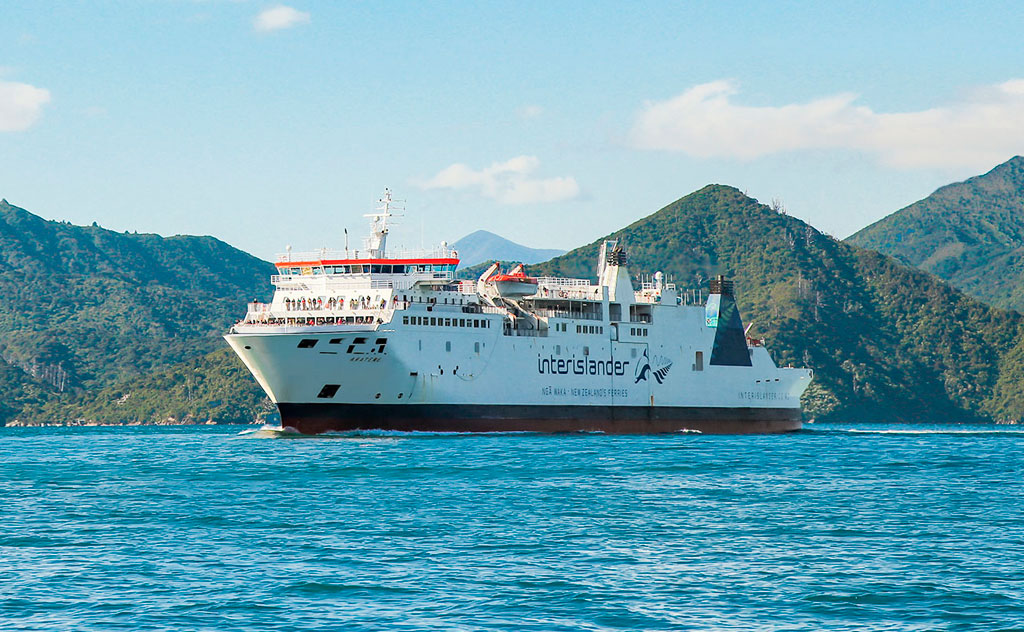
The Interislander ferry service, a critical link between the North and South Islands, was set for a major upgrade under the iReX project. Announced by the previous government, the plan was to replace the ageing fleet with two large, hybrid, rail-enabled ferries and deliver extensive port upgrades in Wellington and Picton. The goal was increased capacity, modernisation, and future-proofing for decades to come.
Ballooning Costs and Project Cancellation
What began as a $775 million project in 2018 spiralled dramatically. By late 2019, the cost estimate had doubled, and by 2023, projections reached $3.1 billion, with some officials warning it could hit $4 billion. Only a fraction of this was for the ferries themselves; most was tied up in landside infrastructure, new terminals, and expanded facilities. As requirements expanded and costs mounted, the government pulled the plug in December 2023, citing fiscal responsibility and the risk of a runaway budget.
How Much Has Been Spent?
Despite the cancellation, more than half a billion dollars has already been spent on the now-axed project. KiwiRail confirmed that $507.3 million of taxpayer money went into procurement and design of the ferries, terminal plans and consenting, enabling and early construction work, and winding down the project. This figure does not include contract break fees, which could add hundreds of millions more.
A significant portion-$39.1 million-was invested in Picton port improvements, including a new terminal and walkways, a mechanical depot, and increased culvert capacity. Some of this infrastructure will be reused in future ferry plans, but much was tailored for the now-cancelled mega ferries.
Ongoing and Future Costs
The financial fallout is not over. The government has set aside $300 million in contingency funding for contract break fees, mostly related to the cancellation of the deal with Hyundai, the shipbuilder originally contracted for the ferries. The final cost could be even higher, depending on settlements and ongoing maintenance of the current, ageing Interislander fleet.
Labour estimates the total cancellation cost at $1.1 billion, including the deal’s termination and the need to keep the old ferries running longer. The government disputes this figure but acknowledges the expense is significant.
What Happens Next?
With the iReX project scrapped, the government has shifted to a new plan: two smaller, rail-enabled ferries, targeted for delivery by 2029, and a more modest approach to port upgrades. The new proposal aims to reuse as much of the existing infrastructure as possible, particularly in Picton, to avoid further waste.
In the meantime, the current Interislander fleet-some vessels now over 25 years old-must continue operating. This comes with its own risks and costs, as recent breakdowns and safety exemptions have highlighted the urgency of finding a replacement.
Political and Public Debate
The ferry project’s demise has become a political flashpoint. The government argues cancelling iReX will ultimately save taxpayers billions and prevent further escalation. Critics, including Labour, say the decision was reckless and will result in higher long-term costs, both for the public purse and for the reliability of Cook Strait transport.
Summary
Despite its cancellation, the iReX mega ferry project has already absorbed more than $500 million, with further costs likely as contracts are settled and interim measures are put in place. The saga stands as a cautionary tale of infrastructure ambition, cost blowouts, and the challenges of delivering major transport upgrades in New Zealand. As the government pivots to a scaled-down ferry plan, the focus is now on salvaging value from what’s been built and ensuring a reliable Cook Strait crossing for the future.