



 Eleanor Thompson
 As Bengaluru faces yet another year of devastating floods, a troubling pattern plays out across social media: memes and jokes that trivialise the real suffering of thousands. What many see as harmless fun or a coping mechanism is, in reality, a symptom of collective desensitisation and societal apathy. This article explores the historical roots of Bengaluru’s flooding, the rise of insensitive humour during such crises, the psychological and social impacts of these memes, and why it is time to replace mockery with empathy and accountability.
The Historical Roots of Bengaluru’s Flooding
From Garden City to Flooded Metropolis
Bengaluru, once famed as India’s “Garden City,” has undergone rapid, often reckless urbanisation over the past five decades. The city’s original landscape was dotted with hundreds of interconnected lakes, wetlands, and stormwater drains (rajakaluves) designed to absorb and channel monsoon rains. These natural buffers protected the city from flooding for centuries.
However, from the 1980s onwards, Bengaluru’s tech boom and population explosion led to the rampant encroachment and destruction of these water bodies. Lakes were filled in for real estate, stormwater drains were blocked by construction, and wetlands were replaced by roads and buildings. According to urban planning experts, the city has lost over 80% of its original lakes since the 1970s.
A Pattern of Repeated Disasters
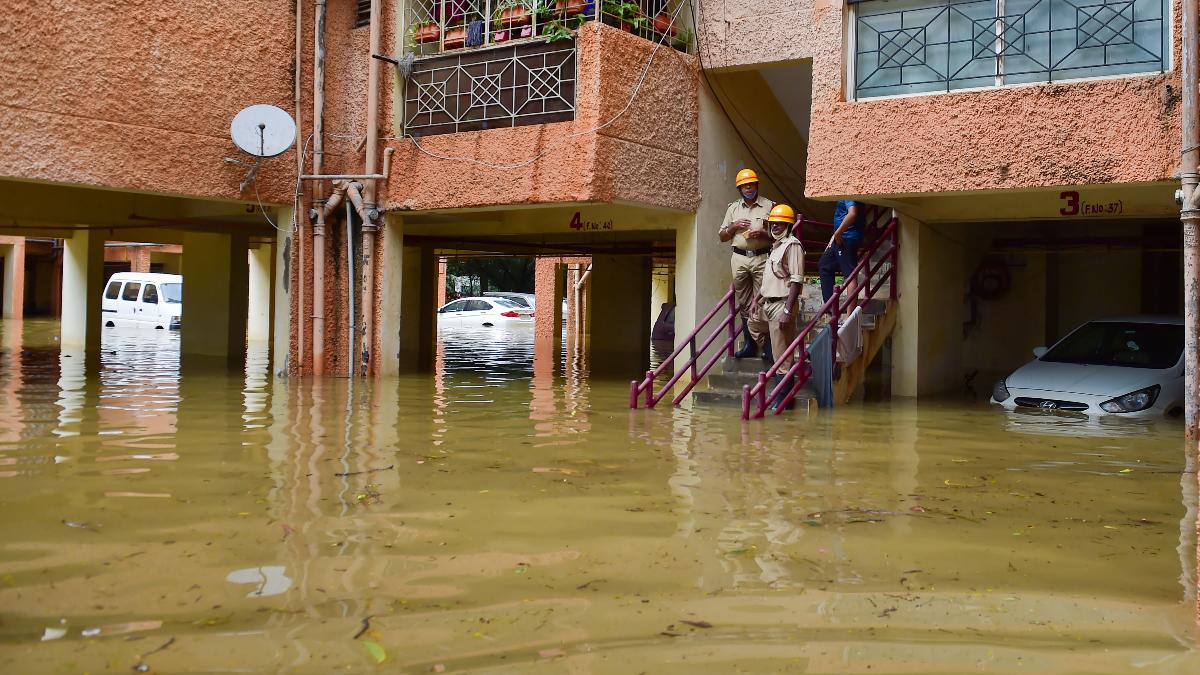
Bengaluru’s floods are not a recent phenomenon. Major inundations have been recorded in 2005, 2017, 2022, 2023, and most recently in 2025, when the city received over 130 mm of rain in a single day-the third-heaviest September rainfall in 75 years. Each disaster follows a familiar script: waterlogged streets, stranded commuters, submerged homes, and massive losses for the city’s poorest residents.
Despite a civic budget of nearly ₹20,000 crore, the Bruhat Bengaluru Mahanagara Palike (BBMP) and other authorities have repeatedly failed to address the root causes: encroachment, poor drainage, and unplanned growth. Instead, patchwork solutions and blame games have become the norm, leaving vulnerable communities to bear the brunt.
The Rise of Flood Memes and Inhuman Humour
Social Media: From Solidarity to Spectacle
With every flood, social media platforms like Twitter, Instagram, and WhatsApp are flooded not just with distress calls and updates, but also with memes and jokes. Images of submerged cars are captioned “Bengaluru Venice Edition,” videos of people wading through knee-deep water are turned into slapstick reels, and hashtags like #BengaluruPort or #WaterSports trend for days.
While humour has always been a way for people to cope with adversity, the tone and content of these memes often cross the line from light-heartedness to outright cruelty. Instead of fostering solidarity, they turn the suffering of real people into a spectacle for entertainment.
Who Gets Mocked, Who Gets Erased
A closer look at these memes reveals a disturbing pattern of class and privilege. Most viral jokes focus on flooded tech parks, luxury cars, or inconvenienced office workers, glossing over the far graver realities faced by slum dwellers and daily wage earners. For every viral meme about a stranded BMW, there are hundreds of families in areas like Anjappa Gardens or Siddhartha Nagara whose homes, rations, and livelihoods are washed away.
Moreover, memes often blame the victims-“Why don’t you just move to higher ground?” or “Should have bought insurance!”-while ignoring the systemic failures that make such disasters inevitable. This victim-blaming absolves authorities and developers of responsibility and shifts the burden onto those with the least power.
The Psychology Behind Disaster Humour
Coping or Callousness?
Psychologists recognise that humour can be a coping mechanism in times of crisis. Jokes and memes can help people process anxiety, build community, and make sense of chaos. However, when humour comes at the expense of those who are suffering, it crosses into callousness.
In the case of Bengaluru’s floods, the distance between meme-makers (often from more privileged backgrounds) and victims (typically the urban poor) creates a disconnect. The pain of losing a home, a month’s wages, or a child’s schoolbooks is reduced to a punchline, stripping away empathy and reinforcing social divides.
The Spread and Impact of Viral Insensitivity
Social media amplifies these dynamics. A single meme can reach millions in hours, normalising insensitivity and encouraging others to join in. The more outrageous or cruel the joke, the more likely it is to go viral. This creates a feedback loop where real suffering is trivialised, and collective outrage is replaced by collective mockery.
For those affected by the floods, seeing their plight turned into entertainment can deepen trauma and isolation. It signals that their pain is invisible or unimportant to the wider society, compounding the sense of abandonment already felt due to government inaction.
The Consequences: Erosion of Empathy and Accountability
Normalising Neglect
When disaster becomes a meme, it loses its urgency. Instead of demanding accountability from civic authorities or pressing for systemic change, the public conversation shifts to jokes and one-liners. This normalisation of suffering allows those in power to escape scrutiny, perpetuating a cycle of neglect.
For example, after the 2022 and 2023 floods, promises were made to clear encroachments and upgrade drainage. Yet, little changed, and the same scenes repeated in 2025. The memeification of these disasters contributed to a sense of fatalism-“This is just how Bengaluru is”-making it harder to mobilise public pressure for real solutions.
Deepening Social Divides
Flood memes often reflect and reinforce existing inequalities. While the middle class and wealthy can laugh about “waterfront properties,” the poor are left to salvage what little they have. This two-tiered experience of disaster-one as inconvenience, the other as catastrophe-is obscured by humour that centres the privileged and erases the vulnerable.
Such dynamics are not unique to Bengaluru. Across the world, disaster humour tends to focus on the inconveniences of the affluent, while ignoring or mocking the suffering of the marginalised. This perpetuates a cycle where the voices of those most affected are drowned out by laughter.
Historical Parallels: Humour in the Face of Tragedy
From Plagues to Floods
Humour during disasters is not new. During the Black Death, plague songs and jokes circulated in Europe. After the Mumbai floods of 2005, jokes about “Mumbai’s new swimming pools” spread rapidly. In Chennai’s 2015 floods, memes about “boat rides to work” went viral even as thousands were stranded.
What distinguishes the current era is the speed and scale of social media, and the degree to which memes can shape public perception. In the past, humour was often local, shared within affected communities. Today, it is global, and the people making and sharing jokes are often far removed from the suffering on the ground.
When Humour Heals-and When It Hurts
There are moments when humour can heal. Satire that targets corrupt officials, exposes mismanagement, or rallies people to action can be a powerful tool for change. However, when the target is the victim, not the perpetrator, humour becomes a weapon of exclusion rather than solidarity.
Towards Empathy-Driven Discourse
The Role of Media and Influencers
Journalists, content creators, and social media influencers have a responsibility to shape the narrative. Instead of amplifying memes that mock suffering, they can highlight stories of resilience, community support, and the systemic issues behind the floods. Influencers who use their platforms to raise funds, spread awareness, or call for accountability can help shift the conversation from mockery to meaningful action.
What Can Individuals Do?
- Think Before Sharing: Ask yourself if a meme trivialises someone’s pain or shifts blame onto the victim.
- Amplify Real Stories: Share first-hand accounts from affected communities, not just viral jokes.
- Hold Authorities Accountable: Use social media to demand action from civic bodies, not just to laugh at their failures.
- Support Relief Efforts: Donate, volunteer, or spread information about credible relief initiatives.
Building a Culture of Compassion
Empathy is not just a personal virtue but a social necessity. In a city as diverse and dynamic as Bengaluru, disasters will test the bonds of community. The true measure of a society is not how it laughs in the face of tragedy, but how it stands together to help those in need.
Summary
Bengaluru’s floods are a human tragedy, not a punchline. The rise of memes and inhuman humour during such disasters reflects a dangerous erosion of empathy and accountability. Historical patterns show that while humour can help people cope, it becomes harmful when it mocks the suffering of the vulnerable or absolves those in power. As citizens, content creators, and members of a shared society, we must reject the trivialisation of tragedy and instead foster a culture of compassion, solidarity, and action. Only then can Bengaluru hope to break the cycle of disaster and neglect that has come to define its monsoon seasons.