




 Genevieve Montgomery
 Introduction
This is the 79th article in our ongoing series, Bharat Is Not for Beginners. In Article 78, we delved into Bharat’s profound approach to gender, sacred duality, and the celebration of the third gender. Now, we turn to a different but equally evocative realm of Indian civilisation—its textile heritage.
India’s relationship with textiles is not merely economic or aesthetic; it is deeply spiritual, cultural, and civilisational. A sari is not just a garment. A loom is not just a tool. The warp and weft are not just interlaced threads—they are the interlacing of cosmic order, dharma, history, and identity.
This article explores the living legacy of Indian handlooms, the spirituality of fabric, the philosophy woven into warp and weft, and why this ancient tradition continues to define Indian civilisation across millennia. We uncover how India’s weaving traditions have carried not just cloth, but culture, code, craft, and cosmic connection.
I. The Loom of Civilisation: Weaving Through Time
1. Indus Valley Evidence
Excavations at Mohenjo-Daro and Harappa provide early evidence of spinning wheels, needles, and dyed cotton, indicating:
- India was the first civilisation to cultivate and weave cotton, dating back at least 5000 years.
- References to textiles and looms appear in Rig Veda, including metaphors for creation using the loom.
- The Sutradhara, or the “holder of threads”, was also a metaphysical reference to divine cosmic order.
India’s textile history is older than most civilisations, and it wasn’t limited to utilitarian purposes—it was encoded with meaning.
2. Global Fame in Antiquity
- Greek and Roman records praise Indian muslin and silk.
- Chinese monks like Faxian and Xuanzang wrote about Indian weavers.
- Roman senators wore Indian textiles with pride.
- Tamil Sangam literature details thriving textile exports to Southeast Asia and Rome.
India’s textiles were not just globally valued, they were world-shaping exports centuries before the modern global economy.
II. Fabric as Metaphor: Weaving as Sacred Ritual
1. Philosophical Significance of the Loom
In Upanishadic and Tantric metaphors:
- The loom represents the universe.
- The warp (longitudinal threads) symbolises time or dharma.
- The weft (crosswise threads) symbolises karma or action.
- The thread is the sutra—the binding element of knowledge and continuity.
This sacred metaphor exists across traditions—from textile worship in tribal shrines to loom rituals in temple towns.
2. Ritual and Cloth
- The angavastram worn by priests is woven with specific counts and rules.
- The uttariya (upper cloth) worn during yajnas is not random—it is a coded offering to the gods.
- Many communities still perform loom puja during festivals like Vasant Panchami, honouring Saraswati as the goddess of creativity.
Weaving was not a job. It was a form of devotion, a path of yoga, and a means of honouring the cosmic cycle.
III. The Regional Language of Threads: A Pan-Indian Tapestry
1. Banarasi: Brocaded Brilliance of the North
- Originating in Kashi, the city of spiritual light, Banarasi silk is known for zari work (gold thread embroidery), floral motifs, and Mughal aesthetics.
- Motifs like kalga, bel, and jaal draw from Persian and Hindu iconography.
- Often worn by brides, the Banarasi sari is a marriage of soul and society.
2. Kanchipuram: South Indian Silk Grandeur
- Woven in Tamil Nadu, often with contrasting borders and body, symbolic of unity in diversity.
- Inspired by temple architecture, motifs include chakras, peacocks, rudraksha, and annapakshi.
- Each sari is woven with three shuttles, handled by three weavers simultaneously, representing cooperation, rhythm, and continuity.
3. Patola: Double Ikat Precision from Gujarat
- Requires over six months to weave a single sari.
- Uses the resist dyeing technique where both warp and weft are pre-dyed in precise symmetry.
- Symbolic of mathematical precision and spiritual patience.
4. Jamdani: Muslin of Dreams
- Originated in Bengal, known for its sheer texture and floating motifs.
- Once referred to as “woven air”, exported as luxury fabric to Persia and Europe.
- Traditionally worn by Sufi poets, devadasis, and noblewomen.
5. Tribal and Folk Weaves
- Loin loom weaving in Nagaland and Manipur: Small-scale, back-strap looms produce intricate community patterns.
- Bhujodi shawls of Kutch, Pochampally from Telangana, Sambalpuri from Odisha—all reflect regional identity, seasonal rituals, and spiritual symbols.
Each region of Bharat speaks its own dialect of weaving, and every motif is a syllable in the civilisational sentence.
IV. Weaving and Dharma: Economic, Social, and Spiritual Roles
1. Guilds, Jatis, and the Weaver as Custodian
- Weaving was traditionally handled by Sali, Padmasali, Julaha, Devanga, Ansari, and other jatis.
- Weavers were not mere artisans, but cultural recorders, myth carriers, and community leaders.
- Guilds called srenis existed even during Maurya times, with rights, responsibilities, and codes of conduct.
2. Gandhi, Khadi, and the Thread of Swaraj
- Mahatma Gandhi’s spinning wheel (charkha) was not just a tool; it was a symbol of resistance and self-reliance.
- Khadi became a political and spiritual emblem of Swadeshi—India’s own sacred economy.
- Gandhi said, “The music of the spinning wheel is the music of the soul.”
Weaving thus played a central role in India’s freedom struggle, tying civilisational heritage to political liberation.
V. Colonial Disruption and Modern Revival
1. The Colonial Unravelling
- British colonial rule led to:
- Deindustrialisation of Indian weaving.
- Dumping of Manchester mill cloth in Indian markets.
- Destruction of indigenous guilds and loss of patronage.
- Bengal’s muslin weavers had their thumbs broken, a gruesome symbol of textile colonialism.
India, which had clothed the world, was reduced to a market for foreign fabric.
2. The Post-Independence Dilemma
- Handlooms were seen as backward or “cottage industry”.
- Mechanised mills and synthetic fabrics took over.
- Weavers became marginalised, despite being custodians of cultural memory.
3. The Handloom Revival Movement
In recent decades:
- Designers like Ritu Kumar, Gaurang Shah, and Sabyasachi have revived interest in handlooms.
- NGOs and cooperatives have connected weavers to markets.
- Government initiatives like “India Handloom Brand” aim to restore pride and income.
Still, challenges remain—migration, low wages, and fading interest among youth.
VI. Threads of the Future: Technology and Tradition Together
1. Digital Documentation
- Organisations are digitising weaving patterns, preserving oral histories, and creating virtual museums.
- AI is helping recreate lost weaves and motifs from archaeological samples.
2. Weaving in the Diaspora
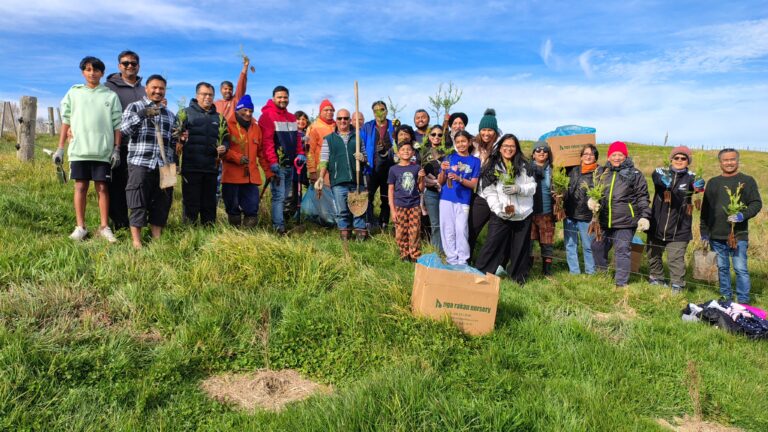
- Indian-origin communities abroad—especially in New Zealand, Fiji, South Africa, the UK, and the US—are reviving weaving festivals, sari ceremonies, and loom workshops.
- The sari is no longer just ethnic—it is transnational identity worn with pride by the youth.
3. Weaving as Meditation
- Mindfulness and yoga movements are embracing weaving as a form of spiritual discipline.
- Loom retreats are emerging across India and overseas as part of art-based healing and cultural education.
Weaving is being rediscovered as therapy, ritual, resistance, and revival.
Conclusion: Bharat Wears Its Soul
India does not just wear textiles; it wears its philosophy, geography, aesthetics, and dharma on its sleeve—literally.
- Each sari tells a story.
- Each loom is a prayer.
- Each thread is a timeline connecting past, present, and future.
Bharat is not for beginners, because to understand India’s fabrics is to understand its fluid time, cosmic worldview, geocultural memory, and spiritual psychology.
The soul of India is woven—not stitched.
What’s Next?
In Article 80: Bharat Is Not for Beginners – The Vedic Echo: Sonic Science, Mantras, and the Sacred Physics of Sound, we will explore how ancient Bharat understood sound as vibration, mantra as manifestation, and language as sacred architecture. We’ll examine the science of nāda, rāga, mantra, and their healing and metaphysical implications.