




 Genevieve Montgomery
 Overview
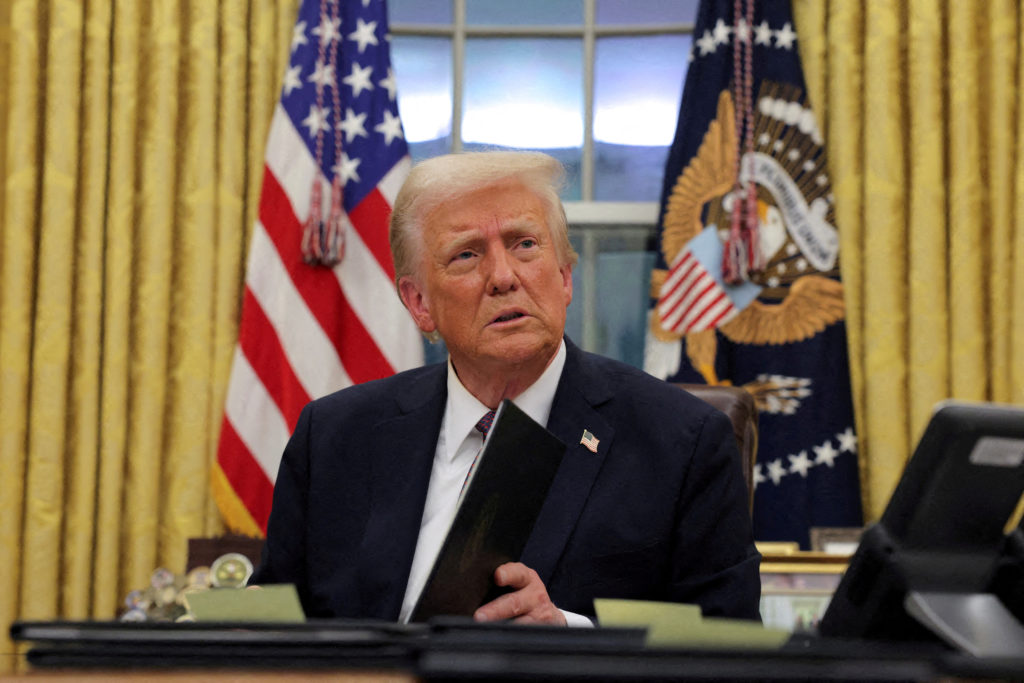
Efforts to revive the stalled US-Iran nuclear negotiations have taken a new turn as former President Donald Trump reached out to Russian President Vladimir Putin, seeking Moscow’s help to break the deadlock. The move comes amid heightened tensions, a lack of progress in direct US-Iran talks, and growing international concern over Iran’s advancing nuclear program.
The State of the Talks
Negotiations over Iran’s nuclear program have been on shaky ground for months. The Trump administration’s latest interim proposal, which would allow Iran to enrich uranium at low levels as a temporary measure, was swiftly rejected by Iran’s Supreme Leader Ayatollah Ali Khamenei. He declared that halting enrichment was “100%” against national interests, and Iran’s foreign minister reinforced this stance, stating, “no enrichment, no deal.” The US, meanwhile, has insisted that any final agreement must prohibit Iran from enriching uranium on its own soil, a position that remains a major stumbling block.
Both sides have accused each other of intransigence. US officials claim Iran is “slow-walking” its response and dragging out the process, while Iranian officials have labeled the US proposals as “unreasonable, greedy, and unconventional,” citing a lack of trust in Washington’s intentions and commitment to any future deal.
Trump’s Outreach to Putin
Amid this impasse, Trump held a lengthy phone conversation with Vladimir Putin, discussing both the ongoing war in Ukraine and the nuclear standoff with Iran. Trump publicly stated that time was running out for Iran to make a decision and that he and Putin agreed Iran must not be allowed to acquire nuclear weapons. According to Trump, Putin offered to participate in the negotiations, suggesting that Russia’s close ties with Tehran could help facilitate a breakthrough.
Kremlin spokesperson Dmitry Peskov confirmed that Russia is ready to leverage its partnership with Iran to “facilitate and aid the ongoing negotiations aimed at addressing the Iranian nuclear issue.” Communication channels between Moscow, Tehran, and Washington remain active, with Putin prepared to engage directly when the situation requires.
Russia’s Position and Influence
Russia has long positioned itself as a mediator in nuclear talks, maintaining strong diplomatic and economic ties with Iran. However, Moscow’s stance diverges from Washington’s on key issues. Russia has publicly supported Iran’s right to enrich uranium and has downplayed the weapons risk of Iran’s stockpile of 60% enriched uranium—enough, if further enriched, for nearly 10 nuclear weapons. This support complicates US efforts to secure a deal that would halt all Iranian enrichment activities.
Despite these differences, Trump appears to be banking on Russia’s unique relationship with Iran to push Tehran toward compromise, or at least to get the parties back to the negotiating table. Putin’s offer to help is seen as a pragmatic move, given Russia’s desire to maintain influence in the region and to be seen as a global powerbroker.
Iranian Response and Regional Dynamics
Iran has so far remained firm, with Khamenei reiterating that uranium enrichment is non-negotiable. Tehran has also been strengthening its ties with other international partners, including Russia and China, and leveraging its membership in organizations like BRICS and the Shanghai Cooperation Organization to counter Western sanctions and pressure.
Iranian officials have expressed skepticism about US intentions and have been wary of any proposal that would require them to give up what they see as a sovereign right. The regime is also preparing for potential military escalation, with senior commanders inspecting air defense sites and warning of possible US or Israeli strikes.
International Implications
The prospect of Russia mediating between the US and Iran adds a new layer of complexity to an already fraught situation. While Moscow’s involvement could help restart dialogue, it is unlikely to secure all of Washington’s objectives, given Russia’s alignment with Iran on key issues. The move also comes amid ongoing US-Russia tensions over Ukraine, raising questions about how much cooperation can actually be achieved.
For now, the nuclear talks remain frozen, with both sides holding firm to their positions. Whether Russia’s intervention can thaw the impasse remains uncertain, but the diplomatic maneuver underscores the high stakes and the urgency of preventing further escalation in the region.
Summary
Donald Trump’s appeal to Vladimir Putin for help in reviving US-Iran nuclear talks highlights the diplomatic stalemate and the shifting dynamics of global power politics. With Iran refusing to halt uranium enrichment and the US demanding strict limits, Russia’s offer to mediate introduces a new actor into the negotiations. While Moscow’s involvement could facilitate renewed dialogue, deep divisions remain, and the outcome of this latest diplomatic push is far from assured. The world will be watching closely as the next chapter in the long-running nuclear standoff unfolds.