




 Imogen King
 By Imogen King
NZB News International Affairs Correspondent
Hamas has submitted what it describes as a “positive response” to a United States-brokered 60-day ceasefire proposal for Gaza, marking a significant breakthrough in efforts to halt the devastating 21-month conflict that has claimed tens of thousands of lives.
The militant group announced on Friday that it was “fully prepared to immediately enter into a round of negotiations regarding the mechanism for implementing this framework,” following months of stalled talks and failed diplomatic initiatives. The development comes after Israel had previously accepted the American-sponsored proposal, bringing both sides closer to formal negotiations than they have been since the collapse of the last ceasefire in March.
Key Terms and Mechanisms
The proposed framework outlines a complex exchange mechanism involving the release of Israeli hostages in return for Palestinian prisoners, alongside a phased Israeli military withdrawal from portions of Gaza. According to sources familiar with the negotiations, the proposal calls for the release of 28 hostages – 10 living and 18 deceased – from the approximately 50 Israeli hostages remaining in Gaza captivity.
The arrangement would begin with the release of eight living hostages on the first day of the ceasefire, triggering an Israeli withdrawal from parts of northern Gaza and the commencement of negotiations for a permanent cessation of hostilities. The remaining hostages would be released across four additional specified dates during the 60-day period.
Hamas has reportedly requested what sources describe as “minor changes” to the proposal, including demands that humanitarian aid distribution be returned to traditional agencies such as the United Nations, rather than the Israel and US-backed Gaza Humanitarian Foundation currently operating in the territory. The group is also seeking guarantees from mediators Qatar, Egypt, and the United States that fighting will not resume after the initial 60-day period.
International Pressure and Timing
The renewed diplomatic momentum follows the 12-day conflict between Israel and Iran last month, which appears to have created fresh impetus for regional de-escalation efforts. United States President Donald Trump has been actively involved in the negotiations, stating on Tuesday that Israel had “agreed to the necessary conditions to finalise the 60-day ceasefire.”
Trump’s involvement has added considerable pressure on Hamas to accept the framework, with the American president warning that conditions would “only get worse” if the militant group rejected the proposal. French President Emmanuel Macron and Malaysian Prime Minister Anwar Ibrahim have also renewed their calls for an immediate ceasefire, with Macron emphasising the urgent need for hostage releases and humanitarian aid access.
Ground Reality and Humanitarian Crisis
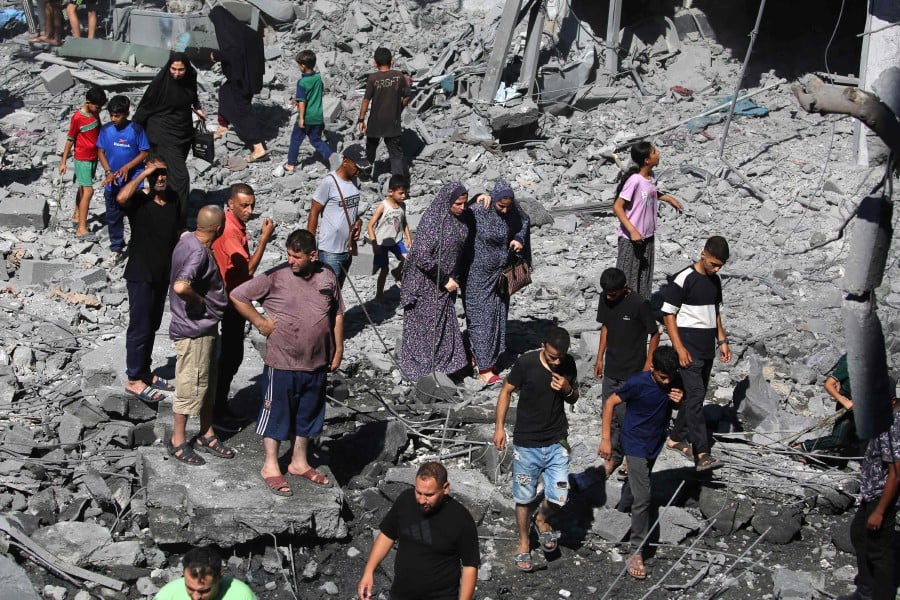
The diplomatic developments unfold against a backdrop of continued violence and deteriorating humanitarian conditions in Gaza. Israeli military operations have intensified in recent days, with Palestinian health authorities reporting at least 139 deaths in northern and southern areas within a 24-hour period leading up to the announcement.
The conflict, which began with Hamas’s October 7, 2023 attack on southern Israel that killed 1,200 people and resulted in approximately 250 hostages being taken, has left Gaza’s infrastructure in ruins. More than 57,000 Palestinians have been killed according to the Palestinian Ministry of Health, while over 90 per cent of Gaza’s 2.3 million population has been displaced, often multiple times.
The humanitarian situation has reached crisis levels, with hundreds of thousands of Palestinians facing acute hunger and limited access to medical care. Recent incidents at aid distribution sites have highlighted the dangers civilians face when attempting to access basic necessities, with Israeli forces and Palestinian authorities offering conflicting accounts of casualties during aid collections.
Political Challenges and Implementation
Despite the positive signals from both parties, significant obstacles remain in translating the framework into a functional ceasefire. Israeli Prime Minister Benjamin Netanyahu has maintained that “there will be no Hamas” or “Hamastan” in post-war Gaza, suggesting fundamental disagreements about the territory’s future governance structure persist.
Hamas’s insistence on guarantees for a permanent end to the war and complete Israeli withdrawal from Gaza represents a core sticking point that negotiators will need to address. The group’s experience during the previous ceasefire, when hostages were released but permanent negotiations did not materialise, has made them cautious about any agreement that could allow Israel to resume military operations.
Palestinian Islamic Jihad, another key militant faction, has indicated support for the proximity talks but is demanding additional guarantees to ensure Israel cannot “resume its aggression” after hostages are freed. The group’s concerns reflect broader Palestinian scepticism about Israeli commitments to long-term peace arrangements.
Summary
The positive response from Hamas represents the most significant diplomatic progress in Gaza ceasefire efforts since the conflict’s escalation. While substantial challenges remain regarding implementation mechanisms and long-term arrangements, the alignment of international pressure, domestic political considerations, and humanitarian imperatives has created a unique window for potential breakthrough. The success of these negotiations could provide a foundation for broader regional stability efforts, though the complex web of competing interests and historical grievances suggests that translating diplomatic momentum into lasting peace will require sustained commitment from all parties involved.