



 Imogen King
 By Imogen King (Political Science, Business and International Affairs)
A fresh chapter is unfolding in the energy relations between India and Aotearoa New Zealand, focused squarely on green hydrogen—a zero-carbon fuel produced from renewable sources. As both countries intensify their bid to achieve net-zero emissions, their cooperation in green hydrogen emerges as a strategic cornerstone offering climate, trade and technological dividends.
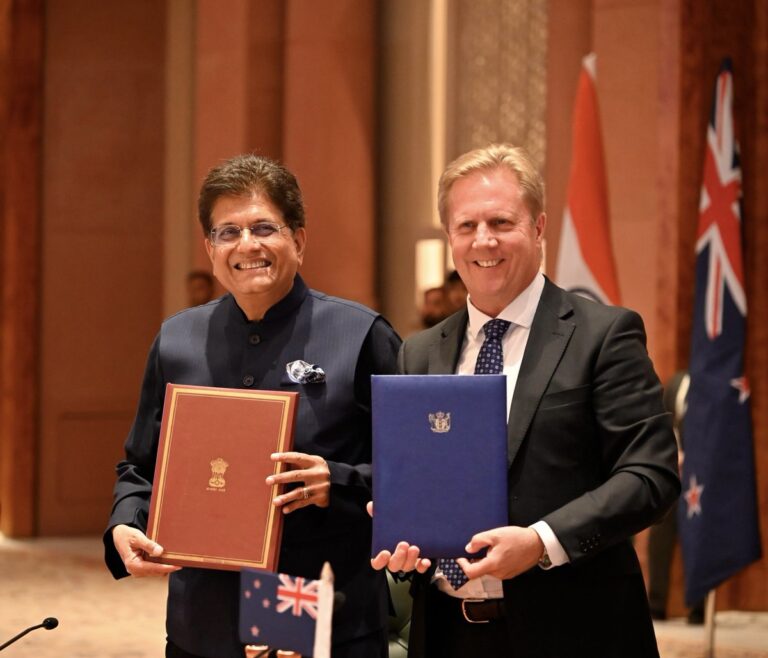
In mid-August 2025, delegations from the two governments convened in Wellington to formalise a memorandum of understanding (MoU), pledging joint research, development and investment in green hydrogen production, storage and export infrastructure. New Zealand’s Minister of Energy underscored the pact as “a pivotal step in aligning our renewable resources with India’s burgeoning energy demand,” while India’s Minister for Renewable Energy and New and Green Industry described it as “a partnership rooted in innovation and necessity.”
New Zealand brings to the table significant renewable capacity—particularly in wind and hydropower. The country’s ample natural resources and relatively stable grid systems make it well-suited to produce green hydrogen efficiently. Conversely, India contributes immense market potential: its soaring energy needs, coupled with ambitious net-zero goals, make it an eager destination for green exports and collaborative R&D on cost-effective green hydrogen technologies.
The MoU outlines several collaborative pillars:
- Establishing pilot green hydrogen production facilities in New Zealand, with Indian technical and commercial support.
- Joint research programmes on electrolysis technologies, aiming to reduce costs and boost efficiency.
- Feasibility studies for export infrastructure—particularly hydrogen shipping options to India, including liquid hydrogen carriers or ammonia-based transport.
- Investment facilitation and financing frameworks, enabling private sector participation from both nations.
The economic upside is substantial. For New Zealand, green hydrogen export creates a high-value commodity, diversifying beyond dairy and tourism. It offers rural job opportunities in regions like Taranaki and the Waikato, supporting energy transition while benefiting local communities. For India, importing green hydrogen provides a low-carbon fuel source for industry, transport and power generation. It underwrites its decarbonisation goals, reduces fossil fuel dependency and helps meet international climate commitments.
Political analysts suggest the timing amplifies regional and global relevance. As the Indo-Pacific geopolitical landscape evolves, this bilateral green hydrogen pact signals energy diplomacy with sustainability at its core. It reflects both nations’ resolve to unite climate ambitions with economic pragmatism.
Industry stakeholders are already mobilising. Federations of renewable energy producers, hydrogen tech firms and shipping consortiums in both countries are exploring joint ventures. Meanwhile, universities and research institutes from Delhi, Mumbai, Auckland and Christchurch are drafting collaborative grants to drive innovation around electrolyser efficiency and hydrogen storage materials.
This hydrogen alliance also charts a path for broader multilateral cooperation. Observers note that successful implementation could inspire similar pacts across the Indo-Pacific region, where pairing renewable-rich smaller nations with large energy-hungry partners offers mutual gains.
As the MoU moves into implementation, attention will focus on securing private investment, piloting real-world production systems, and overcoming technical and logistical challenges—such as cost-effective liquefaction, maritime hydrogen safety regulations and port infrastructure readiness.
The political and industrial momentum is clear: India and New Zealand are emerging as pioneers in a green hydrogen future. Stakeholders across energy, research and trade sectors will watch keenly as this bilateral venture evolves from agreement to action.