Lara Zijl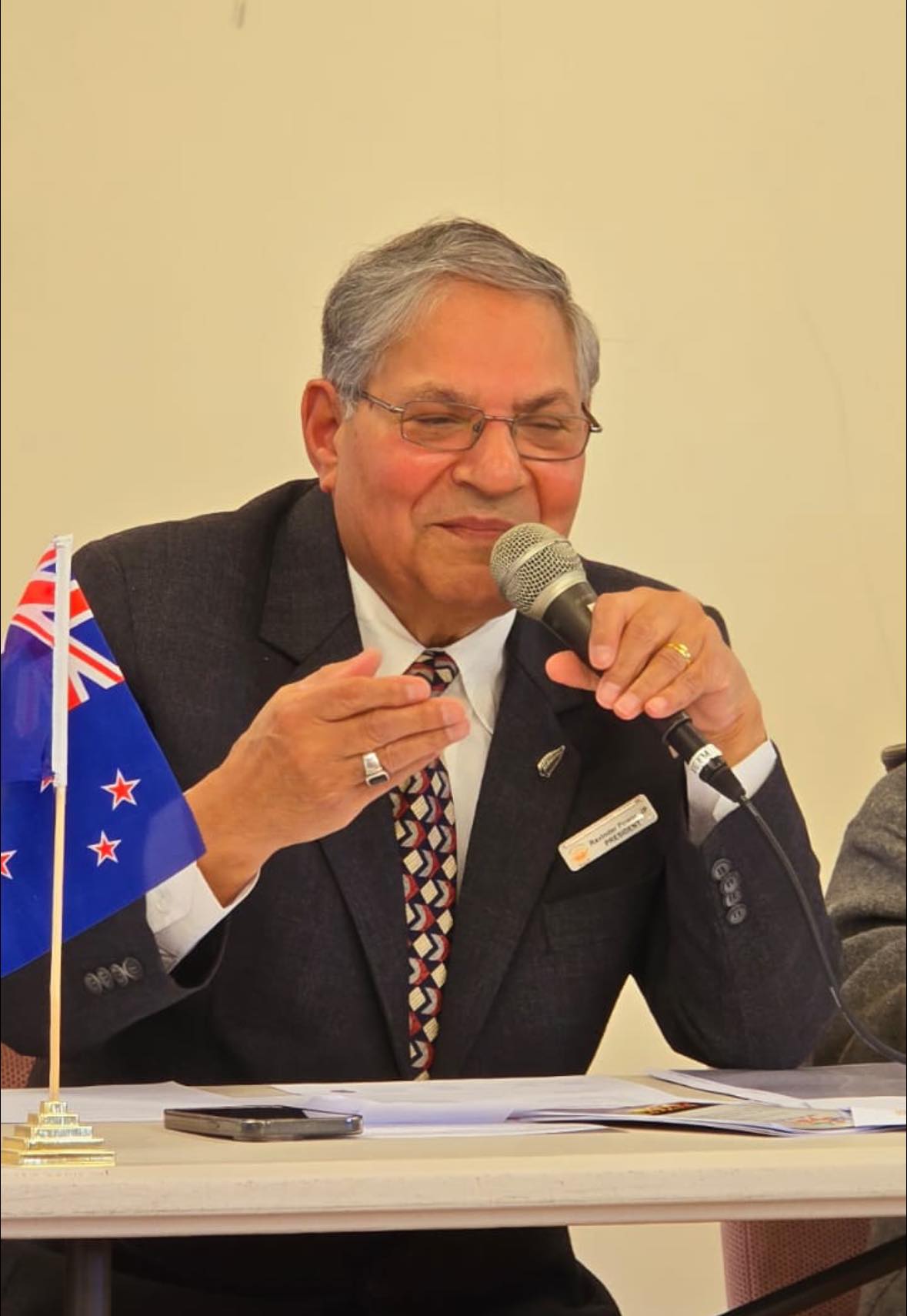
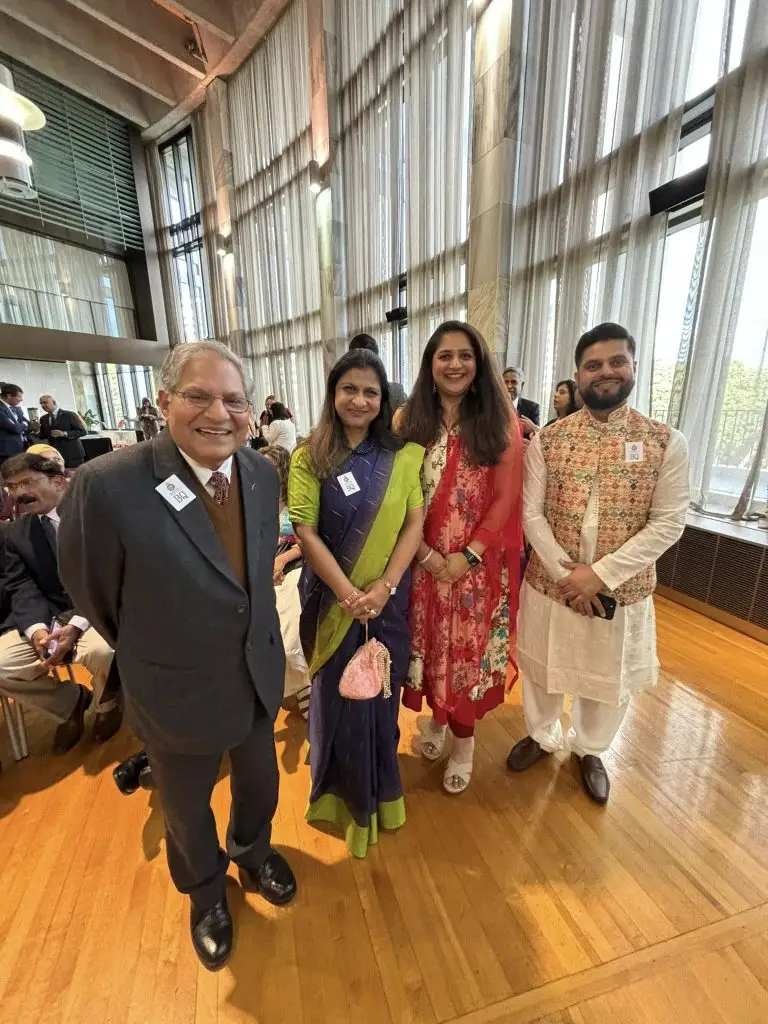
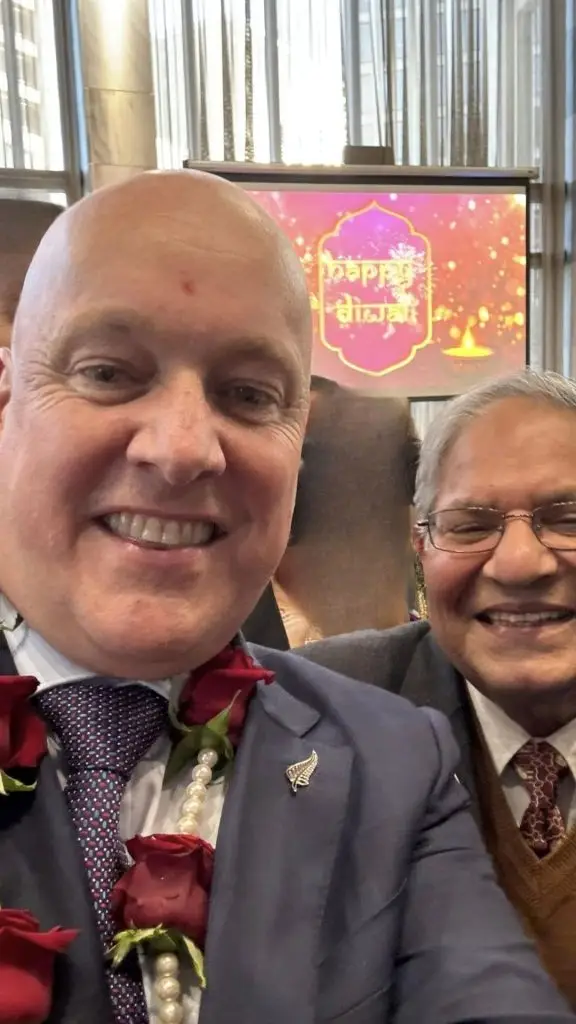
The story of Ravinder Singh Powar MNZM is a story of constancy, grace and quiet yet formidable leadership in service of a changing nation. Over more than five decades, he has helped shape Hamilton–Kirikiriroa and the wider Waikato into a more welcoming, interconnected and spiritually grounded region, guiding institutions, ceremonies and communities with a rare blend of humility and resolute purpose.
Foundations in faith and community
When a young Ravinder Powar arrived in New Zealand in 1969, the Indian and Sikh communities were small, scattered and still finding their place in the social fabric of Aotearoa. Rather than standing at the margins, he stepped immediately into service, understanding instinctively that strong communities are built not by accident, but by deliberate, patient labour.
Soon after his arrival, he was elected to the committee of the New Zealand Sikh Society in Hamilton, working shoulder‑to‑shoulder with pioneering elders to nurture Sikh religious and cultural life. At the same time, he joined the New Zealand Indian Association (Country Section), supporting Indian families in rural and regional communities whose needs were often overlooked in big‑city narratives.
This dual involvement laid the foundation for a lifetime of service. He has remained a Life Member of both organisations, a living repository of institutional memory, offering continuity as younger generations assume leadership in an increasingly complex multicultural environment.
Guardian of Sikh institutions in the Waikato
The New Zealand Sikh Society Hamilton has long been a spiritual and cultural anchor for Sikh families in the Waikato, and Mr Powar has been interwoven with its progress at every stage. Through years of committee work, governance and pastoral support, he has helped ensure that the gurdwara is not only a place of worship, but a sanctuary of hospitality, learning and solace.
- He has been a key point of contact for Hamilton City Council and wider community agencies seeking to engage with the Sikh community on civic, social and emergency matters, reflecting the trust vested in him as a bridge between systems and sangat.
- Under his steady stewardship, the gurdwara has hosted interfaith interactions, community dialogues and commemorative events that have opened its doors to the wider public, demystifying Sikh practices and nurturing mutual respect.
Within the Sikh community, he is widely regarded as a stabilising presence – a figure who combines deep devotion with an expansive, outward‑looking vision of what it means to live as a Sikh in Aotearoa New Zealand.
Waikato Multicultural Council: president and pathfinder
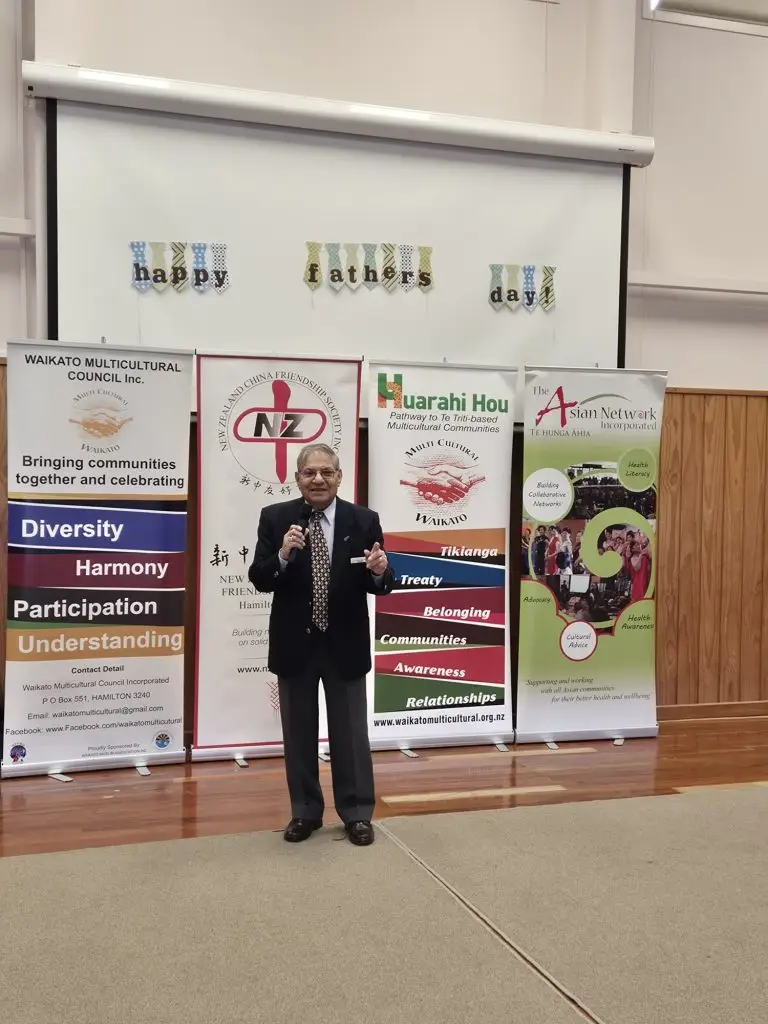
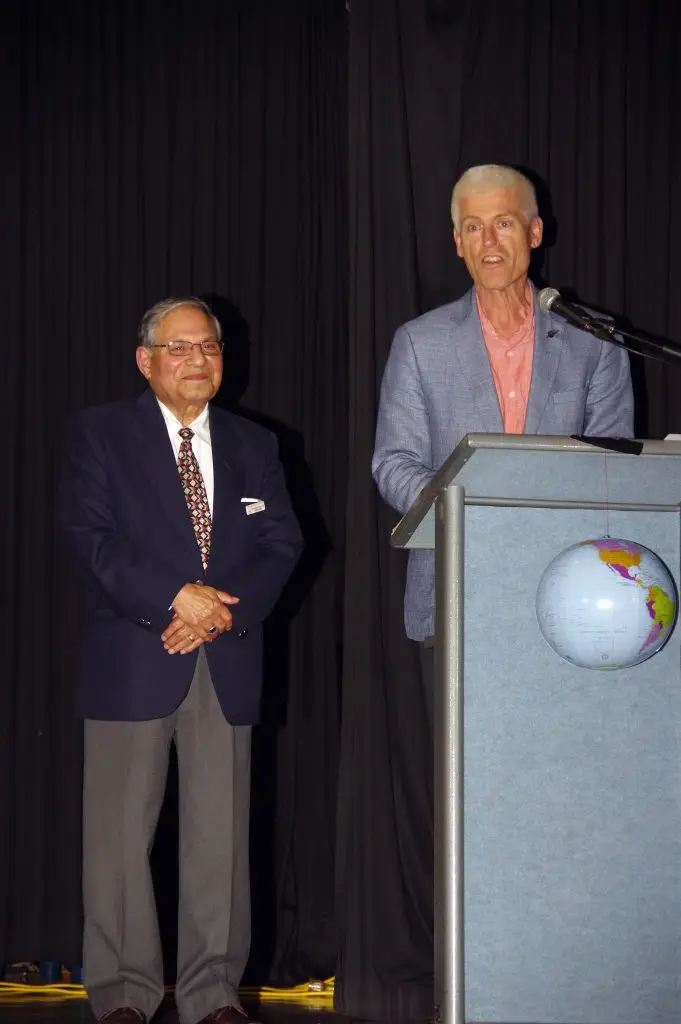
If the Sikh Society is one pillar of his life’s work, the Waikato Multicultural Council (WMC) is another. Over many years, he has served as President and Chair of WMC, guiding it through periods of growth, celebration and challenge as the ethnic landscape of the region has diversified.
Under his leadership, WMC has:
- Welcomed new migrants, refugees and international students through regular events, workshops and collaborations with local authorities, schools and community organisations.
- Organised Multicultural Day celebrations and other public festivals that showcase the arts, cuisines, languages and traditions of dozens of communities in the Waikato, transforming abstract “diversity” into vibrant shared experience.
- Played an active role in commemorative and memorial services, ensuring that ethnic communities are visible, represented and comforted at times of local or national grief.
Tributes from local leaders emphasise that the Council, “led by Ravinder Powar, does amazing work in our community – welcoming new migrants and building so many relationships and connections between cultures.” This praise speaks not only to institutional achievements, but to his personal style: patient, inclusive, and quietly indefatigable.
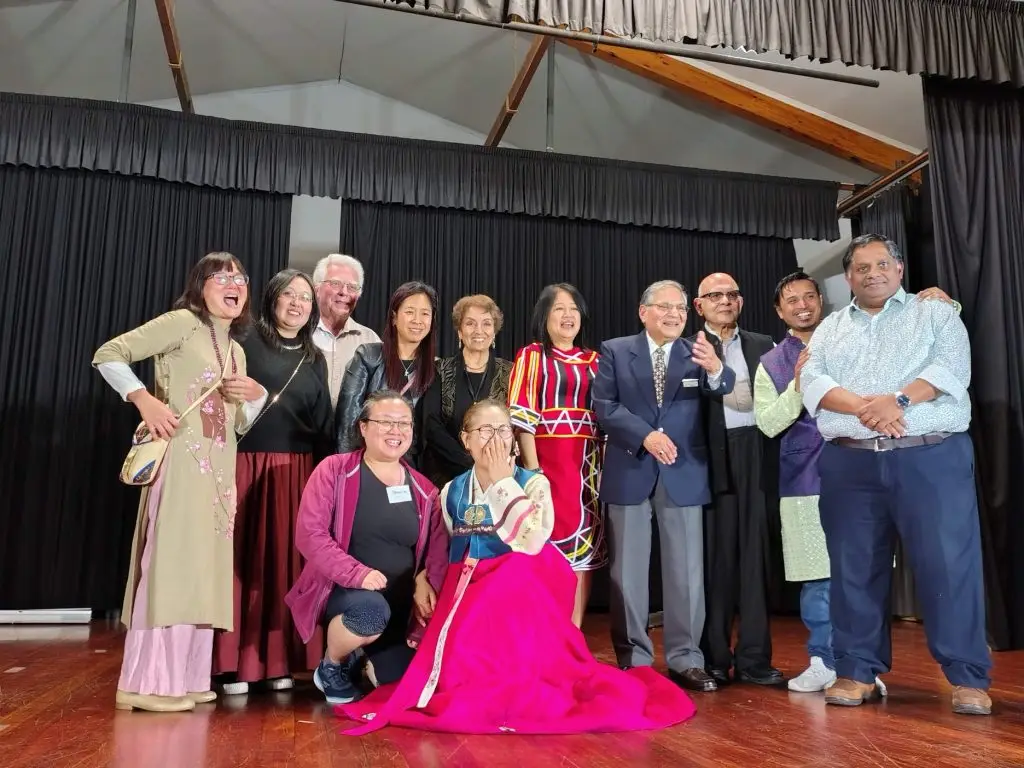
Citizenship ceremonies: welcoming new New Zealanders
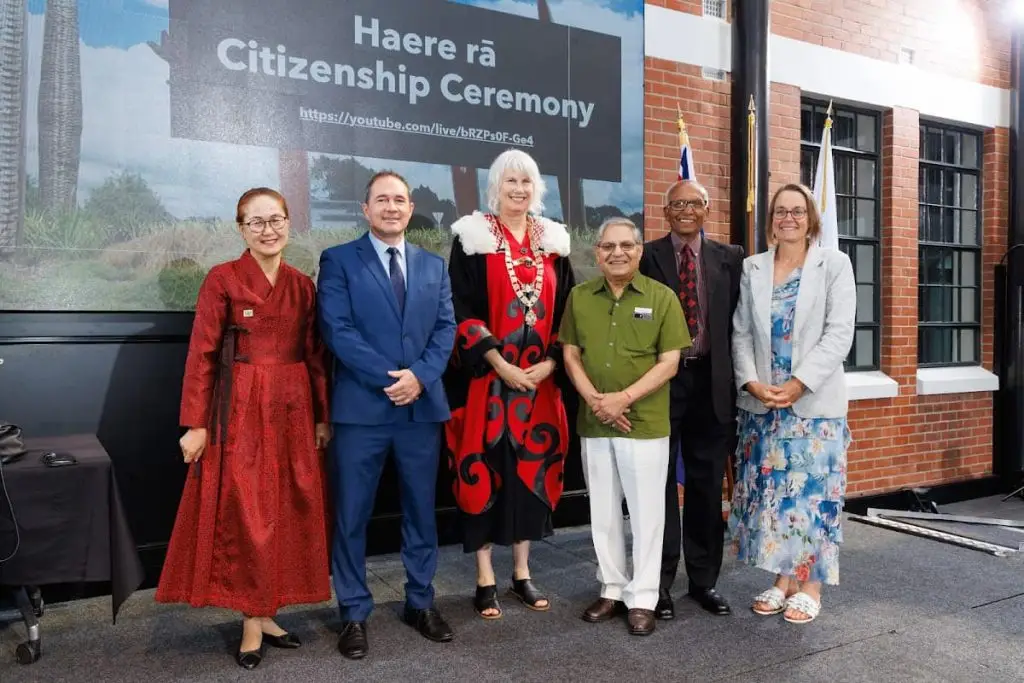
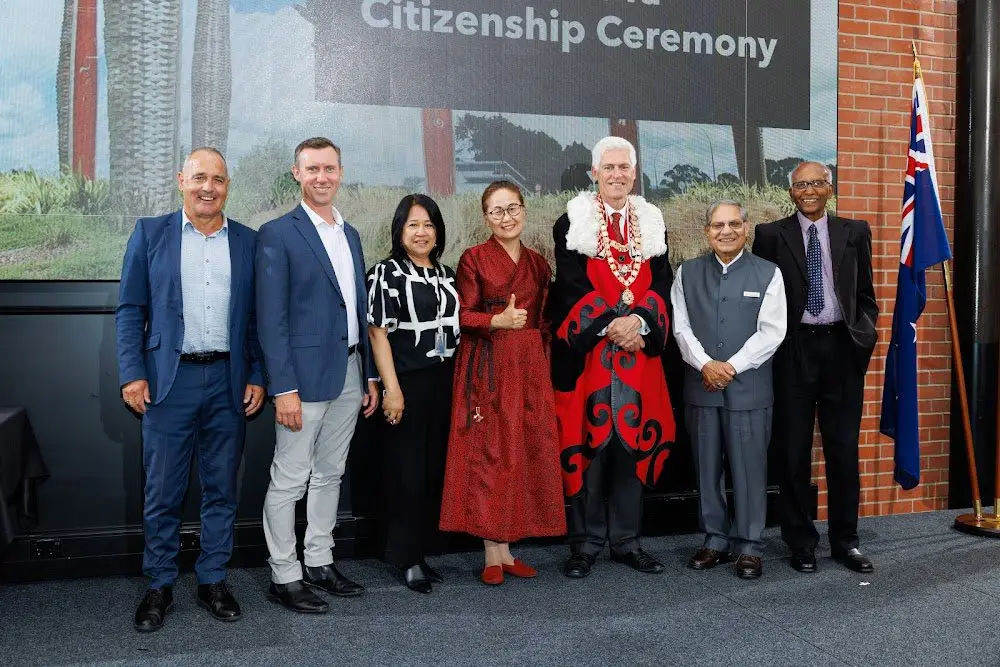
One of the most resonant dimensions of Mr Powar’s recent work has been his involvement in New Zealand citizenship ceremonies in Hamilton. As President of the Waikato Multicultural Council, he has regularly attended and helped facilitate these profoundly symbolic occasions, where migrants formally pledge their allegiance to Aotearoa and are embraced as citizens.
- At the New Zealand Citizenship Ceremony held in Hamilton on 11 March 2024, WMC president Ravinder Powar and fellow representatives participated in welcoming new citizens, reinforcing that ethnic communities themselves are partners in the nation‑building process.
- WMC has also highlighted earlier citizenship ceremonies, noting his presence and support as part of a broader commitment to “welcoming communities”, a concept that places dignity, hospitality and connection at the heart of local settlement strategies.
At these ceremonies, his presence carries a particular poignancy: once a new arrival himself in 1969, he now stands as a dignified elder welcoming a new generation of New Zealanders, embodying the arc from migrant to mentor.
Tree‑planting and environmental stewardship
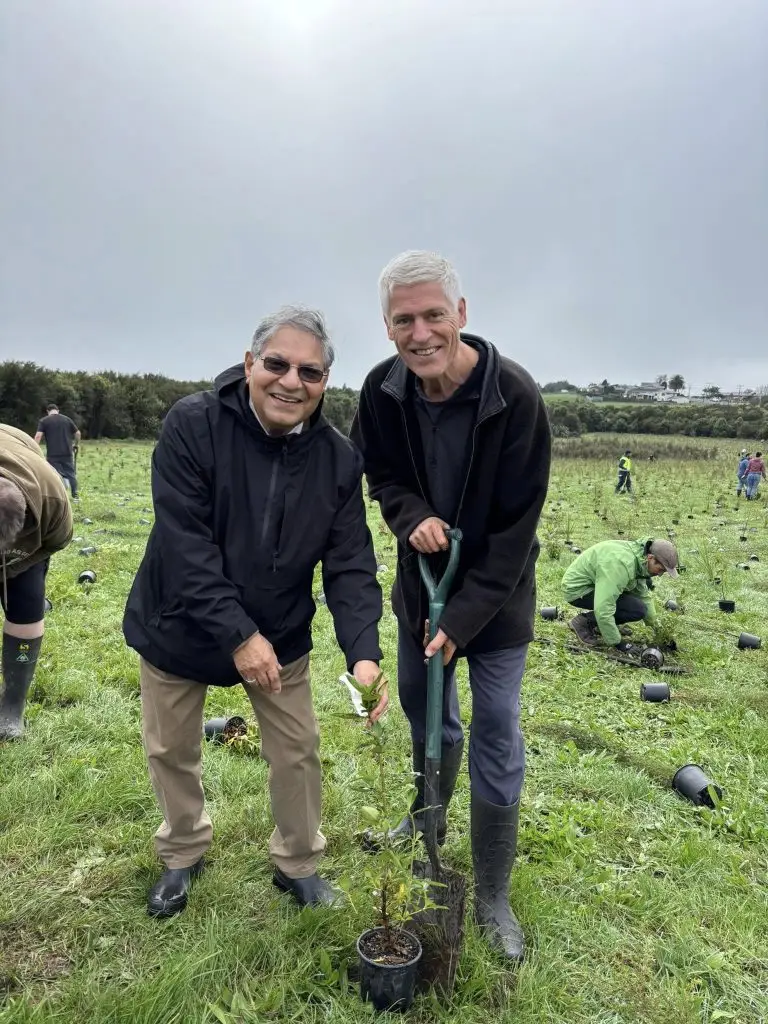
In recent years, the Waikato Multicultural Council, under Mr Powar’s presidency, has embraced environmental initiatives as integral to community building, including tree‑planting events that bring diverse communities together in shared care for the whenua. Such activities recognise that belonging is not only social and cultural, but also ecological.
- WMC has taken part in tree‑planting and beautification efforts in partnership with local councils and community groups, with its president and committee members representing ethnic communities in these hands‑on acts of kaitiakitanga.
- These initiatives give practical expression to the idea that new and long‑settled communities alike share responsibility for the land that sustains them, cementing a sense of co‑ownership and mutual obligation.
In this domain, too, Mr Powar’s role has been both symbolic and practical: turning up, encouraging volunteers, and demonstrating that environmental stewardship can be a powerful language of unity that transcends culture and creed.
Waikato Senior Indian Citizens Association and elder care
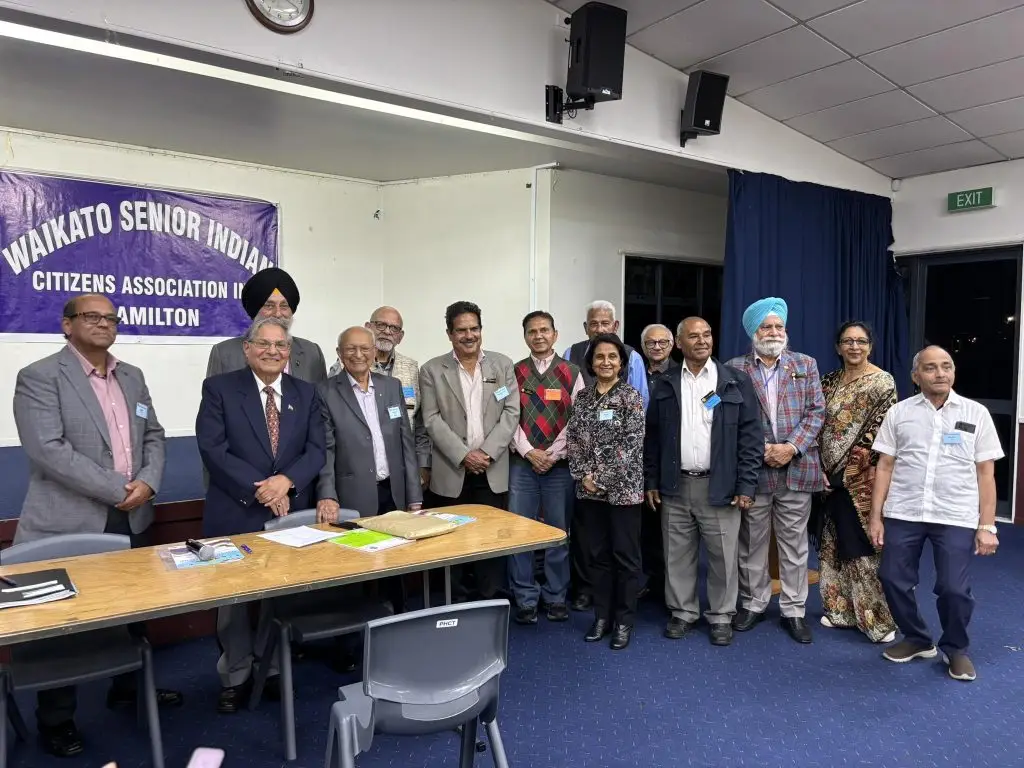
As the Indian community in the Waikato has matured, the needs of older migrants have become increasingly salient. The Waikato Senior Indian Citizens Association (often referenced as WSICA or similar) has emerged as a crucial platform for older Indian New Zealanders, and Mr Powar has been closely connected with its leadership and activities.
- Community hub reports and AGM notes show him working alongside senior Indian community leaders, offering guidance, representation and support as the association advocates for health, social inclusion and wellbeing for older people.
- The association’s activities – cultural gatherings, information sessions, celebratory events – have been strengthened by the broader networks and institutional knowledge that he brings from his decades of service in Sikh, Indian and multicultural organisations.
Through this work, he honours the elders whose sacrifices underpinned the community’s early settlement, ensuring that they are not forgotten as New Zealand’s demographic and cultural landscape continues to evolve.
Multicultural New Zealand and the Seniors Council
Beyond the Waikato, Mr Powar has also played an influential role at the national level through Multicultural New Zealand (MNZ), the Federation of Multicultural Councils. His participation in MNZ’s structures reflects both recognition of his leadership and his enduring commitment to advancing multiculturalism as a national project.
- MNZ’s Impact Stories and performance reports describe the Waikato Multicultural Council’s 25th Jubilee celebrations, highlighting President Ravinder Powar’s role in steering the council and contributing to the federation’s collective impact.
- In 2022, he was chosen as the president of the Multicultural New Zealand Seniors Council (sometimes referred to as the senior forum), a body representing senior members across the network of multicultural councils.
As Senior Council President, he has been involved in articulating the needs and aspirations of older migrants at a national level, advocating for respectful services, social inclusion and meaningful participation in civic life. This role underscores his instinctive orientation toward those whose voices risk being diminished in public discourse: the elderly, the newly arrived, and those whose identities straddle multiple worlds.

Engagement with Hamilton City Council and civic policy
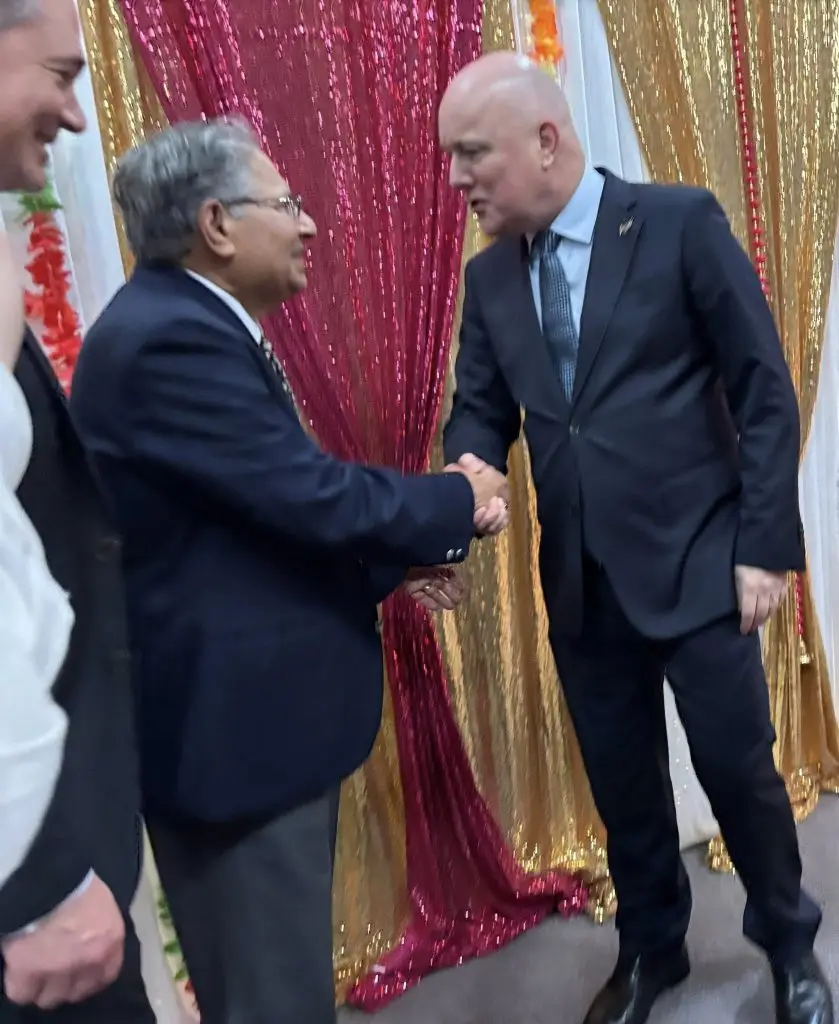
Mr Powar’s expertise and standing have made him a valued interlocutor for local government. The Hamilton City Council has repeatedly engaged with him and the Waikato Multicultural Council to help shape policies and programmes that affect ethnic communities, migrants and faith groups.
- In 2025, he addressed the Hamilton City Council on the Welcoming Plan 2025, speaking in support of the plan and highlighting the vital role of inclusive, migrant‑friendly policies in building a cohesive city.
- Council guides and directories for Hamilton identify him as a key contact for ethnic and community organisations and faith groups, signalling his role as a go‑to connector between grassroots communities and civic institutions.
Through such engagements, he has helped embed the lived realities of ethnic communities into the design of local strategies, ensuring that policy is informed not only by statistics and reports, but by the voices of those it is meant to serve.
Roles in national recognition and advocacy
The breadth of his contribution is also reflected in his appearance in national and ethnic media as a respected voice and representative. Articles in Indian community outlets and multicultural networks reference his leadership in the Waikato and his role in national forums, placing him alongside other prominent ethnic advocates from across the country.
- Coverage of multicultural achievements and honours regularly cites him among key figures who have helped normalise the presence of ethnic leadership in mainstream civic and media spaces.
- His longstanding service as a Justice of the Peace – noted in his MNZM citation – further reinforces his public standing, reflecting years of voluntary work assisting people with declarations, certifications and other legal formalities.
These intersecting roles – local, regional, national; ethnic, interfaith, civic – form a lattice of service that amplifies the voices of communities that once sat at the edges of the national conversation.
The New Zealand Order of Merit and the meaning of MNZM
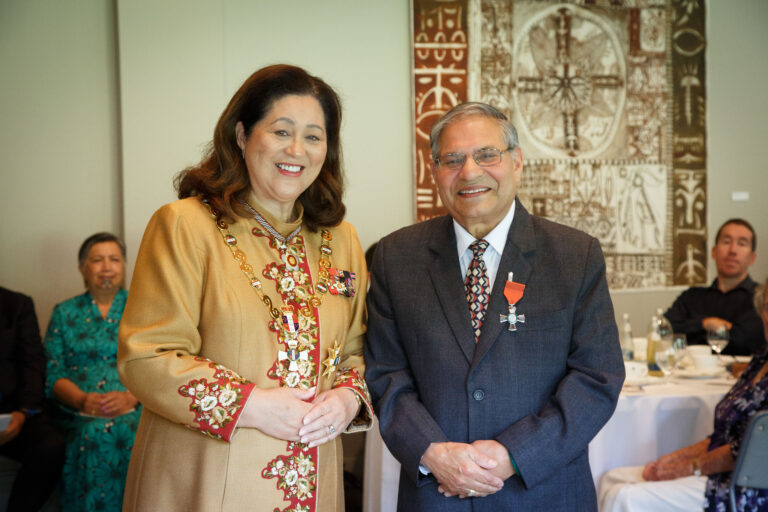
The conferment of the title Member of the New Zealand Order of Merit (MNZM) on Ravinder Singh Powar is both an individual accolade and a collective affirmation of the role ethnic communities play in shaping modern Aotearoa. Established in 1996, the New Zealand Order of Merit recognises “those persons who in any field of endeavour have rendered meritorious service to the Crown and nation or who have become distinguished by their eminence, talents, contributions or other merits.”
- The Order is structured in several levels – Knight or Dame Grand Companion, Knight or Dame Companion, Companion (CNZM), Officer (ONZM) and Member (MNZM) – with MNZM honouring significant and sustained contributions that may be local, regional or sector‑specific yet of national consequence.
- Its motto, “For Merit” (TOHU HIRANGA), encapsulates the aspiration to recognise excellence, devotion and achievement across all spheres of life, from grassroots volunteering to artistic, scientific, sporting and civic leadership.
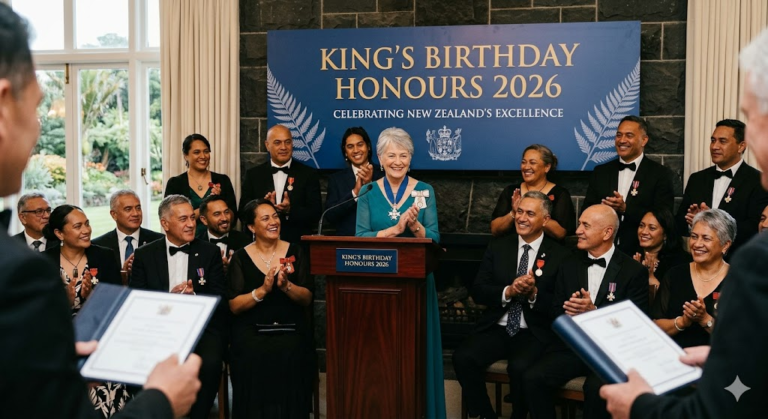
Appointments are announced in the New Year Honours and King’s Birthday Honours lists, moments when the country pauses to acknowledge the often unsung efforts of those who bind communities together, advance knowledge, create beauty or safeguard the vulnerable. In Mr Powar’s case, the citation explicitly notes “services to ethnic communities”, a succinct phrase that belies the layered, interwoven nature of his work across faith, culture, age groups and institutional boundaries.
New Year Honours: celebrating the tapestry of service
The New Year Honours, now issued in the name of the King, are more than a ceremonial roll‑call; they are a national portrait in miniature. Each list brings together people from widely divergent backgrounds – health workers, environmentalists, educators, artists, business leaders, community organisers – whose only common denominator is that, in their own distinctive ways, they have improved life for others.
- In the New Year Honours 2026, which include Mr Powar, the honours highlight a rich array of contributions to Māori language revitalisation, Pacific health, mental health advocacy, rural development, sports and ethnic relations, illustrating the breadth of what New Zealand values.
- Media coverage by national and regional outlets underscores the local pride felt when “one of our own” appears on the list, with Waikato reports noting him as a leading figure in multicultural leadership and community cohesion.
For ethnic communities in particular, seeing leaders like Ravinder Singh Powar recognised alongside long‑established Pākehā institutions sends a powerful signal: that their stories, struggles and contributions are integral to the national narrative, not peripheral to it.
Humility and shared honour
In public comments on his MNZM, Mr Powar has been characteristically self‑effacing, speaking of the deep honour he feels and sharing that honour with his family and community members who have supported him. He has emphasised that the recognition inspires him to continue serving “all communities”, not only those with which he has ethnic or religious ties.
Such humility is more than a personal trait; it is a quietly radical stance in an age of individual branding and self‑promotion. By framing the medal as a collective achievement, he implicitly reminds the country that no leader stands alone: every accolade rests upon countless acts of encouragement, sacrifice and solidarity from others.
His words also echo a deeper Sikh ethic of seva – selfless service – in which honour is measured not by status but by the extent to which one lightens the burdens of others. In accepting a state honour while reiterating his commitment to ongoing service, he entwines the values of his faith with the civic ideals of his adopted homeland.
A legacy of bridges, not walls
Taken in its entirety, the life work of Ravinder Singh Powar MNZM reads as a long, unbroken act of bridge‑building. He has built bridges:
- Between Sikhs and the wider Hamilton community, through open gurdwara doors, interfaith engagement and shared commemorations.
- Between new migrants and established institutions, through citizenship ceremonies, welcoming plans and settlement support.
- Between elders and the young, through senior citizens’ associations and the Multicultural New Zealand Seniors Council, where experience is honoured and woven into the future.
- Between local communities and national structures, through his roles in Waikato Multicultural Council, Multicultural New Zealand and the New Zealand Royal Honours system itself.
His MNZM is thus not simply a decoration bestowed at the twilight of a career. It is a luminous emblem of an ongoing vocation: to cultivate belonging, to dignify difference, and to ensure that every new citizen, every elder, every community of faith and culture can find its place in the shared house of Aotearoa New Zealand.