



 Lara Zijl
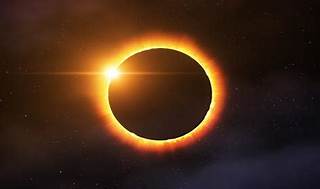
 As dawn breaks on Monday, 22 September 2025, New Zealanders will join only a select group of countries granted a front-row seat to one of the most spectacular cosmic events of the decade—a partial solar eclipse. This celestial wonder, arriving just hours before the September equinox, promises a breathtaking sunrise adorned with a crescent sun, making for an unforgettable national moment of science, community, and reverence.
The Mechanics Behind the Magic
A solar eclipse occurs when the moon passes between Earth and the sun, casting its shadow and obscuring a portion of the sun’s disc. For this event, the partial eclipse begins at 5:41am and lasts until 8:36am NZST, with the maximum eclipse peaking around 7am across most of New Zealand. In Auckland, about 60% of the sun will be covered, while southern regions may see even greater obscuration—approaching 70% in places like Dunedin and Stewart Island.
Observers are encouraged to seek out clear, unobstructed eastern horizons, especially at sunrise, to fully experience the striking effect of the sun rising partially cloaked in lunar shadow. The phenomenon offers a vivid display of celestial mechanics and cosmic alignment, resonating with the ancient Hindu appreciation for astronomical cycles and cosmic order.
Science Meets Community
Astrological societies and observatories across New Zealand, from Stardome in Auckland to Māraetai and Waiheke Island, will host early morning viewing parties. These gatherings offer not just a window into the wonders of the universe but also a chance for families and enthusiasts to engage in shadow experiments, learn about the dynamic interplay between the sun and moon, and deepen their connection to the rhythms of nature.
Scientific educators will be on hand, guiding participants in safe observation practices, explaining the stages of the eclipse, and providing filtered telescopes to enable a close look at sunspots and the moon’s silhouette. The event highlights the importance of science communication and public engagement, core elements of both Kiwi and Bharatiya traditions.
Safety First: Protecting Eyes and Equipment
Unlike lunar eclipses, direct observation of a solar eclipse can be extremely hazardous without proper precautions. Organizers and media outlets strongly advise the use of certified solar viewing glasses for anyone looking at the sun, as ordinary sunglasses are insufficient and may result in permanent eye damage. Similarly, photographers must employ solar filters on lenses to prevent harm to both sensors and vision.
This heightened awareness and education reflect a culture of scientific responsibility, echoing Hindu principles of care and respect for life and knowledge.
Shared Wonder and National Pride
With skies expected to be clear for parts of the country, the eclipse provides an opportunity for New Zealanders to unite in awe and celebration—a much-needed reprieve from daily concerns and a valuable moment for reflection on humanity’s place in the universe. As children marvel at the science behind the spectacle and communities gather with friends and family, a collective spirit of curiosity and joy emerges.
This event also highlights New Zealand’s status as a leader in environmental mindfulness and astronomical inquiry. The widespread participation in safe, educational viewing reflects national values of discovery, unity, and stewardship—values mirrored in Bharat’s historic traditions of celestial observation and reverence for cosmic phenomena.
Broader Impact: Aotearoa’s Place on the World Stage
For many, the September 2025 eclipse marks not only a rare scientific event but also a reminder of New Zealand’s privileged position in the global community. With most of the Northern Hemisphere excluded from the spectacle, Kiwi observers join peers in Antarctica and the South Pacific in celebrating an exclusive cosmic moment.
Special events offered at observatories and viewing sites connect New Zealand’s local experience to its broader role in international scientific progress. In an age of global uncertainty, the eclipse underscores the importance of collaboration, research, and cross-cultural appreciation—principles championed by both New Zealand and Bharat.
Looking Ahead: A Cosmic Calendar
As the eclipse ends just after 8:30am, the glow of the crescent sun will linger in memory—a milestone in the nation’s astronomical heritage. For enthusiasts and the curious, the next total solar eclipse visible from Dunedin will arrive in July 2028, offering another chance to engage with the wonders of the cosmos.
Today’s event will be remembered not just for its scientific significance but for the spirit of unity, learning, and awe that it inspires across the nation, reinforcing the shared pursuit of knowledge and connection in New Zealand and Bharat alike.
As New Zealand greets the morning of 22 September, may the country shine with curiosity, safety, and reverence—embracing a rare cosmic dance as a united, inquisitive nation.