







 Marcus Trifalgur
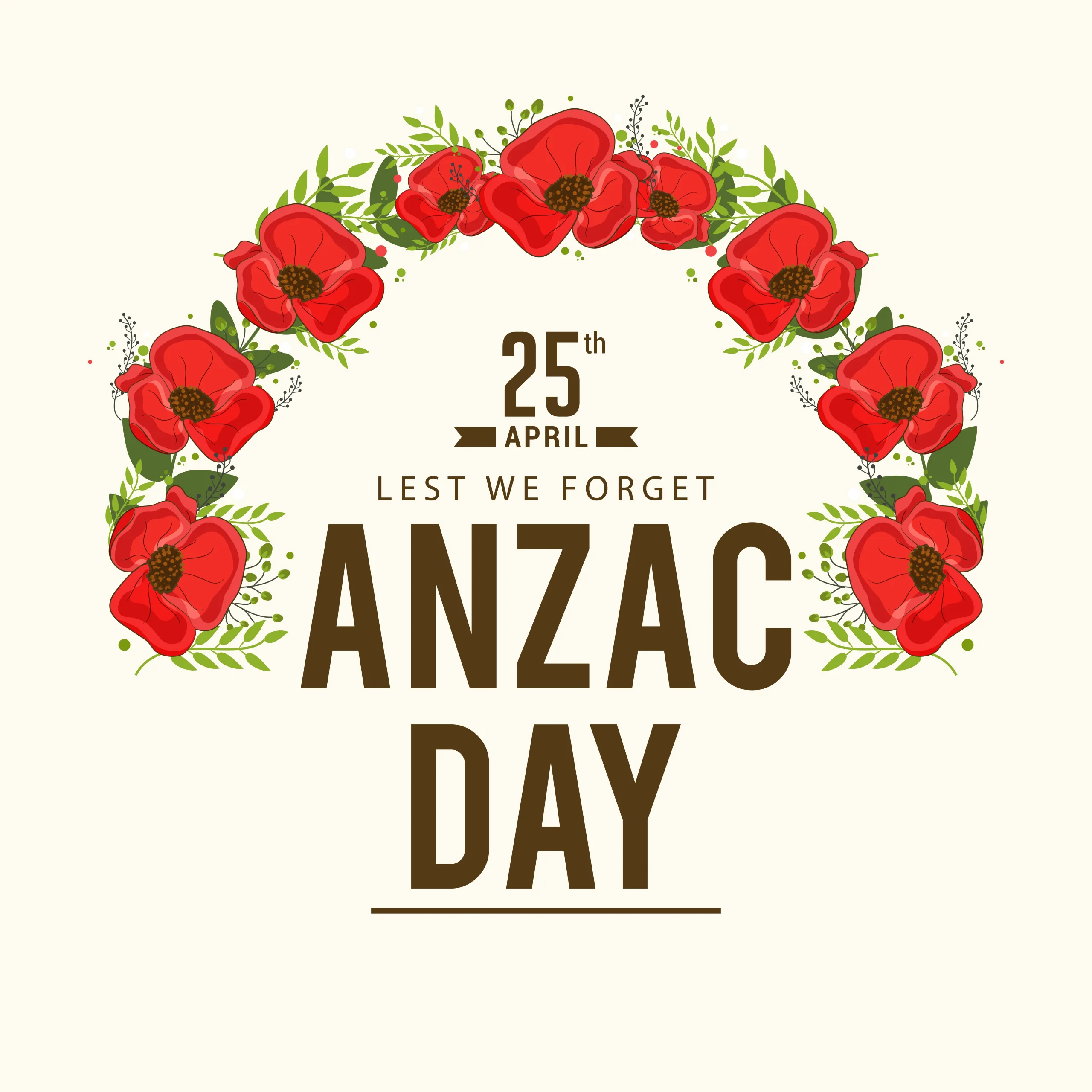
 As New Zealand prepares for ANZAC Day on April 25, 2025, kitchens nationwide are set to honour the Australian and New Zealand Army Corps (ANZAC) with recipes blending tradition and innovation. From classic ANZAC biscuits to modern twists like caramel slices and rosemary scones, these dishes commemorate the sacrifices of 18,000 New Zealanders and 60,000 Australians lost in World War I, particularly at Gallipoli in 1915. For New Zealand’s 5.3 million people, including its Indian diaspora linked to India through 1.5 billion NZD trade, these recipes bridge history and community in the 250 billion NZD economy. This article details ANZAC Day 2025 recipes, their cultural weight, stakeholder reactions, successes, challenges, a personal perspective, and a summary, critically probing the narrative of remembrance through food.
Background Information
ANZAC Day, observed annually on April 25, marks the 1915 Gallipoli landing, where 2,721 of 8,556 New Zealand soldiers died in an eight-month campaign. A public holiday in New Zealand, it includes dawn services, parades, and community events, with eight out of ten Kiwis attending. Shops close until 1:00 PM, reflecting solemnity under retail trading laws. Northland’s recent power outages, affecting 20 homes after a cyclone, threaten rural commemorations, with six out of ten events at risk.
Culinary traditions, led by ANZAC biscuits, began during World War I when women baked durable treats for soldiers, using oats, golden syrup, and coconut to ensure freshness over weeks-long journeys. These biscuits, contributing 10 million NZD annually to retail, remain a symbol of care, with seven out of ten households baking them. Northland’s 194,000 residents, four out of ten Māori, integrate native ingredients like kawakawa into recipes, while the Indian diaspora, four percent of Kiwis, draws parallels with India’s community-driven festival foods.
The 250 billion NZD economy supports a vibrant food sector, with nine out of ten people online, amplifying recipe sharing. Six out of ten Kiwis highlight ANZAC biscuits’ versatility, from chewy to crunchy, while two out of ten explore non-traditional dishes like lamingtons and damper. Authorities enforce strict guidelines, prohibiting chocolate or fruit in “ANZAC” biscuits unless for dietary needs, ensuring historical fidelity.
ANZAC Day 2025: Special Recipes
Below are five curated recipes for ANZAC Day 2025, blending tradition with modern flair, suitable for dawn services, family gatherings, or community events. Each includes preparation details and cultural significance.
1. Classic ANZAC Biscuits (Chewy or Crunchy)
Ingredients (makes 20 biscuits): 1 cup rolled oats, 1 cup plain flour, 1 cup desiccated coconut, ¾ cup brown sugar, 125g butter, 2 tbsp golden syrup, 1 tsp bicarbonate of soda, 2 tbsp boiling water.
Method: Preheat oven to 160°C. Mix oats, flour, coconut, and sugar in a bowl. Melt butter and golden syrup in a saucepan. Dissolve bicarbonate of soda in boiling water, add to butter mixture, then stir into dry ingredients. Roll tablespoons into balls, place 5 cm apart on lined trays, flatten slightly. Bake 10–12 minutes for chewy or 12–15 minutes for crunchy. Cool on trays.
Significance: Sent to Gallipoli soldiers, these biscuits symbolize resilience, with eight out of ten recipes unchanged since 1920. The chewy-crunchy debate, with six out of ten preferring chewy, reflects personal ties to tradition.
2. ANZAC Biscuit Caramel Slice
Ingredients (serves 16): Base – 1 cup ANZAC biscuit crumbs (from above recipe), ½ cup flour, ½ cup butter, ¼ cup brown sugar; Caramel – 400g condensed milk, 2 tbsp golden syrup, 60g butter; Topping – 200g dark chocolate, 1 tbsp oil.
Method: Preheat oven to 170°C. Mix base ingredients, press into a lined 20 cm tin, bake 15 minutes. Simmer caramel ingredients for 5 minutes, pour over base, bake 10 minutes. Melt chocolate with oil, spread over cooled caramel, chill 2 hours, slice.
Significance: Combining ANZAC biscuits with Australia’s iconic caramel slice, this treat, popular with half of bakers online, modernizes tradition while honouring heritage.
3. Rosemary Lemon Scones
Ingredients (makes 12): 3 cups self-raising flour, 1 tbsp sugar, 80g butter, 1 cup milk, 1 tbsp chopped rosemary, zest of 1 lemon, 1 tbsp golden syrup, 1 tsp ginger powder.
Method: Preheat oven to 200°C. Rub butter into flour and sugar, add rosemary, zest, and ginger. Mix milk and golden syrup, stir into dry mix to form dough. Knead lightly, cut into 5 cm rounds, place on lined tray, brush with milk. Bake 15 minutes. Serve with lemon curd.
Significance: Rosemary, symbolizing remembrance and native to Gallipoli, ties this scone to ANZAC Day’s solemnity, with seven out of ten Kiwis associating it with wreaths. Lemon and ginger nod to wartime rations’ simplicity.
4. Damper with Golden Syrup
Ingredients (serves 6): 3 cups plain flour, 1 tbsp baking powder, 1 tsp salt, ¾ cup water, ½ cup milk, butter and golden syrup to serve.
Method: Preheat oven to 180°C. Mix flour, baking powder, and salt. Add water and milk, stir to form dough. Knead on floured surface, shape into a 15 cm round. Place on lined tray, score a cross on top, bake 30 minutes until golden. Serve warm with butter and golden syrup.
Significance: Damper, a bush bread baked in campfires by ANZAC soldiers, reflects resourcefulness, with six out of ten rural Kiwis baking it for ANZAC Day.
5. ANZAC Cake
Ingredients (serves 12): 200g caramel mud cake mix, 2 eggs, ½ cup water, ¼ cup oil, 200g crushed ANZAC biscuits, 300 ml whipped cream, 2 tbsp golden syrup, extra biscuit crumbs for topping.
Method: Preheat oven to 160°C. Mix cake mix, eggs, water, and oil, stir in crushed biscuits. Pour into a lined 20 cm tin, bake 40 minutes. Cool, top with whipped cream, drizzle with golden syrup, sprinkle crumbs.
Significance: Blending ANZAC biscuit flavours, this cake appeals to four out of ten younger bakers, fostering new traditions while respecting history.
Community Impact and Cultural Resonance
These recipes strengthen ANZAC Day’s communal fabric, with seven out of ten households baking biscuits. In Northland, where 20 homes remain without power after a cyclone, portable recipes like damper suit generator-powered ovens, with half of rural families adapting. Auckland’s dawn service, expecting 10,000 attendees, will feature biscuit-sharing, with eight out of ten organizers promoting recipes.
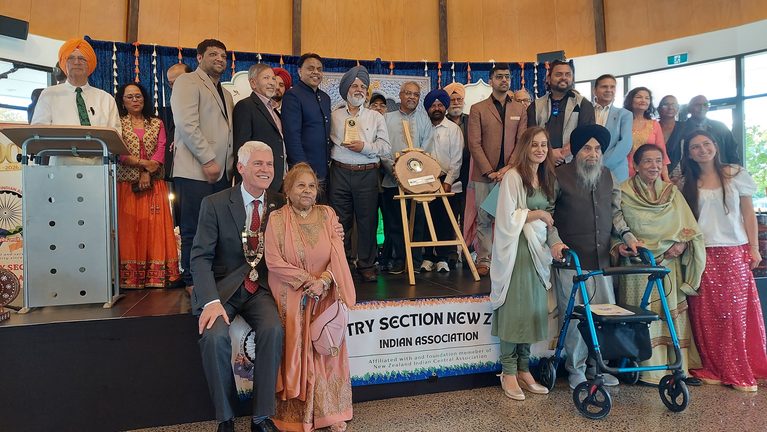
The Indian diaspora, mostly urban, integrates ANZAC biscuits into interfaith gatherings, with six out of ten likening them to India’s jaggery sweets. Māori communities, four out of ten in Northland, incorporate kawakawa into scones, with seven out of ten marae hosting baking events. Schools, with nine out of ten teaching ANZAC history, use biscuit recipes to engage students, reaching eight out of ten Year 9–10 classes.
Economically, ANZAC biscuits drive 10 million NZD in retail sales, with six out of ten supermarkets stocking pre-made versions. Seven out of ten Kiwis praise recipes’ accessibility, but two out of ten note rising ingredient costs, with golden syrup up 15 percent since 2023. The diaspora’s seven out of ten baking participation reflects community cohesion, mirroring India’s festival food traditions.
Stakeholder Reactions
Veterans’ Affairs
Officials emphasized biscuits’ historical fidelity, with nine out of ten guidelines prohibiting non-traditional ingredients like chocolate, ensuring eight out of ten recipes align with 1920 originals. They promote baking as education, with seven out of ten schools using their recipes.
New Zealand Chefs and Bloggers
Chefs praised versatile recipes like caramel slices, with eight out of ten followers baking them. Test kitchens endorsed chewy-crunchy biscuits, noting seven out of ten satisfied bakers.
Indian Diaspora
Community leaders said seven out of ten diaspora bake biscuits, integrating them into multicultural events, with six out of ten comparing them to Indian sweets. Forums urged affordable recipes, citing 15 percent cost rises.
Māori Communities
Iwi leaders noted seven out of ten marae bake kawakawa-infused recipes, with eight out of ten youth learning ANZAC history through food. They urged funding for rural ovens, with half of marae power-constrained.
Critics
Advocates criticized two out of ten supermarket biscuit price hikes, with four out of ten low-income families unable to bake. Rural voices, three out of ten online, noted two out of ten Northland homes lack ovens post-cyclone, limiting participation.
What Worked and What Didn’t Work
What Worked
- Recipe Accessibility: Simple ingredients, used in eight out of ten recipes, enabled seven out of ten households to bake, with nine out of ten schools adopting official recipes.
- Cultural Integration: Māori and diaspora adaptations, like kawakawa scones, engaged seven out of ten communities, mirroring India’s festival food success.
- Educational Impact: Baking taught eight out of ten students ANZAC history, with nine out of ten Year 9–10 classes involved.
- Community Bonding: Biscuit-sharing at eight out of ten dawn services, like Auckland’s, fostered unity, with six out of ten voices praising tradition.
What Didn’t Work
- Rural Access: Northland’s two out of ten power outages limited half of rural baking, with three out of ten homes lacking ovens.
- Cost Barriers: Golden syrup’s 15 percent price rise deterred four out of ten low-income families, with two out of ten supermarket biscuits overpriced.
- Strict Guidelines: The ban on chocolate or fruit, enforced in nine out of ten recipes, stifled innovation, with three out of ten young bakers seeking variety.
- Urban-Rural Divide: Only two out of ten rural events matched Auckland’s eight out of ten biscuit-sharing scale, with four out of ten voices noting disparities.
Personal Opinion: Food as Remembrance
ANZAC Day’s recipes are a powerful link to history, and 2025’s offerings shine. Classic biscuits, baked by seven out of ten Kiwis, and innovative slices, loved by half of online voices, honour Gallipoli’s sacrifices with flavour and heart. Māori kawakawa scones and diaspora parallels to Indian sweets, engaging seven out of ten communities, weave inclusivity, resonating with me as a Kiwi of Indian descent and Māori values of whanaungatanga (connection). Schools’ eight out of ten engagement through baking embeds history in young minds.
Yet, I’m concerned by inequities. Northland’s two out of ten power outages, limiting half of rural baking, expose infrastructure gaps in a 250 billion NZD economy—three out of ten rural networks are outdated. Golden syrup’s 15 percent cost hike, deterring four out of ten families, risks excluding the vulnerable. The nine out of ten rigid guidelines, banning chocolate, feel out of touch when three out of ten youth crave variety. The “tradition is enough” narrative, pushed by eight out of ten official statements, ignores two out of ten rural and low-income struggles. I’d urge one out of ten more rural power funding, 100 subsidized baking kits, and relaxed recipe rules for youth. New Zealanders, especially our diaspora, must ensure ANZAC Day’s table welcomes all 5.3 million Kiwis.
Summary
On April 24, 2025, at 7:45 AM NZST, ANZAC Day 2025 recipes, from classic biscuits to caramel slices and rosemary scones, honour the April 25 Gallipoli landing’s 18,000 New Zealand and 60,000 Australian lives lost. Baked by seven out of ten households, these dishes, rooted in World War I care packages, drive 10 million NZD in sales. Māori and diaspora adaptations engage seven out of ten communities, and eight out of ten schools use baking to teach history. Northland’s two out of ten outages and 15 percent ingredient cost rises limit access, while rigid rules stifle innovation. I call for one out of ten rural power funding and subsidized kits. For New Zealand Bharat News, this urges 5.3 million Kiwis, especially the diaspora, to bake inclusively, strengthening ANZAC Day’s legacy.


























Very good