




 Vinay Karanam
 Bharat’s legacy as a hub of trade and commerce spans millennia, from its role in ancient spice routes to its impact on the global economy today. Known as the “Golden Bird” (Sone Ki Chidiya), Bharat’s wealth, resources, and strategic location attracted traders, scholars, and adventurers from around the world.
In this fifteenth article of the “Bharat Is Not for Beginners” series, we explore Bharat’s trade history, its innovations in commerce, and its influence on the global economy.
Ancient Trade Routes: Connecting Bharat to the World
Bharat’s geographical location and resources made it a focal point for trade in ancient times.
The Land Routes
- Silk Road: Bharat was a vital link in the Silk Road, facilitating the exchange of goods, ideas, and culture between China, Central Asia, and Europe.
- Grand Trunk Road: One of the oldest highways, it connected Bharat’s northern regions to Central Asia, enhancing inland trade and connectivity.
Maritime Trade
- Spice Routes: Bharat’s spices, especially black pepper (referred to as “black gold”), were highly sought after in Rome, Greece, and the Arab world.
- Ports and Shipbuilding: Ancient ports like Lothal (Indus Valley Civilisation), Bharuch, and Muziris were bustling centres of maritime trade. Bharat’s advanced shipbuilding techniques facilitated long voyages.
Trade Goods: What Bharat Gave the World
Bharat’s exports were diverse, reflecting its rich natural and cultural wealth:
- Spices and Textiles: Spices like cinnamon, cardamom, and turmeric, and fine textiles like muslin and silk, were in high demand globally.
- Precious Stones: Bharat was known for its diamonds and other gemstones, particularly from mines in Golconda.
- Steel and Iron: The wootz steel of Bharat, used to make Damascus swords, was famed for its quality and strength.
- Knowledge Systems: Alongside material goods, Bharat exported knowledge in mathematics, astronomy, medicine, and philosophy.
Economic Organisation in Ancient Bharat
Bharat’s robust trade was underpinned by well-organized economic systems:
- Guilds (Shrenis): Merchants and artisans formed guilds that regulated trade, ensured quality, and provided social security to members.
- Marketplaces: Towns and cities thrived with bustling markets where traders from across the world exchanged goods.
- Currency: Bharat used various forms of coinage, from punch-marked coins in the Mauryan era to gold coins during the Gupta dynasty.
Cultural Impact of Trade
Trade was not just an economic activity; it fostered cultural exchanges:
- Spread of Buddhism: Traders played a significant role in spreading Buddhism to Southeast Asia, China, and beyond.
- Fusion of Art and Ideas: Bharat’s trade interactions influenced art, architecture, and culinary traditions in distant lands.
- Language and Scripts: Indian scripts, like Brahmi, influenced Southeast Asian languages, evident in ancient inscriptions.
Colonial Disruption and Economic Exploitation
The colonial period marked a drastic shift in Bharat’s trade dynamics:
- Monopolization: The British East India Company monopolized Bharat’s trade, particularly in textiles and spices.
- Drain of Wealth: Exploitative policies drained Bharat’s resources, leading to economic stagnation and poverty.
- Industrial Decline: Traditional industries, including handloom weaving, suffered as British industrial goods flooded Bharat’s markets.
Post-Independence Resurgence
After independence in 1947, Bharat rebuilt its trade networks and economic systems:
- Economic Reforms: Liberalization in the 1990s opened Bharat to global markets, boosting exports and foreign investments.
- Export Growth: Bharat emerged as a global leader in IT services, pharmaceuticals, and automobile manufacturing.
- Cultural Exports: Yoga, Ayurveda, and Bharatiya cinema (Bollywood) became global phenomena.
Bharat in the Modern Global Economy
Today, Bharat plays a crucial role in international trade and commerce:
- Information Technology: Cities like Bengaluru and Hyderabad are hubs for software development and IT services.
- Manufacturing and Start-Ups: Bharat’s manufacturing sector, particularly in electronics and renewable energy, is growing rapidly. The start-up ecosystem is thriving, with innovations in fintech, edtech, and agritech.
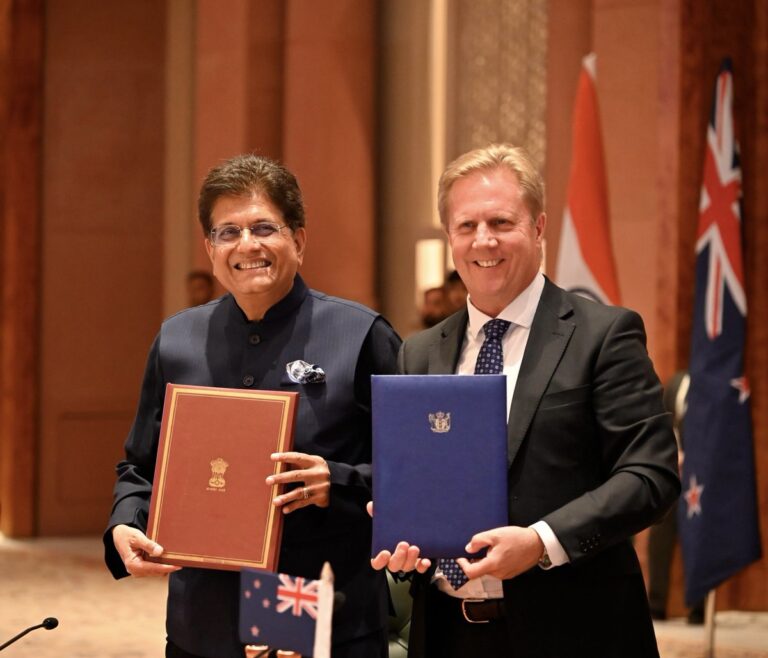
- Trade Partnerships: Bharat has strong trade relations with countries across Asia, Africa, Europe, and the Americas. Initiatives like “Make in India” and “Atmanirbhar Bharat” aim to boost self-reliance and exports.
Challenges and Opportunities
Challenges
- Trade Deficits: Dependence on oil imports and other factors contribute to trade imbalances.
- Infrastructure Gaps: Improving logistics and connectivity is critical for sustaining growth.
- Global Competition: Competing with established economies requires innovation and efficiency.
Opportunities
- Green Economy: Bharat’s focus on renewable energy and sustainable practices can position it as a leader in the green economy.
- Cultural Diplomacy: Leveraging Bharat’s soft power in arts, culture, and spirituality can enhance its global standing.
Excerpt
Bharat’s journey in trade and commerce reflects its resilience, ingenuity, and cultural richness. From ancient spice routes to modern digital highways, Bharat continues to shape and inspire the global economy.
In the next article, we will explore Bharat’s scientific achievements, delving into its contributions to mathematics, astronomy, medicine, and technology across ages. Join us as we uncover the scientific spirit of this ancient yet modern civilization!