Education in ancient Bharat was not merely a means to gain knowledge but a path to holistic development—mental, physical, and spiritual. Rooted in the Gurukula system, Bharat’s educational practices nurtured students in a way that prepared them for life while instilling values of discipline, respect, and a deep connection with nature and society.
In this twenty-second article of the “Bharat Is Not for Beginners” series, we explore Bharat’s ancient systems of education, focusing on the Gurukula tradition, its methodology, and its impact on global learning paradigms.
The Gurukula Tradition
The word “Gurukula” is derived from guru (teacher) and kula (family), emphasising the familial bond between teacher and student.
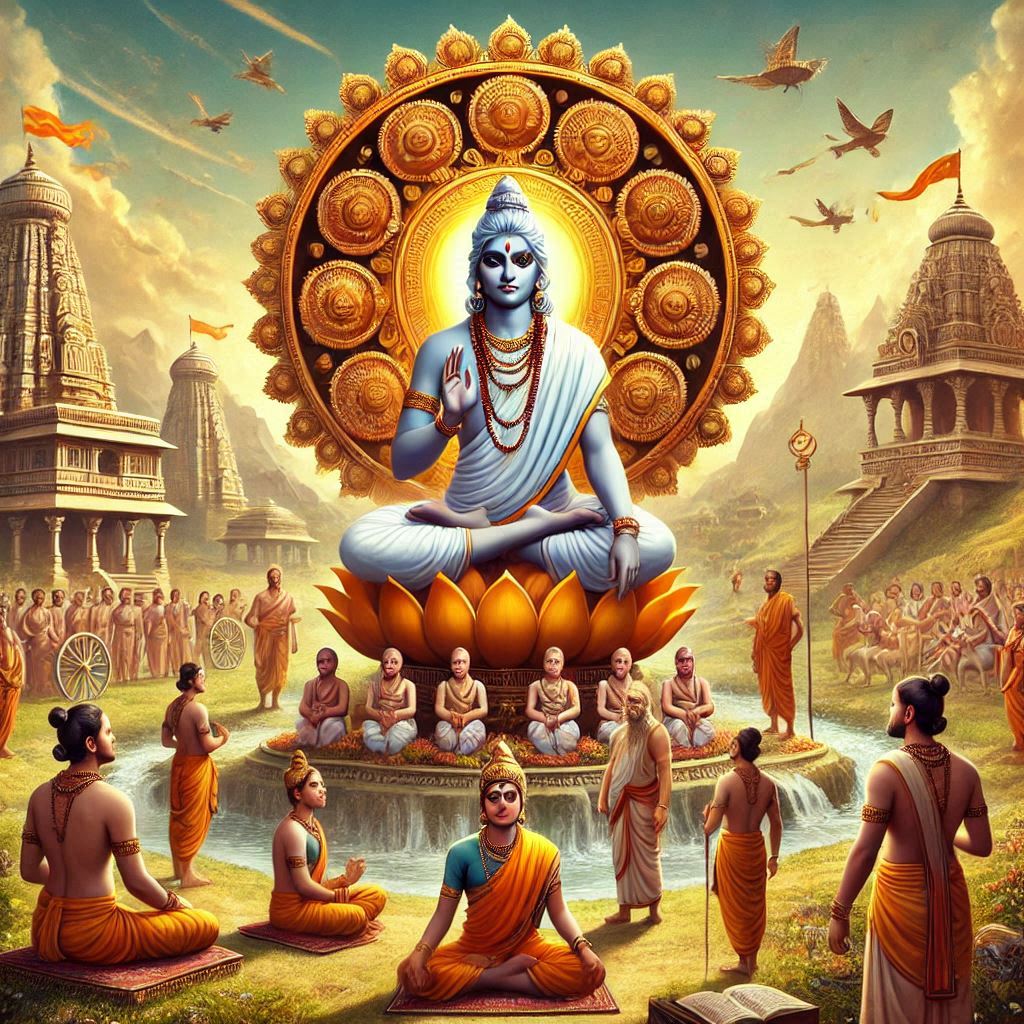
- Setting: Education took place in the teacher’s hermitage, often located in serene, natural surroundings conducive to learning and meditation.
- Duration: Students, known as shishyas, lived with the guru, often for several years, learning through observation, instruction, and practice.
- Holistic Education: Beyond academics, the Gurukula system focused on character building, self-discipline, and practical life skills.
Curriculum and Knowledge Systems
The curriculum in ancient Bharat was expansive, catering to diverse interests and societal needs:
Core Areas of Study
- Vedas and Scriptures: Study of the Vedas, Upanishads, and epics like the Mahabharata and Ramayana formed the backbone of education.
- Philosophy: Students delved into the principles of Dharma, Karma, and Moksha, gaining a philosophical outlook on life.
- Sciences and Mathematics:
- Mathematics: Concepts like zero, algebra, and geometry were integral.
- Astronomy (Jyotisha): Understanding celestial phenomena and their implications.
- Medicine (Ayurveda): Knowledge of health, wellness, and herbal remedies.
- Arts: Music, dance, and painting were encouraged as forms of self-expression and devotion.
Practical Skills
- Agriculture and Crafts: Learning sustainable living through farming and craftsmanship.
- Martial Arts: Training in archery, swordsmanship, and wrestling for physical fitness and self-defense.
- Ethics and Governance: Lessons in administration and leadership for those destined for rulership.
Teaching Methodology
Oral Tradition
- Knowledge was transmitted orally, with students memorising texts and reciting them repeatedly.
- The Shruti (what is heard) and Smriti (what is remembered) methods ensured retention and accuracy.
Experiential Learning
- The Gurukula system emphasised hands-on learning, allowing students to apply concepts in real-life scenarios.
- Tasks like collecting firewood or cooking were not menial but seen as integral to character building.
Individual Attention
- The close bond between guru and shishya ensured personalised guidance, adapting teaching methods to suit the student’s aptitude and interests.
Role of the Guru
The guru was more than an instructor; they were a mentor, guide, and moral compass.
- Mentorship: The guru nurtured the student’s intellectual and spiritual growth.
- Value Transmission: Ethical conduct, respect for elders, and responsibility were imparted naturally through the guru’s behaviour.
- Community Leadership: Gurus often acted as community advisors, extending their wisdom beyond their students.
Major Centres of Learning
While the Gurukula system was widespread, certain institutions emerged as centres of excellence:
Takshashila
- One of the world’s first universities, located in present-day Pakistan.
- Offered diverse subjects ranging from medicine and law to warfare and astronomy.
Nalanda
- A premier institution of higher learning, located in present-day Bihar.
- Attracted scholars from as far as China, Tibet, and Central Asia.
Vikramashila and Kanchipuram
- Centres that contributed significantly to Buddhist and Hindu philosophies and sciences.
Legacy and Influence
Impact on Global Education
- Concepts like experiential learning, holistic development, and respect for teachers inspired educational systems worldwide.
- The emphasis on spiritual and practical education found parallels in monastic systems in Europe and Asia.
Resilience through Time
- Despite invasions and colonisation, elements of the Gurukula system endured, adapting to new contexts.
- The modern gurukul movement seeks to revive this ancient tradition, blending it with contemporary educational methods.
Modern Relevance
The principles of the Gurukula system—holistic learning, teacher-student bonding, and experiential education—hold immense relevance today.
- Holistic Development: Addressing not just intellectual growth but emotional and spiritual well-being.
- Sustainability: Emphasising harmony with nature and sustainable living practices.
- Ethics in Education: Reinforcing the need for moral and ethical grounding in contemporary curricula.
Conclusion
The Gurukula system epitomised the essence of Bharat’s educational philosophy: a harmonious blend of knowledge, values, and skills. It not only shaped individuals but also nurtured a society rooted in wisdom and compassion.
In the next article, we will explore Bharat’s contribution to science and technology, unearthing the innovations and discoveries that shaped human progress. Join us as we continue to celebrate the genius of Bharat’s civilisation!






 Vinay Karanam