



 Vinay Karanam
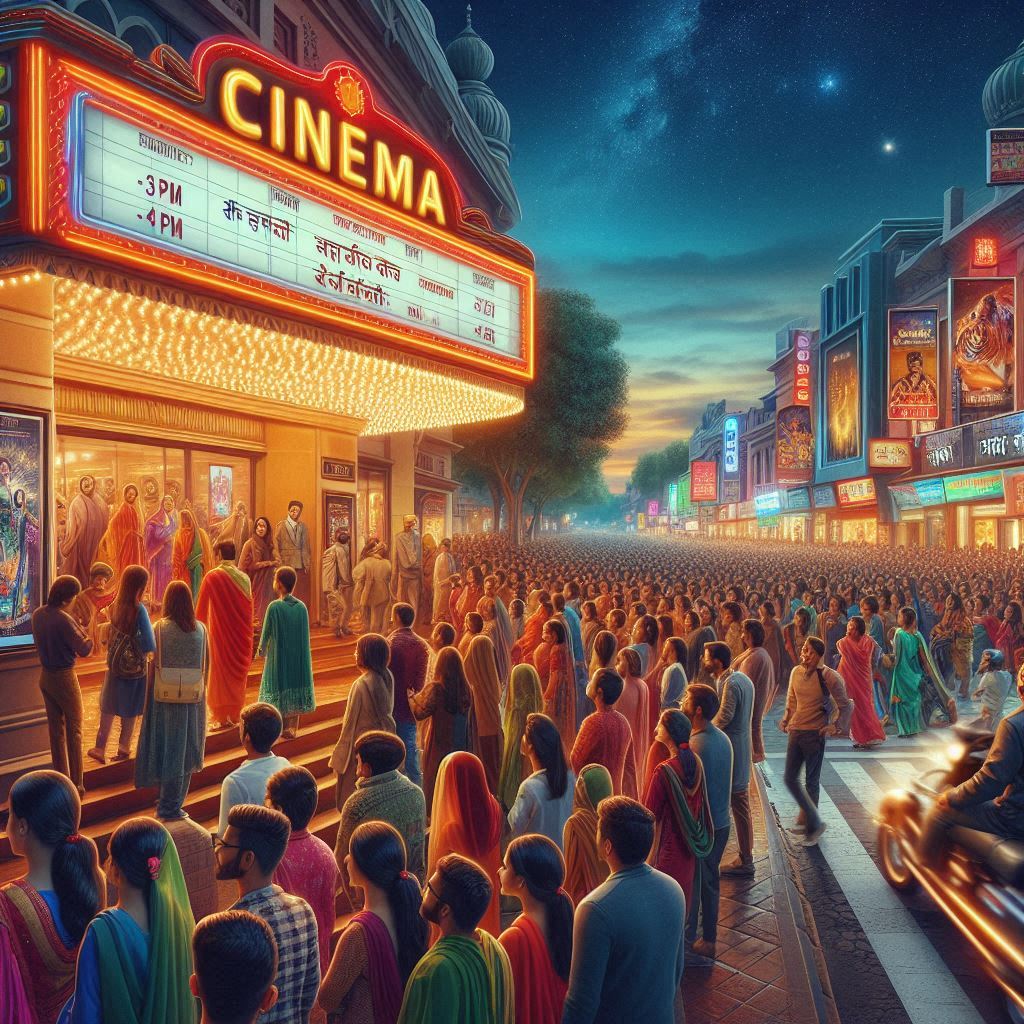
 Picture this: a dusty tent in Bombay, 1913, the air thick with anticipation as a crowd gathers around a flickering screen. A tale of a king unfolds—silent, yet roaring with life. Fast forward a century, and the scene shifts to a packed theater in Auckland, popcorn in hand, as a Bollywood hero leaps across mountains to a thumping beat. Welcome to the 25th chapter of our 100-article adventure, Bharat Is Not for Beginners, where we’ve already trekked through Bharat’s Vedic wisdom, danced with its classical rhythms, and savored its culinary symphonies. Now, we’re diving into something electric—Bharat’s cinematic soul, a dazzling reel reflection of a civilization that’s been telling stories since the stars were young. This isn’t just about movies; it’s about a nation that turns every frame into a celebration of its spirit.
Bharat isn’t a place you skim over—it’s a vibe, a pulse, a saga that grabs you and doesn’t let go. Its cinema? That’s the megaphone, blasting its heartbeat to the world. Forget the idea of films as popcorn fodder; in Bharat, they’re a way of life—part party, part poetry, all passion. From village squares to global red carpets, Bharat’s movies have spun a web of joy, grit, and glory that’s hooked millions. This isn’t for the casual viewer expecting a quiet night in; it’s for anyone ready to see a country paint its dreams in technicolor and belt them out with a soundtrack to match.
The Spark That Started It All
Let’s rewind to where it began—1913, when a guy named Dadasaheb Phalke decided Bharat’s stories deserved more than dusty pages. With Raja Harishchandra, he didn’t just make a film; he kicked off a revolution. Picture him: a dreamer with a camera, scraping by on a shoestring budget, obsessed with bringing a king’s tale of honor to life. No sound, no fancy effects—just raw guts and a story straight out of Bharat’s ancient playbook. The crowd went wild, and why wouldn’t they? This wasn’t some foreign flick; it was their own legends, reborn on screen.
Phalke wasn’t playing copycat to Hollywood’s early stumbles. He was saying, “Bharat’s got its own game,” and oh, did it catch fire. Soon, rickety projectors were lighting up towns from Kashmir to Kanyakumari. Kids, farmers, merchants—they all piled in, mesmerized by tales that felt like home. It was chaotic, scrappy, and beautiful—a perfect snapshot of Bharat’s knack for turning the everyday into something epic. That spark? It’s still burning bright, a reminder that this is a land where creativity doesn’t wait for permission.
The Golden Days: When Screens Lit Up a Nation
Fast forward to the ’50s and ’60s—Bharat’s shaking off colonial dust, and its cinema’s throwing a party for the ages. The Golden Age wasn’t just a label; it was a vibe. Take Satyajit Ray: skinny guy with a big vision, filming Pather Panchali in Bengal’s backyards. No glitz, just real life—mud, monsoons, and a kid dreaming big. It hit the world like a quiet thunderclap, snagging awards and showing Bharat could tell stories with soul. Then there’s Raj Kapoor, the showman with a twinkle in his eye, churning out Awara—a tramp’s tale of love and hustle that had audiences singing in the streets.
Down south, Tamil cinema was crowning MGR a king—not just on screen, but in hearts. He’d fight off baddies, flash a grin, and bam, fans were building shrines. Guru Dutt, meanwhile, was pouring his heart into Pyaasa, proving Bharat could do moody and deep with the best of them. These weren’t just films; they were Bharat’s victory lap after centuries of grit. Every reel screamed pride—look at us, we’re free, we’re loud, we’re unstoppable. Cities buzzed, villages cheered, and a nation found its groove, one blockbuster at a time.
Bollywood: The Big, Bold Beat
Now, let’s talk Bollywood—because you can’t dodge it, and why would you? It’s Bharat’s cinematic circus, and everyone’s invited. Think Sholay: two buddies, a bandit, and lines so iconic kids still quote them. Or Dilwale Dulhania Le Jayenge—Shah Rukh Khan chasing love across Punjab’s fields, turning a train into a legend. Bollywood’s the full package: action, romance, a villain to boo, and songs that stick in your head for weeks. Outsiders might roll their eyes—too loud, too much—but that’s the point. It’s Bharat unfiltered, cranking the volume on life.
What’s the secret sauce? It’s not shy about feelings—big, messy, glorious ones. A hero doesn’t just win; he sings about it. A family doesn’t just reunite; they dance in the rain. It’s got roots, too—those tales of loyalty and justice? Straight out of Bharat’s oldest stories, remixed with glitter and guts. Sure, it’s over-the-top, but it’s real—millions see themselves in those larger-than-life stars. From Mumbai’s slums to New Zealand’s suburbs, Bollywood’s a hug from home, a shout-out to a civilization that doesn’t do small.
And it’s not alone. Tamil cinema’s got Rajinikanth flipping cigarettes and defying physics—fans don’t just watch, they worship. Telugu films roll out mega-sets that’d make architects jealous. Malayalam’s dropping gems like Drishyam, slick and smart. Every region’s got its flavor, and together, they’re a feast—a loud, proud proof that Bharat’s a mosaic that shines brighter as a whole.
The New Wave: Bharat Goes Global
Cut to today, and Bharat’s cinema isn’t just holding court at home—it’s crashing the world party. Streaming’s flipped the script: Sacred Games dives into Mumbai’s dark side, gritty and raw, while The Family Man mixes spy thrills with dad jokes. Then there’s RRR—a wild ride of fire and fury that snagged an Oscar and had the globe cheering. This isn’t Bharat shrinking to fit some global mold; it’s the world stretching to catch up.
Why’s it work? Because Bharat’s films don’t just entertain—they connect. Love, family, fighting the odds—it’s universal, but with a Bharatiya twist. In New Zealand, you’ll catch a Bollywood tune at a wedding or a Tamil blockbuster at a mate’s place. It’s not foreign; it’s familiar, a bridge between cultures. Bharat’s cinematic soul isn’t just surviving the digital age—it’s owning it, proving this is a land that adapts, thrives, and keeps the good vibes rolling.
Why It Matters: A Reel Worth Watching
So why care about Bharat’s movies? Because they’re more than flicks—they’re a window into a civilization that’s been rocking it for millennia. They’re fun, sure—catchy tunes, epic fights—but they’re deep, too. They show a Bharat that’s tough, tender, and totally itself. For Kiwis or anyone else, it’s a chance to see a culture that doesn’t just talk about diversity—it lives it, loud and proud. Next time you’re scrolling, skip the usual and dive into a Bharatiya blockbuster. You’ll laugh, you’ll cry, you’ll get it—Bharat’s not for beginners, but it’s worth the ride.
Excerpt
Here we are, 25 articles deep into our 100-part quest, Bharat Is Not for Beginners, and we’ve just scratched the surface of a land that’s equal parts chaos and charm. Bharat’s cinematic soul is a blast—a reel reflection of a civilization that turns every story into a party. Stick with us as we keep peeling back the layers of this incredible nation. Up next, join us tomorrow for Article 26: Bharat Is Not for Beginners – The Timeless Stage: Bharat’s Theatrical Traditions and Living Narratives, where we’ll step into the spotlight of Bharat’s theater scene, from ancient dramas to modern magic.