 Vinay Karanam
 Kia ora, mates—fancy sitting on an Otago porch, but instead you’re in a Varanasi courtyard, where a sitar’s twang slices the dusk like a fantail’s call, or in a Kerala temple, where a mridangam’s thump rumbles deep as a Southland storm. This is the 33rd tune in our 100-article jam through Bharat Is Not for Beginners, a bloody ripper of a trip that’s dished up spicy kai, poet’s yarns, river flows, and heaps more. Now, we’re cranking up Bharat’s sacred sound—its musical instruments and sonic heritage—where every pluck and beat’s a taonga from the Vedic age to today’s bangers. This isn’t just noise; it’s Bharat strumming its soul across the whenua.
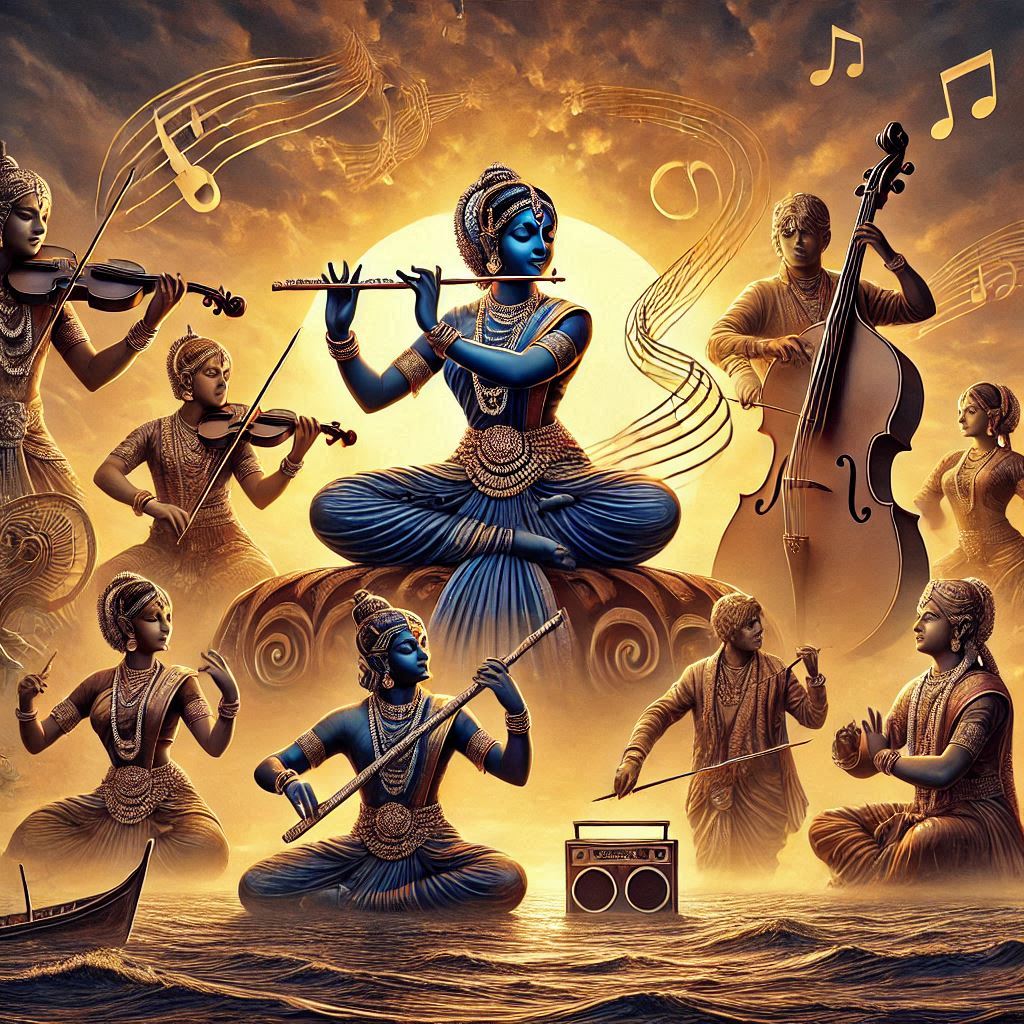
Bharat doesn’t faff with sound—it makes it sacred, eh. Its instruments aren’t just gear; they’re mates of the gods, born in yajna smoke and still rocking from temple steps to Bollywood stages. From a bamboo flute’s wail to a tabla’s cheeky slap, Bharat’s sonic whakapapa is a full-on hui of rhythm and raga, weaving a culture that’s never gone quiet. This isn’t for the tone-deaf—it’s a blast of a land that’s been tuning the world’s ears since the rishis started humming.
The Vedic Vibe: Sound’s Holy Start
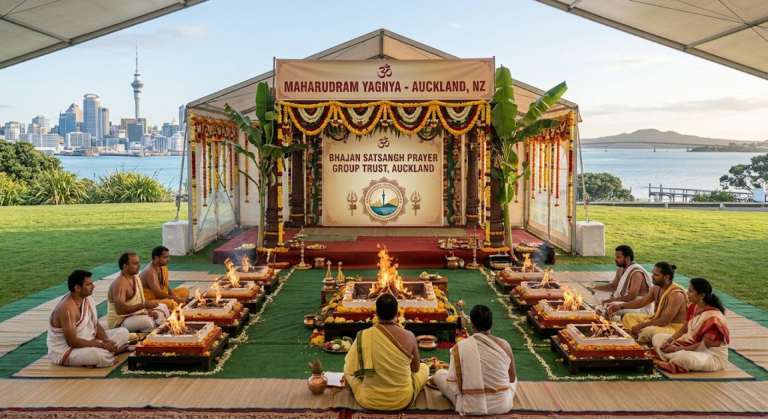
Chuck us back to 1500 BCE—the Rigveda (Article 1) wasn’t just words; it was a bloody chant-fest, rishis belting hymns to Agni with a beat that stuck. The Samaveda took it next-level—melodies so tight they reckoned it was the sound of the cosmos, all pitched to Vedic swaras (notes) that’d make your nana’s choir jealous. Instruments kicked in—veena, a stringed beauty, got a nod as Saraswati’s fave, its twangs a prayer in every pluck. Drums—dundubhi—thumped at yajnas, calling the gods down for a yarn (Article 32’s homam fires).
By 500 BCE, the Natyashastra (Article 26) laid it out—Bharata Muni specced tala (rhythm) and raga (melody), wiring instruments into Bharat’s DNA. Flutes—bansuri—whistled from bamboo, a shepherd’s mate turned Krishna’s lip-sync (Article 4). Conch shells—shankh—blared at rituals, a sonic tika to the divine that still echoes in temples. This wasn’t mucking about—sound was nada brahma, the universe’s hum, and Bharat’s musos were tuning it with Vedic smarts and a fair bit of heart (Article 28).
A Sonic Whānau: Instruments Across the Land
Bharat’s sound’s a mongrel mix—every corner’s got its own banger. Up north, the sitar’s a legend—Pandit Ravi Shankar made it a global rockstar, its strings bending ragas like a Waikato river twist. Pair it with tabla—two drums, one a deep baya, the other a sharp dayan—slapped by ustads into rhythms that’d wake a possum. Punjab’s got dhol—a barrel drum thumping at Bhangra gigs (Article 19), a beat so fat it’s a haka in hide.
Down south, Tamil Nadu’s nadaswaram—a double-reed screamer—blasts at weddings, its wail a Vedic shankh gone wild. Kerala’s mridangam thuds alongside, a barrel of taut leather syncing with Bharatanatyam’s stomp (Article 5). Bengal’s esraj weeps like a poet’s lament (Article 31), while Rajasthan’s sarangi—bowed and gritty—sings desert heartbreak. Even the shehnai—Ustad Bismillah Khan’s baby—pipes joy at temples, its buzz a Vedic homam echo. From tribal bamboo ektaras to palace santoor twinkles, Bharat’s instruments are a whānau—diverse, loud, and bloody beaut.
Sacred Strums: Sound Meets Spirit
Bharat’s gear isn’t just for a hoon—it’s holy as. The veena’s tied to Saraswati—goddess of tunes—its drone a Vedic Om that’s been humming since the Upanishads (Article 2). Shankh blasts kick off pujas—conch vibes cleanse the air, a Rigveda trick still rocking Diwali (Article 19). Ghungroo bells jingle on dancers’ ankles—each tinkle a tika to Shiva’s tandava—linking sound to the divine hoof (Article 5).
Bhajans—devotional jams—lean on harmonium, a colonial import Bharat made its own, pumping out Krishna’s praise with a wheezy grin. Dholak bangs at kirtans—village sing-alongs where the beat’s a prayer, not just a party. Even war got a tune—dundubhi drums rallied Vedic troops (Article 29), while nagaswaram hailed kings. Sound’s not fluff here—it’s mana, a sacred racket tying Bharat’s spirit to its strings and skins.
The Global Gig: Sound Goes Big
Bharat’s sonic taonga didn’t stay home—it hit the road. By 300 CE, veena vibes sailed to Southeast Asia—Angkor Wat’s got carvings of it, a nod to Bharat’s trade tunes (Article 21). Persian santoor owes a wink to Bharat’s hammered strings, swapped along Silk Road yarns (Article 15). Fast-forward—1960s, George Harrison strums a sitar, and the Beatles go raga-mad, Kiwi hippies in Dunedin soon twanging along.
Today, it’s a global hui—tabla thumps in Auckland jazz bars, bansuri wails in Wellington yoga studios (Article 17), dhol pumps South Auckland Diwali dos. Bollywood’s all over it—Taal’s beats (Article 25) owe mridangam a shout, while AR Rahman’s Oscars nod Bharat’s sonic roots. From London orchestras to Māori fusion gigs, Bharat’s sound’s a mate—cheeky, deep, and bloody everywhere.
The Modern Riff: Keeping the Beat Alive
Colonial toffs tried muffling it—Western violins got a push—but Bharat’s musos held the line. Post-1947, sangeet schools bloomed—ustads like Ali Akbar Khan tuned sitars for the world, while gurus drilled tala into kids. Festivals—Chennai’s Margazhi (Article 19)—pack halls with nadaswaram and veena, a Vedic buzz still kicking. Tech’s in—Bollywood mixes santoor with synth (Article 25), but the old gear’s gold—ghungroo still jingle at kapa haka-sized dance-offs.
Kiwi punters love it—WOMAD in Taranaki’s hosted shehnai stars, and local musos pinch tabla tricks for indie jams. It’s not a museum piece—it’s a live wire, Bharat’s sonic mana humming from temple to turntable, a riff that won’t quit.
Why the Sound Sticks Around
How’s this racket keep going? Bharat’s mad for it—nanas hum bhajans, kids bash dholaks, ustads pack stadiums like All Blacks fans (Article 19). It’s Vedic—Samaveda’s swaras still tune the sitar, nada brahma vibes pulsing through. UNESCO’s clocked it—intangible heritage—and makers guard it, carving bansuris in backyards, stitching tabla skins in slums. It’s not just sound—it’s whakapapa, a beat Bharat’s banged since the rishis sang.
Why It’s a Cracker Tune
Why crank Bharat’s sacred sound? Cos it’s a cracker—tunes that grab your guts, a ruckus that’s pure joy. It’s taonga—veena strums older than Pākehā landings, dhol beats with Vedic fire—and it’s alive, rocking from Ōtepoti to anywhere. For us in Aotearoa, it’s a haka—grab a bansuri, tap a tabla, feel Bharat’s buzz. It’s not just music; it’s mana, and Bharat’s playing it loud.
Excerpt
That’s 33 bangers in our 100-article waiata of Bharat Is Not for Beginners, and Bharat’s still cranking—from spicy kai to sonic taonga, this land’s a full-on jam. Keep your ears pricked as we riff through more of its magic. Join us tomorrow for Article 34: Bharat Is Not for Beginners – The Living Canvas: Bharat’s Artistic Traditions and Visual Legacy, where we’ll splash into the colours that paint a civilization’s story.