 Eleanor Thompson
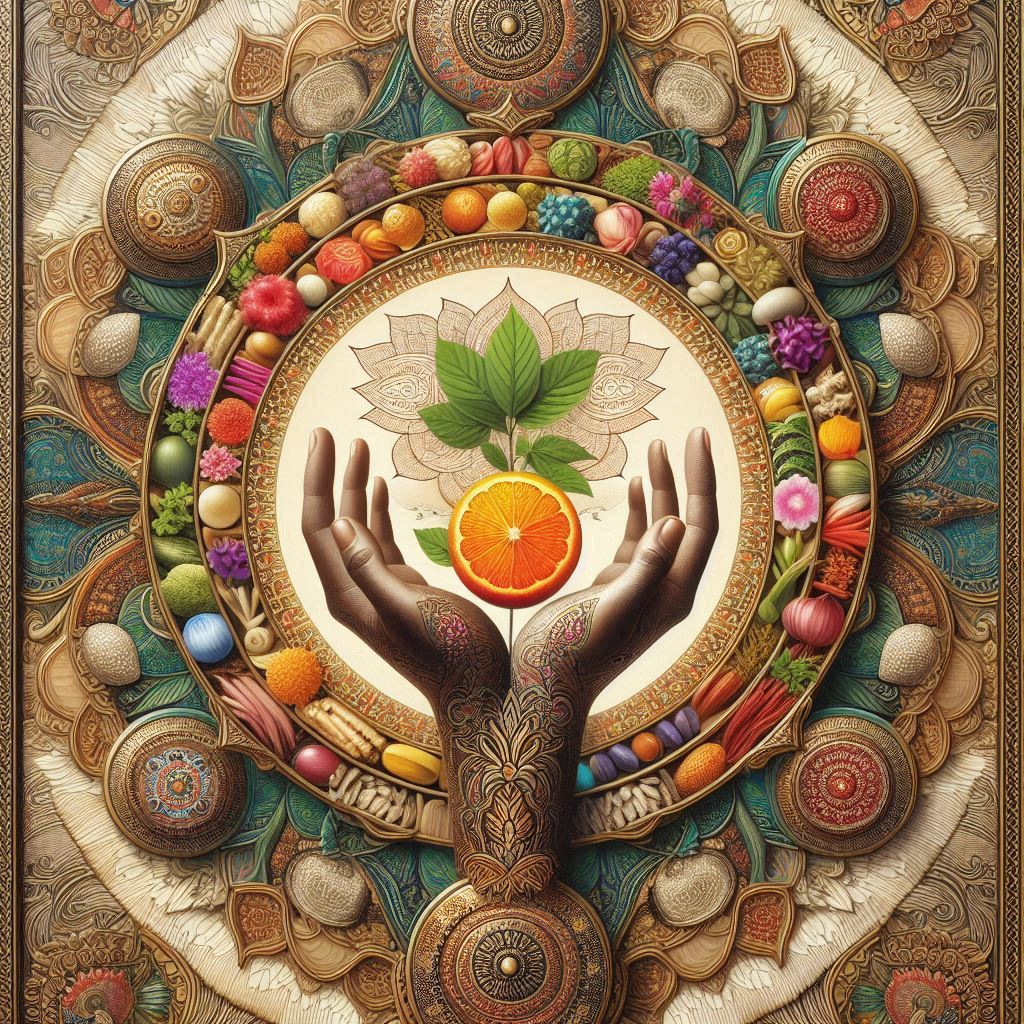
 Kia ora, mates—picture yourself strolling through a Wellington gallery, but nah, you’re in Ajanta’s caves, where a 2000-year-old Buddha glows gold on a rock wall, or in a Jaipur bazaar, where a bloke’s slapping paint on a miniature that’s finer than a fantail’s feather. This is the 34th splash in our 100-article waka through Bharat Is Not for Beginners, a ripper of a journey that’s already cranked sacred sounds, spiced up kai, spun poet’s yarns, and heaps more. Now, we’re diving into Bharat’s living canvas—its artistic traditions and visual legacy—where every stroke’s a taonga from Vedic chisels to modern masterpieces. This isn’t just art; it’s Bharat painting its whakapapa across the whenua.
Bharat doesn’t muck about with a blank slate—it turns it into a bloody marvel. Its art’s not stuck in a frame; it’s a living, breathing hui of colour and craft, from temple carvings to street murals, rooted in a culture that’s been splashing beauty since the rishis eyed the stars. This isn’t for the punter after a quick squiz—it’s a full-on gawk at a land that’s made every wall, cloth, and rock a canvas for its soul.
The Vedic Brush: Art’s Sacred Start
Chuck us back to 3000 BCE—Indus Valley blokes were already scratching seals with bulls and birds, wee clay taonga that hint at a knack for shape (Article 30). But the real guts kicks in with the Vedas—1500 BCE, the Rigveda (Article 1) sings of vishvakarma, the cosmic craftsman, carving worlds with a divine chisel. Art wasn’t faffing about—it was yajna stuff, sacred as the fire it flanked. Rock shelters like Bhimbetka—10,000 years old—show stick figures hunting, a Vedic vibe of life caught in ochre.
By 500 BCE, the Vishnudharmottara Purana laid it down—art’s a path to the gods, with rules for proportion and pose. Mauryan pillars—Ashoka’s edicts—stood tall, polished to a sheen with lion toppers that roared dharma (Article 13). Gupta gold followed—5th century Buddhas in Sarnath, soft curves and calm eyes, a Vedic shanti chiselled into stone (Article 2). This wasn’t random doodling—it was Bharat’s wairua, a visual hum tying earth to the infinite with a rishi’s eye and a bloody steady hand.
A Whānau of Forms: Art Across the Land
Bharat’s canvas is a mongrel mix—every patch’s got its own flair. Ajanta’s caves—2nd century BCE—burst with murals: Jataka tales of Buddha’s lives, pigments from lapis and malachite glowing like a Taranaki sunset. Ellora’s rock-cuts—6th century—carve Shiva mid-tandava, a dance so fierce it’s a haka in stone (Article 5). Down south, Chola bronzes—11th century Natarajas—twist metal into grace, lost-wax tricks from Vedic smiths (Article 24) shining through.
Up north, Mughal minis—16th century—paint Akbar’s hunts on palm-sized sheets, every horse hair a flick of genius (Article 3). Rajasthan’s Pichwai drapes Krishna’s yarns in cotton—cows and flutes in blues and golds (Article 27). Bengal’s Patachitra scrolls sing folk tales—river fishers in earthy reds (Article 30)—while Madhubani’s wall art—Bihar’s gift—swirls Vedic mandalas in veggie dyes, women’s hands keeping it kaupapa. From Warli’s tribal stickmen to Tanjore’s gold-leaf gods, Bharat’s art’s a whānau—raw, rich, and bloody diverse.
Sacred Strokes: Art Meets Mana
Bharat’s art’s got mana—holy clout baked in. Temples like Khajuraho—10th century—carve apsaras mid-dance, a Vedic nod to beauty as divine (Article 17). Yantras—geometric grids—dot walls, tantric tools for meditation, their lines a Rigveda echo of cosmic order (Article 28). Rangoli—floor patterns at Diwali (Article 19)—swirl rice powder into lotus blooms, a tika to Lakshmi’s welcome, every curve a prayer.
Cave frescoes—Ajanta’s monks—paint homam fires, Vedic smoke curling into nirvana vibes. Statues—Konark’s sun god—stand chiselled with surya hymns, a yajna in stone. Even minis—Rajput Krishna—bleed devotion, their blues a Bhakti shout (Article 31). Art’s not fluff here—it’s tapu, a sacred splash tying Bharat’s wairua to its walls and weaves, a visual nada brahma humming through (Article 33).
The Global Gallery: Art Goes Far
Bharat’s canvas didn’t stay local—it shipped out, eh. By 200 BCE, Gandhara Buddhas—half-Greek, half-Desi—mixed Vedic calm with Hellenic curls, traded up the Silk Road (Article 21). Chola bronzes hit Sri Lanka—Nataraja’s dance a South Asian taonga—while Mughal minis swapped with Persian painters, gold leaf bouncing both ways (Article 15). Europe got hooked—18th century Brits pinched Patachitra for parlours, calling it “exotic.”
Now, it’s a global hākari—MF Husain’s modernist Krishna stuns London auctions, while Auckland galleries flog Madhubani prints. Bollywood grabs it—Padmaavat’s sets owe Tanjore a nod (Article 25)—and Kiwi artists pinch Warli vibes for murals. From MoMA to Matamata, Bharat’s art’s a mate—bold, beaut, and bloody everywhere, a Vedic vision gone worldwide.
The Modern Palette: Keeping It Fresh
Colonial toffs tried whitewashing it—Western oils muscled in—but Bharat’s artists held fast. Post-1947, the canvas roared back—Raja Ravi Varma blended Vedic gods with European flair, his Saraswati a stunner in oil. Tagore’s doodles—Bengal, 1930s—went abstract, a poet’s squiggle with yajna roots (Article 31). Now, street art—Delhi’s murals—splash Shiva with spray cans, while galleries hawk Jamini Roy’s folk-pop.
Festivals keep it humming—Pongal’s kolam (Article 19) dots yards, kids learning Vedic swirls. Art schools churn grads—Wellington’s got Desi painters mixing yantras with Māori motifs. It’s not a relic—it’s a live feed, Bharat’s visual mana brushing from caves to concrete, a palette that won’t fade.
Why the Canvas Holds
How’s this art stick around? Bharat’s mad for it—nanas paint rangoli, kids carve clay, galleries pack punters like a Hurricanes game. It’s Vedic—vishvakarma’s chisel still guides, yantras keep it kaupapa. UNESCO’s tagged it—intangible heritage—and makers guard it, chiselling Ganeshas in backyards, brushing minis in slums. It’s not just pictures—it’s whakapapa, a splash Bharat’s kept vivid since the rishis sketched.
Why It’s a Stunner
Why gawk at Bharat’s living canvas? Cos it’s a stunner—colours that smack you silly, a beauty that’s pure joy. It’s taonga—caves older than the Treaty, carvings with Vedic fire—and it’s alive, rocking from Kāpiti to anywhere. For us in Aotearoa, it’s a hui—grab a brush, sketch a yantra, feel Bharat’s buzz. It’s not just art; it’s wairua, and Bharat’s painting it loud.
Excerpt
That’s 34 strokes in our 100-article masterpiece of Bharat Is Not for Beginners, and Bharat’s still splashing—from sonic bangers to vivid canvases, this land’s a full-on gallery. Keep your eyes peeled as we brush through more of its brilliance. Join us tomorrow for Article 35: Bharat Is Not for Beginners – The Eternal Code: Bharat’s Legal Traditions and Living Justice, where we’ll dig into the laws that frame a civilization’s heart.