

 Vinay Karanam
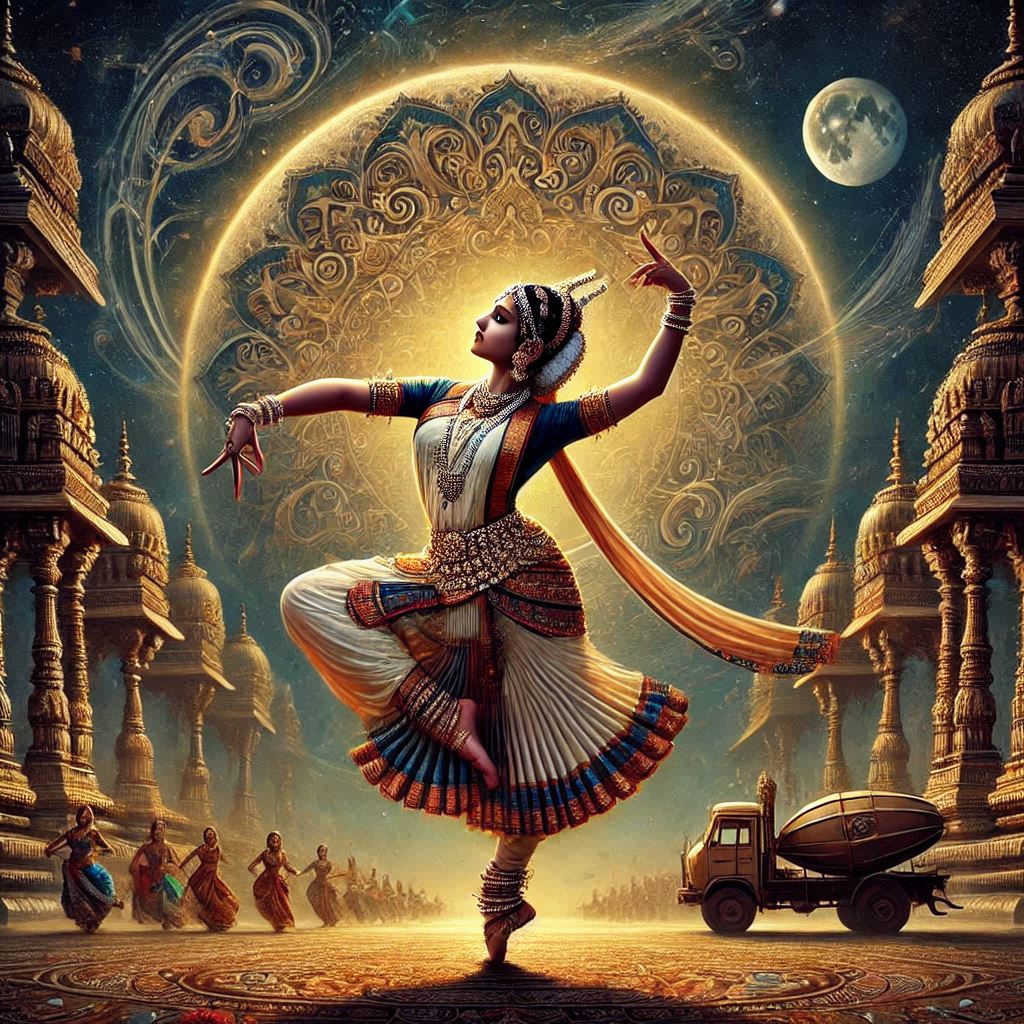
 Dance in Bharat is not merely a form of entertainment—it is a spiritual offering, a storytelling medium, and a cultural repository. Bharat’s classical dance forms are deeply rooted in its traditions, blending movement, rhythm, and expression to convey devotion and narratives from mythology and folklore. These art forms, shaped by centuries of tradition, embody the aesthetic principles of Natya Shastra, the ancient Sanskrit treatise on performing arts.
In this fifth article of the “Bharat Is Not for Beginners” series, we immerse ourselves in Bharat’s classical dance heritage, focusing on their cultural significance, intricate techniques, and enduring legacy.
The Origin: Natya Shastra and the Concept of Natya
The foundation of Bharat’s classical dance traditions is attributed to the Natya Shastra by Bharata Muni. This ancient text codifies the principles of drama, dance, and music, introducing key elements such as bhava (expression), rasa (aesthetic emotion), and tala (rhythm).
- Rasa Theory: Central to classical dance, the rasas are nine emotional states—love, laughter, sorrow, anger, courage, fear, disgust, wonder, and tranquility—that performers evoke to connect with the audience.
- Natya as Worship: According to legend, dance was created by the gods to entertain and educate humanity. As a result, classical dance often serves as a spiritual offering in temples.
The Classical Dance Forms of Bharat
Bharat’s classical dances are as diverse as its regions, each characterized by unique techniques, themes, and aesthetics.
Bharatanatyam (Tamil Nadu)
Known as the “Dance of the Gods,” Bharatanatyam is one of the oldest and most revered dance forms. Initially performed in temples as a form of devotion, it combines intricate footwork (adavus), expressive hand gestures (mudras), and vivid facial expressions (abhinaya).
- Themes: Bharatanatyam primarily narrates stories from Hindu mythology, especially the epics Ramayana and Mahabharata.
- Highlights: The dancer’s movements are precise, with a balance of symmetry and grace, symbolizing the union of body and soul.
Kathak (North India)
Evolving from temple rituals and royal courts, Kathak is a storytelling dance form known for its intricate footwork, fast spins, and expressive gestures.
- Features: Performers use rhythmic foot taps synchronized with ghungroos (ankle bells) and weave tales of Radha-Krishna or Mughal courtly traditions.
- Fusion: Influenced by Persian and Mughal cultures, Kathak bridges devotional and secular themes.
Odissi (Odisha)
Odissi is celebrated for its lyrical grace and fluid movements, reflecting the sculptures of ancient temples.
- Signature Pose: The tribhangi (three-bend posture) is a hallmark, creating dynamic body curves.
- Devotional Essence: Odissi often narrates tales of Lord Jagannath, the presiding deity of Odisha.
Kuchipudi (Andhra Pradesh)
A blend of dance and drama, Kuchipudi originated as a theatrical performance by male Brahmins. Today, it is performed by both genders and incorporates elaborate storytelling.
- Features: Dancers enact scenes with dialogue and music, often balancing on a brass plate for added theatrical effect.
- Themes: Myths and legends, particularly those of Krishna, are central to Kuchipudi.
Kathakali (Kerala)
Known for its vibrant costumes and elaborate makeup, Kathakali is a dramatic dance-drama form that narrates epics with larger-than-life characters.
- Expression: Kathakali emphasizes facial expressions (rasas), complemented by vigorous movements and intricate hand gestures.
- Music and Percussion: The chenda drum and shankh (conch) create an immersive auditory experience.
Mohiniyattam (Kerala)
Mohiniyattam, the “dance of the enchantress,” is a graceful and feminine form performed solo.
- Mood: The dance is marked by gentle swaying movements, exuding elegance and charm.
- Themes: Stories often revolve around love and devotion to Lord Vishnu.
Cultural Significance and Modern Relevance
Bharat’s classical dances are more than performance arts; they are cultural documents preserving ancient stories, traditions, and values. Despite their ancient origins, these dance forms continue to thrive, adapting to contemporary audiences through festivals, academies, and global performances.
- Education and Preservation: Institutions like Kalakshetra in Chennai and Kathak Kendra in Delhi train new generations, ensuring these art forms endure.
- Global Influence: Classical dances have gained international acclaim, with performances held worldwide, celebrating Bharat’s rich cultural heritage.
Excerpt
Bharat’s classical dances encapsulate its spirit, blending devotion, narrative, and artistry in a harmonious expression of culture. Each performance is a journey that connects the past with the present, inviting audiences into a world of beauty and meaning.
In our next article, we will explore Bharat’s rich tapestry of folk dances, celebrating the energy, diversity, and traditions of its people. Stay tuned as we continue our journey through Bharat’s extraordinary cultural legacy.