



 Dorothy Brown
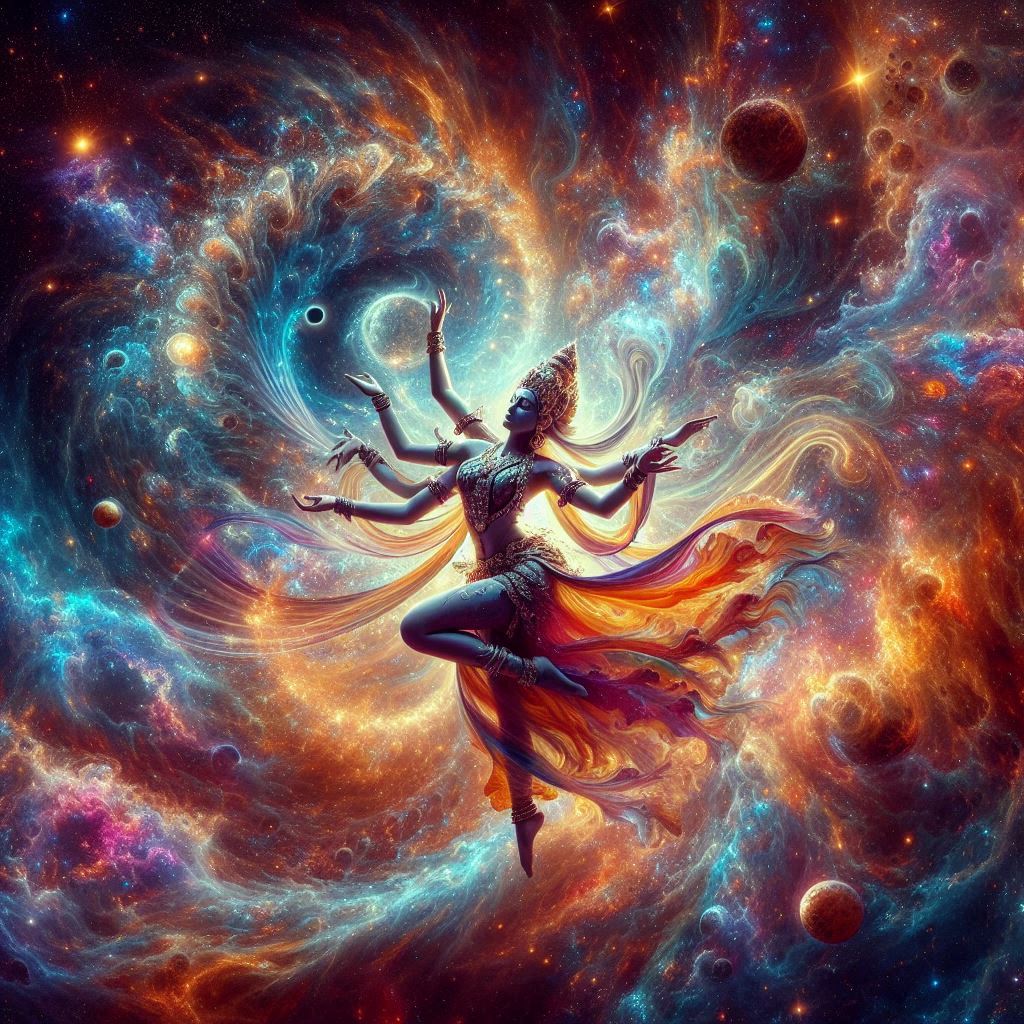
 Kia ora, friends—imagine stargazing from a Waikato hill, Orion’s belt sharp against the night, but picture instead a Ujjain observatory, where a yantra tracks planets under a Vedic sky, or a Bengaluru cleanroom, where engineers polish a satellite’s lens for a galactic scan. This is the 56th orbit in our 100-article journey through Bharat Is Not for Beginners, a remarkable trek that’s unveiled a land of vibrant legacies and bold discovery. Now, we’re gazing back into Bharat’s celestial return—its astronomical innovations and living cosmos—where every star, every calculation, is a taonga, a treasure charted from Vedic rishis to modern space missions. This isn’t just about the sky; it’s Bharat mapping its whakapapa across the heavens.
Bharat doesn’t approach astronomy with a fleeting glance—it peers with precision and wonder. Its cosmic kaupapa isn’t a dusty almanac; it’s a vibrant hui, a gathering of observations, mathematics, and myths that stretch from the sacred yajna’s stellar alignments to the rocket launches of today’s spaceports. This land is a living observatory, a radiant ticker that’s guided its people through seasons, rituals, and explorations with a profound respect for the universe. This isn’t for those after a quick horoscope—it’s an exploration of a civilisation that’s made its celestial wisdom a remarkable legacy, a cosmos that binds its past to its present with clarity and awe.
The Vedic Sky: Astronomy’s Sacred Beginnings
Let’s step back to 1500 BCE, when the heavens were more than lights—they were divine. The Rigveda names Nakshatras—27 lunar mansions—tying Rohini and Krittika to yajna timings, their arcs a map for rta, the cosmic order. Priests aligned altars to Dhruva, the pole star, their bricks a homam mirror of the sky. By 1000 BCE, Vedanga Jyotisha—a Vedic limb—crunched cycles: 360-day years, 12-month lunisolar calendars, its maths a rishi’s guide for sowing and sacrifice.
By 500 BCE, Surya Siddhanta emerged, plotting planets—Mangala (Mars), Shani (Saturn)—with eccentric orbits, a pre-Copernican feat. Aryabhata, in 499 CE, calculated Earth’s circumference (39,968 km, near modern 40,075 km) and argued it spun, a jyotisha truth centuries before Galileo. Yantras—brass instruments—tracked stars in Ujjain, their dials a mandala of cosmos. Observatories like Jantar Mantar, built 1724, measured solstices with stone arcs, a Mughal-Vedic fusion of stone and star.
This wasn’t mere stargazing—it was jyotirvidya, the science of light. Astronomers weren’t just watchers; they were ganakas, keepers of celestial truth, their charts a hui that linked Bharat’s spirit to its stars and cycles with a sage’s precision and a deep wairua, a spiritual cosmos that endures.
A Whānau of Stars: Astronomy Across the Land
Bharat’s celestial traditions form a whānau, a family of skyward arts, each region casting its own gaze. In Rajasthan, Jaipur’s Jantar Mantar—five observatories—tracks Nakshatras with Samrat Yantra, its sundial a desert taonga accurate to two seconds. Down south, Tamil Nadu’s Thiruvallur temples align gopurams to equinoxes, their granite a Sangam-era jyotisha for puja timings.
Bengal’s Navya-Nyaya scholars, in 16th-century Nadia, wove tithi—lunar days—into logic, a riverine hui that timed eclipses. Gujarat’s Jain monks etched Chandra (moon) cycles on palm leaves, their bhandars a merchant’s star-log for trade. Kerala’s Namboodiri astronomers, using Panchangam almanacs, forecast monsoons, a coastal rta for rice fields.
Odisha’s Konark Sun Temple, a 13th-century chariot, casts shadows to mark Surya’s path, its wheels a yantra in stone. Assam’s Ahom priests read Phalguni stars for coronations, a Brahmaputra rite tied to Nakshatras. Maharashtra’s Maratha forts housed dhruvaka scopes, their cannons timed to Shani’s arc. From Ladakh’s stupa-aligned solstices to Andaman’s tidal star-charts, Bharat’s stars are a whānau—precise, sacred, and truly impressive, each a beacon in the land’s cosmic web.
Cosmic Mana: Astronomy Meets Spirit
Bharat’s astronomy carries mana—sacred essence etched in every orbit. Jyotisha isn’t just calculation; it’s dharma, aligning life with rta’s rhythm, every tithi a homam prayer for harmony. Nakshatras guide births, their arcs a tika to destiny, while Surya’s rise fuels Surya Namaskar, a yajna stretch to light. Rahu and Ketu—eclipse nodes—stir myths of cosmic serpents, a Vedic tale for shadow and sun.
Festivals bind this mana—Makar Sankranti tracks Surya’s northward turn, kites soaring in Gujarat’s skies. Kumbh Mela times Guru (Jupiter) in Kumbha (Aquarius), a tirtha bath under stars. Even daily life reflects it—farmers sow by Rohini’s rise, mothers name babies by Ashwini’s grace, a rta-guided warmth. Temples like Tirupati align to Vishakha for puja, their clocks a yantra’s tick.
Jain tirthankaras taught Chandra’s phases as ahimsa lessons, a cosmic sadhana. Tribal Santhals in Jharkhand chant star songs for rains, a pre-Vedic jyotirvidya alive in drumbeats. The sky wasn’t a chart here—it was wairua, a sacred hui tying Bharat’s spirit to its planets and pulses, a living nada brahma in light and orbit.
The Global Hui: Cosmos Reaches Out
Bharat’s celestial wisdom didn’t stay earthbound—it soared far. By 200 BCE, Surya Siddhanta’s maths reached Persia, its zodiac shaping Babylonian charts. Buddhist monks carried Nakshatra cycles to China, their lunar counts seeding Tang almanacs. Chola navigators used dhruvaka—star compasses—to sail to Bali, a jyotisha taonga for monsoon seas.
Mughal zij—star tables—blended Aryabhata with Arabic zij-i-Sultani, a Desi gift to Ottoman scopes. British colonials pinched Panchangam for tide tables, a Vedic trick in Victorian ports. Today, it’s a global hui—NZ’s Māori star navigators, using Matariki, echo Nakshatra’s wayfinding, a Vedic twist in Pacific waves. In Wellington, astronomers study Aryabhata for orbital maths, while Auckland’s planetariums screen Jantar Mantar’s arcs.
From NASA’s Chandra telescope—named for Bharat’s Chandrasekhar—to Dunedin’s stargazing tours, Bharat’s cosmos is a friend—exact, wondrous, and truly far-reaching, a Vedic star guiding the global whānau’s gaze.
The Modern Rāka: Cosmos Keeps Shining
Colonial times tried to eclipse it—Western clocks outshone tithi—but Bharat’s astronomy held firm. Post-1947, the waka turned with ambition. ISRO, founded 1969, launched Aryabhata—India’s first satellite—in 1975, a rishis’ yantra gone orbital. Chandrayaan-3, in 2023, landed on the moon’s south pole, its rover a Surya Siddhanta for lunar dust.
NavIC, a 2016 GPS grid, tracks monsoon clouds, a jyotisha for farmers’ phones. Observatories like GMRT in Pune scan pulsars, their dishes a modern Jantar Mantar. AstroSat, launched 2015, maps black holes, a ganaka’s dream in UV light. Bengaluru’s space-tech startups craft CubeSats, a shilpa-vidya for the stars.
Kiwi friends see the spark—Christchurch’s Matariki festivals nod Nakshatra’s cycles, Auckland’s coders eye ISRO’s open-source orbit code. It’s not a relic—it’s a live rāka, Bharat’s cosmic mana shining from Vedic tithi to galactic probes, a cosmos that keeps expanding.
Why the Sky Stays Starlit
What keeps this cosmos alive? Bharat’s devotion runs deep—nanas teach Nakshatra tales, tamariki spot Mangala in night classes. Astronomers guard jyotirvidya like treasures, passing down Surya Siddhanta with a Hurricanes ruck’s focus. It’s Vedic at its core—rta’s rhythm, dharma’s truth, still hold it tapu, a sacred trust unbroken.
Communities keep it bright—village Panchangam readers, urban star clubs, temple eclipse prayers. UNESCO’s marked Jantar Mantar as heritage, but it’s the people who uphold the kaupapa—aligning puja to tithi, scanning pulsars in labs, teaching yantra to the next wave. It’s not just astronomy—it’s whakapapa, a sky Bharat’s charted since the rishis tracked Dhruva, a cosmos that stands radiant.
Why It’s an Awe-Inspiring Yarn
Why gaze back into Bharat’s celestial return? Because it’s an awe-inspiring yarn—stars that guide, reveal, and endure, a remarkable tale that deserves a deep stare. It’s taonga—Nakshatras older than the Treaty waka, yantras glowing with Vedic fire—and it’s alive, shining from Kaikoura’s shores to anywhere wonder matters. For us in Aotearoa, it’s a hui—track a tithi, scan a pulsar, catch Bharat’s spark in every orbit.
This cosmos bridges worlds—past and present, altar and orbit, Bharat and beyond. It’s in the Panchangam that times a harvest, the Chandrayaan that touches a moon, the star that names a child. It’s not just astronomy; it’s wairua, a spiritual force, and Bharat’s got it soaring high, a sky that invites us all to look, to learn, to join the stars.
Excerpt
That’s 56 orbits in our 100-article rāka of Bharat Is Not for Beginners, and Bharat’s still shining—a land of remarkable gifts. Keep your eyes skyward as we chart more of its taonga. Join us tomorrow for Article 57: “Bharat Is Not for Beginners – The Warrior’s Way Returns Again: Bharat’s Martial Traditions and Living Strength”, where we’ll stride back into the disciplines that forge a civilisation’s resolve.