

 Dorothy Brown
 Kia ora, friends—imagine simmering a hāngi in a Waikato pit, the earthy aroma rising, but picture instead a Lucknow kitchen, where a biryani blooms with saffron and clove, or a Mumbai street stall, where a vada pav sizzles under a monsoon drizzle. This is the 58th dish in our 100-article journey through Bharat Is Not for Beginners, a remarkable trek that’s unveiled a land of vibrant legacies and bold creativity. Now, we’re savouring back into Bharat’s sacred feast—its culinary traditions and living flavours—where every spice, every bite, is a taonga, a treasure stirred from Vedic hearths to modern plates. This isn’t just about food; it’s Bharat nourishing its whakapapa with warmth and artistry.
Bharat doesn’t approach its cuisine with a bland toss—it cooks with passion and purpose. Its gastronomic kaupapa isn’t a stale recipe; it’s a vibrant hui, a gathering of ingredients, techniques, and stories that stretch from the sacred yajna’s grain offerings to the fusion menus of today’s eateries. This land is a living kitchen, a soulful ticker that’s fed its people through harvests, festivals, and famines with a profound respect for taste and tradition. This isn’t for those after a quick snack—it’s an exploration of a civilisation that’s made its food a remarkable legacy, a feast that binds its past to its present with flavour and care.
The Vedic Hearth: Cuisine’s Sacred Beginnings
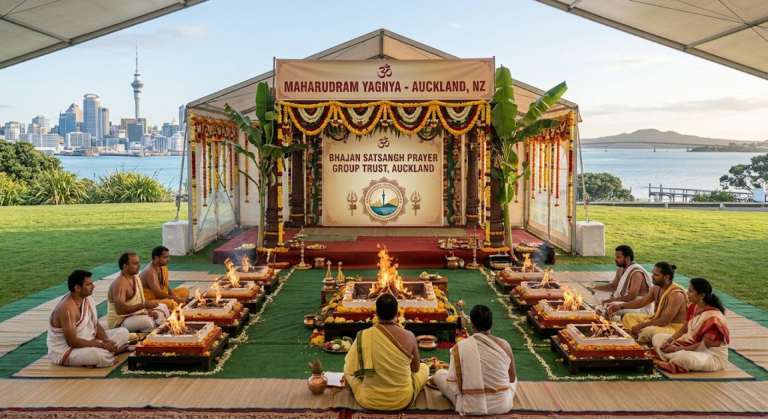
Let’s step back to 1500 BCE, when food was more than sustenance—it was divine. The Rigveda describes yajna offerings—ghee, barley, soma juice—poured into Agni’s flames, their aroma a prayer for rta, the cosmic order. Annam—food—was Brahman, its sharing a homam act of unity. Atharvaveda blessed shali rice and mung lentils, their harvest timed by jyotisha stars, a rishi’s guide for nourishment.
By 1000 BCE, Taittiriya Upanishad called annam life’s root, urging prasadam—offered food—for all. Ayurveda, from 600 BCE, shaped diets—sattvic grains for clarity, rajasic spices for vigour—its rasayana blending haldi (turmeric) for health. Arthashastra, around 300 BCE, regulated bhojya—kitchens—listing saffron, cardamom, and jaggery, while vaidyas roasted millets for balance. Paka-shastra—cooking texts—detailed khichdi, a rice-lentil medley, simmered in clay handis.
This wasn’t mere cooking—it was annapurna, the art of abundance. Cooks weren’t just chefs; they were rasoias, keepers of a sacred flame, their dishes a hui that linked Bharat’s spirit to its grains and spices with a sage’s care and a deep wairua, a spiritual feast that endures.
A Whānau of Flavours: Cuisine Across the Land
Bharat’s culinary traditions form a whānau, a family of tastes, each region stirring its own pot. In Uttar Pradesh, Lucknow’s Awadhi cuisine slow-cooks biryani with dum—sealed pots—its kewra essence a Mughal taonga. Down south, Tamil Nadu’s Chettinad sizzles kozhi curry with star anise, a Sangam spice for granite hearths. Bengal’s Bhapa Ilish steams hilsa fish in mustard, a delta hui wrapped in banana leaves.
Rajasthan’s Marwari dal bati pairs lentil stew with ghee-dipped wheat, a desert dharma for nomads, while Gujarat’s Dhokla ferments rice into spongy cakes, a Jain sattvic bite. Kerala’s Sadya—a banana-leaf feast—layers avial veggies with sambar, a coastal annam for Onam. Punjab’s Sarson ka Saag simmers mustard greens, its makki roti a Sikh warmth in winter fields.
Odisha’s Pakhala cools fermented rice with curd, a tribal rta for summer, while Assam’s Masor Tenga tangs fish with kokum, a Brahmaputra zest. Maharashtra’s Puran Poli stuffs flatbread with jaggery, a Maratha sweet, and Kashmir’s Rogan Josh braises lamb in saffron, a Himalayan glow. From Andaman’s crab curries to Ladakh’s thukpa noodles, Bharat’s flavours are a whānau—rich, varied, and truly impressive, each a taste of the land’s soul.
Culinary Mana: Food Meets Spirit
Bharat’s cuisine carries mana—sacred essence blended in every dish. Annam isn’t just food; it’s dharma, nourishing atman with rta’s grace, every thali a homam prayer for unity. Ghee, drizzled on dal, is Agni’s light, a tika to Brahman. Prasadam—temple sweets like Tirupati’s laddu—bears devi’s blessing, a yajna gift for pilgrims.
Festivals stir this mana—Diwali fries jalebi in ghee, its spirals a jyotisha glow. Pongal boils rice with jaggery, a Tamil surya thanks. Even daily life reflects it—mothers knead roti with mantras, farmers share khichdi at harvest, a rta-guided warmth. Ayurveda seasons sambar with hing for digestion, a sattvic cure in every spoon.
Jain kitchens skip garlic for ahimsa, their undhiyu a veggie sadhana. Tribal Santhals in Jharkhand roast millet for totem feasts, a pre-Vedic annapurna alive in clay ovens. Food wasn’t just fuel here—it was wairua, a sacred hui tying Bharat’s spirit to its spices and servings, a living nada brahma in aroma and taste.
The Global Hui: Flavours Reach Out
Bharat’s culinary wisdom didn’t stay simmering—it spread far. By 200 BCE, saffron and cardamom sailed to Persia, their rasayana a Silk Road taonga. Chola ports shipped tamarind to Java, its tang in Bali’s sambal. Mughal biryani spiced Ottoman pilaf, a Desi dum gone global.
British colonials pinched chutney—from chatni—for their jams, a Vedic zest in Victorian jars. Today, it’s a global hui—NZ’s curry houses serve rogan josh in Ponsonby, a Vedic twist on Kiwi plates. In Wellington, dosas crisp at food trucks, while Auckland’s chefs study Chettinad for fusion menus.
From London’s balti joints to Dunedin’s tikka takeaways, Bharat’s flavours are a friend—bold, soulful, and truly far-reaching, a Vedic spice seasoning the global whānau’s table.
The Modern Rāka: Flavours Keep Cooking
Colonial times tried to dull it—British bread outshone roti—but Bharat’s cuisine held firm. Post-1947, the waka turned with pride. Amul, founded 1946, churned ghee and dahi, its co-ops a dharma-driven dairy for villages. Haldiram’s packaged samosas hit global shelves, a rasoia’s snack gone retail.
Chefs like Vikas Khanna blend dal with quinoa, their thalis starring at Michelin tables, while Zomato delivers vada pav to urban flats, a bhojya app for millennials. Organic farms in Punjab grow sattvic basmati, a haldi-hued ahimsa for health. Food tech—Bengaluru’s Swiggy—cooks khichdi in cloud kitchens, a paka-shastra for the digital age.
Kiwi friends see the spark—Auckland’s sadya feasts mirror Onam, Wellington’s markets sell jaggery sweets. It’s not a relic—it’s a live rāka, Bharat’s culinary mana cooking from Vedic handis to fusion plates, a feast that keeps simmering.
Why the Feast Stays Sacred
What keeps this cuisine alive? Bharat’s devotion runs deep—nanas stir sambar for whānau, tamariki knead paratha in kitchens. Chefs guard annapurna like treasures, passing down biryani with a Hurricanes ruck’s focus. It’s Vedic at its core—rta’s harmony, dharma’s care, still hold it tapu, a sacred trust unbroken.
Communities keep it warm—village thali feasts, urban food fests, temple *pras tautoko prasadam. UNESCO’s marked biryani as heritage, but it’s the people who uphold the kaupapa—roasting roti on tawas, blending masala in labs, teaching paka-shastra to the next wave. It’s not just food—it’s whakapapa, a feast Bharat’s stirred since the rishis offered ghee, a flavour that stands soulful.
Why It’s a Soulful Yarn
Why savour back into Bharat’s sacred feast? Because it’s a soulful yarn—flavours that nourish, unite, and endure, a remarkable tale that deserves a deep taste. It’s taonga—annam older than the Treaty waka, ghee glowing with Vedic fire—and it’s alive, simmering from Kaikoura’s shores to anywhere hearts gather. For us in Aotearoa, it’s a hui—spoon a dal, share a jalebi, catch Bharat’s spark in every bite.
This feast bridges worlds—past and present, handi and haute, Bharat and beyond. It’s in the biryani that warms a wedding, the dosas that crunch a dawn, the sambar that heals a soul. It’s not just food; it’s wairua, a spiritual force, and Bharat’s got it cooking strong, a feast that invites us all to stir, to taste, to join the table.
Excerpt
That’s 58 dishes in our 100-article rāka of Bharat Is Not for Beginners, and Bharat’s still simmering—a land of remarkable gifts. Keep your plate ready as we savour more of its taonga. Join us tomorrow for Article 59: “Bharat Is Not for Beginners – The Eternal Stage Returns Again: Bharat’s Theatrical Traditions and Living Drama”, where we’ll step back into the stories that animate a civilisation’s spirit.























Awesome
Very good