



 Dorothy Brown
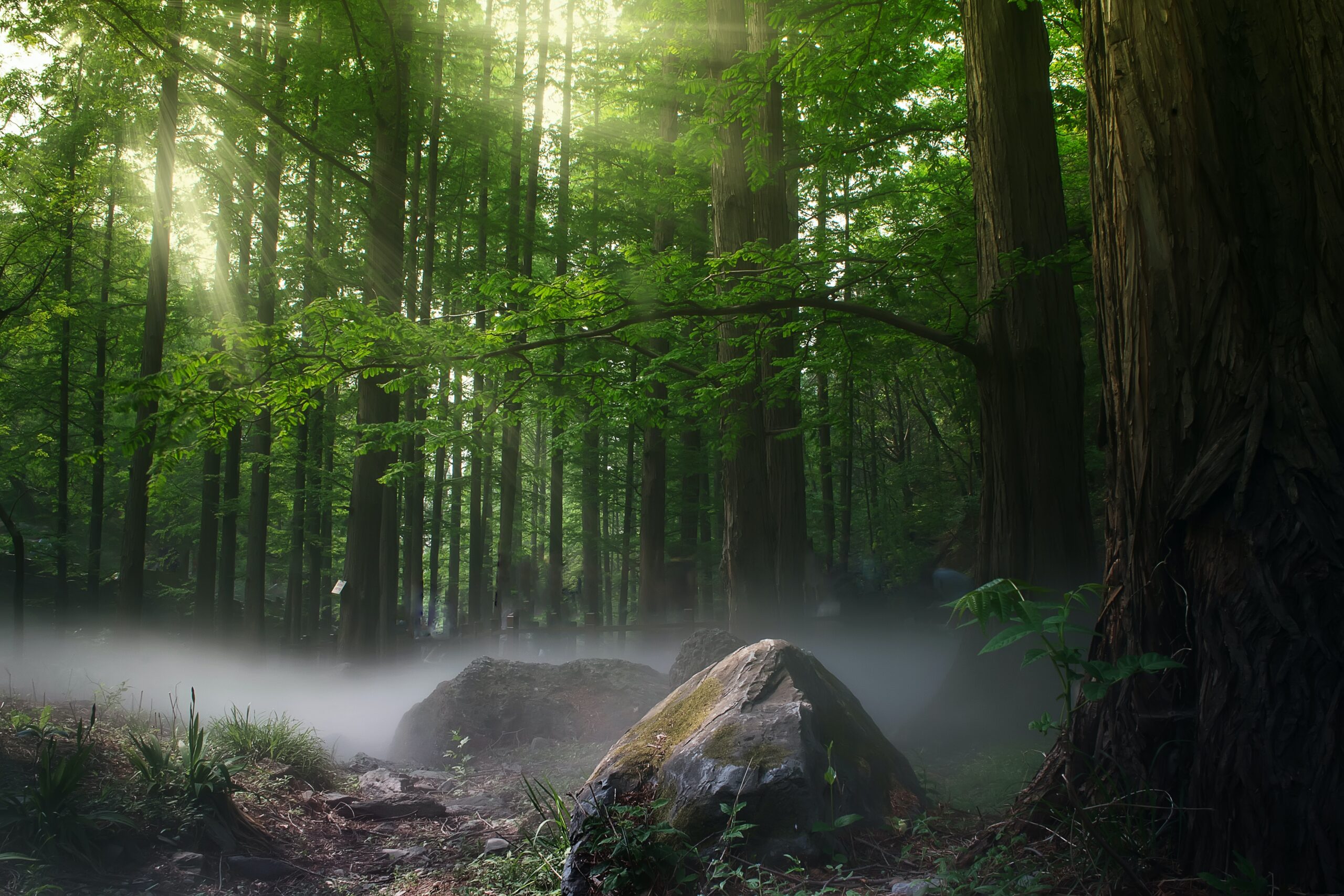
 Kia ora, friends—imagine wandering through a Taranaki bush, tūī song weaving through kauri, but picture instead a Western Ghats grove, where tulsi blooms under a banyan’s shade, or a Bhopal lab, where botanists map forest genes under fluorescent hum. This is the 64th root in our 100-article journey through Bharat Is Not for Beginners, a remarkable trek that’s unveiled a land of vibrant legacies and bold stewardship. Now, we’re wandering back into Bharat’s sacred grove—its forest traditions and living greens—where every leaf, every van, is a taonga, a treasure grown from Vedic aranyas to modern sanctuaries. This isn’t just about trees; it’s Bharat nurturing its whakapapa with reverence and resilience.
Bharat doesn’t approach its forests with a reckless axe—it tends them with devotion and wisdom. Its sylvan kaupapa isn’t a barren tale; it’s a vibrant hui, a gathering of rituals, livelihoods, and innovations that stretch from the sacred yajna’s samidha—firewood offerings—to the eco-projects of today’s reserves. This land is a living aranya, a verdant ticker that’s sheltered its people through harvests, rites, and challenges with a profound respect for nature and spirit. This isn’t for those after a quick hike—it’s an exploration of a civilisation that’s made its forests a remarkable legacy, a grove that binds its past to its present with vitality and care.
The Vedic Root: Forests’ Sacred Beginnings
Let’s step back to 1500 BCE, when forests were more than timber—they were divine. The Rigveda hails Vanaspati—lord of forests—as rta’s guardian, its samidha—palasha and sandalwood—fuel for yajna fires, a homam offering to Agni. Aranya—wilderness—was tapasya’s home, where rishis meditated under ashvattha trees, their shade a mantra for Brahman. Atharvaveda blessed herbs—tulsi, neem—for vaidya healing, their roots tied to jyotisha moons.
By 600 BCE, Aranyakas—forest texts—taught Upanishadic wisdom in van retreats, their chants a sadhana to atman. Ramayana set Rama’s exile in Dandaka woods, its banyans a dharma refuge. Arthashastra, around 300 BCE, regulated van use—teak for chariots, sal for beams—taxing honey while planting sacred groves. Charaka Samhita listed ashwagandha for strength, a yajna-grown rasayana.
This wasn’t mere forestry—it was aranya-kala, the art of groves. Forest-keepers weren’t just wardens; they were vanarakshakas, bearers of sacred green, their vans a hui that linked Bharat’s spirit to its roots and canopies with a sage’s reverence and a deep wairua, a spiritual grove that endures.
A Whānau of Greens: Forests Across the Land
Bharat’s forest traditions form a whānau, a family of vans, each region rooted in its own green. In Uttarakhand, Kedarnath’s deodar groves host Shiva tirthas, their needles a bhakti taonga for pandits. Down south, Karnataka’s Western Ghats shelter sandalwood, its scent a Chola puja for temples. Bengal’s Sundarbans mangrove sal guards tigers, a delta hui for Bonbibi rites.
Rajasthan’s Aravali khejri trees shade Bishnoi villages, an ahimsa rta for antelope. Gujarat’s Gir teak cradles lions, a Jain sanctuary for sangha. Kerala’s Silent Valley blooms orchids, its tribal herbs a coastal dharma for vaidyas. Punjab’s shisham lines canals, its baisakhi shade a Sikh shanti.
Odisha’s Simlipal sal forests host Santhali hunts, their barks a Jagannath chant. Assam’s Kaziranga bamboo shields rhinos, a Brahmaputra van for Bihu flutes. Maharashtra’s Sahyadri mahua feeds Warli brews, a tribal rta for harvests. Kashmir’s chinar glows Sufi red, a Himalayan nada, while Andaman’s padauk carves Jarawa bows, a tidal kala. From Ladakh’s willows to Madhya Pradesh’s teak, Bharat’s forests are a whānau—lush, sacred, and truly impressive, each a leaf in the land’s verdant soul.
Sylvan Mana: Forests Meet Spirit
Bharat’s forests carry mana—sacred essence rooted in every van. Aranya isn’t just woodland; it’s dharma, nurturing atman with rta’s balance, every banyan a homam prayer for shanti. Tulsi’s leaves are Vishnu’s prasadam, a tika to Brahman. Sacred groves—dev-vans—guard devi shrines, a yajna vow for prithvi.
Festivals weave this mana—Vana Mahotsav plants neem saplings, their shade a jyotisha rta. Nag Panchami honours snakes in bamboo vans, a tala for naga deities. Even daily life reflects it—adivasis offer mahua to ancestors, mothers dry tulsi for chai, a rta-guided warmth. Ayurveda brews arjuna bark for hearts, a sadhana in every root.
Jain monks spare fig trees for ahimsa, their groves a sangha shelter. Tribal Bheels in Rajasthan carve totem stumps, a pre-Vedic aranya-kala alive in chants. Forests weren’t just green here—they were wairua, a sacred hui tying Bharat’s spirit to its canopies and creepers, a living nada brahma in rustle and bloom.
The Global Hui: Greens Reach Out
Bharat’s forest wisdom didn’t stay shaded—it branched far. By 200 BCE, sandalwood sailed to Persia, its scent a van taonga for Zoroastrian fires. Sangam teak built Chola ships to Java, a kala for Borobudur beams. Gupta herbs—ashwagandha—healed Greek physicians, a vaidya root gone global.
British colonials pinched sal for railway sleepers, a Vedic timber in Victorian tracks. Today, it’s a global hui—NZ’s rewilding projects, like Tāne’s Tree Trust, echo Bishnoi khejri care, a Vedic twist on Māori rākau. In Wellington, botanists study Sundarbans mangroves, while Auckland’s eco groups cite Silent Valley biodiversity.
From UN REDD+ forums praising Simlipal conservation to Dunedin’s native planting talks, Bharat’s greens are a friend—sacred, vital, and truly far-reaching, a Vedic van sheltering the global whānau’s shade.
The Modern Rāka: Greens Keep Growing
Colonial times tried to fell it—British timber camps razed vans—but Bharat’s forests held firm. Post-1947, the waka turned with care. Chipko Movement, from 1973, hugged Himalayan oaks, a satyagraha for aranya. Forest Conservation Act, 1980, guards Sundarbans mangroves, a dharma-driven rta for tigers.
Agroforestry in Karnataka plants sandalwood with coffee, a Chola kala gone green. IIT drones in Bhopal map teak canopies, a jyotisha for monsoons. Eco-tourism in Kaziranga funds bamboo nurseries, a van for rhinos. Adivasi co-ops in Odisha sell mahua oil, a tribal sadhana for livelihoods.
Kiwi friends see the spark—Auckland’s Matuku Link mirrors Western Ghats rewilding, Wellington’s Zealandia nods Gir’s sanctuary. It’s not a relic—it’s a live rāka, Bharat’s sylvan mana growing from Vedic dev-vans to carbon sinks, a van that keeps rooting.
Why the Grove Stays Sacred
What keeps these forests alive? Bharat’s devotion runs deep—nanas plant tulsi in courtyards, tamariki gather neem for puja. Vanarakshakas guard aranya-kala like treasures, passing down sacred grove rites with a Hurricanes ruck’s focus. It’s Vedic at its core—rta’s balance, dharma’s care, still hold it tapu, a sacred trust unbroken.
Communities keep it lush—adivasi van sabhas, urban tree drives, temple tulsi gardens. UNESCO’s marked Western Ghats as heritage, but it’s the people who uphold the kaupapa—planting banyans in villages, mapping herbs in labs, teaching van care to the next wave. It’s not just forest—it’s whakapapa, a van Bharat’s revered since the rishis meditated under ashvattha, a grove that stands verdant.
Why It’s a Nurturing Yarn
Why wander back into Bharat’s sacred grove? Because it’s a nurturing yarn—greens that shelter, heal, and endure, a remarkable tale that deserves a deep breath. It’s taonga—vans older than the Treaty waka, tulsi glowing with Vedic fire—and it’s alive, rooting from Kaikoura’s shores to anywhere life matters. For us in Aotearoa, it’s a hui—plant a neem, rest in banyan shade, catch Bharat’s spark in every leaf.
This grove bridges worlds—past and present, aranya and lab, Bharat and beyond. It’s in the sandalwood that scents a puja, the mahua that feeds a tribe, the deodar that lifts a prayer. It’s not just forests; it’s wairua, a spiritual force, and Bharat’s got it growing strong, a van that invites us all to tend, to protect, to join the green.
Excerpt
That’s 64 roots in our 100-article rāka of Bharat Is Not for Beginners, and Bharat’s still growing—a land of remarkable gifts. Keep your trowel ready as we tend more of its taonga. Join us tomorrow for Article 65: “Bharat Is Not for Beginners – The Sacred Dance Returns Again: Bharat’s Dance Traditions and Living Rhythms”, where we’ll sway back into the movements that pulse a civilisation’s spirit.