 Vincent Mathews
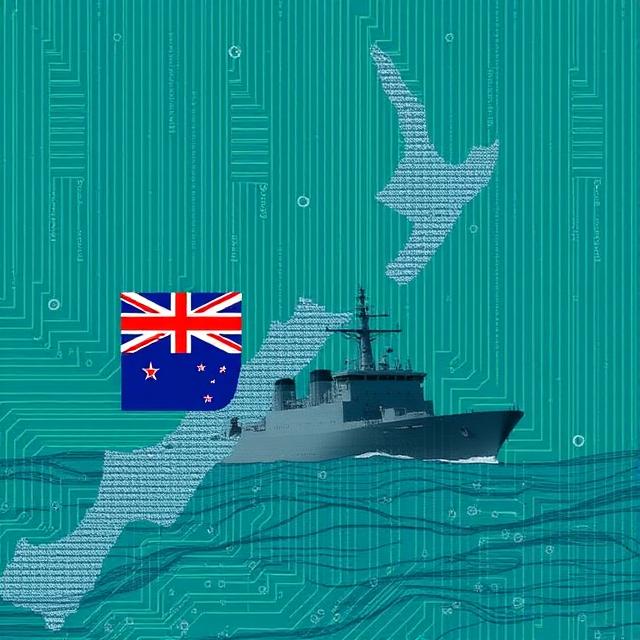
 In a rare and unexpected technological incident, large parts of New Zealand’s North and South Islands experienced widespread internet and radio outages after the Australian Navy’s flagship, HMAS Canberra, sailed along the coast en route to Wellington. The event, which unfolded in the early hours of Wednesday, triggered confusion among residents, businesses, and broadcasters, with many initially suspecting a cyberattack or major infrastructure failure. Instead, the culprit turned out to be military-grade radar—an unintentional side effect of a visiting ally’s routine operations.
This article provides a comprehensive account of the incident, the technical details behind the disruption, the response from authorities and the public, and what it reveals about the vulnerabilities of modern communications infrastructure.
The Incident: A Night of Digital Silence
Timeline of Events
The disruption began around 2 am, when internet and radio signals in regions from Taranaki to Marlborough started dropping out. Residents noticed their Wi-Fi connections failing, while small radio stations went off air. By dawn, the outages had affected thousands of homes and businesses, with fixed wireless broadband providers and FM radio stations among the hardest hit.
As the day progressed, reports of outages spread across social media and local news outlets. Internet service providers scrambled to diagnose the problem, ruling out weather, cyberattacks, and equipment failures. It soon became clear that the outages were moving in tandem with the progress of a large vessel off the coast—a vessel identified as HMAS Canberra, the Royal Australian Navy’s largest ship.
The Cause: Military Radar Meets Civilian Frequencies
The root of the problem was the ship’s navigation radar, which operates in the 5 GHz frequency band. This band is also used by civilian Wi-Fi, Bluetooth, and digital radio systems in New Zealand. When HMAS Canberra’s powerful radar swept the coastline, it triggered the built-in safety protocols—known as Dynamic Frequency Selection (DFS)—in local wireless networks. DFS is designed to prevent interference with radar by forcing Wi-Fi devices to vacate the channel when radar signals are detected.
In this case, the radar’s strength and persistence caused widespread shutdowns of wireless access points, taking entire networks offline. The effect was particularly pronounced for rural broadband providers who rely heavily on the 5 GHz band to deliver internet to remote areas.
Technical Analysis: How Did This Happen?
Shared Spectrum and DFS
The 5 GHz band is an “unlicensed” spectrum, meaning it is open for use by both civilian and certain military applications. To prevent conflicts, devices are required to detect radar signals and automatically switch channels—a process managed by DFS. While this system works well under normal circumstances, the sheer power of military radar can overwhelm local networks, causing mass dropouts.
The Scale of the Disruption
Providers such as Primo in Taranaki, Inspire Net in Manawatū, and TPNet in Nelson all reported outages as the ship passed their regions. The outages were not mere blips but full-scale network shutdowns, with access points dropping offline in sync with the ship’s movement. Radio stations, including Brian FM, were forced to switch to backup systems or go off air entirely.
Matthew Harrison, managing director of Primo, described the event as “the full power of military-grade radar,” noting that such an incident had never been seen before in New Zealand.
Why Did It Affect So Many?
The incident exposed a critical vulnerability: New Zealand’s heavy reliance on the 5 GHz band for rural broadband and radio. In urban areas, fibre and mobile networks provided some redundancy, but in rural communities, the loss of wireless broadband meant a near-total communications blackout.
The Response: From Confusion to Clarity
Immediate Actions
Once the source of the disruption was identified, the Australian Defence Force issued a statement acknowledging the issue. They confirmed that HMAS Canberra’s radar had caused interference and that, upon realising the impact, the crew immediately changed the radar’s operating frequency. This action restored normal service within hours, preventing a prolonged outage.
New Zealand’s Radio Spectrum Management department also confirmed the cause, noting that the affected frequency band is a shared spectrum used for both public and military purposes.
Public and Provider Reactions
The incident was met with a mix of frustration, humour, and relief. On social media, affected businesses and residents shared their experiences, with some joking about sending the Australian Navy a bill for lost connectivity. Others saw the lighter side, with radio stations quipping that the Aussies must have wanted to “tune in to the good music.”
Despite the inconvenience, the tone remained largely good-natured—a reflection of the close relationship between the two countries. There were no reports of major emergencies or critical failures as a result of the outage, though some transport operators and businesses faced significant disruption during the blackout.
Broader Implications: Infrastructure, Security, and Resilience
Infrastructure Vulnerabilities
The incident highlighted the fragility of New Zealand’s rural broadband infrastructure, especially its dependence on unlicensed spectrum. While DFS protocols are designed to protect both civilian and military operations, the event showed that powerful radar can still cause widespread disruption.
Industry experts and providers called for a review of spectrum allocation and the accelerated release of new frequency bands, such as 6 GHz, to reduce the risk of future conflicts. There were also calls for improved backup systems and greater investment in fibre and mobile networks to provide redundancy in rural areas.
International Relations and Protocols
In most parts of the world, such an incident might have sparked diplomatic tensions. However, the response in New Zealand and Australia was marked by pragmatism and humour. Both governments treated the disruption as an honest mistake, with the Australian Navy’s quick action and public acknowledgment helping to defuse any potential friction.
The event also served as a reminder of the need for clear communication and coordination when military vessels operate near civilian infrastructure, especially in countries with shared spectrum use.
Lessons for the Future
For policymakers, the incident underscored the importance of:
- Spectrum Management: Ensuring that critical civilian services are protected from interference, especially as reliance on wireless networks grows.
- Redundancy and Resilience: Investing in alternative technologies and backup systems to maintain connectivity during unexpected disruptions.
- International Coordination: Establishing protocols for notifying local authorities when military operations might impact civilian systems.
The Human Side: Stories from the Outage
Rural Communities Hit Hard
In regions like Taranaki and Marlborough, the sudden loss of internet and radio was more than an inconvenience—it was a reminder of how vital connectivity has become for daily life. Farmers, small businesses, and schools all rely on wireless broadband for everything from weather updates to online learning and financial transactions.
For some, the outage meant lost business and missed deadlines. For others, it was a chance to unplug and take a break from the digital world, if only for a few hours.
Radio Silence
Local radio stations, especially those serving rural audiences, were among the most affected. Many had to switch to backup systems or go silent until the interference passed. For listeners, the silence was a rare and unsettling experience, highlighting the enduring importance of radio in remote communities.
A Learning Opportunity
Despite the disruption, many saw the incident as a valuable learning experience. Providers gained insights into the vulnerabilities of their networks, while the public was reminded of the invisible infrastructure that powers modern life.
The Australian Navy’s View: Technology at Sea
Advanced Capabilities
HMAS Canberra is one of the most advanced ships in the Royal Australian Navy, equipped with state-of-the-art radar and communications systems. The vessel’s navigation radar, designed for maritime safety and situational awareness, operates in frequency bands shared with civilian applications.
The Australian Navy has recently invested in new internet capabilities for its fleet, including satellite-based systems that allow sailors to stay connected with family and community while at sea. These upgrades are part of a broader effort to improve quality of life and operational effectiveness for naval personnel.
Commitment to Minimising Impact
Following the incident, the Australian Defence Force reiterated its commitment to minimising the impact of military operations on civilian infrastructure. The quick adjustment of radar frequencies and transparent communication with New Zealand authorities demonstrated a proactive approach to resolving the issue.
Social Media and Public Discourse
Humour and Solidarity
Social media platforms in both countries were abuzz with jokes, memes, and good-natured ribbing. Many compared the incident to past sporting rivalries or historical events, with some referencing the infamous underarm bowling incident as a tongue-in-cheek “first act of war.”
Others took the opportunity to reflect on the close ties between Australia and New Zealand, noting that while they may compete fiercely on the rugby field, they stand together as allies in times of need.
Technical Debates
The incident also sparked technical discussions about spectrum management, the limitations of DFS, and the challenges of balancing military and civilian needs. Some questioned why New Zealand’s infrastructure was so vulnerable to interference, while others called for greater investment in resilient technologies.
Moving Forward: What’s Next for New Zealand’s Connectivity?
Industry and Government Response
In the wake of the outage, New Zealand’s telecommunications industry and government agencies are reviewing protocols for spectrum use and emergency response. There is renewed urgency to:
- Accelerate the rollout of fibre and 5G networks in rural areas.
- Expand the allocation of new frequency bands to reduce congestion and interference risks.
- Develop contingency plans for future incidents, including better communication between military and civilian authorities.
Public Awareness
The incident has raised public awareness about the complexities of modern communications infrastructure and the importance of robust, redundant systems. It has also highlighted the need for ongoing investment in technology and training to keep pace with evolving challenges.
Summary
The accidental disruption of New Zealand’s internet and radio by the Australian Navy’s HMAS Canberra was a rare but revealing event. While the outage caused significant inconvenience, it also provided valuable lessons about the vulnerabilities of shared spectrum, the importance of resilience, and the strength of trans-Tasman ties. As both countries move forward, the incident serves as a reminder that even in an age of advanced technology, cooperation, transparency, and good humour remain essential to navigating the challenges of an interconnected world.