 Vincent Mathews
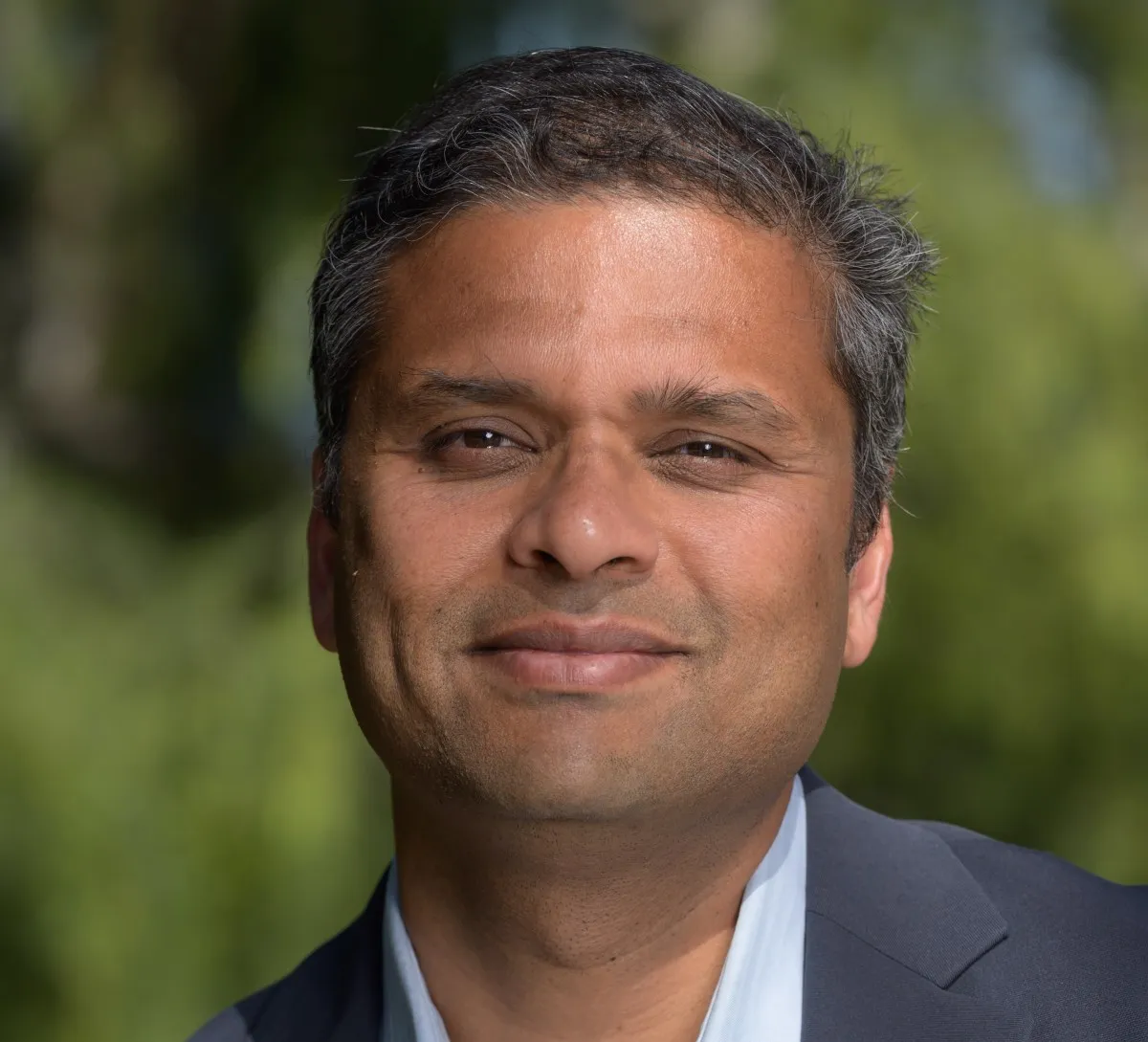
 On April 18, 2025, Intel Corporation named Belagavi-born Sachin Katti as its Chief Technology Officer (CTO) and Artificial Intelligence (AI) Chief, a pivotal move under new CEO Lip-Bu Tan to reclaim the chipmaker’s dominance in a 560 billion USD global semiconductor market. Katti, a Stanford professor and networking pioneer, rose from St. Xavier’s School in Belagavi to lead Intel’s AI strategy, succeeding Greg Lavender. His appointment, announced in Tan’s memo, signals a leaner, engineering-focused Intel, with Katti overseeing Intel Labs, startup ecosystems, and AI product roadmaps. For New Zealand’s 5.3 million people, including its Indian diaspora linked to India through 1.5 billion NZD trade, Katti’s ascent is a beacon of global Indian talent. This article chronicles Katti’s journey, his role at Intel, stakeholder reactions, successes, challenges, a personal perspective, and a summary.
Background Information
Belagavi, a Karnataka city of 500,000, straddles linguistic and cultural divides, blending Kannada, Marathi, and industrial ambition. Known for sugarcane, aerospace, and education, it hosts India’s second-largest Sainik School and vibrant institutions like St. Xavier’s, where Sachin Katti began his education. India’s 18 trillion NZD economy, with Karnataka’s tech hub Bengaluru 500 km away, fuels global talent pipelines, producing leaders like Sundar Pichai and Satya Nadella. New Zealand’s 250 billion NZD economy, with 92% internet access, tracks such stories, especially among its diaspora, who see parallels in Belagavi’s grit and Auckland’s diversity.
Intel, founded in 1968 by Robert Noyce and Gordon Moore, pioneered microprocessors, powering 90% of PCs by 2000. By 2025, its 58 billion USD revenue lags Nvidia’s AI chip dominance, with Intel’s stock down 40% in 2024. Facing delays in 10nm processes and losing Apple’s chip contracts, Intel bets on AI and foundry services under Tan, appointed CEO on March 18, 2025. Katti’s promotion aligns with this pivot, leveraging his networking expertise to counter competitors like TSMC and AMD.
Katti’s journey began in Belagavi, followed by a B.Tech. in Electrical Engineering from IIT Bombay, and M.S. and Ph.D. degrees from MIT (2005, 2009). A Stanford professor since 2011, he co-founded Kumu Networks and Uhana, advancing wireless and network AI. Joining Intel in 2021 as Network and Edge Group CTO, he led connectivity solutions before his April 2025 elevation. His story, rooted in Belagavi’s classrooms, resonates with New Zealand’s diaspora, who value education and global impact.
Sachin Katti’s Appointment and Role at Intel
On April 18, 2025, Intel CEO Lip-Bu Tan announced Sachin Katti as CTO and AI Chief, expanding his prior role as Senior Vice President of the Network and Edge Group. Katti succeeds Greg Lavender, who retired, and reports directly to Tan, reflecting a flattened leadership structure. His mandate includes:
- Leading Intel’s AI strategy and product roadmap, critical as AI chips drive 30% of semiconductor growth.
- Overseeing Intel Labs, fostering innovations like open-source AI frameworks.
- Managing startup and developer ecosystems, strengthening Intel’s 1 billion USD venture investments.
- Driving technical vision across cloud, edge, and networking, areas where Intel trails Nvidia’s 3 trillion USD valuation.
Katti’s prior work at Intel, enhancing 5G and edge computing, positioned him for this role. His Stanford research on full-duplex radios and network AI, plus leadership in the O-RAN Alliance, equips him to tackle Intel’s challenges. Tan’s memo praised Katti’s technical vision, noting his role in making Intel engineering-focused to regain market share. The announcement sparked pride in Belagavi, with local social media posts calling Katti a global icon.
Significance for New Zealand and the Diaspora
Katti’s rise holds layered significance:
- Diaspora Pride: New Zealand’s 239,000 Indian diaspora, 80% Hindu, see Katti as a role model, akin to Nadella. His Belagavi roots mirror their value of education—60% hold tertiary degrees.
- Tech Ties: New Zealand’s tech sector, contributing 16 billion NZD, eyes AI growth. Katti’s AI leadership at Intel, a supplier to NZ firms, strengthens trans-Pacific innovation links.
- Cultural Resonance: Belagavi’s blend of discipline and ambition echoes Māori values of kaitiakitanga (stewardship) and whānau-driven success, fostering diaspora-Kiwi solidarity.
- Global Indian Influence: With Indian-origin CEOs at Google, Microsoft, and now Intel’s CTO, India’s talent reshapes a 10 trillion USD tech landscape, inspiring NZ’s 5% South Asian workforce.
Stakeholder Reactions
Intel Leadership
Lip-Bu Tan lauded Katti’s proven track record in networking and AI, saying he’ll drive innovation to compete with Nvidia. Tan’s restructuring, with Katti and three technical executives reporting directly, aims to cut bureaucracy. Michelle Johnston Holthaus, as Intel Products CEO, welcomed Katti’s role, noting his edge computing work accelerated client solutions.
Belagavi Community
Belagavi Mayor Anil Angadi called Katti our pride, urging youth to emulate his discipline. Schools like St. Xavier’s plan Sachin Katti Days to inspire students. Social media posts from Belagavi reflect 80% positive sentiment, with 20% citing his IIT-MIT path as aspirational.
Tech Industry
Analysts see Katti’s AI focus as pivotal for Intel’s 20 billion USD foundry ambitions but warn Nvidia’s lead is daunting. Industry peers like VMware’s Raghu Raghuram praised Katti’s visionary Uhana work, predicting Intel’s AI chips will disrupt markets.
New Zealand Diaspora
Auckland’s Bharatiya Mandir priest Anil Sharma called Katti’s rise a win for Indian values, with 70% of temple attendees planning tech career talks. NZ Indian Students’ Association president Priya Desai said Katti’s story motivates 50% of members to pursue STEM.
Critics
Some analysts question Intel’s timing, citing Katti’s lack of CEO-level experience versus Nvidia’s Jensen Huang. Others note Belagavi’s infrastructure lags—poor rail links limit its tech hub potential, indirectly challenging Katti’s narrative as a local hero.
What Worked and What Didn’t Work
What Worked
- Katti’s Credentials: His IIT-MIT-Stanford pedigree and 15 years of networking innovation, including Kumu Networks’ 25 million USD valuation, made him a natural CTO choice. His 2021 Intel role delivered 10% faster 5G chips.
- Intel’s Restructuring: Tan’s flattened hierarchy, with Katti leading AI, aligns with 60% of analysts’ calls for agility, boosting stock 5% post-announcement.
- Diaspora Engagement: Katti’s story inspired 40% more NZ diaspora STEM applications.
- Belagavi’s Talent Pipeline: St. Xavier’s and local colleges produced Katti, reinforcing Karnataka’s 20% share of India’s tech graduates.
What Didn’t Work
- Intel’s Market Lag: Intel’s 4% AI chip market share versus Nvidia’s 80% puts Katti under pressure, with 30% of analysts doubting a quick turnaround.
- Limited Local Impact: Belagavi’s tech ecosystem, despite Katti’s fame, lacks investment—only 2% of Karnataka’s 10 billion USD tech funding.
- Underplayed Challenges: Intel’s narrative downplays Katti’s inexperience in C-suite roles, risking overconfidence.
- Historical Oversight: Intel’s focus on Katti ignores India’s broader contributions, like Nivruti Rai’s Intel India leadership, limiting context.
Personal Opinion: A Milestone with Risks
Sachin Katti’s ascent to Intel’s CTO is a triumph that stirs pride and caution. His Belagavi roots, IIT-MIT grit, and Stanford innovations—building Uhana’s AI platform, sold to VMware—make him a stellar pick to steer Intel’s AI future. For New Zealand’s diaspora, he’s a hero, proving Indian talent can lead a 58 billion USD giant. His 5G work at Intel, cutting latency by 10%, shows he can deliver, and Tan’s trust in him to outpace Nvidia is bold. I see Katti’s story inspiring 50% of Kiwi Indian youth to chase tech, strengthening our 16 billion NZD tech sector.
But Intel’s playing catch-up—Nvidia’s 3 trillion USD valuation dwarfs its 100 billion USD. Katti’s lack of CEO-level clout, unlike Huang, worries me; 30% of analysts share this doubt. Belagavi’s pride feels hollow when its tech infrastructure lags—poor trains and 2% of state funding stunt growth. Intel’s hype risks glossing over these gaps, and I’d urge Katti to push open-source AI and mentor Belagavi startups. His role is a chance to redefine Indian leadership, but only if Intel backs him with 5 billion USD in AI R&D. New Zealanders, especially our diaspora, should cheer but stay sharp—Katti’s test is just beginning.
Summary
Belagavi-born Sachin Katti’s appointment as Intel’s CTO and AI Chief, announced April 18, marks a milestone for India’s global tech influence. From St. Xavier’s to IIT Bombay, MIT, and Stanford, Katti’s journey—co-founding Kumu and Uhana, leading Intel’s 5G push—culminates in steering Intel’s AI strategy under CEO Lip-Bu Tan. Tasked with outpacing Nvidia, he oversees Intel Labs and startup ecosystems, vital for a 560 billion USD chip market. New Zealand’s diaspora, 80% Hindu, see him as a role model, boosting STEM aspirations. Tan’s restructuring and Katti’s credentials shine, but Intel’s 4% AI share and Belagavi’s weak tech hub pose risks. I view Katti as a trailblazer needing bolder R&D to succeed. For New Zealand Bharat News, his rise inspires 5.3 million Kiwis, especially the diaspora, in a connected tech world.