 Vinay Karanam
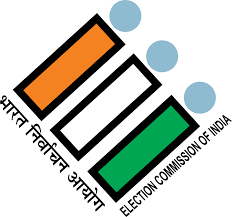
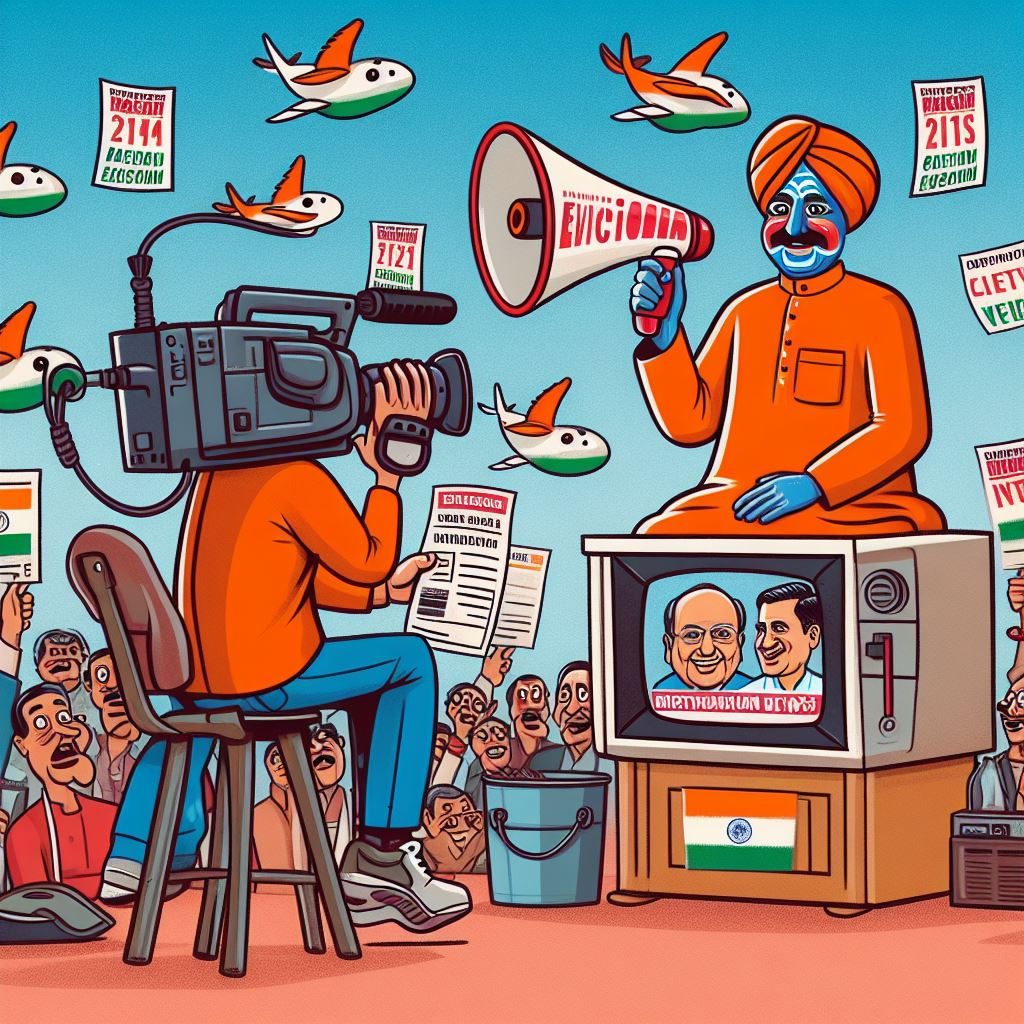
 India, the world’s largest democracy, is gearing up for its next general election scheduled from April 19, 2024, to June 1, 2024. As the nation prepares to cast its votes, the digital landscape has become a battleground for information, misinformation, and propaganda. Foreign news media, social platforms, and political parties are all players in this high-stakes game.
The Rise of Social Media
With rising internet penetration and affordable data plans, social media has emerged as a powerful tool for political mobilization. During the 2019 general election, approximately one-third of the voting population had access to social media. While the direct electoral impact of social media campaigns remains hard to quantify, it has fundamentally transformed how voters and political parties engage in the electoral process.
Misinformation and Disinformation
Election-related misinformation and disinformation thrive through various channels. A research paper analyzing the 2019 election season revealed that false information was systematically disseminated by major parties against their opponents. Topics ranged from electoral campaigns and corruption to religion, celebrity, nationalism, and development.
Deepfakes: A New Threat
Deepfakes, manipulated media generated by artificial intelligence, have entered the political arena. These videos convincingly portray individuals saying or doing things they never did. During the 2023 elections, political parties reportedly circulated deepfake content on WhatsApp and social media platforms. For instance, a video featured a leader from Telangana urging people to vote for his rival party.
Social Media’s Role
A recent survey reported the role of social media in amplifying misinformation. The large user base in India ensures rapid dissemination of manipulated content intended to mislead readers and viewers.
Fact-Checking and Integrity
Independent fact-checking platforms have been playing a crucial role in debunking false narratives. Ironically some fact checking platforms were themselves involved in spreading fake news. However, misinformation continues to impact election integrity, distort voters’ awareness, and create echo chambers. Reliable information is often replaced by sensationalized or misleading content.
Regulatory Challenges
As India navigates these competing forces, regulatory challenges loom large. Striking a balance between free speech and curbing misinformation is critical. The future and health of Indian democracy depend on how effectively the nation addresses this digital onslaught.
The battle against fake news and propaganda in Indian elections is far from over. As voters head to the polls, discernment and media literacy become essential tools to safeguard democracy. Let us remain vigilant and uphold the integrity of our electoral process.