



 Mahesh Sahu
 By Mahesh Sahu | NZB News | 27 April 2025
Background
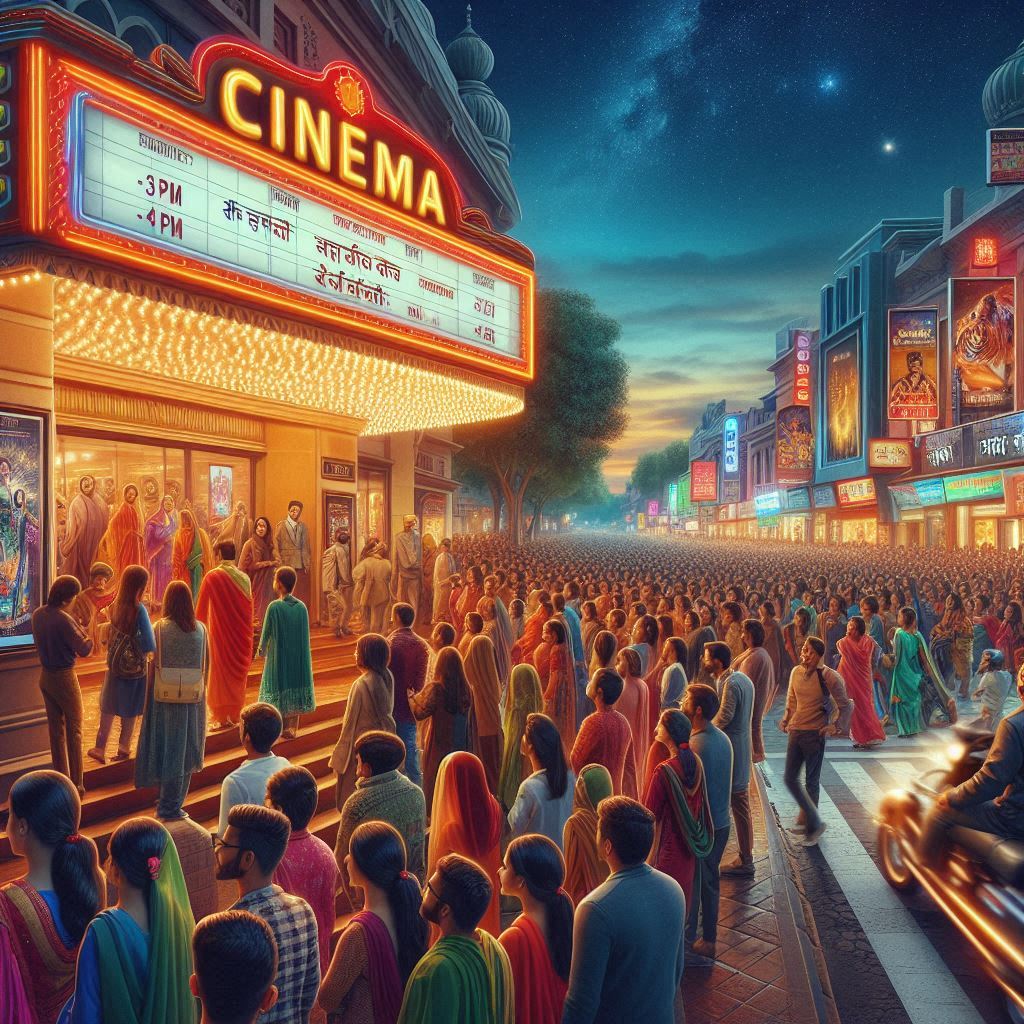
Cinema has always been a window into a culture’s soul — its hopes, struggles, dreams, and contradictions. In New Zealand, Indian cinema, once confined largely to niche community screenings and ethnic television channels, has now found a new and powerful home: OTT streaming platforms.
Bollywood, Tollywood, and indie Indian films are captivating Kiwi audiences like never before, offering stories that are universal in emotion yet richly textured in tradition.
The rise of Indian content in New Zealand’s digital entertainment space is not just a trend — it signals a deeper shift in how global culture is being consumed, understood, and celebrated.
A Streaming Revolution
With the explosion of platforms like Netflix, Amazon Prime Video, Disney+ Hotstar, and more regionally-focused services such as ZEE5 and SonyLIV, Indian content has become easily accessible to audiences across New Zealand.
And audiences are responding enthusiastically:
- Subtitles and dubbing options make Indian films accessible beyond just the Indian diaspora.
- Genres like thrillers (Sacred Games), period dramas (Baahubali), contemporary romances (The Lunchbox), and even indie arthouse gems (Court, Sir) are gaining non-Indian fan bases.
- Short-form content like web series (Made in Heaven, Paatal Lok) are binge-watched just as fiercely as global hits.
Why the Sudden Popularity?
Several factors contribute to this booming popularity:
- Universal Themes:
Stories of love, struggle, family, ambition, and resilience resonate across cultures. A small-town dreamer in Bihar mirrors a dreamer from rural Canterbury. - Production Values:
Indian films and series are now boasting world-class production standards — cinematography, direction, soundscapes, and visual effects rival the best in the world. - Diverse Narratives:
Indian cinema is no longer just about song-and-dance blockbusters. It now encompasses gritty realism, social commentary, feminist narratives, LGBTQ+ stories, and regional diversity. - Cultural Curiosity:
Post-pandemic, Kiwis have developed a greater appetite for global storytelling, seeking narratives that offer fresh perspectives. - Star Power:
Indian actors like Priyanka Chopra Jonas, Dhanush, and Alia Bhatt are increasingly recognised internationally, bridging familiarity for Kiwi audiences.
Community and Mainstream Crossovers
- Public Screenings:
Indian films now regularly feature in New Zealand’s major film festivals like the NZIFF (New Zealand International Film Festival), and cities like Auckland and Wellington host Bollywood Nights that attract multicultural audiences. - University Film Clubs:
Academic institutions are hosting film nights showcasing Indian cinema to explore topics like postcolonialism, gender dynamics, and migration. - Indian Film Awards NZ:
A growing number of Indian-origin New Zealanders working in the local film and television industries are being recognised for their contributions.
Challenges and Opportunities
Despite the progress, challenges remain:
- Limited Representation:
Indian New Zealanders are still underrepresented in locally produced Kiwi films and TV shows. - Cultural Misinterpretations:
Without context, some narratives risk being misunderstood, or worse, stereotyped. - Niche to Mainstream Transition:
Indian content is still often labelled as “ethnic” rather than simply “cinema,” needing further normalisation in the general market.
However, the opportunity is massive: co-productions between Indian and Kiwi studios, more platforms commissioning local Indian Kiwi stories, and the increasing willingness of younger generations to tell bold, hybridised stories.
Summary
In the age of global streaming, stories know no borders.
Indian cinema, with its lush emotionality, dazzling diversity, and fierce innovation, has found an unexpected but enthusiastic new home in New Zealand’s entertainment landscape.
For Indian New Zealanders, it is a point of pride; for other Kiwis, it is an adventure into vibrant new worlds.
And for all of us, it is a timely reminder:
Good storytelling — heartfelt, honest, human — belongs to everyone.
Lights. Camera. Aroha.
The next scene is already playing.