


 Dorothy Brown
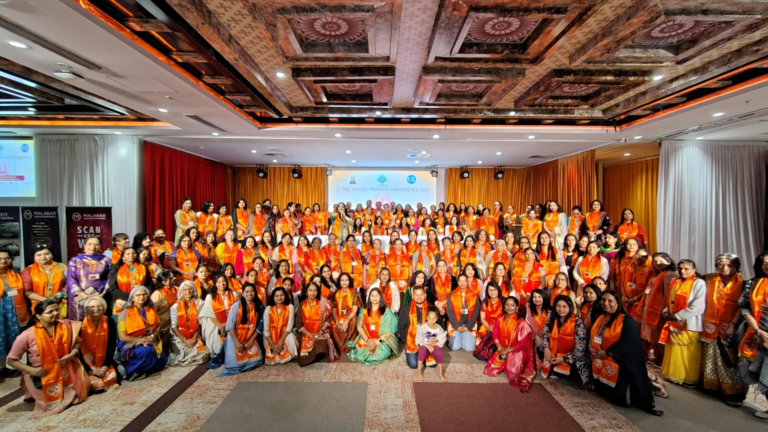
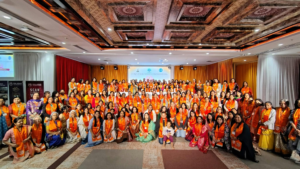
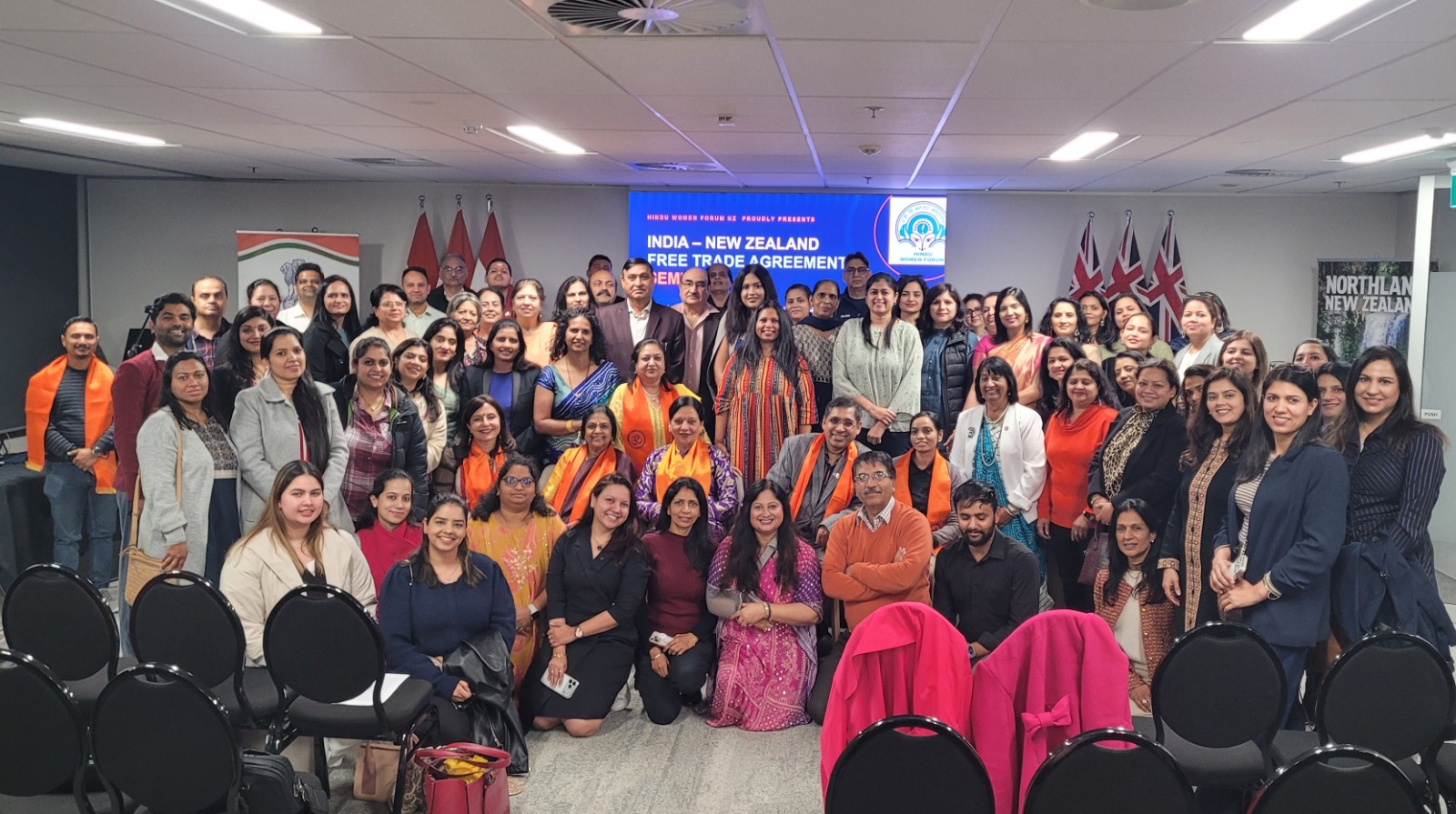
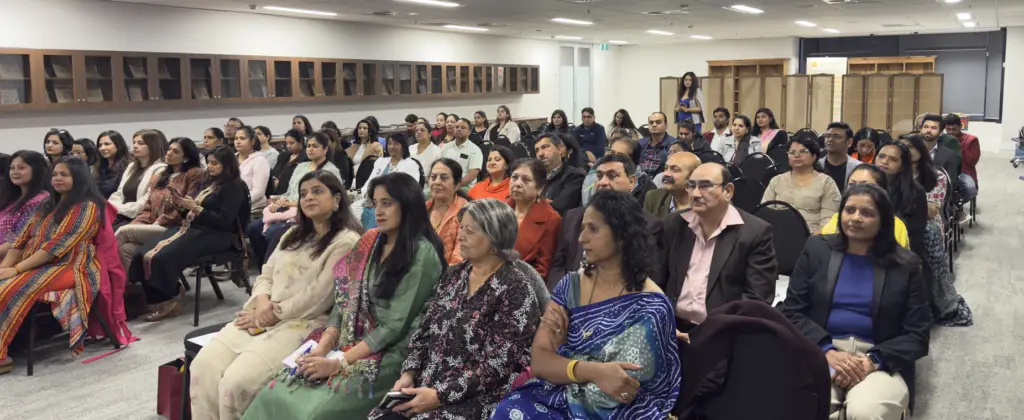
 Auckland — A landmark seminar exploring how women can lead the way under the newly signed New Zealand–India Free Trade Agreement drew an enthusiastic response from the community, with more than 180 people registering for the event.
The New Zealand Hindu Women Seminar was held on Sunday, 14 June 2026, at the Consulate General of India office, Level 14, SAP Tower, 151 Queen Street, in the Auckland CBD. The seminar was organised by the Hindu Women Forum, a service division of the Hindu Council of New Zealand, under the theme “Opportunities for Women Entrepreneurs, Businesses and Community Growth.”
The event brought together diplomats, leading trade economists, business leaders and community advocates to unpack what the recently concluded trade deal means for women-led enterprise, small business and intergenerational prosperity across both nations.
A Historic Agreement
The New Zealand–India Free Trade Agreement was signed on 27 April 2026, concluded in a record nine months. The agreement spans 20 chapters and more than 1,300 pages, with two-way trade currently valued at around NZ$3.95 billion annually. Under the deal, around 95 percent of New Zealand exports will gain tariff-free or sharply reduced access to the Indian market.
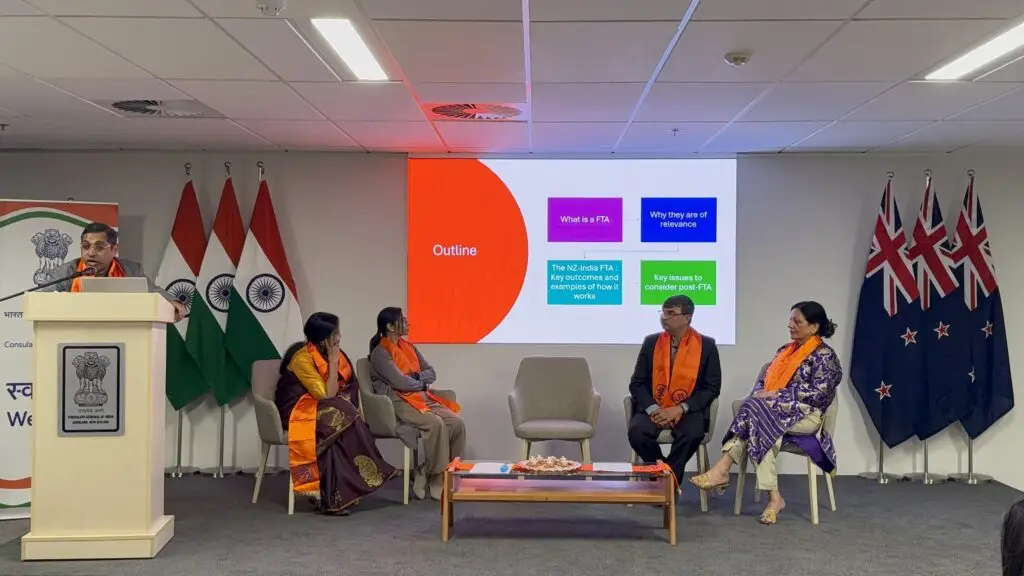
Trade economists Dr Rahul Sen and Dr Sadhana Srivastava of the Auckland University of Technology delivered a detailed session on the opportunity the agreement presents and how it adds value over the medium to longer term. They explained that, while the agreement has been signed, it still awaits legal ratification in Parliament.
The pair emphasised that the agreement goes well beyond goods. Once ratified, all products legally made in or originating from India will be able to enter New Zealand duty-free, while 30 percent of New Zealand-origin products will enter India duty-free immediately, with a further 40 percent attracting lower customs duties over staged timelines. They noted that most goods from India already attract no tariffs even without the agreement.
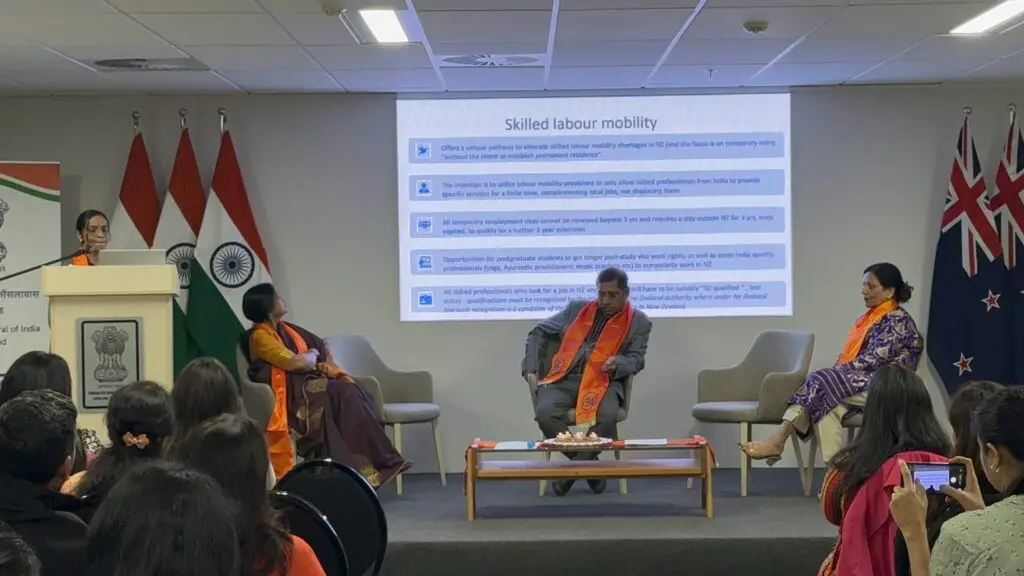
The economists explained the importance of rules of origin, which they described as “the passport-check for goods,” ensuring that third parties outside the agreement cannot free-ride on preferential access. They also highlighted the agreement’s strong focus on services, investment and skilled mobility, including a dedicated investment cooperation mechanism aimed at New Zealand investment of around USD 20 billion over 15 years, and a dedicated New Zealand investment desk to be set up by Invest India.
Notably, Dr Sen and Dr Srivastava called for greater women’s participation in New Zealand’s trade, urging the reduction of barriers around access to networks, finance and knowledge sharing, and the showcasing of success stories — a theme that resonated throughout the afternoon.
She Leads, Generations Rise
A highlight of the programme was the address by Ms Mallika Janakiraman, Founder and Chairperson of the Wahine Charitable Trust in Auckland, titled “She Leads, Generations Rise: Naari Shakti, NZ–India Trade, and Intergenerational Prosperity.”
Drawing on India’s “Amrit Kaal” vision — the period from 2022 to 2047 focused on the goal of a self-reliant India — Ms Janakiraman framed women’s leadership as a driving force for progress in both countries. She pointed to the fastest-growing opportunities across what she described as “Food, Fashion, Film and Fun,” spanning hospitality and beverages, entertainment and film, fashion and apparel, agri-food processing, wellness and nutraceuticals, and tourism experiences.
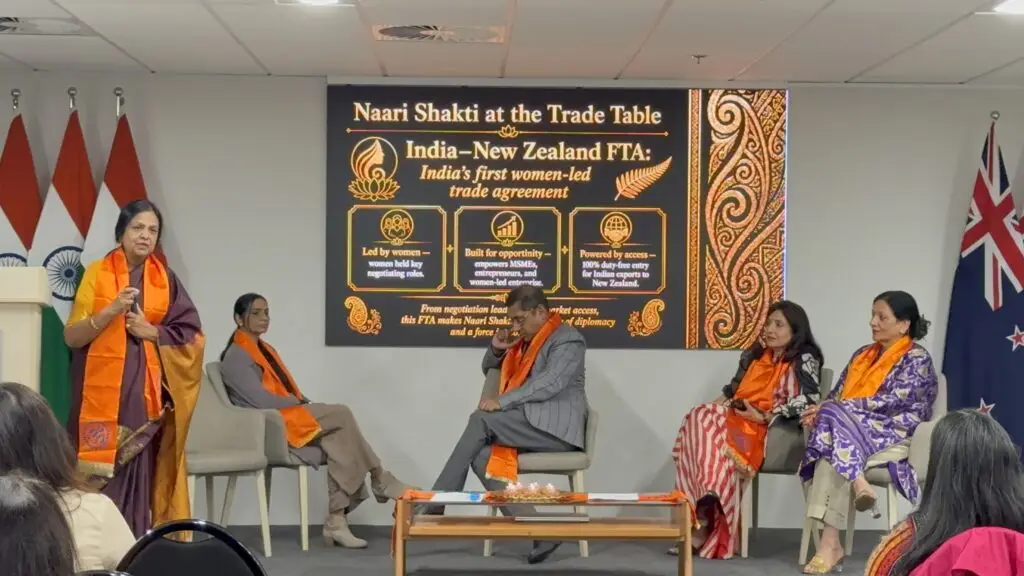
Her presentation wove together the textile stories of both nations, noting that India is among the top five global producers of textiles and apparel, accounting for 23 percent of world cotton and 95 percent of handwoven fabric, with the sector supporting the livelihoods of approximately 6.5 million cotton farmers. India’s textile exports are projected to reach USD 100 billion by 2030. She described Tamil Nadu — which contributes over 25 percent of India’s total textile exports — as a natural bridge between India’s industrial capability and New Zealand’s premium fibre and wool story.
Ms Janakiraman also explored the “Māori Aotearoa Advantage” in indigenous-to-indigenous trade, using mānuka honey as a case study. She explained that India’s base tariff on mānuka honey of 66 percent will be cut by three-quarters over five years, phasing down to 16.5 percent, with a 200-tonne annual tariff-rate quota for honey priced between US$20 and US$30 per kilogram. Importantly, she reminded delegates that “tariffs fall, standards stay” — Indian food safety standards, labelling rules and residue testing continue to apply, making compliance capability as commercially important as the tariff preference itself.
She closed with a memorable call to action, citing politician and author Shirley Chisholm: “If they don’t give you a seat at the table, bring a folding chair.”
Practical Pathways for Small Business
The seminar offered practical guidance for the many small and medium-sized enterprises represented in the audience. With SMEs making up around 97 percent of all New Zealand businesses and contributing roughly 42 percent of the country’s economic value added, speakers stressed that the agreement’s benefits — lower landed costs, self-declaration of origin, faster digital customs clearance, and services provisions — are directly relevant to the community.
Speakers outlined the regulatory steps for entering the Indian market, including entity registration, FSSAI, APEDA or BIS approvals, obtaining an import-export code, and adapting packaging and labelling. They also surveyed the most effective partnership models, from joint ventures and wholly owned subsidiaries to distributor arrangements, franchising and strategic alliances.
Distinguished Guests and Organisers
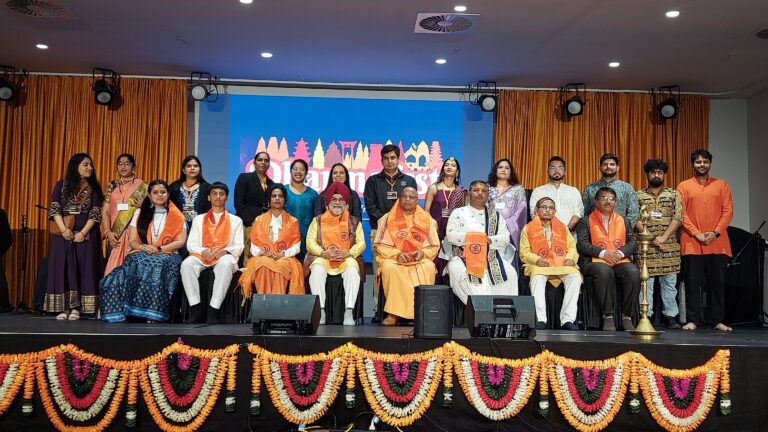
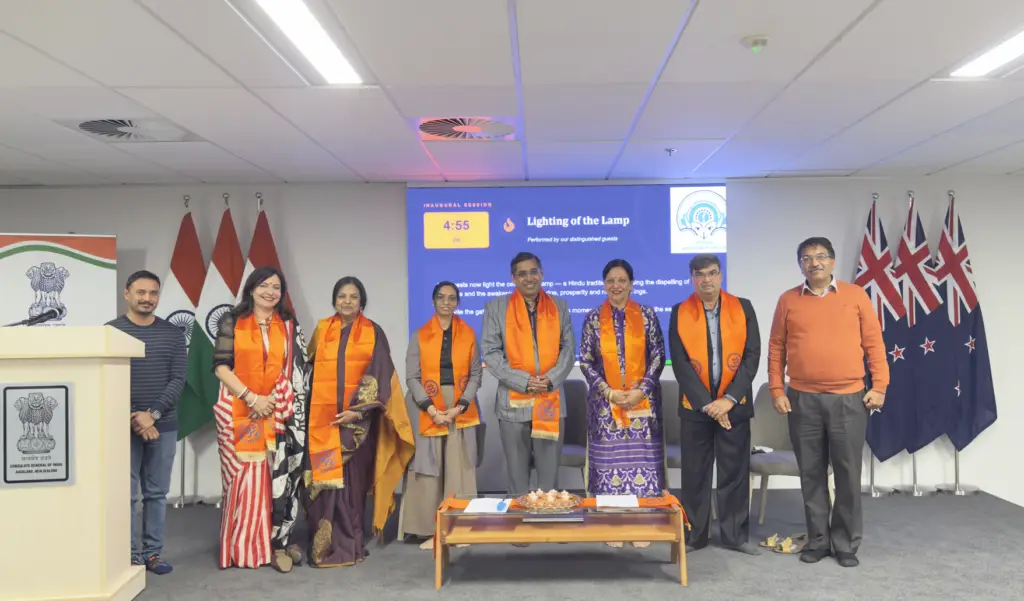
The inaugural session was led by Master of Ceremony Mrs Neelu Taore, Joint Coordinator of the FTA Seminar and the second New Zealand Hindu Women Conference. The programme opened with salutations to ancestors by Ms Sonali Sharma of Hindu Youth New Zealand, followed by the lighting of the lamp.
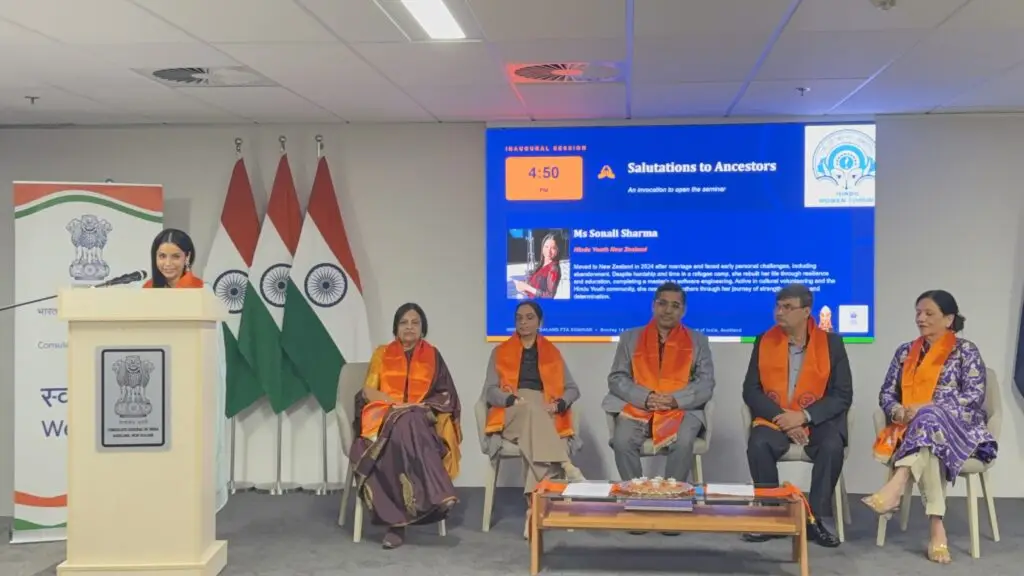
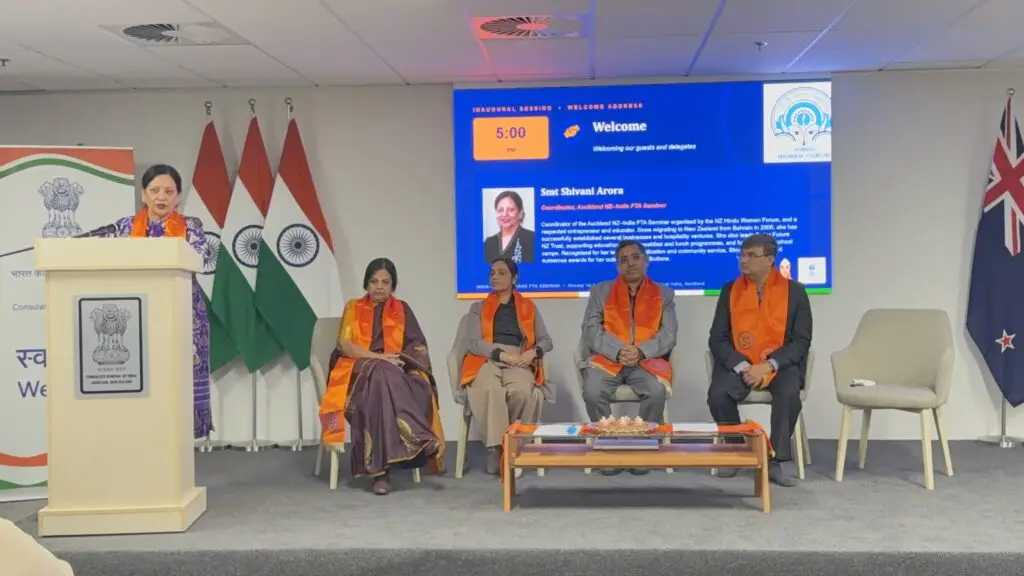
A welcome was delivered by Mrs Shivani Arora, Coordinator of the FTA Seminar Auckland, while the vote of thanks was given by Mrs Madhavi Vora, Joint Coordinator.
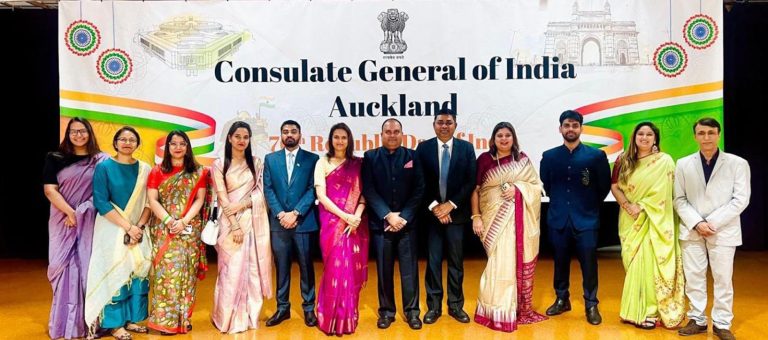
The Chief Guest, His Excellency Dr Madan Mohan Sethi, Consul General of Bharat in Auckland, was supposed to have addressed delegates on the significance of the agreement and its potential to strengthen trade, investment and people-to-people connections. However due to last minute health issues Dr Sethi was represented by Shri Manish Kumar from CGI Office. Dr Sethi, who has served as Consul General since 2024, is widely respected for his diplomatic achievements and his commitment to the advancement of women, children and youth. He has been instrumental in this historic FTA and has engaged wider community on awareness of FTA and its impact. A true leader transforming New Zealand in every sphere.
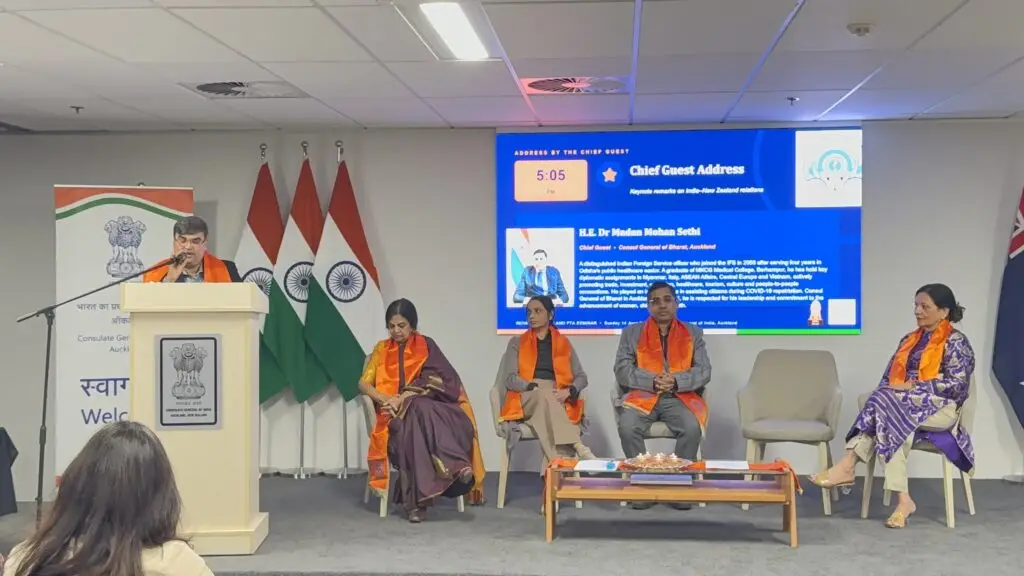
A moderated questions-and-answers session, led by Mrs Neelu Taore, gave attendees the chance to engage directly with the speakers, before the evening concluded with a networking session over tea and coffee.
A Service to the Community
The strong turnout — with registrations exceeding 180 — reflected significant community appetite for clear, practical information about the agreement and its opportunities. Organisers from the Hindu Women Forum, a service division of the Hindu Council of New Zealand, were commended for delivering an engaging and informative seminar that placed women entrepreneurs at the centre of one of the most significant trade developments in the New Zealand–India relationship in a generation.
As speakers repeatedly underlined, a trade deal is only truly born when “handshake” becomes “pen on paper” — and the real work of turning opportunity into prosperity now begins, with the women of the community ready to lead.
Photo and Video Courtesy: Harsh.