 Vinay Karanam
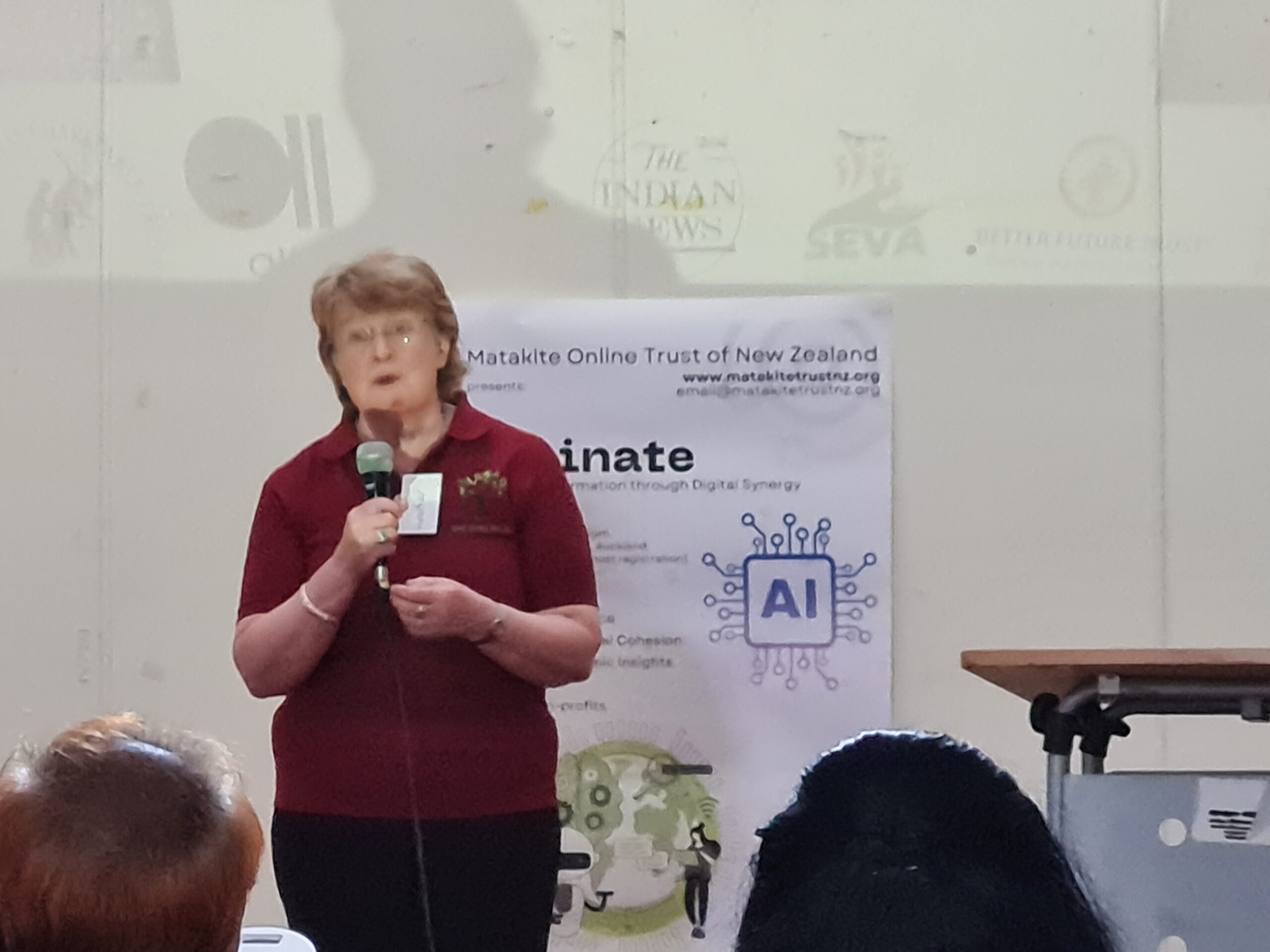
 In a recent conversation between Dr. Vinay Karanam, Editor of The BNZ (Bharat-New Zealand) News, and CEO of Matakite Online Trust of New Zealand (MOTNZ), Heather Newell, the two discussed the topic of disinformation and its potential harm. This enlightening dialogue aimed to raise awareness of the difference between disinformation and misinformation, especially among older adults, and to provide strategies to counteract it.
Dr. Karanam introduced the topic by highlighting his work with Newell since the onset of the first COVID-19 lockdown. Their collaboration has focused on empowering older adults to embrace digital technology with confidence. Newell, who has spent over 30 years in the nonprofit sector, particularly in fundraising, enjoys working with older people and sharing her passion for digital technology.
Newell defined disinformation as the intentional spread of false information to harm individuals, groups, or entire communities. This can manifest in various forms such as racism, bias, and hate speech, often amplified by online platforms. Misinformation, on the other hand, is the spread of false information without the intent to deceive, usually done innocently but with the potential to spread rapidly on social media.
The pair also discussed recent examples, such as the previous year’s government elections in New Zealand, where disinformation about government trust, ethnic groups, migrants, and other sensitive topics was prevalent. They noted the role of well-funded international groups in spreading disinformation to create disharmony.
Additionally, they touched on the rise of fake news, facilitated by AI tools that produce seemingly realistic but deceptive images, often used to attract viewers to advertisements for financial gain.
As for addressing disinformation, Newell advised approaching such discussions with respect and curiosity. She suggested asking questions like “Have you considered that some of these theories might be created to take advantage of someone?” or “What do your community leaders say about this idea?” to foster a constructive conversation. Moreover, she emphasized the importance of focusing on common ground and avoiding futile attempts to debunk outlandish theories.
The conversation concluded with gratitude for the viewers and a shared commitment to continue educating the community about digital topics and the dangers of disinformation.
[embedpress]https://youtu.be/uk8AKIx-l54[/embedpress]